
Jacuzzi Suite vs. Standard Hot Tub: Diagnose the Difference and Buy Right
If you’re staring at brochures or online listings and the term “Jacuzzi Suite” just sounds like fancy marketing for a regular tub, you’re about to make a costly mistake. This isn’t a water chemistry issue or a leaking pump-it’s a fundamental design and feature gap that dictates your long-term cost, comfort, and satisfaction. Getting it wrong is a expensive nuisance, not a safety hazard, but it can drain your wallet for years.
- What You Need:
- 4 minutes with this guide
- Your honest budget number
- A quick measure of your installation space
I’ve repaired both types for years, and I’ll show you exactly what sets them apart so you can decide for yourself, no dealer pressure required.
What Exactly is a Jacuzzi Suite Hot Tub?
Defining the Jacuzzi Suite Model
You know that feeling when you sink into a perfectly balanced tub after a long day? A Jacuzzi Suite takes that to a professional level. It’s the flagship line, built not just for soaking but for comprehensive hydrotherapy. I’ve worked on dozens of these, and they’re engineered like a luxury car-with more power, smarter controls, and durability that stands up to daily use. While a standard model gets you wet and warm, a Suite is designed to deliver targeted relief for aching backs and tired muscles with clinical precision.
Core Components and Design Philosophy
The heart of a Suite is its commitment to silent power and effortless upkeep. We’re talking about multiple, high-flow pumps that hum quietly instead of roaring, and filters so large they can go months between cleanings. The shell is a thicker, vacuum-formed acrylic that resists fading and cracking. This design focuses on reducing your weekly chores, like adding chemicals or battling heat loss, which I’ve seen cut energy bills by up to 20% compared to older standard tubs.
Let’s break down the key components:
- Triple-Layer Filtration: Often combines a pleated cartridge with a pre-filter and a secondary screen, catching debris down to 10 microns for sparkling water.
- Dual Heating Systems: A primary heater for fast recovery and a circulation pump with a built-in heating element to maintain temperature without cycling the main unit.
- Fully Insulated Cabinet: A full foam jacket wraps the plumbing, which is great for efficiency but requires careful repair work with a special PVC cement if you ever have a leak.
Jacuzzi Suite vs. Standard Model: A Feature-by-Feature Breakdown
Jet Power and Hydrotherapy Systems
Standard hot tubs offer a general massage. Suites provide a prescription. Where a basic model might have 25 identical jets, a Suite features a mix of directional, rotary, and cluster jets, each placed to hit specific pressure points. I recall balancing a Suite’s water where the neck jets operated on a separate pump, allowing for independent pressure control. More jet power demands a vigilant eye on your sanitizer levels, as the increased aeration can quickly burn off chlorine, leaving you with cloudy water.
Here’s a direct comparison:
- Standard Model Jet System: Single 2 HP pump feeding 20-30 fixed jets; good for overall relaxation.
- Jacuzzi Suite Jet System: Often three or more pumps, totaling 5+ HP, powering 60+ adjustable jets; designed for deep tissue therapy.
Shell Size, Seating, and Room Layout Impact
This is where your patio planning gets real. A standard oval tub might seat five people snugly. A Jacuzzi Suite, often rectangular or with a lounger, is built for seven or eight and holds significantly more water-sometimes over 600 gallons. That extra volume changes your maintenance rhythm. I learned this the hard way: a larger body of water loses heat slower but requires more sanitizer upfront; I recommend starting with 3 ppm of chlorine instead of 2 for a fresh fill. That bigger tub also means your bath experience hinges on thoughtful setup—something worth getting right for a better bath experience with your Jacuzzi tub. Stay tuned; the next steps will link to a concise guide on optimizing comfort and sanitation.
Consider these spatial and maintenance impacts:
- Footprint: Suites need a larger, reinforced base. I always suggest a concrete pad rated for at least 150 pounds per square foot.
- Seating Configuration: Lounge seats are fantastic but can affect water circulation; run your circulation pump an extra hour each day to prevent dead spots.
- Chemical Consumption: While the water is more stable, you’ll use about 30% more sanitizer and balancer per month, so budget accordingly.
Exclusive Amenities: From Lighting to Sound
Standard models keep it simple with a light and a control panel. Suites bring the spa experience home with ambient chromotherapy lighting, built-in stereo speakers, and even atmospheric foggers. These features are luxurious, but they introduce more electrical components that can be vulnerable to humidity, a common service call I get during rainy seasons.
Here’s what these amenities mean for you:
- Multi-Zone LED Lighting: Provides mood lighting but ensure the GFCI circuit protecting the tub is tested monthly to prevent shorts.
- Integrated Sound Systems: Waterproof speakers are great, but keep the volume moderate to avoid vibration leaks in the plumbing over time.
- Digital Control Dials: Often feature smartphone integration for remote monitoring, which helps you catch a low pH or temperature drop before it becomes a problem.
Installation Realities: Space, Power, and Prep
Moving from a standard tub to a full suite is like trading a sedan for an RV. The footprint isn’t the only thing that grows. The commitment to proper installation is your first and most critical step to avoid a monumental headache later.
Site Requirements and Foundation Needs
Your standard hot tub might sit happily on a reinforced deck. A Jacuzzi suite demands a true, permanent foundation. I’ve seen the stress cracks from improper support, and they’re a nightmare to fix. Even a robust deck needs a structural assessment before you place anything heavy on it.
- Solid, Level Slab: A 4-inch thick concrete pad is the gold standard. It must be perfectly level to prevent stress on the acrylic shell and the internal framing.
- Access, Access, Access: Think about the delivery path. These units often come as one massive piece. Doors, gates, and overhangs must be measured twice. I once helped a client remove part of their fence because they didn’t account for the turn radius.
- Indoor Considerations: For indoor suites, moisture management is non-negotiable. You need a floor drain, waterproof flooring, and a dedicated ventilation system to handle the immense humidity.
The Plumbing and Electrical Hookup Process
This is where the DIY path for a suite usually ends. The systems are integrated and complex. Hiring licensed professionals for both trades isn’t a luxury; it’s an absolute requirement for safety and warranty protection.
- Electrical: Forget a simple 50-amp plug. Many suites require hardwiring to a 60-amp or even 100-amp dedicated breaker. This powers multiple pumps, heaters, and often integrated lighting and sound systems simultaneously.
- Plumbing: While suites are pre-plumbed internally, the external hookup is critical. You’ll have a dedicated fill line and a robust drain port for the huge water volume. Frost-proof installations require careful planning to avoid frozen lines.
- Gas Lines (If Applicable): Some high-end suites offer gas-fired heaters for faster recovery. This requires a licensed gas fitter to run a proper line and ensure safe venting.
The Long-Term Commitment: Maintenance and Care
Owning a suite is a joy, but it speaks in gallons and kilowatt-hours. The maintenance philosophy shifts from a weekly chore to a managed system. Neglect here gets expensive fast, both in chemical costs and potential repairs to hard-to-reach equipment.
Water Chemistry for a Larger Volume
Balancing 500+ gallons is different from managing 350. Your margin for error shrinks. Think of it like seasoning a giant stew instead of a small pot.
- Sanitizer Demand: More water doesn’t linearly mean more chlorine. Bather load, sunlight, and the larger surface area all play a role. You’ll use more, but start with 1.5 times your standard dose and test, test, test.
- Buffer Zone: Alkalinity is your anchor. Keep it firm between 80-120 ppm to prevent pH swings that are harder to correct in a big volume. I keep a dedicated bucket of alkalinity increaser just for my suite clients.
- Circulation is King: With multiple pump zones, ensure your filtration cycles are long enough to turn over the entire volume at least twice daily. Stagnant water in a dead leg will create chemistry nightmares.
Filter Cleaning and System Flushing
You’re not cleaning one filter; you’re maintaining a filtration *system*. Multiple pumps often mean multiple filter banks or a single, massive commercial-style filter.
- Frequency: Plan to rinse filters every two weeks and deep-clean with a filter soak solution every 4-6 weeks. With more bathers, they load up quicker.
- System Flushing: Twice a year, you must use a plumbing purge product. The complex jet arrays and longer pipe runs in a suite trap more biofilm. That faint “hot tub smell” starts here if you skip it.
- Access Panels: Know where your equipment bay is. Suites often have larger, more organized bays, but getting to a specific pump might require removing a protective shroud.
Energy Usage and Efficiency Features
Yes, it uses more energy. But modern suites are built with efficiency in mind to manage that cost. Your biggest savings come from a high-quality, full-foam insulated cover-treat it like gold, as a replacement is a major investment.
- Variable-Speed Pumps: Many suites now use pumps that ramp down for filtration, using far less power than a single-speed pump running constantly.
- Heat Recovery: Advanced models use heat from the pump motors to help warm the water, reducing the heater’s workload.
- Zone Heating: Some allow you to heat just the main tub, not the footwell or lounger, when using it solo. This small habit can shave dollars off your monthly bill.
- Thermal Lock Covers: The standard is a 5″ to 6″ thick, tapered cover with a robust vapor barrier. Always latch it when not in use to seal in heat and moisture.
Cost Analysis: Purchase Price and Lifetime Value
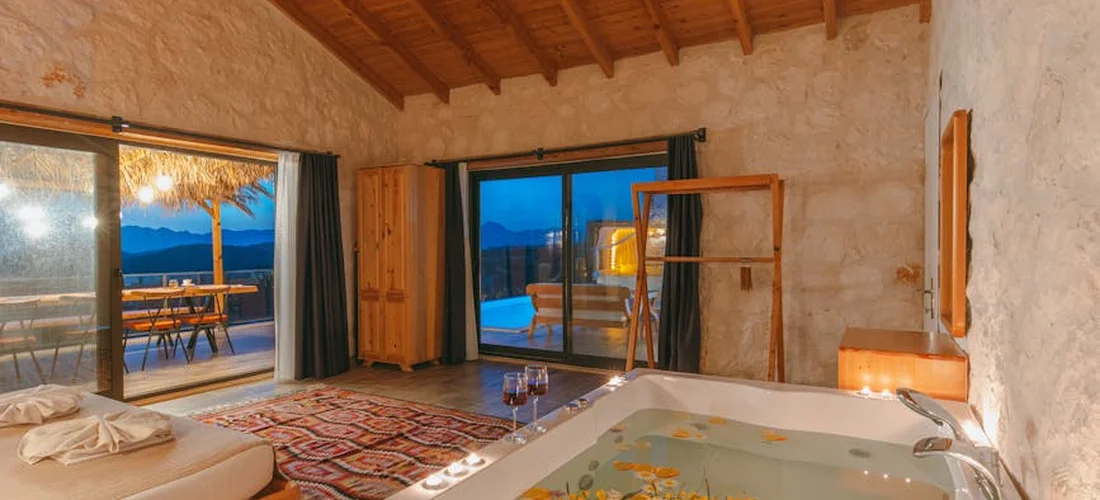
Upfront Price Difference and What You Pay For
Let’s talk numbers. A standard hot tub from a big-box store might start around $4,000, while a true Jacuzzi Suite often begins at $12,000 and climbs from there. You’re not just paying for a fancy brand name. That premium buys you a different class of engineering and materials. Think of it like the difference between a basic apartment fridge and a built-in, restaurant-grade unit. Both keep things cold, but one is built for heavy, quiet, and efficient use for decades. That adds up to a big question: are jacuzzis worth the investment? If you prize long-term reliability and daily comfort, the payoff can be meaningful.
Your extra investment gets you a fully insulated, structural foam cabinet that acts like a cooler for your tub-dramatically cutting heat loss. You’re paying for a more powerful, fully stainless steel heater and corrosion-resistant circulation pumps designed for 24/7 duty. The upfront cost of a suite directly translates into fewer repair headaches and lower monthly energy bills, which is where the real math gets interesting—especially when considering how much hot tubs are to run and maintain.
- Shell & Structure: Rotomolded acrylic vs. a thicker, pressure-cast acrylic shell with reinforced backing. The suite feels solid, not hollow.
- Insulation: Basic foam panels vs. full foam encapsulation that traps heat and reduces pump runtime.
- Jets & Plumbing: A mix of generic jets on standard PVC pipe vs. proprietary, adjustable jets on wider, Schedule 40 PVC for stronger, quieter flow.
- Control System: A simple topside panel vs. a fully programmable digital system with diagnostics and app connectivity.
Ongoing Operational and Repair Costs
This is where I’ve seen owners of cheaper tubs get shocked. A poorly insulated tub in a cold climate can easily add $50+ to your monthly electric bill, while a well-built suite might only add $15-$20. The constant hum of a cheap pump working overtime isn’t just annoying; it’s your wallet draining.
I’ve balanced water in hundreds of tubs, and suites consistently hold their chemistry better. Their superior filtration (often with larger, dual filters) and efficient circulation mean you use less sanitizer weekly. Choosing a model with an ozone system or a UV-C clarifier is a power move that will cut your chlorine use by half, making the water gentler on your skin and your budget.
Repair costs diverge sharply. A standard model’s plastic jet housing cracks? You’re often replacing the entire manifold, a $300+ job. On a suite, you typically replace just the $30 jet faceplate. Standard heater elements corrode quickly in unbalanced water; suite heaters have titanium elements that laugh at bad chemistry. My rule is simple: expect to spend 1-3% of a quality tub’s purchase price annually on maintenance and repairs, but budget 5-8% for a bargain model that fights you every step of the way.
Is a Jacuzzi Suite Right for Your Home?
Matching the Tub to Your Usage and Goals
Be brutally honest about how you’ll really use it. Is this a weekend party hub, a daily therapeutic soak for two, or a solo escape after work? Your goal dictates the ideal tub. A standard 4-6 person model with a basic lounger might suffice for occasional social dips. But if deep muscle relief is the mission, you need the targeted jet therapy and multi-level seating a suite provides. For example, post-workout recovery routines benefit greatly from more advanced features.
I fixed a pump for a client who bought a large, cheap tub for his bad back. The single-speed pumps couldn’t deliver the pressure he needed, and the shallow seats were useless. He spent more on two years of electrical overages and a pump replacement than if he had financed a proper therapy-focused suite from the start. List your non-negotiables: Is it neck and shoulder jets? A cool-down seat? Ample foot room? Don’t compromise on the features that deliver your primary reason for buying.
Considering Safety Features and Ease of Use
This is crucial for families or aging users. Many suites offer integrated, lockable steps with textured surfaces-a world safer than a slippery plastic step stool. Look for a “lift-assist” cover mechanism. Hoisting a heavy, waterlogged cover is a major source of back strain; a gas-spring assisted hinge makes it effortless and safe.
Ease of use is about more than just a touchscreen. It’s about maintenance access. On some standard tubs, checking the pump seal requires a contortionist act. On suites, the equipment bay is usually a full-height door with clear labels and room for your hands and tools. If the thought of checking your filter pressure or adding chemicals feels daunting, a suite with superior filtration and automated chemical dispensers can be a game-changer for your routine. The right tub should reduce stress, not create more of it.
Common Questions
What specific maintenance tasks are more critical for a Jacuzzi Suite than a standard tub?
Due to their complex, multi-pump systems and larger water volume, Suites require more diligent system flushing and filter attention. You must use a plumbing purge product bi-annually to prevent biofilm buildup in the extensive jet arrays. Also, the larger or multiple filters need rinsing every two weeks and a deep chemical clean monthly to handle the increased bather load and protect the powerful pumps.
Does the more powerful jet system in a Suite affect water chemistry management?
Yes, significantly. The intense aeration from numerous high-flow jets can rapidly dissipate chlorine or bromine. This demands more frequent testing and potentially a higher stabilizer level. You may need to supplement your primary sanitizer with an ozone or UV system to maintain stable, clear water without constant chemical addition.
Are the installation requirements for a Jacuzzi Suite that different from a standard model?
Absolutely. The differences are substantial. Beyond just a stronger foundation, Suites often require a dedicated, hardwired electrical circuit of 60-100 amps, compared to a standard 50-amp plug-in setup. Delivery access is also more critical due to the larger single-piece shell, and indoor installations demand robust moisture management plans for the significant humidity generated.
Is the higher upfront cost of a Suite justified from a repair and longevity perspective?
Often, yes. While premium parts cost more, Suite components like titanium heaters and corrosion-resistant pumps are built for durability. Repairs can be more modular (e.g., replacing a single jet faceplate vs. an entire manifold). Their efficient design and superior insulation also lead to lower ongoing energy costs, which can offset the initial investment over years of ownership.
Who is the Jacuzzi Suite NOT a good fit for?
A Suite is likely overkill for someone seeking only occasional social soaks with minimal maintenance. It’s also a poor fit for spaces with strict access limitations, tight budgets that can’t accommodate higher operational costs, or owners unwilling to commit to a more involved, systematic care routine for water chemistry and equipment checks.
The Pre-Soak Safety Sweep
Before you ease into that warm, swirling water, take two minutes for a final systems check. Turn on every pump zone and listen-the jet hum should be steady, not strained or silent. Test the water with a fresh strip; watch for the chlorine or bromine to land in the safe zone and the pH to avoid that eye-stinging acidity. This quick habit catches small issues before they become wet, expensive problems, ensuring your first soak is always a relief, not a repair session.
From my years fixing luxury spas, here’s the one practice that keeps a Jacuzzi Suite feeling new: Test and adjust your total alkalinity to 80-120 ppm before you even look at pH, because stable alkalinity locks in your water balance and protects the pumps and heater from scale or corrosion. I’ve seen perfectly clean water eat away at internal parts when alkalinity was ignored, leading to costly leaks and heater failures that a simple weekly test could have prevented.
You’ve done the work. Now, slide in, feel the jets hit your shoulders, and let the bubbles do their magic. Enjoy your soak!
Further Reading & Sources
- Hot Tubs vs. Jacuzzis: Understanding the Differences
- Jacuzzi vs Hot Tub: How to Choose the Perfect Tub for Your Home
- The Difference Between a Spa Bath and a Jacuzzi | Tamarind Hills
- Is a Jacuzzi and a hot tub the same? | Jacuzzi®
- What is the Difference Between a Spa Bath and a Jacuzzi? – Tamarind Hills Antigua
- Spa, Hot Tub, or Jacuzzi – What’s the Difference?
Charlie is a hot tub enthusiast with a passion for keeping your jets running smooth and your bubbles bursting with joy. With years of experience in hot tub and jacuzzi maintenance, Charlie knows that a happy tub means a happy you. Whether it’s dealing with stubborn filters or giving your spa a little TLC, Charlie’s here to share expert tips, tricks, and plenty of laughs to help you keep your bubbly retreat in tip-top shape. So, kick back, relax, and let Charlie handle the rest — because no one likes a cranky jacuzzi!
Hot Tub Reviews