
Bubble Bath in Your Hot Tub? Here’s Why It Foams and How to Fix It Fast
If your hot tub looks like a frothy latte with stubborn suds choking the jets, you likely added bubble bath, shampoo, or lotion-laden water. This foam signals a chemical imbalance from surfactants, which reduce water tension and trap air, potentially clogging filters and straining your pump over time. It’s not an electrical hazard, but ignore it, and you’re facing murky water, inefficient heating, and a costly cleanup.
What You Need:
- A potent defoamer (dimethylpolysiloxane-based, not dish soap)
- Fresh test strips for pH, alkalinity, and sanitizer levels
- A garden hose for a quick filter rinse
- 20 minutes of focused time
I’ll show you how to clear that mess and restore balance yourself, saving you a service call.
Why Bubble Bath and Hot Tubs Are a Bad Mix
At its heart, the problem is a chemical mismatch. Bubble bath is packed with surfactants and foaming agents designed for a single-use bath that drains away. Your hot tub is a closed, sanitized system that recirculates water for months. Those sudsy ingredients wage war on your sanitizer, creating a bubbly mess instead of clean, balanced water.
| Bubble Bath Ingredients | Spa-Safe Products |
|---|---|
| Sodium Lauryl Sulfate (aggressive foamer) | Dichlor Granules (controlled sanitizer) |
| Cocamidopropyl Betaine (mild surfactant) | Bromine Tablets (slow-dissolving sanitizer) |
| Synthetic Fragrances & Dyes | Non-foaming Enzymes (organic waste digester) |
| Various Oils & Moisturizers | pH Adjusters like Sodium Bisulfate |
I was called to a home where the kids had dumped in a “berry blast” bubble bath. The tub looked like a frothy volcano, with foam spilling over the sides and the circulation pump humming a distressed, labored tune until it overheated. We spent hours draining, scrubbing, and refilling to reset the water.
If you introduce bubble bath, watch for these instant warnings:
- Sudden, mountains of foam that defy defoamer
- Water turning a hazy, milky cloud
- A sharp, unnatural chemical smell piercing through
The Immediate Risks: Foam, Residue, and Skin Woes
Foam might seem harmless, but it acts like a physical clog. That thick lather can pack into jet nozzles, robbing you of pressure and forcing your circulation pump to strain, which hikes up your energy costs and risks a burnout. I’ve pulled jet cores caked with a soapy paste that felt like sticky glue.
Once the bubbles pop, a sneaky residue coats the entire plumbing system. This oily film attracts calcium scale and shields biofilm from sanitizer, creating a stubborn, slimy problem in the pipes that often demands a full system flush to eradicate.
Your skin is the first to feel the chemical imbalance. Bubble bath can send your pH soaring or crashing, leading to itchy skin, and it reacts with chlorine to form chloramines that cause that familiar red-eyed sting.
Many personal care products add fragrant oils and perfumes. These can provoke allergic reactions on sensitive skin and introduce volatile organics that your sanitizer must waste itself on, leaving your water vulnerable to real contaminants.
Long-Term Damage to Your Hot Tub’s Guts
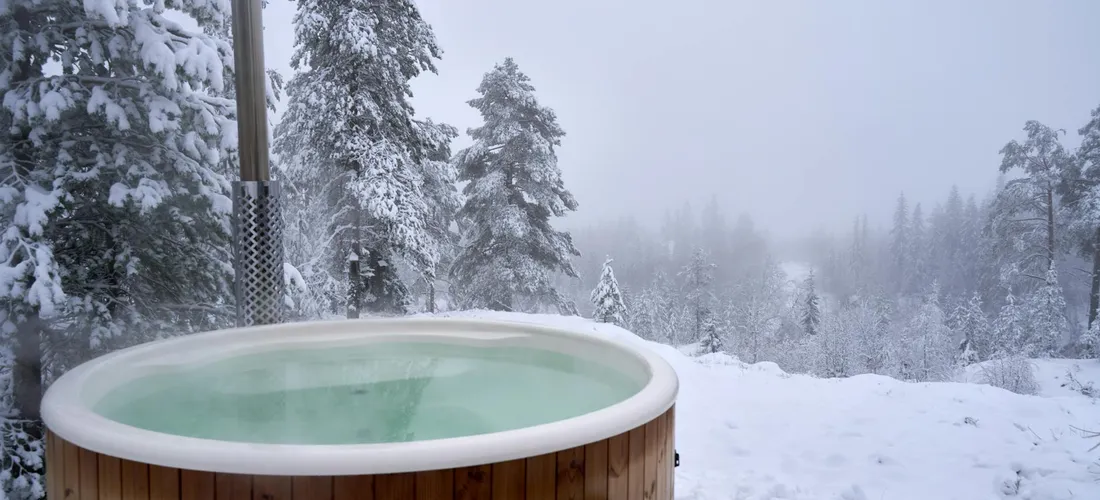
Pouring in bubble bath is like feeding your spa a steady diet of grease and sugar-it feels good now, but the internal damage is slow and costly. Soaps and surfactants don’t just dissolve; they leave a stubborn residue that clings to every pipe, pump, and heating element, leading to a cascade of mechanical failures.
How Soaps Attack Pumps, Heaters, and Filters
Let’s trace the path of destruction through your spa’s most vital components. I’ve repaired too many tubs where the root cause was a “little bit” of soap that built up over time.
- Heater Element Insulation: Soap scum bakes onto the metal sheath of your heater, forming an insulating barrier. This forces the element to cycle longer and run hotter to heat the water, which can cut its lifespan in half and spike your energy bill.
- Pump Cavitation and Air Locks: Foam gets sucked into the pump’s wet end, displacing water and creating air pockets. You’ll hear the motor’s hum shift to a strained, gargling whine as cavitation erodes the impeller and stresses the seals.
- Filter Coating and Clogging: Residue coats the filter pleats like a plastic wrap, dramatically reducing their effective micron rating. A coated 10-micron filter can behave like a 50-micron one, allowing debris to pass and choking off water flow back to the pump.
Voiding Your Warranty: The Fine Print Matters
That warranty packet isn’t just paperwork-it’s a contract that defines proper care. Ignoring the chemical guidelines is the fastest way to find yourself paying for repairs the manufacturer should cover.
- Manufacturer guidelines from brands like Sundance and Bullfrog explicitly list soaps, oils, and bubble baths as prohibited. These substances are considered “improper water chemistry” or “owner negligence” in the legal fine print.
- Dig out your spa manual and check the warranty section. Using bubble bath typically voids coverage on the entire plumbing loop, circulation pump, and heater, leaving you responsible for hundreds in parts and labor.
Emergency Response: After Bubble Bath Accidentally Gets In
Accidents happen-a kid pours in shampoo, or a guest misunderstands. Your immediate reaction dictates whether this is a two-hour cleanup or a two-week repair job.
Step-by-Step Crisis Cleanup
Follow this sequence exactly to limit the soap’s reach into your system. I keep a bottle of defoamer and filter cleaner on my shelf for exactly this kind of emergency.
- Power Everything Down: Turn off the spa at the breaker and deactivate all jets and air blowers. Stopping the agitation prevents the foam from being driven deep into the plumbing lines where it’s hardest to remove.
- Apply a Commercial Defoamer: Use a spa-specific defoamer across the water surface to collapse the bubbles. Think of this as a temporary patch; it breaks the foam’s surface tension but doesn’t eliminate the contaminant.
- Drain the Tub Completely: Hook up your hose and empty every gallon. Soapy water is toxic to plants, so drain to a sewer cleanout or street drain, not your lawn or garden bed.
- Deep-Clean or Replace the Filter: Remove the filter cartridge and soak it overnight in a filter cleaner solution. If the pleats remain greasy or discolored, replace it-a $40 filter is a smart investment to protect your $300 pump.
- Scrub the Empty Shell: Using a non-abrasive sponge and a spa-safe surface cleaner, scrub the entire shell to remove any oily film. For a DIY clean, a 50/50 white vinegar and water solution works, but rinse thoroughly to avoid affecting the new water’s pH.
- Refill with Fresh Water: Begin a fresh fill with a hose filter to remove metals and minerals. You are now starting your water chemistry from a blank slate, which is easier than fighting persistent soap residue.
Rebalancing Your Water Chemistry Post-Contamination
After a soap incident, your water is chemically unstable. Precise rebalancing is non-negotiable to prevent cloudiness, scaling, and sanitizer inefficiency.
- Hit These Target Levels: Adjust your fresh fill to pH 7.4-7.6, total alkalinity 80-120 ppm, and sanitizer to 3-5 ppm chlorine or 4-6 ppm bromine. Soap is highly alkaline, so you’ll almost certainly need pH decreaser to bring that number down.
- Use a Liquid Test Kit for Accuracy: Rely on a drop-based test kit like the Taylor K-2006, not test strips. When recovering from severe contamination, the color-matching precision of a liquid kit is essential for trustworthy readings.
- Shock the Water Vigorously: After balancing, super-chlorinate to 10 ppm or use a non-chlorine oxidizer. This “burnout” shock oxidizes any lingering organic contaminants from the soap, restoring water clarity and your sanitizer’s punch.
Safe Alternatives for a Luxurious, Bubbly Soak
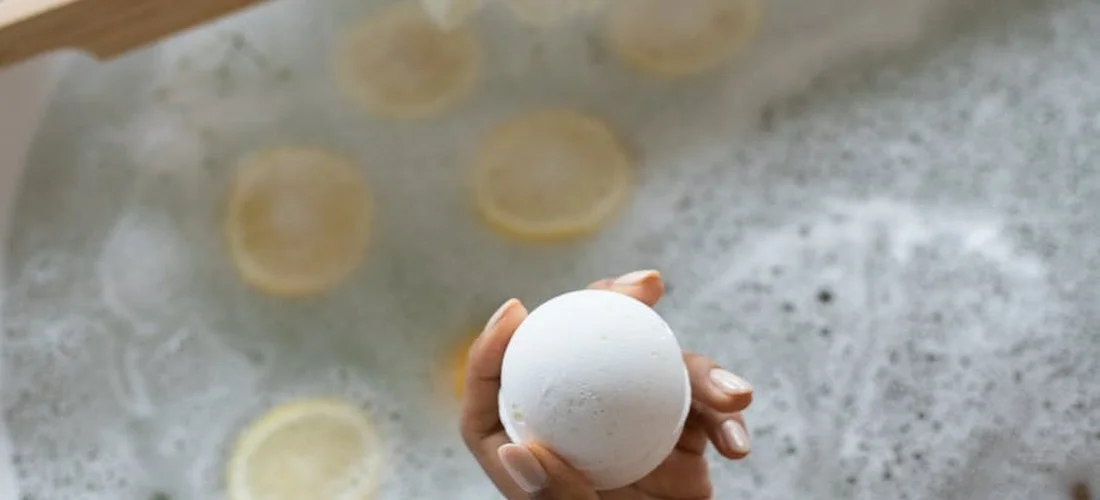
You can still create a fantastic sensory experience without resorting to dish soap. The market offers specific, engineered solutions that won’t wage chemical warfare on your tub’s components. Look for products specifically labeled for spa or hot tub use; these are formulated to work within the tight pH and sanitizer parameters you’ve worked so hard to balance. Unlike regular soaps or body washes, these won’t interfere with the chemical balance.
Genuinely Hot Tub-Safe Products
These are your go-to options for enhancing your soak without the fear of a foamy apocalypse.
- Spa Fragrances & Aromatherapy Drops: Brands like SpaGuard and Leisure Time offer concentrated fragrances-think cedar, rainforest, or tropical breeze-that are designed to disperse in the water without leaving an oily residue. A few drops are all you need.
- Mineral Sanitizer Systems: Systems like Nature2 or the Frog @ease series use silver and other minerals to reduce your reliance on chlorine or bromine. They won’t add bubbles, but they create a noticeably softer, more pleasant-feeling water that feels luxurious on the skin.
- Approved Bathing Oils: A few companies make spa-specific bathing oils that are water-soluble. Unlike cooking oils or baby oil, these are meant to emulsify and be filtered out, not coat every surface.
What About “Garden-Safe” Bubble Bath?
You might see “biodegradable” or “plant-safe” bubble baths and wonder if they’re a loophole. While they are less harmful to your grass than harsh detergents, they are still soap. Pouring any soap-based product into your hot tub, even a “natural” one, introduces the same surfactants that cause persistent foam and filtration headaches, regardless of what kind of bubbles they produce. If you absolutely must use one for a special occasion, be prepared for a full drain, scrub, and refill immediately afterward—it’s not a habit you can sustain.
The Truth About Epsom Salts & Essential Oils
Let’s clear up two common points of confusion. Plain Epsom salts (magnesium sulfate) will dissolve and can be soothing, but they add zero bubbles. They will increase your water’s hardness level, so test and adjust your calcium hardness afterward to prevent scale from forming on your heater, especially when using magnesium sulfate in your spa water.
Pouring pure essential oils directly into the water is a personal pet peeve of mine from service calls. They do not mix; they float on the surface as a concentrated film. This oily film gets sucked into your filter, coats your shell, and, most damagingly, degrades the vinyl of your hot tub cover from the inside out, causing it to become brittle and heavy. Always use a carrier designed for hot tubs. For safe use in a hot tub or jacuzzi, opt for spa-approved blends and follow dilution guidelines. Check your manufacturer’s recommendations before adding any oils.
Preventing Foam and Protecting Your Water Quality
Daily Habits for Crystal Clear Water
Clear water starts with you, before you even step in. Think of your hot tub as a shared soup-what you bring in is what everyone (and the filter) has to deal with.
- Rinse Off First: A quick, 60-second rinse without soap washes away a huge amount of body oils, lotions, deodorant, and skincare residues. This simple step is the single most effective foam-prevention tactic.
- Embrace Weekly Enzymes: I add an enzyme-based clarifier to my personal tub every Sunday night. These natural cleaners act like a digestive system for your water, breaking down the non-living organics (oils, skin cells) that your sanitizer misses and that love to cause foam and cloudiness.
- Stick to a Filter Care Schedule: A clogged filter is a foam factory. Rinse it with a hose every week. Soak it in a proper filter cleaner (not dish soap!) once a month. Replace it annually, or more often with heavy use. A clean filter is your best friend.
When and How to Use Defoamers and Clarifiers Correctly
It’s vital to understand the difference between these two common chemicals. Using the wrong one is like using a band-aid on a broken pipe.
- Defoamer is an Emergency Tool: That bottle of defoamer is a temporary suppressant, not a solution. It works by breaking the surface tension of the bubbles, causing them to pop. If you’re reaching for defoamer more than once or twice a season, you have an underlying water chemistry or contamination problem that needs solving, not hiding.
- Clarifiers are for Ongoing Maintenance: Use a clarifier (especially the enzyme kind) for general cloudiness and to prevent organic buildup. However, if your cloudiness or foam is directly caused by a soap or bubble bath contamination, no amount of clarifier will fix it. Soap molecules are too small to be filtered out and must be removed by draining and starting fresh-a hard lesson I learned fixing a client’s “kids’ bubble party” disaster.
FAQs
Is it ever safe to use just a little bit of bubble bath?
No, any amount of traditional bubble bath is unsafe for your hot tub. Even a small quantity introduces surfactants and oils that create persistent foam, coat your plumbing, and degrade your sanitizer. The closed, recirculating system of a hot tub amplifies these problems, making a “little bit” a recipe for long-term damage and water imbalance. If you’re tempted to use bubble bath shampoo in a hot tub, resist—it’s not compatible with hot tub chemistry. Stick to products formulated for hot tubs instead.
What’s the very first thing I should do if bubble bath gets in?
Immediately turn off the jets and air blowers at the breaker to stop agitating the water and driving soap deeper into the system. Then, apply a commercial spa defoamer to collapse the foam on the surface. Understand this is only a temporary measure; a full drain and clean will be necessary to properly remove the contaminants.
What can I use instead of bubble bath for a nice scent?
Use products specifically formulated for hot tubs, such as spa-grade fragrance drops or aromatherapy oils from brands like SpaGuard. These are designed to disperse without foaming or leaving an oily residue. For a luxurious feel, consider a spa-specific mineral sanitizer system, which softens the water without adding any bubbles or harmful chemicals.
Can I use a “garden-safe” or biodegradable bubble bath?
While these products are less harmful to plants, they are still not safe for your hot tub. “Garden-safe” refers to its environmental impact when diluted and drained onto soil, not its compatibility with hot tub chemistry. These products contain the same foam-causing surfactants that will clog filters and require a complete water change. Hot tub owners should follow critical chemical safety practices to prevent foam, clogged filters, and unsafe water. Understanding these essential practices helps ensure a safe and enjoyable soak for everyone.
Are Epsom salts or essential oils a safe alternative?
Epsom salts and essential oils are not alternatives for bubbles, and both require caution. If you choose to use Epsom salts in your hot tub, follow safe-use guidelines—test your water hardness and stay within recommended amounts to avoid buildup. Plain Epsom salts dissolve but will raise your water’s hardness, requiring monitoring. Pure essential oils should never be poured directly in, as they float and can damage your cover and filter. Only use essential oils diluted in a proper, spa-safe carrier product.
The Week-Later Water Check
Before you slide into that clean, foam-free water, do one last safety lap. Run the jets for a minute-listen for that confident hum, watch for any rogue suds. Test the water. Feel it; it should be slick, not slimy. Sniff it; you should get a faint, clean chemical scent, not perfume. This final check is your gatekeeper, ensuring your fix held and the water is truly welcoming.
So you’ve conquered the bubble bath blunder. To stop it from ever happening again, your new mantra is simple: oxidize after every soak. Whether you use chlorine or bromine, hit the water with a dose of non-chlorine shock or your regular oxidizer after you get out. This single habit breaks down the body oils, lotions, and any lingering organics you introduced, preventing them from building up and teaming with soaps to create a foamy nightmare. It keeps your sanitizer from working overtime and your water brilliantly balanced.
Nice work. You’ve tackled the chemistry, saved your filters, and restored order. Now go on. You’ve earned that soak. Turn on those jets, sink in, and enjoy the quiet hum of a happy hot tub. Proper water chemistry is key, and you’ve got it down.
Further Reading & Sources
- r/hottub on Reddit: How to get rid of foam?
- Defoam Your Hot Tub – 3 Best Ways To Get Rid Of Hot Tub Foam
- How to Fix Excess Spa Foam – Clorox® Pool&Spa™
- How To Fix Foamy Hot Tub Water – Brady’s Pool & Spa Care
- Got Hot Tub Foam? Here’s How To Get Rid Of It. | O-Care Spa Care
- How to Get Rid of Foamy Hot Tub Water – FROG Products
Charlie is a hot tub enthusiast with a passion for keeping your jets running smooth and your bubbles bursting with joy. With years of experience in hot tub and jacuzzi maintenance, Charlie knows that a happy tub means a happy you. Whether it’s dealing with stubborn filters or giving your spa a little TLC, Charlie’s here to share expert tips, tricks, and plenty of laughs to help you keep your bubbly retreat in tip-top shape. So, kick back, relax, and let Charlie handle the rest — because no one likes a cranky jacuzzi!
Water Chemistry