
How to Fix a Disappointing Jacuzzi Bath: Your Guide to Must-Have Additives
If your Jacuzzi tub water feels flat, smells chemically, or leaves your skin itchy after a soak, your bath recipe is missing key ingredients. The immediate diagnosis is unbalanced water chemistry paired with a lack of therapeutic enhancers, stripping the luxury right out of your tub. This isn’t an electrical hazard, but it’s a comfort-killing nuisance that’s easy to solve.
What You Need:
- Epsom Salts (2 cups for a standard fill)
- Gentle, Tub-Safe Essential Oils (like peppermint or chamomile)
- Digital pH Test Meter or Reliable Test Strips
- 10 Minutes for Measurement and Mixing
By the end of this guide, you’ll be blending a perfect, spa-quality bath with household items, keeping your wallet closed to expensive salon treatments.
Set the Scene: Your Pre-Soak Checklist
Think of this like preheating the oven before baking. A little prep makes everything better. Rushing in can lead to a disappointing, or even unsafe, soak. This is your five-minute ritual for perfection.
Balance the Water First
You wouldn’t jump into a poorly maintained public pool, and your tub deserves the same respect. Balanced water isn’t just about clarity; it’s about protecting your skin, your tub’s guts, and your sanitizer’s ability to work. It’s one of the essential health and safety guidelines for hot tub use.
- Test Total Alkalinity (TA): This is your foundation. Aim for 80-120 ppm. If it’s low, your pH will swing wildly. If it’s high, your pH gets “sticky” and hard to adjust. I use baking soda to raise it.
- Adjust pH: Now target 7.2-7.8. Low pH (acidic) makes your eyes sting and eats away at equipment. High pH (basic) clouds the water and scales up your heater. Muriatic acid or dry acid brings it down; soda ash brings it up.
- Check Sanitizer: Ensure your chlorine is between 1-3 ppm or bromine at 3-5 ppm. This is your active guard against bacteria. Never, ever soak with zero sanitizer-you’re just stewing in a microbial soup.
I’ve seen jets clogged solid with scale from ignored pH. A $10 test kit saves you a $400 plumbing job. Balance the water, then add the fun stuff.
Dial in Your Ideal Water Temperature
This is personal, but there’s a smart way to do it. For a typical soak, 100°F to 102°F is the sweet spot for most. Crank it to 104°F only if you’re treating serious muscle pain and are healthy-and limit your soak to 15 minutes.
- Plan ahead. Heating from ambient can take hours and costs real money.
- Set your desired temp 30-60 minutes before you plan to soak.
- Put the cover back on immediately after setting! A covered tub heats efficiently; an open one hemorrhages heat and cash.
Pro tip: If you use your tub in the evening, program a “setback” temperature during the day to save energy, then let it ramp up before your soak. Modern digital controls make this easy and are especially useful when you’re using your tub in the summer months.
Create the Perfect Ambiance
This is where you move from maintenance tech to spa director. Engage all the senses.
- Sight: Dim the overheads. Use submerged LED lights or soft outdoor lanterns. Candlelight (in safe, protected holders far from the tub) is unbeatable.
- Sound: A quality Bluetooth speaker set back from splashes provides music or nature sounds. The gentle hum of the circulation pump should be your only mechanical noise.
- Smell & Touch: Have towels and a robe warming nearby. Keep a cool drink on the apron. Use only aromatherapy diffusers designed for spas-never pour oils directly into the water, as they will gum up your filter and foam like crazy.
Safe Additives for Muscle Relief & Relaxation
Now for the therapeutic boost. The market is full of potions, but only a few are truly tub-friendly. Your filter and pump seals will thank you for being picky.
The Real Deal with Epsom Salts (Magnesium Sulfate)
Let’s be clear: Epsom salts are for you, not your tub. The magnesium can be absorbed through the skin, which may help with muscle soreness. While a one-time soak with Epsom salts is generally fine, never make it a regular habit in a jetted tub – especially when you know how to use them properly in your hot tub.
The sulfate part is the problem. Over time, sulfates can contribute to scale formation, especially if you have hard water. They offer zero sanitation. My method:
- Dissolve 1-2 cups of pure, fragrance-free Epsom salts in a bucket of warm water first.
- With jets OFF, pour the solution into the tub.
- Soak and enjoy. After your session, plan for an extra water rinse cycle for your filter and potentially a partial water change sooner than usual.
Specialty Soaking Salts and Minerals
These are formulated to be gentler on equipment. Look for products labeled specifically for jetted tubs or whirlpool baths. They often contain:
- Dead Sea Salts: Rich in minerals like bromide, which can complement your sanitizer. They’re typically finer and dissolve well.
- Bentonite Clay: Sometimes added for skin-soothing properties. It can cloud the water temporarily but usually settles and is filtered out.
- Oxygen-Based Cleansers: Some blends use these as a non-chlorine shock, which is a great addition for water clarity.
The golden rule: Always add any product to water with jets running for full dispersion, and never exceed the manufacturer’s dosage. More is not better-it’s a path to foam, scale, and a call to your local repair guy (maybe me).
Aromatherapy: Using Essential Oils Correctly
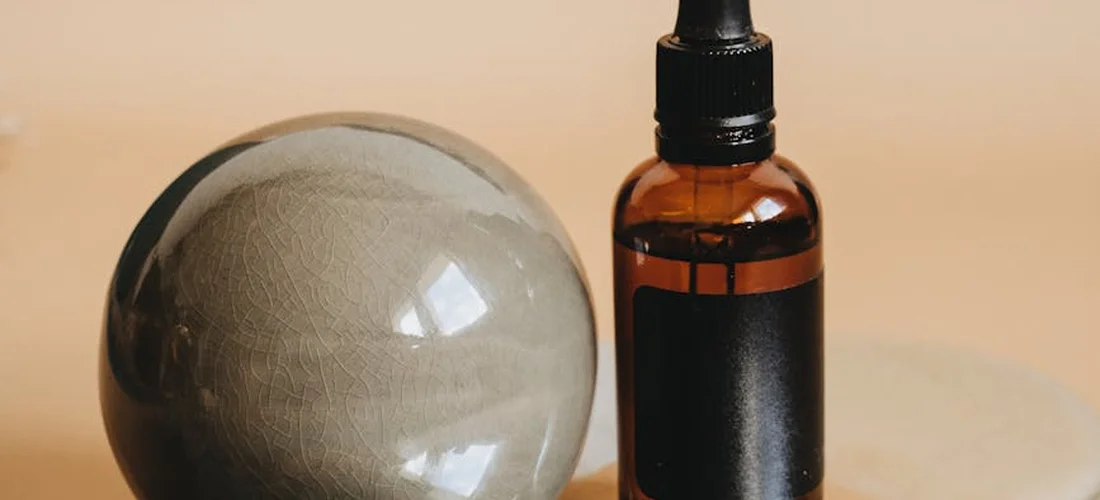
That gentle hum of the circulation pump becomes the backdrop for a deeper relaxation when you introduce the right essential oils. I learned through trial and error that direct pouring ruins pumps, but a smart method lets you enjoy the scent without the repair bill.
Best Essential Oils for a Spa Atmosphere
Choosing oils is like picking tools for a job; you need the right one for the effect you want. Stick with light, water-soluble notes that won’t leave a greasy film on your filter’s 35-micron pores.
- Lavender: My personal favorite for evening soaks. It calms the mind and masks chemical odors perfectly.
- Eucalyptus Radiata: Provides a crisp, clearing vapor that feels amazing when you have tight shoulders.
- Frankincense: A richer, earthy scent that promotes deep breathing. It’s less acidic than citrus oils.
- Spearmint: A softer alternative to peppermint. It offers a cool sensation without overwhelming the senses.
- Ylang-Ylang: Adds a floral, exotic layer. It blends well with citrus for a custom, uplifting mix.
How to Add Oils Without Fouling Your System
Oils and hot tub water are natural enemies. I’ve opened pumps sealed shut with hardened lavender oil, a costly fix you can avoid with simple steps, especially when using essential oils in your hot tub.
- Dilute in a Dispersant: Mix 2-3 drops of oil into a half-cup of plain, unscented Epsom salt. The salt carries the oil and helps it sink temporarily.
- Place it Strategically: Add the mixture to a floating chemical dispenser or a porous bag placed directly in front of a moving jet stream.
- Use External Diffusion: An electric aromatherapy diffuser placed near the tub is the safest method. The steam will carry the scent to you.
- Post-Soak Flush: After using oils, run the jets on high for 10 minutes with the cover off to help ventilate residuals from the plumbing.
The “Do Not Add” List: Protect Your Tub
Your spa is a finely tuned system, not a playground for bath products. Every forbidden item on this list has cost me or my clients a service call, usually for a clogged heater or a fouled sensor. You can spot the warning signs for when the spa needs fixing.
Bath Bombs, Bubble Bath, and Soaps
These create immediate satisfaction and long-term headaches. The surfactants in these products reduce water tension, creating foam that starves your pump of water and leads to noisy, dry running.
- Fizzy Bath Bombs: Their bright dyes stain acrylic, and their citric acid can plunge your pH below 7.0 in minutes.
- Mr. Bubble or Similar: Creates suds that consume sanitizer and can take days of shocking and filtering to clear.
- Anything “Moisturizing”: These formulas contain sodium lauryl sulfate that leaves a scum line impossible to wipe away without a full drain.
Oils, Lotions, and Creams
Your skin might feel soft, but your tub’s internals will get gummed up. Oils polymerize under heat, forming a sticky glaze on heater elements that drastically cuts their efficiency and lifespan. That’s why soap-based body washes should never be used in a hot tub. They foam and leave slippery residues that worsen buildup and strain the system.
- Coconut or Baby Oil: These coat the water surface, blocking oxygen exchange and making your sanitizer work poorly.
- Post-Workout Lotion: Often contains petroleum byproducts that cling to the filter pleats, reducing flow.
- Massage Creams: Their thickeners can settle in low-flow zones of the plumbing, promoting bacterial biofilm.
Foods, Clays, and Plant Matter
It might look Instagram-worthy, but it’s a mess for your water balance. Organic debris decomposes fast in 104°F water, consuming chlorine and potentially releasing phosphates that feed algae blooms.
- Milk or Honey Baths: Proteins and sugars are a buffet for bacteria, causing sanitizer demand to skyrocket overnight.
- Bentonite or French Green Clay: These fine-particle clays will slip right through your filter and settle in the bottom of the plumbing.
- Rose Petals or Citrus Slices: They rot, clog the skimmer, and can introduce pests or mold spores into the warm, moist environment.
Post-Soak Protocol: Cleaning and Balance
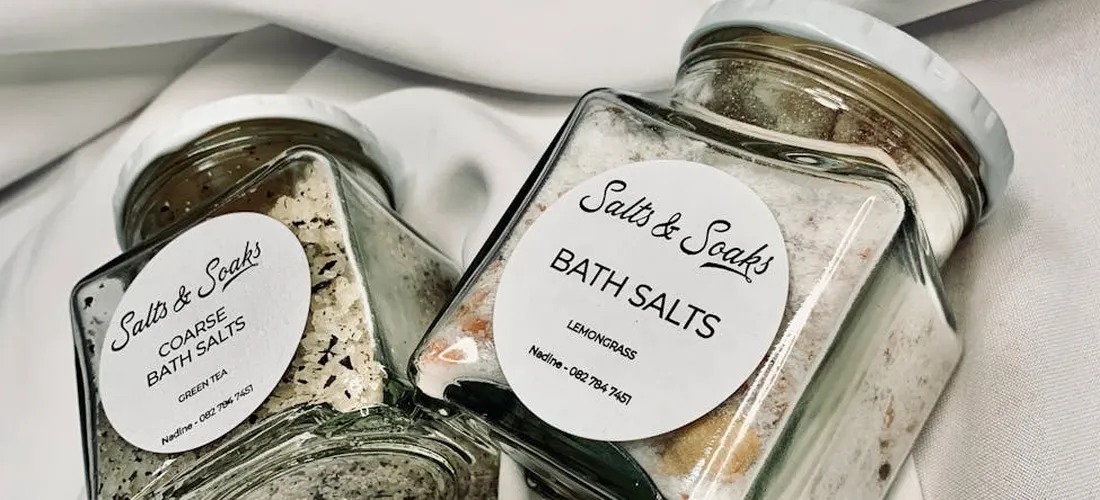
The work you do after soaking protects your investment and your next dip. I treat my post-soak routine like closing up a workshop-everything needs to be tidied and put back in order for next time.
Immediate Rinse and Filter Care
Jumping out and walking away leaves all your body oils and sweat in the water. A two-minute rinse of your body with a garden hose before you even step out cuts contaminant load by half.
- Jet Purge: Run the jets on high for 5 minutes to stir up any suspended oils or lotions.
- Skimmer Check: Empty the skimmer basket of any debris like hair or leaves to maintain good water flow.
- Filter Spray: Rinse your filter cartridge with a hose, using a jet nozzle to blast between the pleats. Do this weekly.
Shock and Re-Balance the Water
Shocking isn’t just for cloudy water; it’s a reset button after use. Adding a non-chlorine shock after each soak burns off the waste your body left behind, keeping the water sparkly and odor-free.
- Test and Dose: Check your sanitizer level. If it’s below 3 ppm, add your regular sanitizer first, then shock with MPS per label instructions.
- Balance pH and Alkalinity: Warm, agitated water drives pH up. Use a pH decreaser in small amounts to bring it back to the ideal 7.4-7.6 range.
- Circulate: Leave the cover off or propped open for 30 minutes after shocking to let the oxidizing gases vent.
The Deep Clean Timeline
Daily and weekly care is great, but a scheduled deep clean is non-negotiable. I mark my calendar for a quarterly deep clean, which always includes a plumbing flush to prevent invisible biofilm build-up.
- Monthly: Soak filters in a solution of one part white vinegar to four parts water for 2 hours to dissolve calcium scale.
- Every 3-4 Months: Drain and scrub the shell. Use a specialized plumbing flush product, circulating it for an hour to purge the pipes.
- Bi-Annually: Inspect and clean the pump strainer basket. Check for wear on seals and o-rings, lubricating them with pure silicone grease.
- Annually: Have a professional check the heater element for scale and test the control board settings. This proactive step saves money.
What People Ask
What are the best essential oils for a Jacuzzi bath?
Light, water-soluble oils like lavender, eucalyptus radiata, and frankincense are excellent choices. They provide aromatherapy benefits without heavily impacting water chemistry. Always use a proper diffuser or dilute oils in a dispersant like plain Epsom salt; never pour them directly into the water to protect your pump and filter.
Are bath bombs safe for Jacuzzi jets?
No, traditional bath bombs are not safe for jetted tubs. Their dyes can stain acrylic surfaces, and the citric acid can cause a sudden, drastic drop in pH. The oils and butters they contain will also clog filters and coat plumbing, leading to costly maintenance issues.
What Epsom salt blends are recommended?
For whirlpool baths, seek out blends specifically labeled for “jetted tubs” that contain Dead Sea salts or oxygen-based cleansers. These are formatted to dissolve completely and be gentler on equipment. Avoid blends with heavy oils, dyes, or large particulates that can damage the circulation system. Natural cleaning alternatives that are safe for hot tubs can also be a good option, especially those based on minerals or plant-based ingredients.
How much bubble bath should be used?
It is strongly recommended to avoid standard bubble baths and liquid soaps entirely. Even a small amount can create excessive, persistent foam that interferes with pump operation and depletes sanitizer. For bubbles, use only a minute quantity of a product specifically formulated as a low-suds, “spa-safe” foamer. Never use regular bubble bath in your hot tub for this reason.
How do you clean the tub after using additives?
After using any additives, run the jets on high for 5-10 minutes with the cover off to help purge the plumbing. Always rinse your filter cartridge thoroughly with fresh water following your soak. Plan for a partial water change or system flush sooner than your regular schedule, especially after using salts or minerals.
Make It Routine, Not a Chore
Before you ease into that perfect bath, give the water one last pass. Run the jets for sixty seconds to circulate your freshly-balanced water, feeling for any odd vibrations and checking the temperature is just right. This final pre-soak check is a simple habit that catches small issues before they ruin your moment of peace.
If you take away just one practice from all this, let it be this one. Test and adjust your water’s total alkalinity every single week-it is the foundation that keeps your pH stable and all your other additives working properly. I keep a test strip bottle right by my tub as a visual reminder. A balanced base prevents the sting of acidic water, cloudy baths, and wasted product, making every other step simpler and far less frequent.
You’ve done the work. The water is balanced, the additives are active, and the stage is set. Now, go ahead and claim that soak-you’ve earned it.
Further Reading & Sources
- JACUZZI® Bath Salts Rosemary Mint, Green, 9 oz. | Jacuzzi.com | Jacuzzi®
- Amazon.com: Jacuzzi Safe Bath Products
- JACUZZI® Bath Salts Lavender, Blue, 9 oz. | Jacuzzi.com | Jacuzzi®
- JACUZZI® Bath Salts | Jacuzzi.com | Jacuzzi®
- Bubbles in a Jacuzzi? The 8 Dos and Don’ts – Bathtubber
- What chemicals are needed to maintain a hot tub? – Jacuzzi
Charlie is a hot tub enthusiast with a passion for keeping your jets running smooth and your bubbles bursting with joy. With years of experience in hot tub and jacuzzi maintenance, Charlie knows that a happy tub means a happy you. Whether it’s dealing with stubborn filters or giving your spa a little TLC, Charlie’s here to share expert tips, tricks, and plenty of laughs to help you keep your bubbly retreat in tip-top shape. So, kick back, relax, and let Charlie handle the rest — because no one likes a cranky jacuzzi!
Water Chemistry