Stop the Suds: Why Soap in Your Hot Tub is a Crisis and How to Fix It
Published on: July 16, 2026 | Last Updated: July 16, 2026
Written By: Charlie Bubbles
If your water has a thick blanket of foam, a slippery film on the surface, or a stubborn ring around the shell, your diagnosis is immediate. Soap, body wash, or lotion has contaminated your spa water, creating a chemistry nightmare that standard sanitizer can’t handle. This isn’t a hazardous electrical issue, but it’s a urgent nuisance that will drain your chemicals, clog your filter, and ruin your soak.
What You Need:
- A potent defoamer
- Chlorine or non-chlorine shock oxidizer
- Filter cleaner solution
- Surface cleaner for acrylic or vinyl
- 20 minutes and a hose
I’ll show you how to clear the mess and rebalance your water yourself, saving you a costly service visit.
The Instant Aftermath: Foam, Suds, and Cloudy Chaos
You flip on the jets, expecting a relaxing hum, but instead you’re greeted by a frothy white mountain spilling over the acrylic shell. That stubborn foam won’t just vanish with a sigh; it clings to every surface and leaves a greasy, rainbow sheen on the water that catches the light.
The water itself turns from inviting blue to a milky, opaque cloud, hiding the floor from view. Run your hand through it, and you’ll feel a strange, slick film between your fingers-nothing like the clean, soft embrace of properly balanced water.
- Excessive, long-lasting bubbles that foam up instantly when the jets run.
- Water clarity that refuses to improve, even after adding clarifier.
- A distinct oily scum line forming at the water level and a slippery feel on the shell.
I once rolled up to a service call where the owner was baffled by a tub that looked like a bubble bath gone rogue. After testing and ruling out high TDS, a quick chat revealed their teenager had soaked after using a heavily scented coconut shower gel. The connection was instant: that body wash introduced a surfactant army the filter couldn’t capture, turning a peaceful soak into a sudsy nightmare.
Chemistry Gone Wrong: How Surfactants Attack Your Water Balance
Think of surfactants in soap like the oil in a salad dressing-they’re designed to trap dirt and oil, but in your tub, they violently refuse to mix with the water. These molecules have a water-loving head and an oil-loving tail, which relentlessly scramble your carefully balanced soup of minerals and sanitizer.
| Surfactant Effect | Consequence in Your Tub |
|---|---|
| pH Swing | Soap residues are often alkaline, spiking pH above 7.8 and making sanitizer ineffective. |
| Sanitizer Demand | Surfactants oxidize on contact, consuming free chlorine or bromine at an alarming rate. |
| Calcium Scaling | Imbalanced pH and alkalinity cause calcium to fall out of solution, creating rough scale on heaters. |
That “chlorine demand” spike is the silent killer. Your sanitizer level can plummet from a safe 3-5 ppm of chlorine to zero in hours, leaving the door wide open for bacteria to bloom while you’re battling foam. Your total alkalinity, which should buffer between 80 and 120 ppm, gets overwhelmed, and pH drifts far from its ideal 7.2 to 7.8 range.
The pH Rollercoaster and Sanitizer Lock
Grab your test strips or liquid kit immediately after soap contamination. If pH soars above 7.8, a careful addition of muriatic acid, following label directions to the letter, will bring it back down. For a low pH dip from some detergents, a sprinkle of soda ash does the trick. But soap film can also cause bromine to go dormant in its reserve or make chlorine smell harsh and irritating, a sign it’s fighting organics instead of protecting you.
From Clear to Cloudy: The Fight for Water Clarity
First, surfactants bind to calcium and other minerals, forming tiny particles that scatter light. Then, those particles overwhelm your filter’s 10-20 micron pores and even standard clarifiers, leading to a persistent haze. In a pinch, a targeted enzyme clarifier can help break down the organic soap residues, or for severe cases, a flocculant can clump particles for vacuuming out-but these are temporary fixes, not solutions.
Equipment Under Siege: Clogged Filters and Strained Pumps

That steady, reassuring hum from your circulation pump turns into a labored groan when soap enters the water. I’ve pulled pumps with failed seals where the first clue was that strained, unhappy sound-it’s the motor fighting a losing battle against thickened, sudsy water.
-
Soap doesn’t just dissolve; it leaves a clingy residue that coats every surface, starting with your filter’s pleats. Those fine pores, designed to trap debris as small as 10-30 microns, get gummed up fast. Once coated, flow drops to a trickle, starving the pump of water and causing it to overheat.
-
To rescue a soap-contaminated filter, a simple hose rinse isn’t enough-you need a chemical soak. I use a filter cleaner solution, soak it for the time specified on the bottle, then rinse thoroughly until the water runs absolutely clear. Always inspect the pleats for any remaining slickness; if they feel slippery, soak it again.
-
Ignore this, and you’re buying a new filter every few months and looking at a $300+ pump repair. The constant strain cooks the pump seal, leading to leaks and total failure. It’s a costly lesson in why only water and balanced chemicals belong in your tub. Fixing a leaking hot tub pump seal isn’t cheap or easy, so prevention is key.
Health Hazards: From Itchy Skin to Slippery Surfaces
Soap throws your water’s chemistry into chaos, and your body feels it first. The sting of chlorine in your eyes or itchy, dry skin after a soak is often a cry for help from water battling foreign surfactants.
-
Those same soap ingredients that lift dirt are a gourmet meal for biofilm. They create a slimy layer on plumbing walls where bacteria like pseudomonas can thrive, turning your therapeutic soak into a petri dish.
-
Contrast this with a properly sanitized tub: the water feels soft, smells clean, and won’t irritate your skin. A balanced tub protects you, while a soapy one invites problems.
-
The danger isn’t just in the water-it’s on your deck and steps. Soap foam and residue create a slick film that’s a real fall risk, especially when wet. I’ve seen more than one close call from bubbles overflowing onto the patio.
The Clean-Up: Step-by-Step to Rescue a Soapy Tub
-
Test your water first with a reliable strip or kit. Document the pH, alkalinity, and sanitizer levels. This shows you how far off balance the soap has pushed your chemistry and gives you a baseline.
-
Use a foam-down product as emergency first aid. These chemical defoamers will collapse the suds temporarily, but remember, they’re a band-aid, not a cure. The soap is still in the water.
-
Drain the tub completely. There’s no effective way to dilute or chemically neutralize a significant soap introduction. A fresh start is your only real option for a clean slate.
-
Scrub the empty shell with a 50/50 white vinegar and water solution or a hot tub surface cleaner. For ongoing hot tub maintenance, you can also incorporate baking soda and vinegar tips to help manage mineral buildup between cleans. Avoid all household detergents! This step removes the soap scum film from the acrylic. Rinse thoroughly.
-
Clean your filter cartridge with a proper soak in filter cleaner or replace it if it’s old. Ensure no soapy film remains by feeling the pleats; they should be squeaky clean, not slick.
-
Refill and rebalance your chemicals in this exact order. Adjust total alkalinity to 80-120 ppm first, then pH to 7.2-7.8, and finally, bring your sanitizer (chlorine or bromine) to the correct level. This sequence prevents a constant pH drift.
-
Shock the water with a non-chlorine oxidizer. This final step burns off any lingering organic residues the soap left behind, ensuring your water is truly clean and ready for a safe soak.
Building Better Habits: Showering Smart and Product Choices
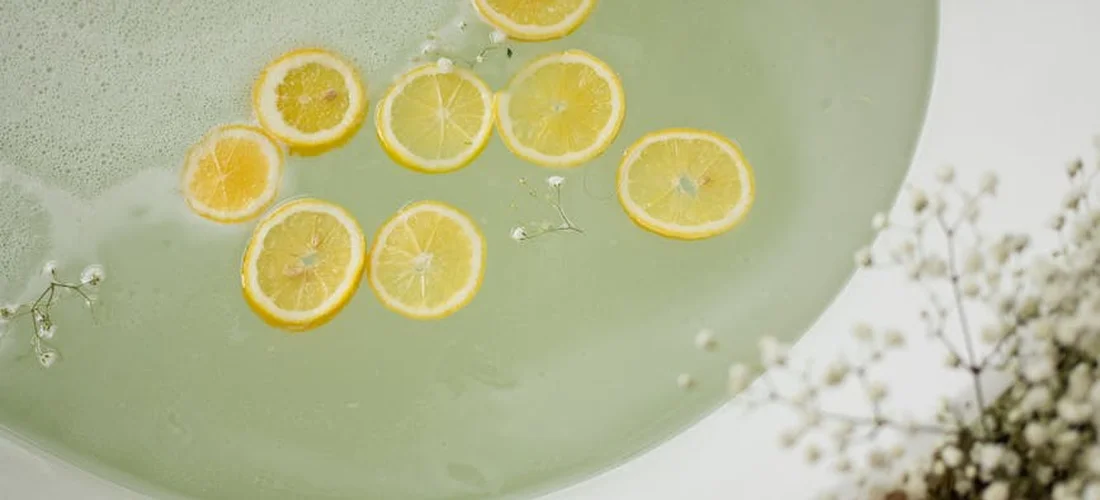
That pre-soak shower is your secret weapon, but ditch the soap. A vigorous, sixty-second rinse with plain water is all you need to wash away the day’s sweat, sunscreen, and body lotions that cloud water and breed foam. That quick rinse also helps curb the musty chemical smell that can creep into hot tub water. Get ahead of odor by keeping the water pristine from the start. I’ve balanced water in hundreds of tubs, and this one habit prevents more chemistry headaches than any magic potion.
Think of your skin like a sponge; you want to wring out the contaminants before you get in. Entering the tub “clean” means free of products, not squeaky-clean from soap. Your circulation pump and heater will thank you for less gunk to fight, especially if you’re avoiding common hot tub cleaning mistakes.
Be ruthless about what stays poolside. Here is your absolute banned list:
- Body Wash or Bar Soap: These create suds that can fill your tub like a bubble bath gone wrong.
- Shampoo and Conditioner: They leave silicone and oil residues that cling to pipes and filter pleats.
- Heavily Perfumed Oils or Bath Salts: The fragrances and carriers form a greasy film on the water’s surface.
Your laundry habits matter, too. Always store your dry towels and robes in a spot well away from the tub to prevent stray detergent powders or liquids from drifting into the water. I learned this the hard way after tracing a foamy outbreak to a laundry vent nearby.
Make it easy on yourself. I keep a cheap garden hose with a spray nozzle hooked up near my tub for a fast, soap-free pre-soak rinse-it’s a game-changer for convenience and compliance. No more running through the house dripping wet.
The Skimmer Trick and Regular Maintenance
Some oils will always get past you. Your skimmer basket isn’t just for leaves; it’s your active defense station for capturing oils before they spread. Drop a disposable scum sponge or a mesh bag filled with activated carbon right into it.
This setup acts like a magnet for the lotions and body oils that cause that ring around the tub. Swap the sponge or refresh the carbon every week to keep it working at peak absorption. It’s a cheap fix that saves you money on clarifiers and extra sanitizer.
Your filter is the heart of clean water. Rinsing it with a hose every single week is non-negotiable, like checking your car’s tire pressure. For a monthly deep clean, soak it overnight in a solution of one part white vinegar to four parts water to dissolve scale and oils. Neglect this, and you’ll hear the hum of the pump straining while your heating costs climb. Also, the filter itself should be changed on a regular schedule to keep water fresh. How often to change it depends on usage and water quality.
What to Use Instead: Safe Soaps and Hot Tub Hygiene
Let’s be clear: there is no soap that is safe to use in the hot tub water itself. The very chemistry of soap-designed to bind to oils and rinse away-is fundamentally at odds with the stable, sanitized environment your tub needs. Marketing for “hot tub soap” is misleading at best, and no natural or alternative options are truly safe either.
Your best bet is that plain water rinse. If you must use soap, take a brief shower with a mild, unscented glycerin bar soap at least an hour before you plan to soak, ensuring a thorough rinse. This gives any faint residue time to dissipate from your skin.
After you soak, the hygiene focus shifts. Always rinse off with fresh water post-soak to remove any balanced sanitizer or minerals from your skin, preventing dryness or irritation. It’s a good practice that protects both you and the water balance.
The golden rule is this: the hot tub is for soaking and relaxing, not for washing; keep the actual cleaning for your indoor shower. Embracing this mindset keeps your water clear, your system efficient, and your maintenance simple — one of the essential aspects to keep hot tubs sanitary and safe.
FAQs
Can I put a special “hot tub soap” in the skimmer to keep the water clean?
No, you should never put any form of soap, even those marketed for spas, into your skimmer or water. Soap introduces surfactants that destroy water balance and create foam. Your skimmer is designed for debris and, with additives, for capturing oils via absorptive products like scum sponges-not for detergent-based cleaners.
We got body wash in the water. How long will the bubbles and foam last?
The foam will persist until the soap surfactants are physically removed. Using a defoamer is a temporary fix that collapses bubbles for a short time, but the underlying contamination remains. The only permanent solution is to fully drain, scrub the shell, clean the filter, and refill with fresh water.
Are the bubbles from soap or body wash actually dangerous?
Yes, they signal a real problem. The bubbles mean your sanitizer is being rapidly consumed to fight the soap, leaving the water vulnerable to bacteria. Furthermore, the soap scum can harbor biofilm in the plumbing, and the slippery residue on decks and tub surfaces creates a significant fall hazard.
Is any soap safe to use right before getting into a hot tub?
No soap is safe to use immediately before entering. All soaps and body washes leave a residue on your skin. The best practice is a thorough, soap-free rinse with plain water for at least 60 seconds before you soak to remove lotions, sweat, and dirt without adding surfactants.
Does living in an area like Oakland with hard water change the soap risk?
Yes, it can intensify the problem. Hard water contains high levels of calcium and magnesium. Soap surfactants bind with these minerals to form “soap scum,” leading to more severe cloudiness, scaling on the heater, and a more persistent scum line, making the cleanup process even more critical.
The Pre-Soak Inspection
Before you celebrate your foam-free victory, power on those jets for a final ten-minute cycle with fresh water in the tub. I’ve repaired pumps clogged with waxy residue from body wash that seemed “all gone” after a drain. This last jet run flushes any lingering surfactants from the plumbing, ensuring your first clean soak is truly clean. Listen for the steady hum of the circulation pump-it should sound smooth, not strained.
The single most effective habit to keep soap scum and suds out of your water is simple and non-negotiable. Mandate a quick, soap-free rinse for every person and every swimsuit before entering the hot tub; think of it as a two-minute “dirt shed” under the shower. This removes salts, oils, and lotions without introducing the phosphates and perfumes that wreak havoc on your water balance and filter pores. It’s a foundational step in safe and effective hot tub use.
You’ve restored order from a bubbly chaos. Consistent, simple routines protect your investment and your relaxation time. Now, go enjoy that first clear, silky soak-you’ve earned it.
Further Reading & Sources
- Soaps and Detergents Can Harm Your Hot Tub – Learning Center
- How to Use Soda Ash to Remove Bubbles from Pools
- 6 “Don’ts” of Hot Tub Use | Jacuzzi.com | Jacuzzi®
- How to Remove Soap Scum from Your Hot Tub Easily – AquaDoc
- Someone recognize this soapy looking residue on tub water surface? | Trouble Free Pool
- r/hottub on Reddit: Can I use dish soap to clean the empty hot tub?
Charlie is a hot tub enthusiast with a passion for keeping your jets running smooth and your bubbles bursting with joy. With years of experience in hot tub and jacuzzi maintenance, Charlie knows that a happy tub means a happy you. Whether it’s dealing with stubborn filters or giving your spa a little TLC, Charlie’s here to share expert tips, tricks, and plenty of laughs to help you keep your bubbly retreat in tip-top shape. So, kick back, relax, and let Charlie handle the rest — because no one likes a cranky jacuzzi!
Regular Cleaning