
How to Plan Your Basement Hot Tub Installation in 3 Critical Steps
If you’re measuring your basement floor and dreaming of jets, but a nagging voice is asking about floor drains and vapor barriers, you’ve found the right guide. This isn’t a simple patio drop-in; a basement install is a major project that demands specific planning for moisture, structure, and access. Ignoring these details isn’t just a nuisance-it can lead to catastrophic moisture damage, failed equipment, and expensive repairs.
What You Need:
- A reliable moisture meter
- Honest assessment of your staircase and doorways
- A floor drain and a backup sump pump
- 30 minutes for a thorough site inspection
We will get your hot tub safely into the basement and running without a single call to a general contractor.
Is Your Basement Ready for a Hot Tub?
That basement space might look perfect, but moving a tub down there is a physical puzzle. From my years on service calls, the most common installation headache isn’t the wiring-it’s realizing the tub won’t fit through the door after it’s delivered. You need a mechanic’s approach: measure twice, calculate once, and inspect everything.
Grab your tape measure and notepad. Here are your non-negotiable pre-checks:
- Access Route: Measure the width of every doorway, staircase, and hallway corner. Remember, the tub shell is a rigid box. Many basement installs require removing a basement window frame or opting for a model built in-place.
- Floor Load Capacity: This is structural. A typical 4-person tub holds about 400 gallons; water alone weighs over 3,300 pounds. Add the shell, people, and equipment. Use an online load calculator, but know that most basement floors need a reinforced concrete slab rated for at least 100 pounds per square foot.
- Ceiling Height: Account for steam and your own reach. You need ample clearance above the tub-I recommend at least 18 inches-for vapor to disperse and for you to comfortably access the equipment bay for repairs.
Now, get on your knees and examine the floor. A level, stable, and crack-free concrete slab is your only acceptable foundation; anything less risks stress fractures and leaks. For a hot tub, the base must meet specific thickness and size requirements and be installed correctly. This ensures a solid setup and helps prevent leaks and movement. Run your hand over the surface on a humid day. Feel for dampness or see efflorescence? That’s a red flag for moisture intrusion that will attack your tub’s underside and controls.
Navigating Permits and Building Codes
Thinking of skipping the permit? Let me tell you, that’s a gamble with very bad odds. An unpermitted installation can void your home insurance and become a massive hurdle when you sell your house. Local codes exist for your safety, and inspectors are your allies in getting it right the first time.
Your local building department will have a checklist, but these are the universal requirements:
- GFCI Electrical Protection: This is non-negotiable. Your hot tub must be on a dedicated circuit protected by a Ground Fault Circuit Interrupter. This device senses current leaks and shuts off power in milliseconds to prevent electrocution.
- Dedicated Circuit Specifications: Most tubs require a 240-volt, 50-amp circuit. You cannot share this line with any other appliance. The wire gauge (usually 6 AWG copper) and conduit type are specified by code.
- Plumbing Venting: Indoor installations need mechanical ventilation to exhaust humid air and chemical vapors. A simple bathroom fan won’t cut it; you’ll need a dedicated vent fan rated for moist air exchange.
- Egress Rules: There must be a clear, unobstructed path to exit the room. This isn’t just about fires; it’s about safe access in a slip or medical emergency.
Researching regulations is straightforward. Your first stop should always be a phone call or visit to your city or county building department; they provide the specific packet for residential spa permits. Schedule your rough-in electrical inspection before you close up any walls, and a final inspection once everything is connected and operational.
Key Safety Codes You Can’t Ignore
These aren’t guidelines-they are the engineered rules that keep you safe. The National Electrical Code (NEC) Article 680 governs all pool and spa installations, including your basement tub. Knowing local electrical code requirements for hot tubs is crucial, as your basement tub falls squarely under its jurisdiction. Ignorance won’t fly with an inspector, and it shouldn’t fly with you.
- Electrical Code (NEC 680): All wiring within 5 feet of the tub must be rated for wet locations. The disconnect switch must be easily visible, at least 5 feet away from the water’s edge, and readily accessible. No overhead wiring is permitted above the tub.
- Structural Load Ratings: Your basement floor’s live load capacity must be professionally verified. The combined weight of the tub, water, and users is a static load, but getting in and out creates dynamic force. Many codes require a safety factor of 1.5 times the total calculated weight.
- Barrier Requirements: If the basement is accessible to children or is not a private space, codes often mandate a locking safety cover or a physical barrier, like a gate, to prevent unsupervised access. This is a critical layer of protection.
Reinforcing Structure and Managing Moisture
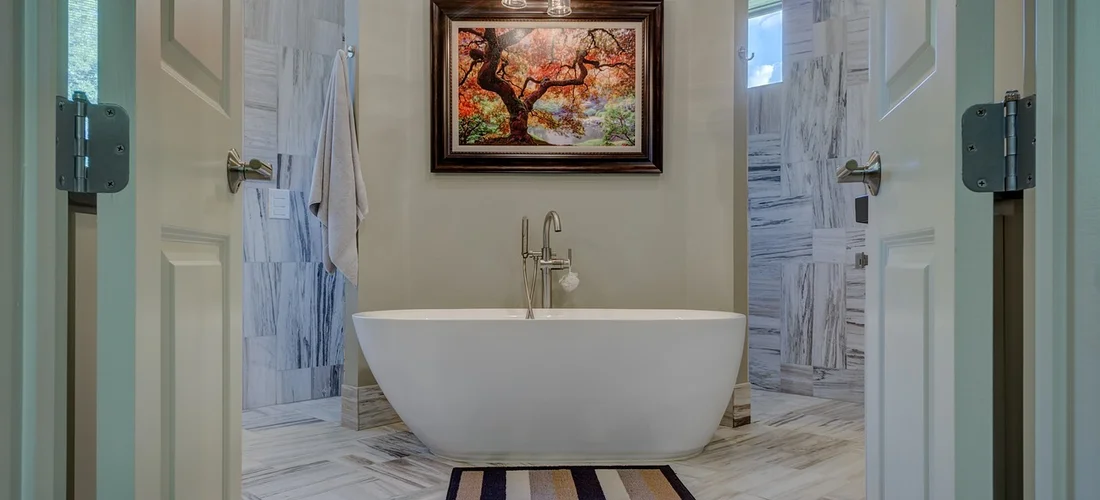
That soothing hum of the jets is a terrible soundtrack for a cracking floor joist. Before a single drop of water hits the tub, you must ensure your basement’s bones can handle the immense, concentrated weight. A full tub can easily weigh over 3,000 pounds, and that load sits on four small feet.
My first rule is to never guess about your floor’s strength; consult a structural engineer or experienced contractor to assess your specific joist span, size, and spacing. If reinforcement is needed, here’s the typical playbook.
Flooring and Load-Bearing Upgrades
Think of this as building a mini-foundation for your mini-ocean. You’re creating a platform that manages weight, blocks moisture, and shrugs off spills.
- Assess & Reinforce: Common upgrades include “sistering” new joists alongside the old ones with construction adhesive and 3/4-inch lag bolts or adding a supporting beam and posts on a proper concrete footing.
- Install a Subfloor: Over the joists, lay a thick, exterior-grade plywood subfloor (at least 3/4 inch). I seal the entire top, bottom, and edges with two coats of an epoxy or polyurethane sealant to block vapor from below.
- Choose Your Surface: Your top flooring must be a fortress against water.
- Porcelain Tile: My top pick. It’s impervious, durable, and cool underfoot. Use a waterproof mortar and grout sealed annually.
- Luxury Vinyl Plank (LVP): A fantastic, warmer-feeling option if it’s a 100% waterproof core variety with tight click-lock seams. Ensure it’s rated for below-grade installation.
- Sealed Concrete: If your slab is in great shape, grinding and applying a penetrating concrete sealer works. It’s hard on the feet but supremely practical.
Never install a hot tub directly on carpet, laminate, or any engineered wood-the constant moisture vapor will destroy them from within, creating a mold factory.
Controlling Humidity and Ventilation
A hot tub evaporates gallons of water weekly. In a confined basement, that humid air will cling to every cold surface, causing condensation, mold on walls, and rapid corrosion on your tub’s control panel and pump connections. Understanding water displacement in a hot tub helps you manage evaporation. Learning how to control that displacement can reduce humidity and corrosion.
You need a three-part system:
- Dehumidifier: This is non-negotiable. Get a high-capacity, energy-efficient model with a built-in humidistat and a continuous drain hose running to your floor drain. Set it to maintain 45-50% relative humidity.
- Exhaust Fan: Install a quiet, in-line exhaust fan in the ceiling to vent moist air directly outside during and for 30 minutes after each use. Calculate the CFM (cubic feet per minute) needed for your room’s size.
- Humidity Gauge: Mount a simple digital hygrometer on the wall opposite the tub. It’s your dashboard for the room’s climate; check it daily until you learn your equipment’s rhythm.
From bitter experience, I can tell you that the cost of a good dehumidifier is a fraction of repairing water-damaged drywall or a rusted-out spa pack.
Electrical and Plumbing Installation
This is where DIY enthusiasm must yield to professional expertise. Working with 240-volt electricity near water is a lethal combination if you’re not fully qualified.
Hire a licensed electrician familiar with the National Electrical Code (NEC) and local codes for outdoor-indoor installations. They will handle the critical details: pulling the correct permit, installing a dedicated 240V, 50-amp GFCI-protected circuit from your main panel, and using the right wire gauge (like 6 AWG copper in conduit).
For plumbing, you’re not connecting the tub to your home’s pipes, but you need a plan for filling and draining. Run a dedicated 3/4-inch PEX water line with a shut-off valve to the tub area for easy filling. More critical is the drain.
GFCI Outlet and Circuit Setup
Your electrician will install this, but you must verify it. The GFCI (Ground Fault Circuit Interrupter) is your lifesaver-it cuts power in milliseconds if it detects any current leakage. Ensure it’s a weatherproof model and test it monthly using the ‘TEST’ button. Before the tub is connected, the electrician should perform a final test with a specialized outlet tester to confirm correct wiring and ground.
I once saw a GFCI that was wired incorrectly and provided zero protection; that silent failure is why a professional’s final verification is worth every penny.
Water Supply and Drainage System
Filling with a garden hose dragged down the stairs gets old fast. A permanent cold water supply line is a luxury that becomes a necessity. Install a vacuum breaker or air gap on the line to absolutely prevent any chance of backflow contaminating your home’s drinking water.
Your drainage plan is paramount. You need a floor drain rated for high-volume flow within the spill zone of the tub. When you drain the 400+ gallons (which you’ll do every 3-4 months), the water needs a direct, sloped path to that drain. I often install a secondary, grated channel drain between the tub pad and the main drain as a backup. Use flexible, sump-pump style hose to direct the water from the tub’s drain valve straight into the floor drain. This plan also aligns with hot tub drainage requirements for managing water runoff. Proper routing protects foundations, paving, and landscaping during regular drain cycles.
Planning your drainage is the best defense against a frantic, soggy scramble with a shop vac when you need to empty the tub for servicing.
The Installation Day: Step-by-Step Setup
-
Moving a hot tub downstairs is like a strategic puzzle. I’ve helped maneuver more than a few through narrow doorways. First, walk the entire path from driveway to basement. Measure every turn and stairwell width against the tub’s dimensions. Clear all obstacles, and lay down moving blankets on walls and railings. A furniture dolly with stair-climbing capabilities is not a luxury; it’s your best friend for preventing back strain and wall damage. If you’re planning to move the hot tub across your yard to a new home, map an exterior route that’s level and clear. Enlist help and protect surfaces to avoid scrapes and damage.
-
Once in place, do not skip the leveling. An unlevel tub strains the pump and can cause mysterious leaks later. Place a long carpenter’s level across the middle of the empty shell. Use composite shims, not wood, to adjust under the base-they won’t rot. Take your time here; a perfectly flat base ensures even water flow and protects your investment from mechanical stress.
-
Here’s where my technician side takes over. For power, this is strictly a licensed electrician’s job for a dedicated 240V GFCI line. For water, use braided stainless steel flex lines for the final connection to your home’s plumbing, and hand-tighten plus a quarter-turn with a wrench. Before you celebrate, double-check every union and valve with a dry paper towel; a single pin-drop leak behind the panel can lead to major humidity issues.
-
Fill time! Always use a hose pre-filter to keep metals and sediment out. As it fills, listen for the steady hum of the circulation pump kicking in. For the initial balance, aim for these targets: Alkalinity at 80-120 ppm, pH between 7.4 and 7.6, and your sanitizer-like chlorine-at 3-5 ppm. Getting this right from the first fill prevents a frustrating battle with cloudiness or scaling down the road.
Basement-Specific Maintenance and Care
-
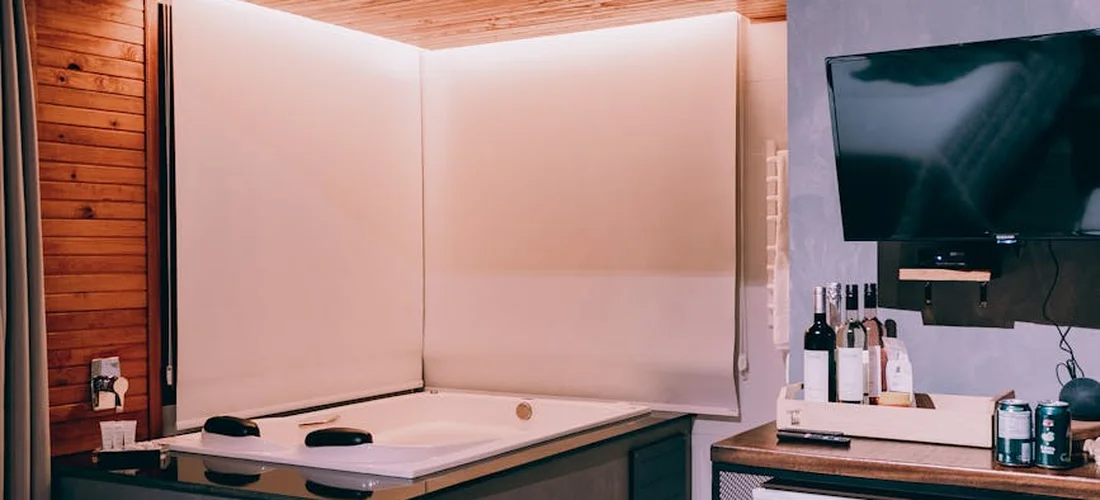
Your basement tub faces a different enemy: the air itself. The enclosed space traps humidity and chemical vapors. You’ll need a dehumidifier running consistently to pull moisture from the air. Ventilation is non-negotiable; crack a window or use a bathroom fan during and after soaks to clear that chlorine sting from the room. Inspect nearby walls and corners weekly for any early signs of mold or mildew.
-
Your weekly routine needs extra steps. Here’s a quick checklist: Test water chemistry with a drip kit (test strips lie), rinse your filter with a hose every two weeks, and physically feel the pump and pipes for condensation buildup. A dry equipment compartment is a happy one; wipe down any moisture you find immediately to prevent rust and electrical issues.
Humidity and Mold Prevention Strategy
-
Action is your best defense. Place a hygrometer near the tub; keep relative humidity below 50%. Use moisture-absorbing products like calcium chloride buckets in the room’s corners. Ensure at least six inches of clear air space around the hot tub’s equipment door for proper airflow, which stops stagnant, damp pockets from forming. These steps are practical ways to avoid the most common hot tub problems. Staying proactive with humidity control and proper airflow keeps things running smoothly. I run a small oscillating fan in my basement utility room year-round for this very reason.
Chemical Balance in an Enclosed Space
-
Stagnant basement air changes the game. Chlorine off-gasses faster in still air, leading to a sanitizer drop that lets bacteria bloom. pH can also drift more easily. I often recommend bromine as a sanitizer here; it’s more stable in heat and has slower off-gassing, making it kinder to enclosed spaces. Plan to test your water every other day at first. You might find you need to add oxidizer shock more frequently to keep the water crisp and safe.
Budgeting for Your Project and Hiring Help
Let’s talk dollars and sense. Installing a hot tub downstairs is a fantastic idea, but the price tag stretches far beyond the spa’s showroom cost. Based on my time fixing pumps and balancing water, a realistic budget now prevents the headache of emergency repairs later, where a simple leak can turn into a major mold issue. You need to plan for the tub, the bones of your house, and the brains to put it all together. It’s no surprise that hidden costs of hot tub ownership can add up quickly.
Here’s a breakdown of where your money will go, from big hits to ongoing drips:
- Hot Tub Purchase: This is your anchor cost, ranging from $4,000 for a modest three-seater to $15,000+ for a luxury model. Remember, larger tubs hold more water, which directly impacts your heating bill and chemical use.
- Structural Upgrades: A full tub is incredibly heavy. You must ensure your basement floor can support at least 150 pounds per square foot. I’ve seen concrete pads crack under the strain. Hiring a structural engineer for an assessment ($300-$500) is cheaper than repairing a failed floor.
- Electrical and Plumbing Work: Most tubs require a dedicated 240V, 50-amp GFCI circuit-a job for a licensed electrician only. Plumbing might need a floor drain or water supply line. Budget $1,500 to $3,000 for professional installation here.
- Permit Fees: Local building permits for electrical, plumbing, and structural work are not optional. Fees vary but typically run $100 to $500. Skipping this can invalidate your home insurance.
- Ongoing Maintenance Supplies: Factor in weekly chemicals (chlorine/bromine, pH increaser/decreaser), quarterly filter replacements (a good 50-micron cartridge costs about $50), and the energy to heat the water. Keeping your water balanced between 7.4 and 7.6 pH and 3-5 ppm sanitizer makes everything run efficiently and prevents that harsh chemical sting.
Knowing which tasks you can safely DIY and when to wave the white flag for a pro will save your wallet and your sanity. The trick is weighing DIY feasibility against professional help for maintenance tasks. A concise DIY vs pro guide will follow in the next step.
Tackle these tasks yourself if you’re handy:
- Waterproofing & Vapor Barriers: Applying a thick epoxy sealant to the floor or installing a polyethylene moisture barrier on walls is straightforward. I’ve done this to combat basement dampness, and it makes a world of difference for air quality.
- Site Preparation: Clearing the area, assembling a pre-fab reinforced pad, or building a simple frame with pressure-treated lumber are all within a DIYer’s scope.
- Post-Installation Care: Testing water, cleaning filters with a hose, and adding chemicals are your new routine. I keep my test kit right on a shelf nearby for quick checks.
Never hesitate to hire a professional for these jobs:
- Any Electrical Work: The hum of a circulation pump is soothing; the buzz of a live wire is dangerous. This is not a place for experimentation.
- Major Structural Modifications: Pouring new concrete footings or installing support beams requires engineering knowledge and proper tools.
- Complex Plumbing Runs: If you need to tie into existing drain lines or run new copper or PVC supply pipes, a licensed plumber ensures leaks won’t haunt you. Using the wrong PVC cement or fit can lead to a slow, costly drip behind your walls.
When you hire, be a savvy consumer. Ask every contractor these key questions:
- Are you licensed, bonded, and insured specifically for this work in my municipality?
- Can you provide three local references for similar basement installations?
- Will you obtain all required permits, and is that fee included in your written estimate?
- What is your projected timeline, and how do you handle unforeseen complications or delays?
- What warranty do you provide on both labor and materials?
Common Questions
Is special ventilation really necessary, or will a bathroom fan suffice?
A standard bathroom fan is insufficient. A hot tub evaporates gallons of water weekly, producing far more moisture and chemical vapors than a shower. You need a dedicated, high-capacity in-line exhaust fan vented directly outside to actively exchange the entire room’s air. This works in tandem with a dehumidifier to prevent structural damage and mold.
What is the best type of flooring to install under a basement hot tub?
The ideal flooring is impervious, slip-resistant, and seamless. Porcelain tile with waterproof mortar is the top choice. Waterproof Luxury Vinyl Plank (LVP) or a professionally sealed concrete slab are also excellent. Avoid carpet, laminate, or engineered wood, as trapped moisture will destroy them and create mold hazards.
Are some hot tub models better suited for basement installation than others?
Yes. Key considerations include:
- Access: Models designed for “slim-line” dimensions or that can be assembled in-place are best for narrow stairwells.
- Venting: Tubs with well-sealed, insulated cabinets help contain heat and moisture around the equipment.
- Efficiency: A well-insulated model reduces the heat and moisture released into the room, easing the load on your dehumidifier.
How do I choose the right size dehumidifier for my basement hot tub room?
Calculate the room’s cubic footage (length x width x height) and select a unit rated for that space. For basement hot tub rooms, it’s wise to choose a model with a capacity 10-20% above the calculated need to handle the extra moisture load. Look for an energy-efficient unit with a built-in humidistat and a continuous drain option. To nail the right fit, consult our size hot tub dimensions and capacity guide. It helps you decide whether your space supports a compact model or a larger unit.
Does a basement installation change my regular hot tub maintenance routine?
Absolutely. You must be more vigilant about humidity control and air quality. Water chemistry requires more frequent testing (every other day initially) as sanitizer can off-gas faster in stagnant air. Using a more stable sanitizer like bromine is often recommended, and you must regularly inspect walls and the equipment compartment for condensation or mold.
The 7-Day Shakedown
Before you slide into that first glorious soak, there’s one final protocol. Run all the jets and air blowers on high for a full cycle. Listen for the healthy hum of the pumps and watch for any new, tiny drips from fittings you just touched. Test your water one last time-feel for that slight, slick sanitizer presence and look for perfect, brilliant clarity. This final operational check is your last line of defense against a wet surprise or a chemistry mishap once you’re committed to relaxation.
From my time servicing tubs in finished basements, I learned one universal truth. Stagnant, humid air is your new enemy. Run your hot tub’s air blower for 10 minutes after each use and crack a window or run a dehumidifier; this simple air exchange prevents that damp basement smell and wards off moisture damage to your ceiling and walls better than any magic potion.
You’ve navigated the weight, the wiring, and the water balancing. The hard part is over. Now, go enjoy that deeply satisfying, basement-quiet soak you’ve earned.
Further Reading & Sources
- SHOULD I PUT A HOT TUB IN A BASEMENT? – Hot Spring Spas
- How to Safely Install a Hot Tub in Your Basement or Garage | Prairie Electric
- Can You Put a Hot Tub in Your Basement?
- Can You Put A Hot Tub In Your Basement? | Angi
- Basements with Hot Tubs, Pools, Saunas, or Steam Rooms
- THE BENEFITS OF AN INDOOR BASEMENT HOT TUB INSTALLATION
Charlie is a hot tub enthusiast with a passion for keeping your jets running smooth and your bubbles bursting with joy. With years of experience in hot tub and jacuzzi maintenance, Charlie knows that a happy tub means a happy you. Whether it’s dealing with stubborn filters or giving your spa a little TLC, Charlie’s here to share expert tips, tricks, and plenty of laughs to help you keep your bubbly retreat in tip-top shape. So, kick back, relax, and let Charlie handle the rest — because no one likes a cranky jacuzzi!
Outdoor Setup