
Stop Seasonal Hot Tub Hassles: How to Balance Your Water Year-Round
If your water turns hazy in summer heat or your skin stings after a winter soak, rapid temperature changes are destabilizing your chemical levels. This isn’t a dangerous electrical fault, but a costly nuisance that damages heaters and filters if ignored.
What You Need:
- Fresh test strips or a liquid test kit
- pH increaser and decreaser
- Alkalinity Up product
- Your preferred sanitizer
- 15 minutes every few weeks
I’ll show you exactly how to fix this yourself and keep it fixed, saving you the $150 service call.
The Non-Negotiables: Understanding Water Balance Basics
Balancing your hot tub isn’t just about adding chlorine; it’s managing a delicate, warm, living system. Think of it like baking: you need the right amounts of foundational ingredients before the final touch. The core parameters are your recipe for proper hot tub water chemistry.
Get these five elements in harmony, and your water will be comfortable, clear, and gentle on your equipment.
- pH: Measures how acidic or basic your water is. This is the most sensitive factor.
- Total Alkalinity (TA): Acts as a buffer, preventing wild pH swings. It’s pH’s stability guard.
- Calcium Hardness: The amount of dissolved calcium. Too little and your water becomes “hungry,” seeking minerals from your heater and shell.
- Sanitizer Level (Chlorine/Bromine): The germ-fighting agent that keeps the water safe.
- Stabilizer (Cyanuric Acid or CYA): Acts like sunscreen for chlorine, slowing its burn-off from the sun’s UV rays.
| Parameter | Ideal Range for Hot Tubs |
|---|---|
| pH | 7.4 – 7.6 |
| Total Alkalinity | 80 – 120 ppm |
| Calcium Hardness | 150 – 250 ppm |
| Free Chlorine | 3 – 5 ppm |
| Bromine | 4 – 6 ppm |
| Stabilizer (CYA) | 30 – 50 ppm |
Temperature isn’t just about comfort; it’s a chemical accelerator. Warmer water dramatically increases the speed of every chemical reaction, causing sanitizer to vanish faster and scale to form more readily on hot surfaces. I’ve seen a perfectly balanced tub on a Tuesday turn cloudy by Friday once the summer heatwave hit, all because the chlorine was being consumed at double its normal rate.
Ignore this balance at your own peril. Low pH and alkalinity create corrosive water that can pit your heater and damage seals. High pH leads to scale, that chalky ring and cloudy water. Incorrect calcium levels cause either foamy, irritable water or crusty, clogged plumbing.
pH and Alkalinity: The Foundation
You must adjust Total Alkalinity before you touch pH. TA is the foundation; get it right and pH becomes much easier to manage. If TA is low (below 80 ppm), add an alkalinity increaser (sodium bicarbonate). If it’s high (above 120 ppm), use a decreaser (sodium bisulfate).
Always dissolve dry chemicals in a bucket of tub water first, then pour it slowly into the filter compartment with the jets running. This prevents granules from settling and damaging the shell.
Once TA is stable between 80-100 ppm, check pH. Use pH increaser (soda ash) or decreaser as needed. Remember this: running your air blowers or jets with the air valves open introduces aeration, which naturally drives pH up. This is a huge factor in the summer when you’re using those features more often.
Calcium Hardness: The Protector
This one is often overlooked until you see white flakes or foam. Test your fill water first-if you live in a hard water area, you’re starting with a head start. Hot tubs need a higher range (150-250 ppm) than pools because our water is hotter and evaporates more, concentrating minerals. Understanding calcium and magnesium levels is crucial for maintaining a balanced hot tub environment.
Low calcium makes water “aggressive;” it will literally leach calcium from your heater element and plaster surfaces, leading to costly corrosion. Use a calcium hardness increaser to fix it. If your water is very hard, you might need to pre-soften your fill water or use a scale inhibitor to prevent crusty buildup on the heater.
Spring Startup: Rebalancing After Winter Dormancy
Opening the tub after winter is a ritual. That first whiff of stale, dormant water tells you the job ahead. Start by giving your cover a good wipe down and inspection-spring is the time to treat the vinyl. Pull and deep-clean your filter with a proper filter cleaner solution; a quick rinse won’t remove the winter’s biofilm.
A clean filter is non-negotiable for clear water and efficient chemical distribution, so don’t skip the overnight soak. After refilling, test everything immediately: pH, TA, Calcium, and your sanitizer level (which will be zero). If you suspect a clog, a clear clogged hot tub filter chemical soak is the next logical step to loosen debris. This helps restore flow and prepare the filter for a thorough rinse.
You must shock the water heavily with a non-chlorine oxidizer or chlorine shock. This burns through the organic contaminants that settled over the winter. Also, account for spring rains, which dilute your chemical levels; you may need slightly heavier doses until the weather stabilizes.
Post-Winter Chemical Adjustment Sequence
Follow this order. Rushing and adding everything at once will waste chemicals and give you unreliable results.
- Test with a reliable strip or liquid kit. I prefer liquid kits for accuracy, especially after a long shutdown.
- Balance total alkalinity to 80-100 ppm. Get this right first-it sets the stage.
- Adjust pH to 7.4-7.6. With TA in range, this should be a minor tweak.
- Set calcium hardness to 150-250 ppm. Protect your equipment from the start.
- Add your primary sanitizer and then shock oxidize. Circulate the water well.
- Run the jets for a full cycle and retest after 24 hours. Fine-tune from there.
Patience here saves you a week of fighting cloudy water-let the chemicals work and circulate fully before you make your second round of adjustments.
Summer Survival: Keeping Sanitizer Active in the Heat

Summer sun and frequent soaks create a perfect storm for sanitizer loss that I’ve measured firsthand with my test kit. The triple threat of high bather load, intense UV rays, and rapid evaporation can deplete chlorine or bromine before you finish your swimsuit.
- Sanitizer vanishes quickly under heavy use and sun. Each swimmer introduces oils and organics, while UV radiation breaks down chlorine molecules-I’ve seen levels plummet from 5 ppm to near zero after a sunny afternoon party.
- Use cyanuric acid (CYA) as a stabilizer for chlorine tubs, but keep it under 50 ppm. Think of CYA as chlorine’s sunscreen; it shields it from UV rays, but too much makes the sanitizer sluggish and ineffective.
- Spot low sanitizer by looking for cloudy water, green algae spots, or a sharp, unpleasant odor. That stinging smell isn’t “too much” chlorine-it’s chloramines, meaning your sanitizer is exhausted and needs a shock.
Managing Evaporation and Top-Ups
Evaporation concentrates your chemicals, throwing your careful balance into chaos with every gallon lost. I test my water twice a week in summer to catch these shifts before they become problems.
- Test water chemistry frequently-aim for twice a week during peak season. A quick dip of a test strip tells you more than guessing and prevents costly chemical corrections later.
- Always use pre-filtered water for top-ups to avoid adding metals or calcium. After adding water, retest your pH and alkalinity, as new water dilutes everything and requires rebalancing.
- A floating blanket is a cheap hero for cutting evaporation and heat loss by up to 50%. This simple foam cover reduces your heater’s workload and keeps your sanitizer from degrading too fast.
Autumn Adjustments: Slowing Down for Cooler Nights
Cooler autumn air means your water holds sanitizer longer, letting you relax the dosing schedule a bit. I often cut my chlorine additions by half as the nights get crisper here in Dallas.
- Reduce sanitizer dosage frequency as temperatures drop. With slower chemical reactions, you might only need to add chlorine once or twice a week instead of daily.
- Check and clean your spa cover seal to keep out leaves and debris. A damp cloth with mild soap removes grime that can otherwise wash into your tub and affect the pH.
- Prepare for less use by programming shorter filter cycles if your tub allows it. Reducing pump run time from 8 hours to 6 daily saves energy without sacrificing water clarity.
Preventing Scale and Corrosion
Autumn is the time to fortify your water against silent damage like scale and corrosion, which I’ve repaired on many heater elements. A simple hardness test can save you a huge repair bill.
- Test and adjust calcium hardness to 150-250 ppm to protect your heater from corrosion. Low calcium makes water aggressive, literally eating away at metal parts over time.
- Use a sequestering agent if minerals cause cloudiness after top-ups. These chemicals bind to calcium and magnesium, keeping them dissolved so they don’t cloud your water or clog filters.
Winter Vigilance: Maintaining Chemistry in the Cold
Winter water chemistry moves at a glacial pace, requiring patience and consistent testing even when the tub sits unused. I still test weekly in freezing weather because problems develop slowly but surely. Weather changes—especially temperature swings and evaporation—can nudge chemistry off balance. That’s why weather-related shifts matter for winter testing.
- Chemical reactions slow dramatically in cold water, so allow extra time after adding chemicals before retesting. That chlorine granule might take an hour to fully dissolve and register, not 15 minutes.
- Test at least weekly, regardless of use, to monitor for pH drift or sanitizer drop. Infrequent testing in winter is the top reason I get called for cloudy water emergencies.
- Prevent freezing by ensuring your heater works and considering a thermal blanket under the main cover. The low hum of a functioning heater is your best friend; a silent pump in sub-zero weather can mean a cracked housing.
Balancing for Cold Water Clarity
Clear winter water is a triumph of circulation and oxidation, not just chemistry. I shock my tub more often in cold months to compensate for the sluggish oxidation process.
- Shock with a non-chlorine oxidizer weekly to break down contaminants without raising chlorine too high. This avoids “sanitizer lock” where high chlorine levels stop working effectively in the cold.
- Monitor pH carefully, as reduced aeration from a closed cover can let carbon dioxide build up and lower pH. Aim for 7.4 to 7.6 to prevent equipment corrosion or scaling.
- Clean your filter monthly to maintain flow, as poor circulation is a prime cause of cloudy cold water. A clogged 50-micron filter restricts the flow that keeps water mixing and chemicals distributed.
Dosage Adjustments in Freezing Conditions
Dosing chemicals in freezing weather is a delicate dance-a little more does help, but too much causes lasting problems. I use a measured spoon every time, never a rough pour.
- Increase sanitizer levels slightly to the high end of the range (like 4-5 ppm for chlorine) to account for slower oxidation. The cold reduces sanitizer’s ability to burn off organics quickly.
- Never over-treat; always use measured amounts based on current test results, not guesswork. Excess chemicals won’t “burn off” fast in the cold and can damage seals and cause skin irritation.
Your Testing Toolkit: Strips, Kits, and Calculators
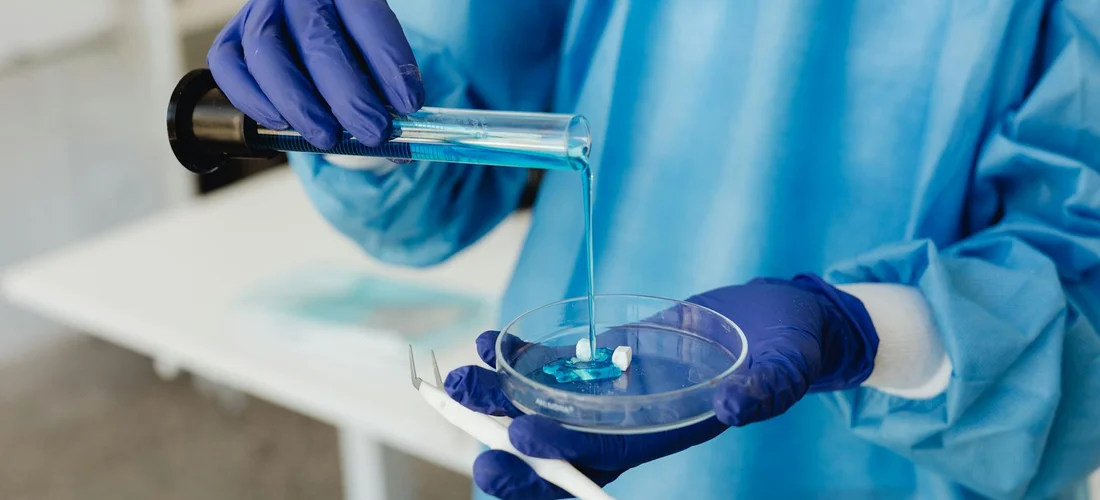
Knowing your numbers is the first step to control. You wouldn’t bake a cake without measuring cups, and you can’t balance water without reliable testing. Your two main choices are test strips and liquid reagent kits, and each has its place in my toolkit.
Dip-and-read test strips are the fast food of water testing—incredibly convenient but not always the most nutritious data. I keep a bottle in my supply caddy for a daily or every-other-day glance. They’re perfect for checking that your sanitizer hasn’t crashed overnight. Their downside is subjectivity; matching colors in shifting outdoor light can be tricky, and they’re less precise for critical alkalinity and calcium readings. For more accurate readings, especially when it comes to testing your hot tub water, consider using a reliable test kit.
Liquid test kits, like the Taylor K-2006, are your laboratory grade instruments for when you need surgical precision. I use mine every week without fail, and anytime the water feels or looks “off.” You count the drops until the sample changes color. It removes the guesswork from color matching and gives you professional-grade accuracy for pH, alkalinity, and calcium hardness, which is vital for preventing scale.
Beyond the testers themselves, a few humble tools make the job foolproof. Here’s what’s on my workbench:
- A dedicated, clean plastic measuring cup for chemicals (never use it for food after).
- Chemical bottles with clearly labeled, flip-top caps for easy dispensing.
- A digital reader that analyzes test strips can be a game-changer for color-blind users or anyone wanting to strip away doubt.
Once you have your numbers, don’t guess the chemical doses-use a water balance calculator or a trusted app. I’ve bookmarked a simple online calculator on my phone. You plug in your tub’s gallonage, your current reading, and your target reading. It instantly tells you how many ounces or grams of pH decreaser or calcium chloride to add. This tool alone prevents the over-correction that leads to a frustrating chemical rollercoaster.
Product Spotlight: Balancers Like Silk Balance and Balance 7
The market is full of “all-in-one” balancers that promise to simplify your life. Products like Silk Balance, Balance 7, or Balance 8 work as buffered systems, aiming to maintain pH and alkalinity while also fighting scale and metals. Think of them as a slow-release, multi-vitamin for your water-they can support overall health but aren’t a cure for a broken leg.
I’ve used them in customer tubs with great success in consistent, well-maintained environments. They can reduce the frequency of acid additions and keep water feeling remarkably soft. The critical limit to understand is that no balancer is a substitute for your own regular testing and sanitizer management. You still must check your sanitizer level and shock weekly. I’ve seen these systems fail spectacularly when owners assumed “set it and forget it” meant they could ignore the tub for a month.
They are a tool, not a magic wand. For someone on top of their routine who wants to smooth out minor fluctuations, especially in hard water areas, they can be a valuable ally. For someone hoping to avoid testing altogether, they are a costly path to green, cloudy water.
Beyond the Basics: Balancers, Feeders, and Automation
When seasonal swings have you constantly adjusting, you might consider automating part of the process. Automated chemical feeders and controllers represent the next level of hands-off management, for a price.
A bromine feeder or a chlorine floater acts like a slow-drip IV for your sanitizer, providing a steady baseline that fights off the increased microbial activity of warmer weather. For seasonal swings, they can be worth their weight in gold, preventing the weekend scramble to resurrect dead water. Installing one is straightforward: you fill the chamber with bromine tablets or stabilized chlorine pucks, set the dial to control the feed rate, and place it in the water away from skimmers and jets.
Calibration is key. Start on a low setting, test your water after 24 hours, and adjust the dial incrementally until you maintain a consistent 3-5 ppm sanitizer level. Always store your seasonal chemical stockpile in a cool, dry, and locked cabinet-out of direct sunlight and completely inaccessible to children and pets. Heat degrades chemicals rapidly, and safety is non-negotiable.
When to Consider Professional Help
Despite your best efforts, sometimes water wins. If you face persistent cloudy water that won’t clear after multiple shocks and filter cleanings, or a recurring ring of scale that reforms days after you’ve balanced the calcium, it’s time to call for backup. These are often symptoms of a deeper issue, like a clogged filter element, a failing circulation pump, or an undiagnosed biofilm buildup in the plumbing.
Recurring scale is a major red flag. That crusty coating on your heater element is like a winter coat for it-the heater must work much harder and longer to warm the water, wasting a significant amount of electricity. Letting scale build up is literally burning money while slowly cooking your most expensive component. A pro can do a thorough plumbing purge, inspect the heater, and help you identify the root cause your test kit might not see.
FAQs
What is a hot tub water balance calculator, and how does it help with seasonal changes?
A water balance calculator is a digital tool or app that provides precise chemical dosage recommendations based on your tub’s volume and current test results. It’s invaluable during seasonal shifts because it takes the guesswork out of adjustments, preventing over- or under-dosing when temperature swings make water chemistry more volatile. Using one ensures you add exactly what’s needed to correct your pH, alkalinity, or calcium hardness efficiently.
Are products like Silk Balance or Balance 7 a complete replacement for traditional balancing chemicals?
No, they are not a full replacement. Systems like Silk Balance, Balance 7, or Balance 8 are best considered as supplemental stabilizers that help buffer pH and reduce scale. You must still regularly test and manually adjust your primary sanitizer (chlorine/bromine) and shock your water weekly. These balancers support a consistent environment but do not eliminate the need for fundamental water chemistry management.
What’s the difference between Balance 7 and Balance 8 for hot tubs?
The main difference typically lies in their formulation strength and target use. Balance 7 is often a standard strength product for routine maintenance, while Balance 8 is usually a more concentrated formula or designed for different water conditions, such as very hard water. Always refer to the specific manufacturer’s instructions for your product, as naming conventions can vary between brands.
Do I need to change my filter maintenance when using a “Balance” product system?
Yes, you should be vigilant. While these products aim to prevent scale, they can sometimes lead to different types of buildup on filter elements. It’s crucial to inspect and clean your filter, such as a Balance 7 hot tub filter, as often as recommended-typically monthly. A clean filter ensures proper water flow, which is essential for any chemical or balancer to circulate and work effectively.
How does a hot tub blanket (cover) actually help with water balance?
A thermal blanket, used under your hard cover, is a key tool for stabilization. It drastically reduces evaporation, which in turn minimizes the concentration of chemicals and the need for frequent top-ups with new, unbalanced water. By keeping heat in, it also helps maintain a more consistent water temperature, reducing the chemical acceleration caused by large thermal swings.
Preventing a Relapse: Your Soak-Ready Seal of Approval
Before you slide into that perfect, steamy water, perform one final audit. Turn on all the jets for a ten-minute blast to mix everything thoroughly. Then, dip your test strip into the water away from the jets and verify your numbers. Look for that inviting sparkle and take a cautious sniff-it should smell like clean water, not a chemical sting. This last-minute check is your final gatekeeper, ensuring your hard work results in pure relaxation, not a skin or lung irritation.
The single most effective habit you can build is testing your water’s pH and sanitizer levels at least twice a week, no matter how often you use the tub. Think of this routine like checking the weather: a quick two-minute ritual that lets you make small adjustments before a small cloud becomes a destructive storm in your plumbing or water clarity. This frequency catches imbalances caused by temperature swings, rain, or use long before they become major, chemical-guzzling problems. Pair this routine with regular sanitizing and disinfecting steps for your jacuzzi tub to keep biofilms at bay. Together, testing and sanitizing make maintenance simpler and your soak safer.
You’ve earned this. The water is balanced, the chemistry is silent, and the only hum is the peaceful murmur of the pump. Now, go get in. Your tub-and your muscles-thank you.
Further Reading & Sources
- The quick and easy guide to balancing fresh hot tub water | The Tub Company
- Hot Tub Chemistry 101: What, When, and How to Add Chemicals
- r/hottub on Reddit: Help Keeping Hot Tub Chemicals Balanced Without Daily Maintenance
- Hot Tub Chemicals for Dummies: An Easy Guide to Balanced Waters | O-Care.com
- How to Balance Hot Tub Water | FROG® Products
- Water Balance for Hot Tub or Spa | SpaDepot.com
Charlie is a hot tub enthusiast with a passion for keeping your jets running smooth and your bubbles bursting with joy. With years of experience in hot tub and jacuzzi maintenance, Charlie knows that a happy tub means a happy you. Whether it’s dealing with stubborn filters or giving your spa a little TLC, Charlie’s here to share expert tips, tricks, and plenty of laughs to help you keep your bubbly retreat in tip-top shape. So, kick back, relax, and let Charlie handle the rest — because no one likes a cranky jacuzzi!
pH Balancing