
Cloudy Water, Itchy Skin? Your Hot Tub Test Kit is Failing You. Here’s How to Fix It.
Published on: January 18, 2026 | Last Updated: January 18, 2026
Written By: Charlie Bubbles
If your test strips always read “perfect” but your water is hazy or your eyes sting after a soak, you’re not crazy. The culprit is almost always an unreliable or misused test kit. This is a nuisance that wastes chemicals and money, and left unchecked, it can let harmful bacteria thrive. I’ve recalibrated more water chemistry readings from misleading strips than I can count.
- What You Need:
- A trustworthy test kit (strip or liquid).
- pH Up and pH Down chemicals.
- Your chosen sanitizer.
- Five minutes of your time.
I’ll walk you through picking the right tool and using it to get truly balanced water, so you never need to pay for a service call just to read a test strip.
Hot Tub Test Kits vs. Strips: What’s the Real Difference?
Think of test strips as your quick glance and liquid kits as your deep dive. You dip a strip into the water for one second, wait for the colored pads to develop, and match them to a chart on the bottle. It’s a fast color-matching game. Liquid or titration kits involve filling a small vial with water and adding reagent drops one by one, swirling until the sample changes color. You count the drops to get a precise numerical reading.
Strips give you speed, but liquid kits deliver the pinpoint accuracy you need to truly master your water balance.
Here’s a straightforward comparison to help you choose the right tool for the job.
| Feature | Test Strips | Liquid Test Kits |
|---|---|---|
| Speed | Very fast. You get results in under 60 seconds. | Slower. A full test takes 3 to 5 minutes. |
| Accuracy | Good for trends. Color interpretation can be subjective and pads can fade. | High, repeatable precision. The drop-count method removes guesswork. |
| Cost | Low upfront cost per bottle. Affordable for frequent checks. | Higher initial investment, but cost per test is low over many years. |
| Best Use Case | Perfect for daily or weekly “is everything okay?” checks. | Essential for weekly detailed analysis, troubleshooting, and seasonal water resets. |
I keep both in my arsenal. One summer, my tub developed a phantom chlorine problem-the sanitizer would disappear overnight. Test strips consistently read zero, so I kept dumping in more chlorine. It wasn’t until I used my Taylor liquid kit that I discovered the real villain: my cyanuric acid stabilizer level had soared past 100 ppm, making the chlorine ineffective. The strips missed that critical data. A partial drain and refill, guided by the liquid test, fixed my frustrating chlorine demand for good. Unlike regular pool shock treatments, understanding your spa’s chemistry is vital for effective sanitization.
Top-Rated Test Strips for Fast and Easy Water Checks
Best All-Around Multi-Purpose Strips
For most owners, a reliable multi-test strip is the first line of defense. You want one that checks the core parameters: free chlorine, total bromine, pH, total alkalinity, and calcium hardness. A 5-way to 7-way strip covers these basics and more. I’ve found consistent success with a couple of trusted brands over the years.
Always store your test strip bottle in a cool, dry place like a kitchen pantry, and never leave it open near the tub where steam can ruin the reactive pads.
- AquaChek 7-Way Test Strips: These are my frequent grab. They test free chlorine, total bromine, pH, total alkalinity, calcium hardness, cyanuric acid, and total chlorine. They give a comprehensive snapshot in 30 seconds.
- Taylor Technologies 5-Way Test Strips: A stalwart for accuracy. They focus on free chlorine, pH, total alkalinity, calcium hardness, and total bromine. The color blocks are distinct and easy to read against their chart.
- Health Metric 6-Way Strips: A great value option that includes tests for chlorine, bromine, pH, alkalinity, hardness, and cyanuric acid. They’re widely available and reliable for routine monitoring.
Specialty Strips for Specific Problems
Sometimes your general strips won’t tell the whole story. Specialty strips target one specific chemical or mineral. Cyanuric acid (CYA) strips are crucial if you use dichlor chlorine, as the stabilizer can accumulate. If your water looks hazy and chlorine seems powerless, a CYA strip can instantly confirm if levels are above 50 ppm, signaling a needed water change. Mineral test strips check for metals like copper or iron, which is vital if you have hard fill water or use a mineral sanitizer system.
I keep a separate vial of cyanuric acid test strips for a quick check every few months, a simple habit that prevents bigger water chemistry headaches down the line.
Precision Liquid Test Kits for Expert-Level Accuracy
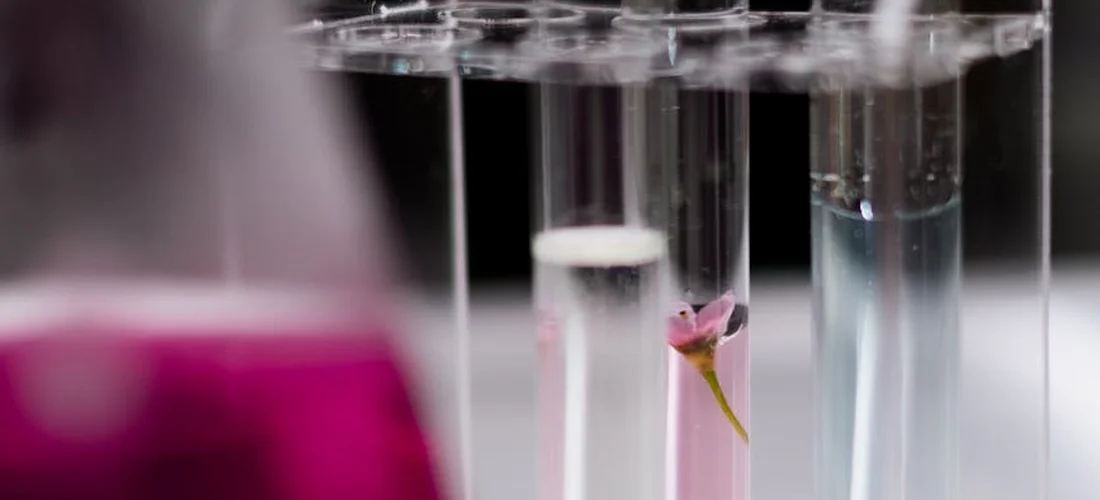
When those little strips leave you scratching your head, a liquid test kit cuts through the confusion. I rely on mine weekly-it’s the only way to get numbers precise enough to protect my pump seals and heater from aggressive water.
Pro-Grade Titration Kits
-
A professional kit includes sealed reagent bottles for pH, alkalinity, and sanitizer, glass comparator tubes with fill lines, and a sun-resistant color card. The dropper bottles let you count individual drops, turning chemistry into a simple recipe you follow to the letter.
-
This tool is invaluable for diagnosing stubborn imbalances, like when calcium hardness reads 250 ppm on a strip but is actually 400 ppm. I’ve caught incorrect sanitizer levels this way, preventing the sting of chlorine that burns eyes and fades covers.
Digital Water Testers
-
Digital testers provide instant, numerical readouts for parameters like free chlorine and pH. Their major pro is eliminating color interpretation-you see 7.6, not a vague shade of orange. For consistent accuracy, especially in dim patio light, these devices are fantastic.
-
The cons include a higher upfront cost and the discipline of regular calibration. Forget to calibrate with fresh solution every few weeks, and your readings will drift, wasting chemicals and risking equipment damage.
How to Use Test Strips Correctly: A Step-by-Step Guide
-
Step 1: Dip and Swirl. Insert the strip into the water, away from jets, and move it in a slow circle for two full seconds. This uniform motion soaks every pad evenly, which is crucial for a reliable total alkalinity reading.
-
Step 2: Shake and Wait. Flick your wrist once to shed the extra droplets, then start your timer. Hold the strip perfectly still for the full time listed on the bottle-usually 15 to 30 seconds. Rushing this step is the top reason for false low sanitizer readings that invite cloudy water.
-
Step 3: Read in Good Light. Immediately hold the strip flat against the chart under a bright LED or in daylight. Compare colors from the top down, as the chlorine pad changes fastest, and trust the first clear match you see.
Decoding Your Results: From Color Chart to Chemical Balance
You’ve dipped your strip and watched the magic happen. Now you’re holding a rainbow of pads up to a color chart, trying to decide what it all means. Think of this not as a final grade, but as your hot tub’s current “vital signs” that tell you exactly what treatment it needs to feel better. That’s the starting point for maintaining proper hot tub water chemistry. In this beginner’s guide, you’ll learn how to balance pH, total alkalinity, calcium hardness, and sanitizer levels to keep water safe and comfortable.
The Ideal Water Chemistry Ranges
Every parameter has a sweet spot. Hitting these targets means comfortable water, efficient sanitizer, and protection for your tub’s guts. For hot tubs using Nature2 mineral systems or Frog sanitizers, a quick guide helps you keep the balance steady. Stick to the system’s directions and you’ll maintain clear water with less guesswork.
- Total Alkalinity (TA): 80-120 ppm. This is your pH’s bodyguard. Keeping TA between 80-120 ppm creates a stable foundation that prevents wild pH swings, known as “pH bounce.” Adjust this first, before pH.
- pH: 7.2 – 7.8. Aim for the middle, around 7.4-7.6. This is the comfort zone for your skin, your sanitizer’s effectiveness, and your heater element.
- Calcium Hardness: 150-250 ppm. Too low (below 150 ppm) and water becomes “aggressive,” seeking calcium from your heater and shell. Too high (over 250 ppm) and you invite cloudy water and stubborn scale.
- Sanitizer (Chlorine/Bromine): Free Chlorine: 3-5 ppm. Bromine: 4-6 ppm. This is the active, working sanitizer level you measure. If it’s zero, microbes are throwing a party.
What Those Colors Really Mean
Don’t just match colors; translate them into action. Here’s your cheat sheet.
- pH Pad Reads Dark Purple/High: Your water is too basic. This can cause scale and make sanitizer lazy. Add a pH decreaser (dry acid) in small doses, circulating for 30 minutes between tests.
- pH Pad Reads Yellow/Low: Water is acidic. This stings eyes, corrodes metal parts, and eats away at your shell’s gloss. Add pH increaser (soda ash).
- Alkalinity Pad Reads High: pH will be stubbornly high and likely to cloud. Use alkalinity decreaser (the same dry acid for pH).
- Alkalinity Pad Reads Low: pH will be unstable and corrosive. Add alkalinity increaser (sodium bicarbonate-plain baking soda works in a pinch).
- Sanitizer Pad is White/Zero: Immediate action required. Shock your tub to reactivate bromine or burn off contaminants for chlorine, then retest.
Troubleshooting Common Test Strip Problems and Errors
Sometimes the strips themselves are the problem. I’ve been fooled by a bad batch more than once, leading to a frustrating cycle of adding chemicals that did nothing.
My Strip Always Reads 0 Bromine or Chlorine
You add sanitizer, test an hour later, and the pad shows nothing. This is the most common frustration. Here’s what’s likely happening.
- Expired or Compromised Strips: The reagents degrade. Always check the date on the bottle.
- Overwhelming Sanitizer Demand: A heavy bather load or organic waste is consuming sanitizer as fast as you add it.
- Sunlight Degradation: Did you leave the strip on the tub ledge? UV rays can bleach the pad before you read it.
- Improper Dipping Technique: A quick splash isn’t enough. Submerge all pads fully for one full second, then shake off the excess *gently*.
Step-by-step diagnosis is your best friend here: First, verify with a fresh, liquid reagent drop test kit if you have one-they’re less prone to false zeros. Second, check your strip’s expiration date. Third, shock the tub with a non-chlorine oxidizer or your regular shock to destroy the organic load, then retest in 24 hours.
Inconsistent or Faded Colors
If the colors look washed out, don’t match the chart well, or change after you’ve read them, your strips have likely gone bad from moisture. That humid bathroom or poolside cabana is a death sentence for test strips; the moisture in the air activates the reagents slowly, ruining the entire bottle.
- Storage is Everything: Keep strips in their original, tightly sealed container. I throw a few silica gel desiccant packets (from shoe boxes) into my bottle for extra insurance.
- Never Use Pool Strips: This is a critical error. Pool strips often have a reagent pad for cyanuric acid (stabilizer), which hot tubs generally don’t use. The chemical concentrations and ranges are calibrated for a large pool volume, so your hot tub readings will be misleading and inaccurate.
The Handyman’s Buying Guide: What to Look For in a Test Kit
Choosing a test kit isn’t about grabbing the prettiest bottle off the shelf; it’s about selecting a precise diagnostic tool for your water. After two decades of fixing pumps and balancing water, I’ve seen that the right kit turns confusing chemistry into a simple, color-coded checklist.
- Number of parameters tested: A robust kit measures pH, total alkalinity, and sanitizer. For a complete picture, seek one that also checks calcium hardness and, if you use chlorine, cyanuric acid stabilizer levels.
- Clarity of color chart: Avoid charts with vague, fading hues. You need bold, distinct color blocks you can read accurately under your porch light at dusk, not just in bright sun.
- Shelf life and storage: Liquid reagents and test strips degrade with heat and moisture. Always check the expiration date and purchase from a supplier with high inventory turnover to ensure freshness.
- Brand reputation: Trust matters. Proven brands like Taylor Technologies or LaMotte offer consistent accuracy. I’ve rarely had a bad batch from them, which is more than I can say for some bargain-bin strips.
Your sanitizer type dictates your test strip. Chlorine and bromine strips use different chemistry, so using the wrong one is like trying to read a Fahrenheit thermometer with a Celsius mind—you’ll get a dangerously inaccurate result. When you’re comparing bromine vs chlorine hot tubs, this matters because each sanitizer has its own target ranges and compatible strips. Use the strips that match your sanitizer to read those ranges correctly. Always buy strips specifically labeled for your system.
Buying test strips in bulk can lead to significant savings, but this is a pro move for the dedicated tester. If you’re committed to a weekly routine, a large bottle is cost-effective; if your tub sees sporadic use, those strips will likely expire before you use them, negating any upfront savings.
Making Testing Part of Your Routine Maintenance Schedule
Think of weekly testing not as a chore, but as a five-minute insurance policy for your spa. I link my test ritual to my Friday evening soak-it’s a calming, productive way to cap the week and ensure weekend-ready water.
Here’s my no-fuss, weekly routine you can adopt today:
- Turn on the jets for a minute to circulate the water, then dip a fresh test strip into the water, away from the jets, for the exact time listed on the bottle.
- Immediately hold the strip level and compare it to the color chart in good, natural light. Don’t second-guess yourself; your first glance is usually correct.
- Based on the readings, make any necessary chemical adjustments. Low pH? Add increaser. Sanitizer reading zero? Time for a shock treatment.
- While the chemicals are circulating, take 30 seconds to check your filter pressure or give the cartridge a quick rinse. This ties mechanical and chemical care into one efficient habit.
This small weekly investment pays massive dividends. Regular testing prevents the chemical rollercoaster that forces you to dump in costly gallons of sanitizer or clarifier to fix a neglected problem, saving you money with every test. It also stops scale and corrosion before they can wreak havoc on your heater and plumbing.
Balanced water is efficient water. When your pH and calcium levels are in range, your heater element stays free of insulating scale, allowing it to transfer heat faster and reducing your energy consumption significantly. Advanced water balancing considers how pH, alkalinity, and calcium hardness interact to keep the water stable. Keeping alkalinity steady helps stabilize pH and calcium hardness, reducing scale and protecting equipment. That quiet hum of your circulation pump will stay steady and reliable for years longer.
Common Questions
My hot tub test strip says 0 bromine, but I just added some. What’s wrong?
This usually indicates your sanitizer is being consumed faster than it can be measured, often due to high bather waste or a dirty filter. First, ensure your strips are not expired and you dipped them correctly. Then, “shock” or oxidize your tub to destroy the organic load consuming the bromine, and retest after 30 minutes of circulation.
How do I accurately read my hot tub test strips?
Accuracy depends on good technique and conditions. Always dip the strip fully for one second in circulated water, shake off excess, and wait the exact time on the bottle. Read the strip immediately under a bright, white light, holding it flat against the bottle’s chart. Trust your first clear color match, as the pads can continue to change.
Where can I buy hot tub test strips near me?
You can find them at pool & spa supply stores, large hardware or home improvement retailers, and some big-box stores. For immediate needs, check local stock online. For the best selection and freshest products, specialized pool and spa retailers or reputable online dealers are often your best bet. When you’re looking for hot tub supplies, focus on dedicated spa suppliers or trusted online retailers that carry chemicals, filters, covers, and replacement parts.
I’m confused by the hot tub test strips reading chart. Any tips?
Read the chart from the top down, as the sanitizer pad changes fastest. Ensure your lighting is good-natural daylight or a bright LED is best. If the colors seem to fall between two blocks, this often indicates a level that is slightly high or low, guiding your next small chemical adjustment.
Why does my hot tub trip the breaker after running for about an hour?
This is typically an electrical or equipment issue, not a water chemistry problem. A failing heater element can short out once it heats up, or a pump motor seal leak can allow water to cause a ground fault. This is a safety hazard; stop using the tub immediately and consult a qualified electrician or spa technician for diagnosis and repair.
The Weekend Warrior’s Victory Soak
Before you slide into that perfectly balanced water, perform your final combat check. Run the jets for a good fifteen minutes to circulate the newly adjusted chemistry throughout every pipe and jet. Then, dip a fresh test strip to confirm your numbers are holding steady in their ideal ranges. This last-minute verification is your best defense against a chemical surprise that could ruin your hard-earned relaxation.
Consistency is the secret sauce that hot tub manuals never shout about loudly enough. Your golden rule for keeping your water testing simple and your results reliable is straightforward. Rinse your filters with a hose every single weekend, and give them a proper chemical soak at least once a month-this one habit prevents more testing headaches and water mysteries than any other single action. A clean filter allows your water to move freely, which helps your sanitizer work effectively and stops your pH from getting stuck in a rollercoaster loop. Changing your water and cleaning the filter regularly is essential for maintaining optimal water quality.
You’ve armed yourself with knowledge, chosen your tools, and balanced your water. The work is done. Now, go turn on those bubbles, step in, and soak like the proactive hot tub owner you are. You’ve earned it—especially when you know you’ve followed best practices for using a hot tub.
Further Reading & Sources
- New Hot Tub Owner – Taylor Test Kit | Trouble Free Pool
- Digital Hot Tub Water Tester: Simplify Your Spa Maintenance | O-Care.com
- Hot Tub Water Testing: The Complete Guide
- r/hottub on Reddit: Best Spa Test kit?
- Hot Tub Water: Test Like a Boss
- Hot Tub Testing Supplies, Water Test Kits, Strips, and Reagents | Hottubwarehouse – Hot Tub Warehouse
Charlie is a hot tub enthusiast with a passion for keeping your jets running smooth and your bubbles bursting with joy. With years of experience in hot tub and jacuzzi maintenance, Charlie knows that a happy tub means a happy you. Whether it’s dealing with stubborn filters or giving your spa a little TLC, Charlie’s here to share expert tips, tricks, and plenty of laughs to help you keep your bubbly retreat in tip-top shape. So, kick back, relax, and let Charlie handle the rest — because no one likes a cranky jacuzzi!
Water Chemistry