
Stop Wasting Essential Oils: How to Fix Hot Tub Aromatherapy for Good
Published on: December 29, 2025 | Last Updated: December 29, 2025
Written By: Charlie Bubbles
If your hot tub steam carries only a harsh chlorine sting instead of relaxing lavender, or if added scents vanish before your first soak is over, your aromatherapy setup is broken. The diagnosis is a double failure: your water chemistry is fighting the oils, and you’re likely using a dispersion method that destroys them. This is more than a nuisance-adding oils directly to the water can clog filters, damage pumps, and create skin irritants.
- What You Need:
- Pure, spa-safe essential oils (like eucalyptus or peppermint)
- A dedicated floating aromatherapy dispenser
- Fresh test strips for pH and sanitizer
- 3 minutes to check your levels
I’ll show you how to safely lock in vibrant scents and transform every soak, without a service call.
What is Hot Tub Aromatherapy and How Does It Work?
Hot tub aromatherapy is the practice of adding natural, spa-safe scents to your water to transform a simple soak into a multi-sensory retreat. Think of it as your tub’s circulation pump and heater working together as a giant, warm-air diffuser, vaporizing essential oils so you can breathe in their benefits. The steamy water helps carry those tiny aromatic molecules into the air, where they’re inhaled, and some compounds can even be absorbed through your skin.
Not all oils or scents play nice with acrylic shells and plastic plumbing. From my years balancing water and fixing pumps, I’ve seen the sticky, expensive mess that kitchen-grade oils or cheap fragrance beads can leave behind in filters and heaters. You must use products formulated for hot tubs to avoid a repair bill that stings worse than chlorine in your eyes. That’s also why buyers compare acrylic and rotomolded tubs on durability and cost. In general, acrylic shells look premium and resist temperature well but can crack or chip if abused, while rotomolded tubs are cheaper and lighter but may show wear sooner and insulate less efficiently.
Here’s how it works in practice:
- You add a few drops of a hot tub-specific aromatherapy product to the water.
- The jets and heat quickly disperse the scent.
- As you relax, you inhale the vapor, which sends signals directly to your brain’s limbic system-the part that handles emotion and memory.
Getting it right requires a gentle hand. Always add aromatherapy to a full, chemically balanced tub, and never pour oils directly into the skimmer or onto dry surfaces. I mix mine in a cup of warm water first, then scatter it over the surface with the jets on high for even distribution. This is how you craft DIY hot tub aromatherapy scents at home, tailoring blends to your mood.
Real Benefits Beyond Just a Nice Smell
The right scent does more than mask the occasional chemical odor; it actively enhances your well-being. Choosing oils based on their proven properties lets you customize each soak for your specific need, whether it’s melting away stress or soothing aching muscles. This is where aromatherapy moves from a luxury to a practical part of your maintenance routine for mind and body.
Let’s break down the real benefits you can feel:
- Stress Reduction: Scents like lavender and chamomile are famous for calming the nervous system. The hum of the circulation pump combined with these aromas can lower cortisol levels faster than a quiet room alone.
- Muscle Relief: Eucalyptus and peppermint oils contain natural anti-inflammatory compounds. The warm water boosts circulation, and these scents can enhance that pain-relieving effect on sore backs and joints.
- Respiratory Support: That sharp, clean punch of eucalyptus or tea tree oil can help open congested airways when you breathe in the steam.
- Sleep Aid: A soak with cedarwood or bergamot before bed signals to your body that it’s time to wind down, often leading to deeper, more restful sleep.
You can achieve these benefits without harming your water chemistry. I keep a small bottle of spa-safe lavender oil next to my test strips; a quick drop after I’ve balanced the alkalinity to 80-120 ppm is my reward for good maintenance. It’s a cost-saving DIY fix for a tough day that also encourages you to stay on top of your water care.
Here’s a quick guide to pairing scents with your goals:
- For evening relaxation: Lavender or Sandalwood
- For an energizing morning soak: Citrus or Rosemary
- For post-workout recovery: Peppermint or Juniper Berry
Remember, the key is subtlety. If you can taste the scent in the air, you’ve likely used too much, which can overwhelm your senses and leave a residue on your shell. Start with half the recommended dose, see how it feels, and adjust. Your tub-and your peace of mind-will thank you.
Safety First: What You Must Know Before Adding Any Scent

That inviting steam rising from your tub might seem like the perfect carrier for a relaxing scent, but tossing in essential oils like you would in a bath is a recipe for trouble. Your hot tub’s delicate balance of water, heat, and machinery means every additive must be vetted, or you risk damaging your equipment, your skin, and that pristine water you work so hard to maintain. I’ve been elbow-deep in pump housings gummed up with oily residue, and I can tell you, prevention is far cheaper than the repair. To learn how to scent safely, check out our safe essential oils for hot tubs guide, which explains which oils are compatible, how to dilute them, and safer alternatives that won’t disrupt your hot tub’s balance. It’s all about enjoying aroma without risking your equipment or skin.
Essential Oils That Are a Hard “No”
Not all oils are created equal, and some are outright destructive in a spa environment. Citrus oils like lemon, orange, and grapefruit are highly acidic and will degrade your hot tub’s acrylic shell and rubber seals over time, leading to leaks and costly repairs. I remember a client who added “natural” lemon oil for weeks; the water smelled great until the circulation pump seal failed and flooded his deck. To keep hot tub water safe and sanitary, you need proper sanitizers and pH balancing chemicals. Introducing oils or other non-approved additives can disrupt chemistry and may affect health by increasing irritation or exposure to contaminants.
Here is a short list of oils to absolutely avoid in your plumbing:
- Citrus Oils (Lemon, Orange, Lime, Bergamot): Their high acidity corrodes components and can cloud water.
- “Hot” Oils like Cinnamon, Clove, or Oregano: These are potent skin irritants, and the heated water amplifies their intensity, which can cause burns or severe reactions.
- Heavy Resin Oils like Frankincense or Myrrh: They are thick and sticky, almost guaranteed to coat your filters and heater elements, reducing efficiency and creating a biofilm haven.
- Peppermint and Eucalyptus (in pure form): While spa-safe versions exist, pure oils are too strong and can affect respiratory comfort in the steamy air, especially for kids.
Allergy and Skin Sensitivity Warnings
The heat of your tub opens pores and increases absorption, making skin reactions more likely. Always assume a new scent could be an irritant, even if you’ve used it in lotions before; the delivery method here is direct and potent. My own lesson came from a chamomile blend that left my wife with a red, itchy rash because we didn’t consider the carrier oil base.
Follow this simple protocol before any full-tub use:
- Conduct a Patch Test: Dilute a drop of the intended spa-safe scent in a cup of your tub’s water and dab it on your inner forearm. Wait 24 hours.
- Start Extremely Diluted: For the first tub session, use half the recommended amount of product to gauge your body’s response.
- Know Your Guests: Always inform users what scent is in the water, as pollen allergies can cross-react with plant-based oils like chamomile.
If you have sensitive skin or conditions like eczema, stick to fragrance-free, purpose-made spa aromatherapy crystals or beads, as they are formulated for compatibility.
Protecting Your Water Chemistry
Oils and fragrances are organic compounds, and your chlorine or bromine will attack them first, leaving your water under-sanitized. That lovely lavender smell can disappear in minutes, taking your free chlorine with it and inviting bacteria to the party. After adding any scent, I make it a rule to test my sanitizer level and pH immediately and again a few hours later.
To protect your water balance and your equipment:
- Use Only Products Designed for Hot Tubs: These are formulated to dissipate quickly and won’t leave an oily film on your shell or clog your filter’s pleats.
- Add After Your Soak, Not Before: Introduce the scent during the last 10 minutes of your bath. This gives you the benefit without letting the fragrance tax your sanitizer for hours on end.
- Expect to Clean Your Filter More Often: Any additive increases the load on your filter. Plan to rinse it with a filter hose every week and use a proper filter cleaner solution monthly to dissolve oils. A clogged filter makes your pump work harder, killing your energy efficiency goals.
- Test and Adjust Relentlessly: The day after using aromatherapy, check your pH and alkalinity; some scents can nudge pH down. Be ready with a little increaser to keep things stable and prevent equipment corrosion.
How to Add Aromatherapy to Your Hot Tub: Safe Methods
Adding scent to your spa water isn’t like lighting a candle. You can’t just drop anything in. Getting it wrong leads to a foamy, oily mess and a very unhappy filtration system. Follow these five steps in order, and you’ll transform your soak into a fragrant retreat without the headache of a cleanup afterward.
Step 1: Choose a compatible product.
This is the most critical choice. True essential oils are potent plant extracts and are generally not hot tub safe. They don’t mix with water, they coat your plumbing with residue, and they can degrade your cover and seals. You need a product designed for the job. For aroma in a hot tub, use a spa-safe fragrance for jacuzzis, not pure essential oils. Always follow the manufacturer’s directions for safe use in your hot tub.
- Spa Fragrance Oils: These are water-soluble, synthetic blends made for hot tubs. Brands like Spa Marvel Scentsations or Leisure Time Aromatherapy are formulated not to foam or clog.
- Pre-Scented Spa Products: Some water treatment lines offer scented versions of their sanitizers or oxidizers. This is a two-in-one solution.
- What to Avoid: Household bath oils, bubble bath, Epsom salts with added oils, and pure essential oils. I learned this the hard way with a lavender oil spill that took three filter cleanings to resolve.
Step 2: Test your water balance first.
Never add fragrance to troubled water. Imbalanced chemistry can lock in scents, cause skin irritation, or create strange odors. Think of it like cooking: you don’t add vanilla extract to spoiled milk.
- Check and adjust your pH (7.2-7.8) and Total Alkalinity (80-120 ppm).
- Ensure your sanitizer (chlorine/bromine) is in the ideal range. Sanitizer will work harder to break down the scent, so start with a good level.
- Balanced water ensures the fragrance disperses evenly and doesn’t interact poorly with your chemicals, giving you a pure and predictable scent experience.
Step 3: Apply the scent using the correct dilution method.
More is not better. Overdosing is the fastest way to create a chemical-smelling, foamy soak. Always follow the product’s label for your tub’s gallonage.
- Turn your jets off.
- Measure the precise amount. For most tubs, this is about a capful or a few teaspoons. I use a dedicated shot glass in my kit.
- Pour the scent directly into the middle of the water, away from the skimmer and jets.
- Let it sit on the surface for 60 seconds before moving to the next step.
Step 4: Run the jets for proper diffusion.
This is where the magic happens. The jets will pull the fragrance from the surface and circulate it throughout the entire body of water.
- Turn on your jet pump for a full 10-15 minute cycle.
- Keep the air control valves open to help aerate and spread the aroma.
- You’ll hear the hum of the pump and soon smell the scent blooming in the steam. This thorough circulation prevents oily “hot spots” and ensures every breath you take is infused with relaxation.
Step 5: Rinse off after soaking and monitor your filter.
The experience doesn’t end when you drain the tub. Fragrance oils can linger on your skin and will definitely concentrate in your filter.
- Take a quick shower after your aromatic soak to remove any residual product from your skin.
- Expect to rinse your filter cartridge 24-48 hours after using a scent. You’ll often see a slight oily sheen on the pleats.
- At your next full water change, give your filter a deep clean. This simple post-soak ritual protects your skin and keeps your filter working efficiently, saving you money on energy and premature replacements.
Comparing Hot Tub Aromatherapy Products
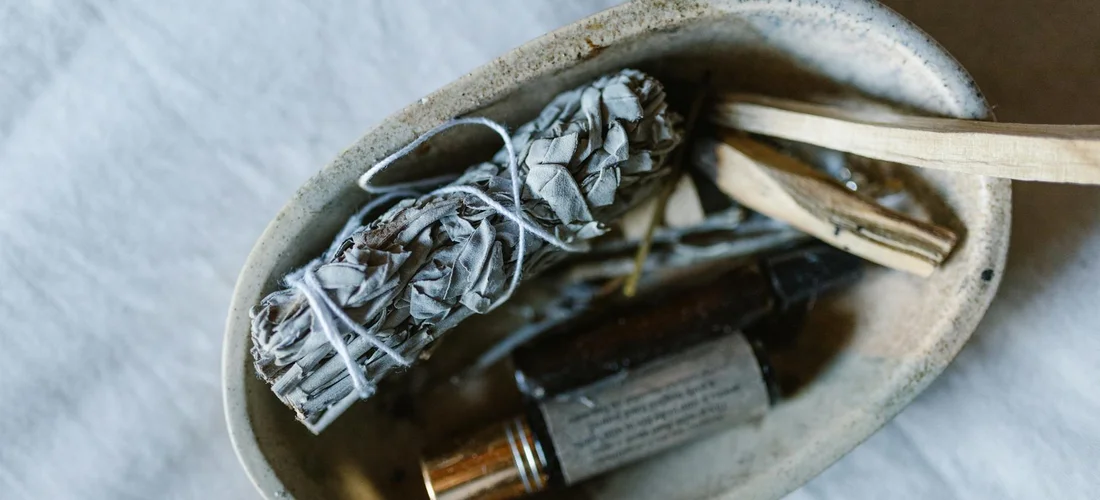
Choosing the right scent enhancer is like picking a tool for a job-you need the right fit for your tub’s system and your routine. Using the wrong product can throw off your water balance, gunk up your filters, and turn a relaxing soak into a chemistry headache. Let’s break down your options so you can add fragrance without the fuss.
Spa-Specific Liquids and Beads
These are the workhorses of hot tub scent. Liquids are usually concentrated oils you drip in, while beads are slow-dissolving pellets. I always advise starting with a half-dose to see how your water reacts, especially if you’re using a new brand. From my years of balancing water, I’ve found citrus-based liquids can subtly lower your pH, so have your test kit ready. Check out my beginner’s guide for maintaining hot tub water chemistry to keep everything balanced.
Beads are convenient but watch out. I once helped a friend who used a cheap bead product that turned into a waxy film on his filter. Stick with brands that clearly state they are non-foaming and compatible with your sanitizer, whether it’s chlorine or bromine. For maintenance, add these after your weekly shock treatment when the pump is running to help them disperse evenly.
- Liquids: Fast-acting, easy to control. Look for ones with no added dyes.
- Beads: Longer-lasting, often in dissolvable packets. Ensure they are fully sealed until use.
- Pro Tip: Pour liquids away from skimmer openings to prevent them from getting sucked directly into the filter.
Aromatherapy Crystals and Salts
These mineral-based products dissolve directly into the water, often offering a more subtle and natural aroma. They can be gentler on your equipment but require more attention to your water’s mineral content. I’ve seen salts high in calcium carbonate temporarily cloud the water and scale up heaters if the alkalinity isn’t monitored.
Epsom salt blends are popular for muscle relief, but they are not all created equal. Always verify the crystals are meant for hot tubs and not just bath products, which can contain oils that degrade seals. For energy efficiency, a well-balanced tub with salts heats more uniformly, reducing strain on your heater. I add crystals during my monthly deep-clean when I’m already checking all the levels. To use epsom salt safely in your hot tub, follow the manufacturer’s dosing instructions and dissolve the crystals completely before turning on the heater. Also, stick to salts labeled for hot tubs and monitor water chemistry after adding.
- Test your calcium hardness before adding any salt product.
- Dissolve crystals in a bucket of warm tub water first to prevent them from clumping on the floor.
- Run the jets for at least 20 minutes to ensure full integration.
Diffusers and Dispensers Made for Spas
These devices keep the aromatic oils separate from the water, releasing scent through air or a controlled drip. A good diffuser is a game-changer for avoiding chemical interactions between scents and sanitizers. Floating diffusers are common, but I’ve installed inline models that tap into the circulation system for a steady, hands-off aroma.
From a DIY angle, I once crafted a simple diffuser from a small section of PVC pipe and some felt pads for a client on a budget. Whether store-bought or homemade, clean your diffuser every two weeks with vinegar to prevent mold and ensure a pure scent. This bit of maintenance saves you from musty smells and keeps the air fresh without overworking the pump.
- Floating Diffusers: Affordable and portable. Choose ones with adjustable vent holes.
- Inline Dispensers: Professional-grade, often plumbed into the system. Best for frequent users.
- Safety Check: Place all diffusers away from the skimmer to avoid blocking water flow.
What to Look for in a Kit or Organic Product
Kits bundle scents with test strips or applicators, while organic products promise natural ingredients. A quality kit should have clear dosing instructions based on your tub’s gallonage to prevent overuse. I’m wary of kits that don’t mention pH balance-adding scent shouldn’t mean rebalancing your water from scratch.
For organic options, “natural” doesn’t always mean safe for hot tubs. Look for certifications and ensure the product is explicitly formulated for spas, not just aromatic baths, to avoid foaming and filter clogging. In my experience, true organic spa products use essential oils without carrier oils that can leave a residue. They might cost more, but they protect your equipment and make weekly maintenance simpler.
Here’s a quick checklist for your next purchase:
- pH neutral or pH-adjusted formula.
- Compatibility with your primary sanitizer (chlorine, bromine, biguanide).
- Non-staining and non-foaming guarantees on the label.
- Packaging that seals tightly to preserve potency.
Post-Soak Care: Keeping Your Tub Clean
That post-soak bliss is real, but walking away from a scented tub without a quick clean-up is an invitation for trouble. Oils cling to surfaces. Leaving aromatic residues to dry on your shell or in your plumbing is the fastest way to develop a scum line, clogged filters, and foamy, unhappy water. A simple five-minute routine saves you hours of headache later.
Your Immediate Post-Soak Routine
Once you’re out and the jets are off, follow these three steps. I do this every single time I use an aromatherapy product, without fail.
- Run the Jets: Turn your jets on for 60-90 seconds with the cover open. This pushes any lingering oil droplets through the system so they can be captured by the filter, instead of settling in the pipes.
- Wipe the Shell: Use a dedicated, soft microfiber cloth to gently wipe down the waterline and any areas where you added oils. This prevents that sticky ring from forming.
- Close It Up: Secure the cover to retain heat and keep debris out. Your sanitizer needs to get back to work!
The Weekly Deep-Clean Ritual
Once a week, usually on my water testing day, I give the tub a little extra love to handle any oil buildup. Here’s my checklist:
- Filter Rinse: I rinse my filter with a strong jet of water from the hose, focusing on pleats to dislodge oily grime. A filter clogged with oils loses its ability to trap dirt and strains your circulation pump.
- Shell Scrub: Using a non-abrasive, pH-balanced hot tub surface cleaner, I wipe down the entire shell. Avoid household cleaners like window spray-they can cause foaming and damage the acrylic.
- Cover Wipe-Down: Don’t forget the underside of your cover! Condensation carries oils up there, leading to mold and deterioration. A diluted vinegar solution (1 part vinegar to 3 parts water) works wonders.
When You Notice Oil Buildup
Sometimes, despite your best efforts, you’ll feel a slick film on the shell or see stubborn scum. Don’t reach for harsh chemicals. Here’s my field-tested method:
- Dilute a few ounces of white vinegar in a spray bottle with warm water.
- Lightly mist the affected area and let it sit for a minute to break down the oil.
- Gently scrub with a soft cloth or a magic eraser pad (melamine foam) designated only for the tub. Rinse thoroughly.
This gentle acid cut through lavender and eucalyptus residue on a client’s tub last month, restoring the surface without a trace of damage. Always follow with a clean water rinse.
Prepping for a Water Change
If you’ve been heavy on the aromatherapy, a full water change is the perfect time for a system flush. Oils coat plumbing lines, reducing heater efficiency. Before you drain:
- Use a dedicated hot tub plumbing flush product. Follow the label directions-you’ll circulate it, then drain.
- While the tub is empty, take the opportunity to give the empty shell a thorough, deep clean. It’s much easier without water in the way.
- Before refilling, rinse your filter with a proper filter cleaner solution to degrease it completely.
A clean tub at fill-up means your fresh water stays balanced longer and your sanitizer isn’t fighting hidden oil from the start. This simple prep work makes all the difference in water clarity and maintenance ease.
Quick Answers
Are there organic hot tub aromatherapy products, and are they safe?
Yes, organic and natural hot tub aromatherapy products exist, but “organic” doesn’t automatically mean spa-safe. You must choose products explicitly formulated for hot tubs, not regular bath products. True spa-safe organic products use essential oils without heavy carrier oils that can leave residue and clog filters. Always verify the product label guarantees it is non-foaming, non-staining, and compatible with your sanitizer to protect your equipment. If you’re wondering about using bubble bath shampoo in a hot tub, skip it—bubble baths foam up and can clog filters. Instead, use spa-safe aromatherapy products designed for hot tubs.
What is a hot tub aromatherapy dispenser, and do I need one?
A dispenser is a device that releases scent into your tub without direct contact with the water, such as a floating diffuser or an inline system. Using one is highly recommended, as it helps prevent oils from directly contacting and potentially damaging your plumbing and filters. A good dispenser provides controlled, consistent scent and minimizes the chemical interaction between the fragrance and your water sanitizer.
What should I look for in a hot tub aromatherapy kit?
A quality kit should include spa-safe scents and clear dosing instructions based on your tub’s volume. Look for kits that mention pH neutrality or adjustability to avoid water balance issues. Be wary of kits that lack this information or bundle in unnecessary additives. The best kits make it easy to start correctly without guessing, helping you avoid overuse and complications.
How do I choose between crystals, salts, liquids, and beads?
Your choice depends on your maintenance style and goals. Liquids and beads offer quick, potent fragrance, while crystals and salts often provide a subtler scent and can offer mineral benefits. Always prioritize products labeled for hot tub use. Consider that liquids are easy to dose, while beads or slow-dissolve crystals can offer longer-lasting aroma, but all require you to monitor your filter and water chemistry more closely after use. Especially for beginners, making informed choices about hot tub products is crucial to ensure safety and effectiveness.
Where can I find reliable hot tub aromatherapy product reviews?
Seek reviews on reputable spa and pool supply websites, niche hot tub owner forums, and detailed video reviews from experienced users. Pay closest attention to comments about water clarity, filter clogging, and scent longevity. Avoid reviews for general bath products, and focus on feedback for items specifically designed for hot tub systems to get relevant safety and performance insights.
The Pre-Soak Safety Scan
Before you ease into that fragrant water, do one last check. Turn on the jets for just 60 seconds with the cover open. This final burst ensures your chosen oil is fully dispersed, giving you a true sense of its final strength and allowing any residual vapors to escape. Look for that perfect balance-a gentle, inviting scent that doesn’t overwhelm the senses, paired with the visual clarity of well-maintained water.
The single most important habit for trouble-free aromatherapy is to always add oils to a running jet cycle, never directly into still water or onto dry surfaces, and to limit your total additions to no more than half a teaspoon per session to prevent foamy, oily build-up.
You’ve done the work. The chemistry is balanced, the scent is set, and the water is waiting. Now, go on. Get in. Breathe deep. You’ve earned it.
Further Reading & Sources
- How to Use Aromatherapy in Your Hot Tub to Create an at-Home Day Spa – Hot Spring Spas
- Best Hot Tub Aromatherapy: Safe Scents and Products
- r/hottub on Reddit: Scents for hot tubs ?
- 15 Best Hot Tub Scents For Improved Hot Tub Aromatherapy
- Aromatherapy Options For Hot Tubs – Marquis Hot Tubs
- Hot Tub | Spa Aromatherapy | Wave Spas USA
Charlie is a hot tub enthusiast with a passion for keeping your jets running smooth and your bubbles bursting with joy. With years of experience in hot tub and jacuzzi maintenance, Charlie knows that a happy tub means a happy you. Whether it’s dealing with stubborn filters or giving your spa a little TLC, Charlie’s here to share expert tips, tricks, and plenty of laughs to help you keep your bubbly retreat in tip-top shape. So, kick back, relax, and let Charlie handle the rest — because no one likes a cranky jacuzzi!
Safety Tips