
Fix Your Hot Tub’s Foundation: Soil Testing and Compaction Done Right
Is your hot tub tilting, sinking on one side, or does the cabinet creak and groan? Your hot tub is telling you it’s sitting on a failing, unstable base due to skipped soil testing and poor compaction. This is a serious structural issue-not a mere eyesore-that risks cracking the shell, breaking plumbing, and turning your relaxation spot into a money pit.
What You Need:
- A soil probe or a simple post-hole digger
- A hand tamper or rented plate compactor
- A reliable 4-foot carpenter’s level
- Crushed stone or gravel for a stable base
- One focused afternoon
I’ll show you how to permanently solve this yourself, from testing your dirt to packing it down like a pro.
Why Your Hot Tub’s Future Depends on What’s Under It
That sleek shell and soothing jet system rest entirely on the ground you choose, and I’ve seen too many proud owners learn this the hard way after a costly settling issue. Ignoring what’s beneath your pad is like building a house on sand; everything looks great until the first heavy rain soaks in and the whole structure starts to tilt. The gentle hum of the circulation pump can quickly become a stressful groan if the tub isn’t level, straining the plumbing and frame. Your hot tub’s longevity, safety, and even your energy bills are directly tied to a stable, compacted base.
The Real Cost of Skipping Ground Prep
Think you’re saving time and money by just dropping the tub on some patio stones? Let me tell you, the bill for fixing a sunken corner or a cracked acrylic shell will make that initial effort look like pocket change. Beyond the repair costs, you’re risking voided warranties, constant water chemistry battles from an uneven water line, and a genuine safety hazard from electrical components under stress. These are exactly the kinds of costly errors highlighted in the 10 most expensive mistakes new hot tub owner make. Here’s what skipping prep really costs you:
- Financial Drain: Re-leveling a filled hot tub often requires a professional crew, pumps, and jacks. I’ve billed jobs where this alone cost more than the initial concrete pad would have.
- Time Sink: What should be a 15-minute weekly water check turns into hours of draining, repairing, and refilling.
- Energy Waste: A tub that’s out of level forces the pump to work harder, and an uneven shell can lose heat faster, spiking your electricity bill.
- Total Failure: In the worst cases, structural failure of the cabinet or a major plumbing leak means replacing the entire tub.
Understanding Your Soil: The First Critical Test
You wouldn’t use pancake batter to make a brick, and you can’t prepare your base without knowing your soil’s recipe. The type of soil in your yard determines how much weight it can hold and how it reacts to water, which is the single biggest factor in preventing future settlement. Sandy soil drains fast but can shift, while clay holds water like a sponge and expands when wet. Taking a weekend to figure this out saves seasons of headache.
DIY Soil Type Tests You Can Do This Weekend
Grab a shovel, a clear jar, and some water-you can diagnose your soil profile without a lab coat. I do this on every consultation because it tells me exactly how aggressive we need to be with compaction and drainage. These three simple tests will give you a clear picture of whether you’re dealing with loose sand, heavy clay, or the ideal mix: loam.
- The Jar Test (for composition):
Dig 6 inches down, collect a cup of soil, and place it in a clear jar with two cups of water. Shake vigorously for a minute and let it settle for 24 hours. You’ll see distinct layers: sand at the bottom, silt in the middle, and clay on top; the thickness of each layer shows your soil’s makeup.
- The Ribbon Test (for clay content):
Take a moist handful of soil and squeeze it between your thumb and forefinger, trying to form a ribbon. If it forms a ribbon longer than 2 inches before breaking, you have high clay content that will need serious compaction and likely a gravel base.
- The Percolation Test (for drainage):
Dig a hole 1 foot deep and 1 foot wide, fill it with water, and time how long it takes to drain completely. If it takes more than a few hours, you have poor drainage and must install a French drain or significant gravel layer to channel water away from the pad.
When to Get a Professional Soil Test or Proctor Test
If your DIY tests show a lot of clay, silt, or if your yard has a slope, it’s time to call in the pros. A professional geotechnical soil test or Standard Proctor Test measures the soil’s maximum density and optimal moisture content for compaction. Spending a few hundred dollars on this report is the best insurance policy you can buy for a heavy, water-filled structure like a hot tub. Here’s when to make the call:
- You’re building on a visible slope or known fill dirt.
- Your ribbon test indicated very high clay content.
- Your percolation test showed standing water after 12 hours.
- You’re planning a permanent concrete pad and want guaranteed results.
The Proctor test gives contractors a precise “recipe” for how much to compact your soil. Without this data, you’re just guessing, and guessing with 4,000 pounds of water and acrylic is a risk I never recommend taking.
Fixing Problem Soil Before You Start Digging
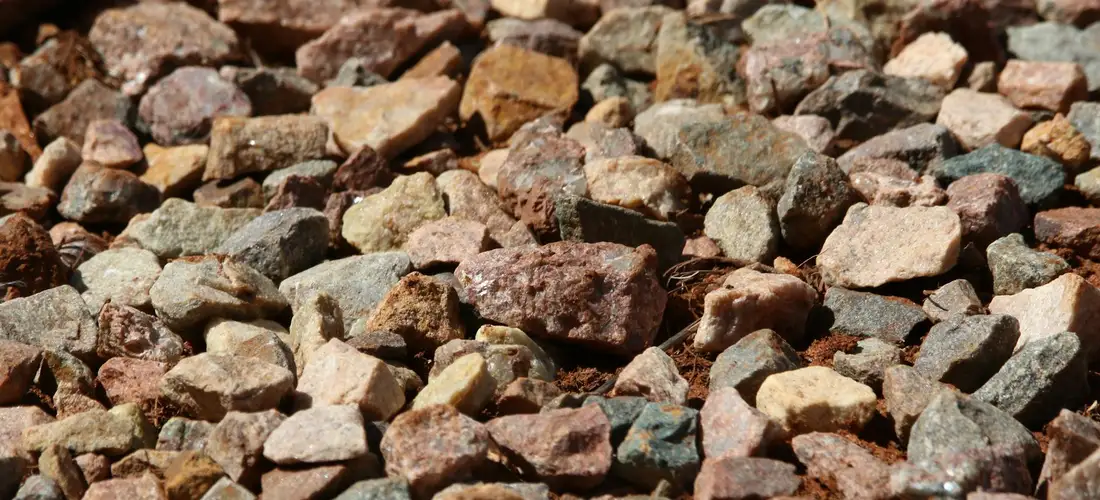
You wouldn’t build a house on a shaky foundation, and your hot tub deserves the same respect. The ground under your pad is the silent partner in your soak, and ignoring its flaws invites a world of leaning, cracking, and leaking grief. Taking a weekend to diagnose and fix your soil now can save you thousands in repairs and headaches down the line.
Improving Drainage and Managing Water Flow
I’ve seen too many pads turn into miniature swamps. Poor drainage is a hot tub’s worst enemy, leading to frost heave in cold climates and a perpetually soggy, unstable base everywhere else. Your goal is to move water away from the pad area, fast.
First, identify the natural slope of your yard. If water pools where the tub will go, you need to create a path for it to escape. Make sure the pathway complements your landscaped area.
- Install a Simple French Drain: Dig a trench about 6-12 inches deep leading away from the pad site. Line it with non-woven geotextile fabric (this keeps soil from clogging the gravel), add a 2-inch layer of crushed stone, lay in a perforated PVC pipe (holes down), and cover with more stone. Fold the fabric over, bury it, and water will follow this path of least resistance.
- Build a Gravel Layer: Even if you don’t need a full French drain, a 4-inch bed of ¾-inch crushed stone (not smooth river rock) beneath your final base material is non-negotiable. It provides instant drainage and a firm, uniform surface to compact on.
- Grade the Soil: Ensure the surrounding earth slopes away from your prepared site at a minimum of 1 inch per foot for at least the first few feet. This simple grade is your first line of defense against surface water.
Remember, water is relentless; your drainage system needs to be patient and well-constructed to handle a sudden downpour or slow, seeping saturation from a leak.
Stabilizing Soft, Sandy, or Unstable Ground
Soft soil feels forgiving underfoot, but it consolidates unevenly under a 5,000-pound load. Sandy soil drains well but shifts easily. The fix is about distributing the load and tying the weak soil together.
- For Soft, Organic, or Silty Soil: Remove it. Seriously. Dig down until you hit undisturbed, firm subsoil. This might be 8 inches or 2 feet. Replace what you removed with a compactable fill material like road base or crusher run gravel in thin, compacted layers.
- For Loose, Sandy Soil: Here, you need a separator and reinforcement. After rough-grading, lay down a geogrid or heavy-duty woven geotextile fabric directly on the sand. This mesh physically interlocks with your gravel base, spreading the load laterally and preventing the sand from mixing up into your stone. It’s a game-changer for permanent stability.
- The Nuclear Option for Severe Instability: For chronically wet or very soft spots, a small concrete footing or reinforced slab may be your only rational choice. A 4-inch thick slab with wire mesh, poured over 6 inches of compacted gravel, creates an immortal foundation. It’s more work and cost upfront, but it’s zero worry forever.
There’s no shame in having bad dirt; the shame is in pretending it’s not there and watching your investment slowly sink.
The Art and Science of Soil Compaction
Compaction isn’t just stomping on dirt. It’s the process of mechanically reducing air voids between soil particles to increase density and load-bearing strength. A well-compacted base won’t settle later, keeping your tub perfectly level. Proper compaction is the single most important DIY step to prevent a wobbly, failing hot tub pad.
Tools for the Job: From Hand Tamper to Plate Compactor
Your tool choice depends on the size of the job and your soil type. For most hot tub pads, you’re dealing with a 10×10 foot area or smaller, especially when preparing the foundation for your hot tub.
- Hand Tamper (Tamping Rod): A heavy steel plate on a pole. It’s hard, slow work but perfect for small areas, tight corners, and final touches. Use it if your base is very small or you’re only leveling a few pavers. Your back will feel it.
- Vibratory Plate Compactor (Wacker Plate): This is the prosumer tool you should rent for a day. It uses a vibrating plate to shake the soil particles into a tight arrangement. They’re brilliant for gravel and sand. Rent a model with at least a 12-inch by 18-inch plate and focus on one that’s heavy enough for gravel-usually over 150 lbs. The rental cost is a tiny fraction of fixing a tilted tub.
- Jumping Jack (Trench Rammer): Best for cohesive soils like clay. It delivers a focused, pounding force. For general hot tub base prep with gravel, the plate compactor is usually the more versatile and easier-to-use choice.
My rule is simple: if your prepared base area is larger than a bathroom rug, skip the hand tamper and rent the machine. The quality and speed of compaction are incomparable.
Step-by-Step Guide to Effective Compaction
- Moisture is Key: Soil compacts best at its “optimum moisture content.” For granular material like road base or crusher run, it should be damp enough to hold a clump in your hand when squeezed, but not so wet it glistens or drips. If it’s too dry, lightly mist it with a hose. Too wet? Let it dry out.
- Lift Thickness Matters: Never dump all your base material and try to compact it. You’ll only firm up the top few inches. Add material in “lifts” no thicker than 4 inches at a time for granular soils.
- Make Your Passes: Run the plate compactor over the entire area in a systematic, overlapping pattern. Make at least 3-4 passes over each section. On the final pass, run the machine slowly to create a smooth, flat surface.
- The Test: When properly compacted, you should be able to walk on the surface without leaving deep footprints. A steel rod or rebar should be difficult to push into the base by hand.
- Check for Level Constantly: Use a long, straight 2×4 and a 4-foot level after compacting each lift. It’s far easier to add a little material and re-compact a 1-inch low spot now than to fix it after the tub is full of water.
The hum of the plate compactor might be noisy, but the silence of a perfectly level hot tub for years to come is the sweetest sound of all.
Building Your Final Base: Material Options Compared
Choosing your hot tub’s foundation is like picking shoes for a hike-get it wrong, and every step is a wobble. Your base choice directly impacts longevity, safety, and how much time you’ll spend fixing leaks or alignment issues down the road. I’ve set tubs on everything from pristine concrete to hastily piled dirt, and let me tell you, the right base saves countless headaches.
Concrete Slab: The Permanent Gold Standard
A four-inch thick, reinforced concrete slab is the undisputed champion for a forever home for your spa. Once cured, this slab won’t settle or shift, providing a perfectly level platform that makes plumbing repairs and shell inspections straightforward for decades. I helped a neighbor pour his own 6×8 foot slab using 3,500 PSI mix with fiber mesh; five years later, it’s still flawless despite Texas clay soil. Remember to slope it slightly for drainage-just a quarter-inch per foot away from your house prevents water from pooling under the cabinet.
Consider the pros and cons before you commit:
- Pros: Ultimate stability, non-porous surface deters pests, integrates easily with patios.
- Cons: Higher upfront cost and labor, permanent location, requires proper sub-base compaction to prevent cracking.
If you go this route, use a vibrator during the pour to eliminate air pockets. I once saw a slab crack because the crew skipped this step, leading to an uneven tub that strained the pump seals within months.
Gravel or Crushed Stone Pad: The Flexible Favorite
For most DIYers, a compacted gravel pad offers the best balance of cost, drainage, and forgiveness. The key is using angular crushed stone, like 3/4-inch clean limestone, which locks together under compaction instead of rolling like pea gravel. For a hot tub, verify the hot tub gravel installation requirements before you lay the pad. Different tubs may demand different thicknesses or load ratings. On my first install, I dug out 6 inches of soft topsoil, tamped in a 4-inch layer of road base, and topped it with 2 inches of crushed granite. That tub sat level for ten years without a hint of sinking.
Build it right with these steps:
- Excavate the area to a depth that accounts for your gravel layers and any weed barrier.
- Line the pit with heavy-duty landscape fabric to prevent soil mixing and weed growth.
- Add and compact your base gravel in 2-inch lifts, checking for level with each layer.
- Finish with a final layer of finer, compactable stone for a smooth surface.
Listen for the solid, uniform crunch under your tamper-that’s the sound of a base that won’t let your tub tilt. This method lets water seep through, preventing the soggy ground that can rust frames.
Using a Prefabricated Spa Pad or EZ-Pad
Prefab plastic or composite grids are a fantastic shortcut for solid ground or temporary setups. These interlocking tiles snap together over a leveled area, creating a rigid mat that distributes the tub’s weight evenly. I’ve used them for rental properties and on decks where permanent bases weren’t an option. They’re made from recycled plastics often, which aligns with that energy-efficient mindset we want for our spas.
Here’s how they stack up:
- Best For: Quick installations, rented homes, or placing a tub on existing sturdy surfaces like compacted dirt or asphalt.
- Watch Out: They require a very level initial surface. Any dips or mounds will telegraph through, causing the tub to rock.
- Pro Tip: Sweep the area meticulously before laying the pads. A single pebble can create a pressure point you’ll feel when the tub is full.
While not as permanent as concrete, a quality spa pad can handle years of use and is completely reversible if you move. Just ensure the model you choose has a load rating exceeding your filled tub’s weight by at least 20%.
Final Site Checks Before Your Hot Tub Delivery
Delivery day is exciting, but a few quick checks can mean the difference between a smooth installation and a costly redo. I’ve turned away deliveries when the site wasn’t ready-it’s better to delay than to let a $10,000 tub sit on unstable ground. Treat this like a pilot’s pre-flight checklist.
Verifying Level and Access
Level is non-negotiable. An unlevel hot tub strains the shell, can cause pumps to run dry, and makes water chemistry a nightmare. Use a long, reliable level—at least 4 feet—and check diagonally across your base in both directions, not just side-to-side. Place a marble on the surface; if it rolls, you have work to do. For gravel bases, I lightly mist the stone and tamp again to fine-tune. If you’re dealing with uneven terrain, learn how to level a hot tub on sloped ground for a stable setup.
Next, walk the delivery path with the driver in mind. Measure:
- Gate widths and heights (add 6 inches for maneuvering).
- Overhead obstacles like tree limbs or eaves.
- Any sharp corners or stairs that might require a spa dolly.
Clear the path of hoses, toys, and debris; a twisted ankle or scuffed cabinet is easily prevented with five minutes of tidying. Remember, the delivery crew appreciates a clear route-it often means a quicker, cheaper delivery for you.
Last-Minute Considerations: Permits and Power
Don’t let paperwork or wiring sneak up on you. Many municipalities require a simple building permit for a permanent hot tub installation. I learned this after a client’s deck inspection failed because the permit wasn’t posted. A quick call to your local building department clarifies requirements-often it’s just a small fee and a site drawing. Skipping the permit can also void your home insurance if something goes wrong, so it’s crucial to check local regulations before installing a hot tub.
Your electrical setup must be complete and inspected before the tub is filled. Ensure:
- A licensed electrician has installed the correct GFCI-protected circuit per the tub’s manual (usually 240V for larger models).
- The conduit and outlet are within the specified distance from the planned tub location.
- The power is turned OFF at the breaker until the tub is positioned and you’re ready for startup.
That hum of the circulation pump on day one should be a sound of relief, not panic because the wires aren’t hooked up. Proper planning here is the ultimate chemical safety, preventing DIY electrical mistakes that are far more dangerous than unbalanced pH.
FAQs
Can I install a hot tub solar panel kit myself, and what are the key considerations?
While DIY installation is possible, it’s crucial to assess your site’s sun exposure and ensure electrical compatibility with your hot tub’s system. Always consult a professional to size the kit correctly for your energy needs and to integrate it safely with existing wiring. Proper mounting on a stable, compacted base—similar to your hot tub’s foundation—is essential to prevent damage from shifting. Be sure to understand the electrical and placement requirements for installing a hot tub.
How do I properly apply hot tub silicone sealant for leaks?
Use a high-quality, waterproof silicone sealant designed for aquatic environments to address minor leaks around jets or fittings. Thoroughly clean and dry the area before application, and apply in a continuous bead for an effective seal. Allow it to cure completely as per manufacturer instructions to ensure longevity and prevent recurring issues.
What should I know before purchasing hot tubs online for delivery to Orlando?
When buying online, verify the retailer’s shipping policies to Orlando, including any extra fees for installation or site preparation. Consider local factors like Florida’s sandy soil, which may require enhanced ground stabilization as outlined in our foundation guide. Ensure the model suits your space and that you arrange for professional setup to handle electrical and base requirements.
Are hot tub solar covers effective in reducing energy costs?
Yes, solar covers significantly cut energy use by insulating the water surface, reducing heat loss and evaporation. They work best when used consistently and paired with a well-maintained hot tub on a level base to ensure even fit. Choose a durable cover with proper UV resistance to extend its lifespan in various climates.
What are the benefits of a hot tub solarium for year-round use?
A solarium provides enclosed protection from elements, allowing comfortable use in all seasons and enhancing privacy. It requires a solid foundation, similar to your hot tub pad, to support the structure and prevent settling. Factor in ventilation to manage humidity and ensure compatibility with your hot tub’s size and location.
The 7-Day Settle Test
Before you even think about filling the tub, give that prepared base a full week to reveal its true character. Walk on it after a rain, look for soft spots, and trust your gut. This waiting period is your best defense against a costly, water-heavy surprise shift after installation, a mistake I learned the hard way when rushing a client’s job led to a frustrating releveling project just one month later.
Forget complex rituals; the golden rule for permanent stability is straightforward. Once a season, grab a level and check for any tilt, and always keep the soil around your pad dry and crowned to shed rainfall. Consistent moisture is what undoes even the best compaction work, so outsmart it with simple grading.
You’ve mixed, tested, and tamped your way to a perfect foundation. The hard part is over. Now, go enjoy that first, worry-free soak-you’ve earned it.
Further Reading & Sources
- 3 FOUNDATION TYPES FOR HOT TUBS | Jacuzzi®
- The Best Hot Tub Foundation – 6 Ways to Support Your Spa – Koval Building Supply
- Hot Tub Bases – A Comprehensive Guide
- Concrete Pad For Hot Tub – 8 Questions To Ask Your Contractor
- Gravel Bases for Hot Tubs: The Easiest Hot Tub Pad
- Can You Put a Hot Tub on Gravel?
Charlie is a hot tub enthusiast with a passion for keeping your jets running smooth and your bubbles bursting with joy. With years of experience in hot tub and jacuzzi maintenance, Charlie knows that a happy tub means a happy you. Whether it’s dealing with stubborn filters or giving your spa a little TLC, Charlie’s here to share expert tips, tricks, and plenty of laughs to help you keep your bubbly retreat in tip-top shape. So, kick back, relax, and let Charlie handle the rest — because no one likes a cranky jacuzzi!
Outdoor Setup