
Stop the Guesswork: How to Choose the Right Size Hot Tub and Build a Foundation That Lasts
Published on: January 30, 2026 | Last Updated: January 30, 2026
Written By: Charlie Bubbles
If your new tub feels cramped the moment you fill it or you spot cracks snaking through the concrete pad, your problem is a mismatch between tub size, user needs, and base strength. This isn’t just disappointing; a failing foundation can strain plumbing, crack the shell, and create a very expensive, very wet mistake.
What You Need:
- A tape measure and some graph paper
- A reliable 4-foot level
- Calculator for bather load and pad materials
- 30 focused minutes for planning
I’ll show you how to measure once, build it right, and enjoy your spa for years without a single callback to a contractor.
Understanding Hot Tub Size and Why It Matters for Care
Picking the right size tub isn’t just about fitting your friends; it directly dictates the sweat and strategy you’ll put into upkeep. A larger spa gulps more chemicals, strains its pump longer, and can make water balance feel like a part-time job if you’re not prepared for the commitment. I’ve recalibrated pumps on everything from cozy two-seaters to massive party models, and the difference in weekly sanitizer use and filter cycles is stark.
Decoding Size Classifications: From “2-Person” to Party Spas
Manufacturer labels can be optimistic. That “6-person” tag often assumes everyone is sitting upright and still, not stretching out. Here’s a realist’s guide to what you’re actually getting:
- Compact (2-3 Person): Typically 5′ x 5′ to 6′ x 6′. Holds 150-250 gallons. Perfect for intimate soaks and very efficient on chemicals and power.
- Medium (4-5 Person): Often 6′ x 7′ to 7′ x 7′. Holds 300-400 gallons. The family workhorse, balancing social space with manageable running costs.
- Large (6+ Person / Party Spas): Can be 7′ x 8′ and up, holding 400-500+ gallons. These units demand a robust, level foundation and a budget for higher bromine or chlorine consumption, as the water volume tests your sanitizer’s reach.
Choosing Size Based on Your Real-Life Use, Not a Dream
Be brutally honest. Will you use it daily for stress relief, or mainly for occasional gatherings? I learned this lesson early fixing a neighbor’s constantly cloudy 8-person tub they barely used. An oversized, underused spa is a recipe for stagnant water and frequent shocking, wasting money and effort. That’s the kind of lesson a beginner’s guide to safe, effective hot tub use aims to teach. It covers sizing, setup, and maintenance so you get reliable relaxation without the guesswork. If it’s mostly for you and a partner, a medium tub gives room to spare without the constant upkeep of a monster model.
Capacity Versus Comfort: The Seating Shape Factor
Not all seats are created equal. A deep, contoured lounge seat consumes the space of two upright spots. Before you buy, count the actual comfortable seating positions in the tub’s layout, not the marketed number. A 6-person spa with two lounge chairs might only comfortably fit four adults without constant footsie. This affects how you circulate water and distribute sanitizer, as crowded corners can become dead zones. It’s also important to consider how seating capacity differs from water capacity.
Conducting a Thorough Site Assessment and Space Planning
Once you know the tub size you need, you must marry it to your yard or deck. A perfect fit on paper means nothing if you can’t get the spa to its spot or service the equipment later. I’ve seen too many installs where accessing the pump for a simple seal change meant contortions worthy of a circus act.
Measuring Your Actual Available Footprint
Grab a tape measure and get real numbers. Don’t eyeball it.
- Measure the exact length and width of the proposed pad area.
- Subtract at least 6 inches from each side from the tub’s dimensions for a minimal border.
- Check for overhead obstructions like tree branches or eaves that could hinder delivery or cover removal.
Always pour a concrete pad or use reinforced pavers that extend 6 inches beyond the tub’s footprint on all sides to prevent settling and shell stress. For more information on choosing the right base, read where to place and what to put under a hot tub.
Planning for Critical Access Clearance
Delivery day is stressful. The crew needs a clear path. Walk the entire route from street to pad and note:
- Gate widths (measure the opening, not the frame).
- Tight corners or staircases.
- Overhanging roof lines or low wires.
If the path is less than 36 inches wide or has a sharp turn, you might need a professional moving company with a spa dolly, not just the standard delivery truck. I helped a client remove a section of fence for a day to avoid a costly crane-planning saves panic.
Don’t Forget Utility and Maintenance Access
Your relationship with the tub doesn’t end at installation. You’ll need to get to the equipment panel. Ensure at least 24 inches of clear space on the side where the access panel is located; 36 inches is ideal for working comfortably with tools. This clearance lets you safely check for leaks, listen to the pump’s hum for irregularities, and add chemicals without spilling. A cramped space invites rushed maintenance and skipped checks. It’s also part of proper clearance requirements for any hot tub installation.
Navigating Electrical Requirements and Local Building Codes

Before you dream of that first relaxing soak, you’ve got to talk about amps and inspectors. Ignoring your local building codes is a surefire way to get a red tag on your project and potentially void your hot tub’s warranty. Are local electrical code requirements for hot tubs? They vary by jurisdiction, but typically require a dedicated 240-volt supply with GFCI protection and proper permitting. Most full-size tubs require a dedicated 240-volt, 50-amp circuit with GFCI protection, which is not a DIY job for most homeowners. I learned this the hard way years ago when a client tried to plug a 240V tub into a modified 110V line; the constant under-voltage stress cooked the circulation pump motor within months.
Your first call should be to your city or county’s building department. They’ll tell you exactly how deep to bury conduit, what type of wire is required, and if you need a permit for the pad itself. This step feels like a hassle, but it’s cheaper than rewiring everything later or dealing with a failed electrical inspection. Remember, water and electricity demand respect.
Hire a licensed electrician for the hookup. A proper install doesn’t just power the jets; it ensures all the safety systems in the cabinet-from the heater to the control board-get stable, clean power for energy-efficient operation. That reliable hum from the pump is the sound of a system not struggling against poor voltage.
Choosing and Building a Foundation Pad for Lifelong Stability
Think of your foundation pad as the unsung hero of your hot tub’s life. Getting this right prevents 90% of the structural headaches I’ve been called to fix, from cracked plumbing manifolds to shell stress fractures—issues that often require repairing cracks in your hot tub. A weak base shifts, and that constant flexing breaks seals and misaligns jets. Trust me, you don’t want to be chasing leaks in January because you skimped on gravel in July.
Why the Pad is Your First Defense Against Costly Repairs
A solid, level pad does more than just hold weight. It creates a permanent, immovable stage for your tub, preventing the frame from twisting and protecting the acrylic shell from point-load stresses that lead to cracks. I’ve seen tubs on soggy ground where the pump had to work 30% harder just to push water through misaligned pipes, spiking your energy bill. Good foundation care is proactive maintenance.
Evaluating Your Ground: Soil Condition and Drainage
Kick the dirt where you want the tub. Is it soft and muddy or hard and dry? Clay soil holds water and expands when frozen, while sandy soil drains well but can shift over time. You need positive drainage away from the pad location. Standing water under the tub is an invitation for rot, corrosion, and a nasty breeding ground for pests. Dig a small test hole 12 inches deep; if it fills with water, you need to regrade or add a French drain before any construction.
Calculating Total Weight and Load Capacity
Don’t guess on this. A hot tub’s weight is deceptive. You must add the tub’s dry weight (check the manual), the weight of the water (8.34 lbs per gallon), and the weight of the maximum number of soakers. For a common 400-gallon tub, that’s over 3,300 lbs of water alone, plus 500-800 lbs for the tub and another 800+ lbs for people. Your pad must handle this concentrated load without settling. Most residential soils need a pad that distributes at least 50 pounds per square foot (psf). This is where a hot tub deck weight load calculation guide helps. It shows how to turn these numbers into safe deck sizing, load paths, and footing requirements.
Step-by-Step: Building a Durable, DIY Foundation Pad
Choose your method based on your soil evaluation and budget. Both options require a laser level or a long, reliable bubble level-eyeballing it is not an option for something this heavy. I always over-build my pads because I’ve never regretted a foundation that was too strong, only ones that were too weak.
Option 1: The Gravel and Paver Base (For Level, Stable Ground)
This is a great, cost-effective solution for firm, well-drained soil. Using 3/4″ minus crushed gravel is key because the fine particles lock together when compacted, creating a near-concrete stability. Here’s the process:
- Mark and excavate the area 6 inches deep. Go 12 inches wider than the tub’s footprint on all sides for access.
- Install a layer of landscape fabric to suppress weeds. This keeps organic material from decomposing and creating soft spots.
- Add and mechanically compact 4 inches of crushed gravel (3/4″ minus). Use a plate compactor; jumping on it with your boots doesn’t cut it.
- Level and set solid concrete pavers at the final height. Place pavers directly under the tub’s bearing points as shown in your manual.
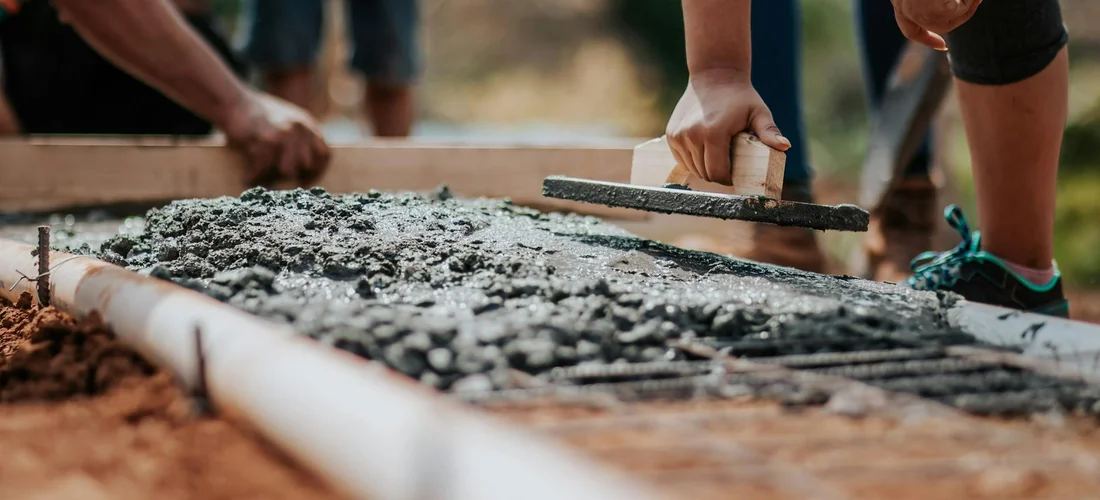
Option 2: Pouring a Reinforced Concrete Slab (The Gold Standard)
For soft soil, sloping yards, or if you want a permanent installation, concrete is the way. A reinforced slab spreads the load evenly and completely eliminates settling, which is why all professional installs I’ve supervised use this method. Follow these steps:
- Excavate to required depth (typically 4-6 inches for slab plus base). Factor in your gravel sub-base.
- Build a level, square form from 2×4 lumber. Secure it with sturdy stakes.
- Create a 4-inch compacted gravel sub-base. This is your drainage layer and frost barrier.
- Lay wire mesh or rebar for reinforcement to prevent cracking. Lift it into the middle of the slab depth with dobies or stones.
- Pour concrete (3500+ PSI mix) to a minimum 4-inch thickness. Order a little extra to be safe.
- Screed and finish the surface with a very slight broom texture for slip resistance. A perfectly smooth finish gets slippery when wet.
- Allow concrete to cure fully (7+ days) before placing the tub. Keep it moist and covered with plastic for the first few days.
Critical Pad Properties: Leveling, Slope, and Moisture Protection
Level is non-negotiable. A tub out of level by more than 1/4 inch over 10 feet can cause uneven water coverage for the skimmer, leading to poor filtration and chemical imbalances. Use that laser level to check every direction. However, the pad itself should have a barely perceptible slope-about 1/4 inch per foot-away from your house or any structure to shed rainwater. For moisture protection, consider applying a concrete sealer to a slab or using a vapor barrier under a gravel base to stop ground moisture from migrating up into the tub cabinet. This simple step fights corrosion on the pump and heater, making your components last years longer.
Final Installation: Placing the Tub and Prepping for Maintenance
That perfect pad you built is calling for its new occupant. I’ve felt the mix of excitement and anxiety on delivery day more times than I can count. How you handle these next few hours directly impacts your long-term repair bills and soaking pleasure.
The Strategic Placement
This isn’t just dropping a box; it’s a tactical maneuver. I always walk the path from driveway to pad with the delivery crew, pointing out overhead wires and checking for soft ground. Using a professional spa dolly is non-negotiable-the wheel pressure is distributed to prevent cracking your fresh concrete or pavers.
- Final Level Check: Place your level on the tub’s base frame, not the skirt. An uneven tub stresses plumbing joints silently until a leak appears.
- Service Access is King: Position the equipment bay facing the clearest path. You need room to kneel and open the panel fully. I learned this the hard way with a tub tucked into a corner, where a simple pump swap became a full-day ordeal.
- Consider the Cover: Ensure there’s clear, flat space to flip the cover off without scraping it on walls or railings. A damaged cover is a massive heat and money drain.
Creating Your Maintenance Command Post
Before you even think about filling, set up your maintenance station. My kit lives in a deck box: test strips, a dedicated measuring cup, gloves, and a digital thermometer. Consolidating your tools and chems in one dry spot makes weekly testing a 5-minute habit, not a chore.
- Water Supply Setup: Use a hose-end pre-filter for every fill. These $25 gadgets trap iron, copper, and sediments that cause stains and cloudiness from day one.
- Drainage Strategy: Know your exit route. A 1.5-inch diameter sump pump hose moves water far faster than gravity alone, directing old water away from your home’s foundation and landscaping.
- Electrical Safety Verification: Locate your GFCI breaker. Test it by pressing the button-you should hear a sharp click and see the power indicator on your tub’s control panel go dark. This monthly test is the simplest life-saving habit you can develop.
The Critical First Fill & System Prime
When you open that hose, you’re setting the stage for your water’s personality. I always add a metal sequestering agent as the tub fills to lock up minerals before they can stain. Listen for the steady hum of the circulation pump within minutes of water reaching the intake; silence here means an air lock or installation error.
- Filter Initiation: Soak new filter cartridges in a solution of filter cleaner and water for 30 minutes. This removes manufacturing residues and maximizes their 20-micron trapping power from the start.
- Initial Chemistry Balance: Follow this order like a recipe: Adjust Total Alkalinity to 80-120 ppm, then pH to 7.4-7.6. Only then add your initial sanitizer dose. Getting this sequence wrong makes balancing water a constant battle.
- Energy Efficiency Programming: Immediately program your filtration cycles. Two 4-hour cycles spaced 12 hours apart are often more efficient than one long run. Set them for early morning and early evening when ambient temperatures are lower, reducing the heater’s workload.
Take photos of your plumbing layout inside the equipment bay while it’s clean and dry. Having a clear reference photo on your phone is invaluable when you’re troubleshooting a leaky valve or a noisy pump in the future.
FAQs
How do I accurately measure my space to ensure a hot tub will fit?
Measure the exact length and width of your intended spot, then subtract at least 6 inches from each side for access. Remember to account for overhead obstructions and a clear path for delivery, ensuring gate widths and corners can accommodate the spa’s size and the crew’s equipment.
Should I choose a hot tub based on the manufacturer’s “person” count?
Not solely. Manufacturer counts assume upright, compact seating. For a realistic fit, consider the seating layout—deep lounge seats take more space—and be honest about your typical number of users. Think about lounge vs non-lounge seating as you decide which tub to buy. The best choice varies with space, typical users, and how you want to use the tub—lounge seats for comfort and social soaking, non-lounge layouts for compact efficiency. An oversized, underused tub leads to higher chemical use and upkeep for water that isn’t actively enjoyed.
What is the best foundation material for a hot tub?
The best material depends on your soil and budget. A reinforced concrete slab (4+ inches thick) is the gold standard for permanent, even weight distribution. For stable, well-drained ground, a mechanically compacted base of 3/4″ minus crushed gravel with solid concrete pavers is a strong, cost-effective alternative.
Why is a perfectly level foundation pad so critical?
A level pad prevents structural stress on the shell and plumbing. Being out of level by more than 1/4 inch over 10 feet can cause uneven water flow, leading to poor skimmer operation, filtration issues, and chemical imbalances that complicate routine water care.
How do I calculate the total weight my foundation needs to support?
You must add three weights: the tub’s dry weight (from the manual), the water weight (8.34 lbs per gallon), and the weight of the maximum number of bathers. For example, a 400-gallon tub alone holds over 3,300 lbs of water. Your pad must handle this concentrated load without settling to avoid future repairs. Knowing the average weight full hot tub matters because it informs you whether your foundation can safely support the load and prevent costly settlement. A properly rated pad or slab helps ensure safety and longevity of the installation.
The Handoff Check
Before you fire up the jets for that inaugural soak, there’s one final, non-negotiable step. Grab a trusted friend and walk a slow, deliberate lap around your tub with the cover off and the jets running. Look for any new drips from the equipment area that weren’t there during the fill. Feel for any vibrations that seem excessive or any groans from the pump. This last operational check is your final safety net, catching a loose hose clamp or a missed leak before water damage or a short circuit can happen.
Your foundation pad is the single most critical piece of your hot tub’s long-term health, and its care is simple. Once a season, slide a 4-foot level in multiple directions across the empty pad; if you see more than a quarter-inch gap, you’ve caught a settling issue early, before it twists the shell or strains the plumbing. This five-minute check prevents 95% of the major, wallet-emptying repairs I get called out for—especially those related to uneven foundation or plumbing stress.
The hard part is officially over. You’ve measured, planned, and built a rock-solid home for your relaxation. Now, go turn on the bubbles. You’ve earned it.
Further Reading & Sources
- 3 FOUNDATION TYPES FOR HOT TUBS | Jacuzzi®
- The Best Hot Tub Foundation – 6 Ways to Support Your Spa – Koval Building Supply
- What’s the Best Base for Your Hot Tub? | PDC Spas
- Confer 4 ft. x 6 ft. Handi Spa Hot Tub Deck Foundation Resin Base Pad (6 Pack) 2 x SP3248-3 – The Home Depot
- Gravel Bases for Hot Tubs: The Easiest Hot Tub Pad
- Build a Hot Tub Foundation Guide
Charlie is a hot tub enthusiast with a passion for keeping your jets running smooth and your bubbles bursting with joy. With years of experience in hot tub and jacuzzi maintenance, Charlie knows that a happy tub means a happy you. Whether it’s dealing with stubborn filters or giving your spa a little TLC, Charlie’s here to share expert tips, tricks, and plenty of laughs to help you keep your bubbly retreat in tip-top shape. So, kick back, relax, and let Charlie handle the rest — because no one likes a cranky jacuzzi!
Outdoor Setup