Hot Tub Not Easing Your Mind? How to Fix Stress & “Detox” Myths for Good
If you’re here because your hot tub feels like just another chore, or that promised “detox glow” never arrived, I get it. You’re not alone. The real issue is often mismatched expectations: a hot tub is a powerful tool for anxiety relief, not a magic detox machine, and using it wrong leads to frustration. This isn’t dangerous, just a major letdown. Let’s fix your mindset along with your water.
- What You Need:
- Your Tub, Filled & Heated
- Water Test Strips
- 15 Quiet Minutes
- A Quality Filter (Clean!)
By the end of this, you’ll know exactly how to turn your tub into the stress-melting haven it should be, without calling a single “wellness expert.”
The Science of Hot Water Therapy for Anxiety and Stress
When you sink into that warm water after a frustrating day, it’s not just in your head-your body is switching gears. Hydrotherapy and thermotherapy work by activating your parasympathetic nervous system, the part that tells your body to rest and digest instead of fight or flight. I’ve balanced water for hundreds of tubs, and I can tell you that consistent heat is key for triggering this calming response.
Your body reacts in several measurable ways to that soak. Studies show warm immersion can lower cortisol, your primary stress hormone, while improving blood flow and easing tight muscles. Better circulation means more oxygen gets to your tissues, which helps repair the minor aches I often get from fixing pumps.
The experience itself is a form of mindfulness. The steady hum of the circulation pump, the gentle pressure of the jets, and the enveloping heat all draw your focus away from mental chatter and into the present moment. It’s a sensory reset I rely on, but only when my tub’s chemistry is perfectly balanced and safe.
Hot Tubs and Detox: Separating Myth from Mechanism
Let’s get real about detoxification. Your liver and kidneys are the true workhorses, filtering toxins from your blood 24/7, while sweating plays a very minor secondary role. From a mechanical standpoint, a hot tub is simply a tool to promote that sweating and potentially aid lymphatic circulation. This naturally raises the question: do hot tubs improve blood circulation? Heat can temporarily widen blood vessels and boost flow, but the effect is modest and varies by individual.
So, what does your spa actually do? It raises your core temperature, which induces sweating and may improve circulation, but it doesn’t “pull toxins” from your cells like some claims suggest. I’ve heard all the myths, and here are the facts:
- Myth: Sweating in a hot tub flushes out heavy metals and toxins. Fact: Sweat is over 99% water and electrolytes; toxin removal is negligible compared to your liver and kidneys.
- Myth: You can “detox” through your feet in a spa. Fact: Your skin is a barrier, not a major excretory route for internal toxins; this is a sales gimmick.
- Myth: Turning the jets up high increases detoxification. Fact: Powerful jets are for muscle massage, not toxin removal; they simply improve local blood flow.
What “Detox” Really Means in a Spa Context
In our world, “detox” refers to the gentle heat stress that makes you sweat. This process can help purge some water-soluble compounds, but its primary benefit is supporting your body’s natural cooling and circulation systems. Think of it like a warm-up for your circulatory system, not a deep cleanse.
Here’s the critical part I stress to every owner: You must drink plenty of water before and after soaking to support your kidneys, the real detox organs, and prevent dehydration from the heat. Proper hydration keeps your body’s filtration running smoothly, much like a clean filter keeps your spa water pristine.
Setting Up Your Soak for Maximum Therapeutic Benefit
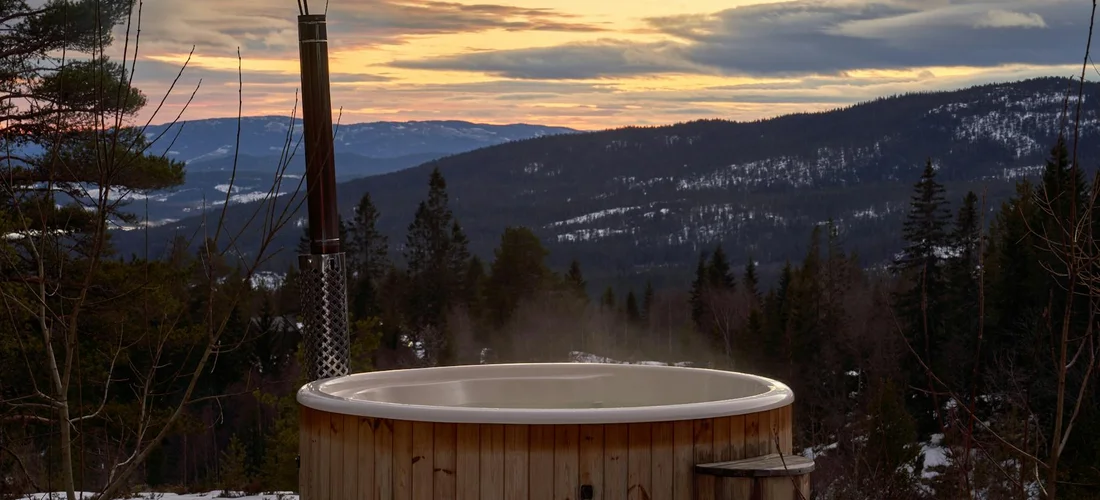
Think of your pre-soak routine like tuning an instrument before a concert. Five minutes of preparation ensures the entire experience is harmonious, safe, and deeply restorative, without any jarring interruptions.
- Always test your water with a fresh strip to confirm pH and sanitizer levels are in the comfort zone.
- Hydrate first with a glass of water; the warm soak will pull moisture from your body.
- Create ambiance with low, soft lighting to help your nervous system shift into rest mode.
- Keep your towel and robe nearby and pre-warmed-a chilly exit can tense muscles right back up.
- I always give the jets a quick 60-second purge without me in the tub to clear any loose debris from the lines.
Finding Your Perfect Temperature for Relaxation
Temperature is your direct dial for intensity. After balancing water for years, I’ve learned that a precise temperature setting is just as critical as perfect pH for a beneficial soak.
- For quieting anxiety and easing muscle tension, aim for a gentle 100°F to 102°F.
- If you’re pursuing a detoxifying sweat, you can edge up to 103°F or 104°F, but limit your time drastically.
Soaking in warm water lets your body’s thermostat relax. This respite from constant temperature regulation is a core reason a good soak leaves you feeling physically relieved and mentally lighter.
Structuring Your Session: Duration and Frequency
More is not always better with hydrotherapy. I recommend thinking of soaks like a steady, gentle rain rather than a occasional flood for building lasting resilience against stress. Emerging science suggests that appropriately paced soaking can actually reduce pain and stress, likely by easing muscle tension and improving circulation. When done consistently, it supports a calmer nervous system and better stress tolerance.
- Limit immersion to 15-20 minutes for stress reduction; this is the sweet spot before core body temperature rises too much.
- For consistent benefits, soak 3 to 4 times per week, allowing your skin and circulatory system a day of rest in between.
Warning Signs of Overheating or Overexertion
Your body sends clear signals when it’s time to get out. Pushing past these warnings undermines the therapy and can be dangerous, especially for heart health.
- Dizziness or a lightheaded feeling
- Sudden nausea or headache
- Excessive fatigue that feels heavy, not relaxed
- Skin that is intensely red or feels prickly
- Confusion or an unusually rapid heartbeat
Non-Negotiable Hot Tub Care for Health-Focused Use
A clean tub is a therapeutic tool; a neglected one is a liability. I’ve seen too many “relaxing” soaks ruined by the sting of chlorine or the haze of cloudy water, which is why I’m militant about my weekly maintenance routine.
- Impeccable water care isn’t just about the tub’s longevity-it’s the bedrock of every safe, effective session for your mind and body.
Balancing Water Chemistry for Body and Equipment
Water chemistry is a live conversation between you and your tub. Keeping a simple log of your test results will save you from guesswork and prevent the skin irritation that comes from imbalanced water.
- pH: Maintain between 7.2 and 7.8. Outside this range, sanitizer efficiency plummets and water can become corrosive or scale-forming.
- Total Alkalinity: Hold at 80-120 ppm (parts per million) to stabilize pH and protect your heater and pipes from corrosion.
- Sanitizer: Keep chlorine at 3-5 ppm or bromine at 4-6 ppm to safely control microbes without creating harsh odors.
Choose your sanitizer with sensitivity in mind. In my experience, bromine is softer on the skin and eyes at soak temperatures, making it a favorite for relaxation, while chlorine is a potent, cost-effective workhorse that requires more precise dosing. If you’re curious about the difference between bromine and chlorine in hot tubs, you’ll find a concise comparison in the next section. It will help you decide which sanitizer best matches your soak style.
Filter Maintenance for Pure Hydrotherapy
Your filter is the silent guardian of water clarity. That smooth hum from your circulation pump is the sound of a happy filter doing its job; a strained whine means it’s time for a cleaning.
- Every month, rinse the filter cartridge with a garden hose. Spray from the inside out between every pleat to blast out debris, avoiding high-pressure settings that can cause damage.
- Every 3-4 months, soak the filter overnight in a dedicated filter cleaner solution to dissolve ingrained oils and calcium that rinsing misses.
- Replace cartridges annually, or when pleats are visibly damaged. A standard 50-micron rating filters most contaminants; a 30-micron filter provides sparkling water but needs cleaning more often.
Filter micron ratings are a trade-off between clarity and maintenance. I typically recommend a 50-micron filter for most owners-it captures the problematic particles without demanding daily attention.
Safety Protocols and Contraindications for Therapeutic Soaking
Before you sink into those warm, swirling waters seeking peace, a quick safety check is non-negotiable. I’ve seen too many well-intentioned soaks go sideways because basic precautions were overlooked. Treating your hot tub as a therapeutic device means respecting its power and your body’s limits, just like you would with any other piece of medical equipment. Following health and safety guidelines is crucial to ensure a safe experience.
Medical Conditions Requiring a Doctor’s Green Light
The heat and buoyancy affect your cardiovascular system and internal pressure. Always consult your physician before regular soaks if you have:
- Pregnancy: Elevated core temperature, especially in the first trimester, poses significant risks.
- Heart disease, low or high blood pressure (hypertension).
- History of stroke or seizures.
- Open wounds, sores, or recent surgery.
- Diabetes, which can affect temperature sensitivity and circulation.
- Any condition causing reduced sensation in the skin.
Essential Soaking Safety Guidelines
These rules are as critical as balancing your alkalinity. Follow them every time.
- Hydrate, Then Hydrate More: The warm water makes you sweat profusely, even if you don’t feel it. Sip cool water before, during (keep a glass on the side), and after your soak to prevent dehydration and dizziness.
- Zero Alcohol Policy: Combining hot tubs and alcohol is a dangerous cocktail that can lead to drowning, severe dehydration, and cardiovascular strain. Save the drink for after you’ve cooled down.
- Never Soak Alone: Always have someone within earshot. If you feel lightheaded, nauseous, or overly fatigued, you need immediate assistance to get out safely.
- Mind the Clock and Temp: Limit soaks to 15-20 minutes at a time with a water temperature not exceeding 104°F (40°C). Longer or hotter can stress your system.
- Exit with Care: Stand up slowly. The combination of vasodilation (expanded blood vessels) and buoyancy can cause a sudden drop in blood pressure when you stand. Use the handrail and pause for a moment before stepping out.
Integrating Mindfulness Practices into Your Hot Tub Routine

Here’s where the magic happens, transforming a simple soak into a profound reset. I coach my clients to pair the hot tub’s physical warmth with mental exercises to amplify the anxiety-reducing effects. The goal is to move from just sitting in hot water to actively engaging your body’s relaxation response, shifting from a state of ‘fight-or-flight’ to ‘rest-and-digest.’ This involves mindful soaking and using your hot tub for meditation and stress reduction.
Simple Breathing Exercises for the Tub
Focus on your breath. The steady hum of the circulation pump makes a perfect rhythmic backdrop.
- Diaphragmatic Breathing: Place one hand on your chest, the other on your belly. Inhale slowly through your nose for a count of four, feeling your belly rise. Your chest hand should stay relatively still. Exhale slowly through pursed lips for a count of six. Repeat five times.
- Box Breathing (4-4-4-4): Inhale for 4 seconds. Hold your breath for 4 seconds. Exhale smoothly for 4 seconds. Hold your lungs empty for 4 seconds. This technique is remarkably effective at calming a racing mind.
- Sensory Focus: On each inhale, mentally note one sensation: the warmth on your shoulders, the water’s movement, the sound of the jets. On each exhale, consciously release a single thought or tension point you’re holding in your jaw or shoulders.
Linking Practice to Parasympathetic Activation
These aren’t just “feel-good” tips; they have a direct physiological impact. Slow, controlled breathing directly stimulates your vagus nerve, the command center of your parasympathetic nervous system. This activation tells your body to slow your heart rate, lower blood pressure, and begin the repair processes that high stress halts, effectively flipping your internal switch from ‘panic’ to ‘peace.’ Done consistently, especially in the evening, this practice signals to your body that it’s safe to wind down, dramatically improving sleep onset and quality. The hot tub simply provides the perfect, distraction-free environment to make it a habit. Just be mindful: hot tubs can cause dehydration through sweating. Adequate hydration helps protect sleep quality after a soak.
Troubleshooting Common Issues That Disrupt Your Relaxation
That promising soak can vanish in an instant with a sudden grinding noise or an angry “FL” code flashing on the control panel. I’ve been there, kneeling beside a tub, the peaceful hum replaced by a mechanic’s headache. Chasing down these gremlins yourself not only saves money but restores your control over your sanctuary faster than waiting for a service call.
Silencing the Noisy Intruders: Pumps and Jets
A noisy pump is a master of ambiance destruction. The sound often tells you exactly what’s wrong. A high-pitched whine usually points to a dry shaft seal, often from an air lock. A deep grinding? That’s often bearing wear.
- For a Whining Pump: First, try bleeding air from the system. Turn off the tub. Open the union connector on the pump’s wet end (have a towel ready for a small spill). Let any trapped air escape, reseal it, and restart. This fix works more often than you’d think.
- For a Grinding Pump: The bearings inside the dry end are likely failing. While a full pump replacement is common, on many older models, you can replace just the dry end (the motor and housing), which is significantly cheaper and a solid DIY project with a basic socket set.
- Squeaky or Rattling Jets: This is usually simple. Remove the jet face and check for debris like a small pebble or hair tie inside. Lubricate the rotating parts with a pure silicone lubricant-never use petroleum-based grease, as it will ruin your plumbing seals.
Decoding Error Messages Before Anxiety Spikes
Don’t let a random code send you into a panic. Many are simple resets. An “OH” or “DR” code means the water temperature is too hot or the sensor is dry-check your water level immediately. A persistent “FLO” error indicates a flow problem.
- FLO Error Action Plan: 1) Check and clean your filter-a 25-micron filter can clog in just a week during pollen season. 2) Ensure the skimmer weir door isn’t stuck. 3) Listen for the circulation pump; if it’s silent, it may have failed. These small 24/7 pumps do wear out, but swapping one is straightforward if you’re comfortable with basic plumbing and PVC primer/cement.
- SNC or Cold Water Errors: If the heater isn’t engaging, feel the pipes near it after the pump runs for 10 minutes. If they’re cold, you likely have a failed heating element or a tripped high-limit thermostat. Replacing a 5.5kW element is a very common fix I’ve done multiple times; just remember to power down at the breaker completely and double-check with a voltage tester-safety around electricity and water is non-negotiable.
DIY Fixes for Cloudy Water and Temperature Swings
Nothing ruins the sensory pleasure of a soak faster than murky water or a sudden chill. These are almost always chemistry or flow issues, not magic.
- Banishing Cloudiness: Cloudy water is often a filter or alkalinity problem. First, pull your filter and hose it down thoroughly. If it’s older than 12 months, replace it-a fresh 50 sq. ft. cartridge makes a world of difference. Second, test your Total Alkalinity (TA). If it’s below 80 ppm, your pH is bouncing around, making sanitizer ineffective. Raise TA with baking soda to 120-150 ppm, then adjust pH to 7.4-7.6.
- Stabilizing Temperature: If your tub struggles to heat or loses heat fast, check the simple stuff first. Is the cover fitting snugly and waterlogged? A heavy, soggy cover is a huge energy drain. Next, feel the equipment compartment while the heater is on. If it’s excessively hot, you might have a stuck relay on the circuit board, causing the heater to run non-stop-this is a job for a pro, but diagnosing it saves diagnostic time.
When Maintenance Directly Impacts Your Mental Escape
Proactive care is the ultimate anxiety reducer. Knowing your water is balanced and your system is sound lets you fully disconnect the moment you step in. A clean filter is the lungs of your hot tub; without it breathing freely, everything else struggles and your mind can’t truly rest.
I treat water balance like a simple recipe. Your sanitizer (chlorine or bromine) is the main ingredient, but Total Alkalinity is the mixing bowl that holds everything stable. Get that foundation right first. Aim for 3-5 ppm chlorine or 4-6 ppm bromine, and keep your alkalinity firm. This routine prevents the sting of improper chlorine levels and the worry of what’s in the water.
Your 60-Second Pre-Soak Peace-of-Mind Checklist
Run through this quick list before you get in. It becomes a calming ritual that ensures uninterrupted tranquility.
- Clarity Sniff Test: Look for sparkling water and take a light sniff. It should smell clean or faintly of sanitizer, not strongly chemical or musty.
- Temperature Tap: Glance at the digital readout. Is it within a degree or two of your set point? Stability is key.
- Jet Sound Check: Turn on the jets for just 5 seconds. Listen for their normal, powerful hum without unusual rattles or straining.
- Floating Debris Scan: Skim any leaves or bugs off the surface. A clean visual field enhances the mental escape.
- Sanitizer Quick Verify: Dip a test strip. Seeing those colors in the proper range is your final all-clear signal to unwind.
FAQs
Can using a hot tub actually reduce my anxiety levels?
Yes, regular hot tub use can significantly reduce anxiety by leveraging warm water therapy. The immersion helps shift your body into a relaxed state, lowering stress responses and promoting mental calm. When combined with consistent care, it becomes a reliable tool for managing daily stress. The science behind hot tubs for stress relief supports their use for mental wellness.
What is the best time of day to use a hot tub for anxiety relief?
Evening soaks are often ideal, as they can help signal your body to wind down before sleep. However, any time you can dedicate 15-20 minutes of uninterrupted relaxation will be beneficial. Consistency, such as 3-4 times weekly, matters more than the specific hour for building resilience against anxiety.
Are there any risks of using a hot tub for anxiety if I have a medical condition?
If you have conditions like heart disease, hypertension, or are pregnant, consult a doctor first, as heat can pose risks. Always follow safety guidelines, such as limiting soak time and avoiding alcohol, to prevent complications. Proper hydration and monitoring for dizziness are crucial to ensure a safe experience.
How can I make my hot tub session more effective for reducing anxiety?
Enhance your soak by integrating mindfulness practices, like focused breathing exercises, to deepen relaxation. Ensure your tub is properly maintained with balanced chemistry and a clean filter for a distraction-free environment. Creating a calm ambiance with soft lighting can further support anxiety reduction. Pair this with subtle lighting and soothing soundscapes to enhance your hot tub experience. These elements can be tuned to your mood and time of day.
What should I do if my hot tub isn’t helping with my anxiety?
First, check for common issues like imbalanced water chemistry or equipment noises that may disrupt relaxation. Adjust your routine by incorporating structured sessions with set durations and temperatures. If problems persist, review your expectations and consider consulting a professional to ensure your tub is optimized for therapeutic use.
Your Weekly Commitment to Clarity
Before you sink into that first truly restorative soak, make your final pre-immersion ritual a sensory one. Listen for the steady hum of the pump, feel the power of the jets, and glance at the water’s brilliant sparkle under the light. This quick check is your final safety and success confirmation.
The single most powerful habit to protect your investment in calm is to rinse your filter cartridge with a strong hose stream every single week and swap it for a clean, dry spare. This five-minute task prevents the biofilm buildup that starves your sanitizer, clouding your water and your mood. A clean filter is the guardian of everything you’re trying to achieve.
You’ve done the work. The balance is right, the system is quiet, and the water is inviting. Now, go ahead. Breathe out, get in, and let the warmth do the rest. You’ve earned it.
Further Reading & Sources
- The One-Day Stress Cleanse – Doctor Oz
- A Comprehensive Guide to the Common Detox Myths Debunked
- Stressed out and wondering if a ‘cortisol detox’ can help? Not so fast | Natasha May | The Guardian
- It is Time to Stress Detox? Stress is a Daily Toxin that Leads to Health Issues – Institute for Natural Medicine
- Impacts of digital social media detox for mental health: A systematic review and meta-analysis – PMC
- Mindful Detox: The role of stress management in cleansing
Charlie is a hot tub enthusiast with a passion for keeping your jets running smooth and your bubbles bursting with joy. With years of experience in hot tub and jacuzzi maintenance, Charlie knows that a happy tub means a happy you. Whether it’s dealing with stubborn filters or giving your spa a little TLC, Charlie’s here to share expert tips, tricks, and plenty of laughs to help you keep your bubbly retreat in tip-top shape. So, kick back, relax, and let Charlie handle the rest — because no one likes a cranky jacuzzi!
Hot Tub Reviews