The Hydrotherapy Prescription: How to Use Water Science to Shut Off Pain and Stress for Good
Published on: February 15, 2026 | Last Updated: February 15, 2026
Written By: Charlie Bubbles
If you’re rubbing a sore shoulder or feeling wound too tight to sleep, your body is sending a clear signal. Your nervous system is stuck in a ‘fight-or-flight’ loop, and your muscles are bearing the brunt. This isn’t dangerous like a live wire, but it’s a draining nuisance that steals your peace.
What You Need:
- A water source you can trust: your hot tub, a deep bath, or a consistent warm shower.
- Twenty minutes where you won’t be interrupted.
- The simple science of how 104°F water talks directly to your blood vessels and nerves.
You will learn the mechanics of buoyancy, heat, and pressure to become your own hydrotherapist, starting tonight.
What is Hydrotherapy? More Than Just a Warm Bath
Defining Water Therapy for the Hot Tub Owner
Think of your hot tub not just as a box of hot water, but as a personal therapeutic station. Hydrotherapy is the controlled use of water—its temperature, pressure, and buoyancy—to ease pain, loosen stiff muscles, and calm your mind. As a tech who has balanced thousands of gallons of water, I can tell you that the real magic happens when chemistry and mechanics work together to create that perfect, consistent soak. It’s why I nag everyone about pH levels; off-balance water can irritate your skin and undermine the whole relaxing effect .
Your tub’s jets are the delivery system. When I adjust a misaligned pump or clear a clogged jet, I’m not just fixing a part-I’m restoring a therapy tool. Proper hydrotherapy requires water that’s correctly sanitized, balanced, and moving with purpose, which is why filter cleaning and pump maintenance are non-negotiable. That gentle hum of the circulation pump is the sound of your therapy session being prepped. That’s targeted hydrotherapy massage—adjusting jet direction and strength to the spots that ache. Fine-tuning the jets turns maintenance into a personalized relief session.
Hot Tub Hydrotherapy vs. Other Methods
You have options for water therapy, but your hot tub offers a unique blend. Let’s break it down:
- Swimming Pools: Great for exercise, but the water is often cooler and lacks targeted jet pressure. Your hot tub provides sustained heat and massage in one spot.
- Cold Plunges: These are for acute inflammation reduction, a different beast altogether. A hot tub focuses on muscular relaxation and chronic pain relief through warmth.
- Professional Physical Therapy Tanks: These are fantastic, but expensive and not in your backyard. Your hot tub is a cost-effective, daily-use alternative that you control, provided you keep up with its care.
The advantage sits in your control panel. You dial in the exact heat, typically between 100°F and 104°F, and activate jets that deliver hydrostatic pressure directly to your sore spots. I’ve repaired enough heater elements to know that a reliable, energy-efficient heating system is what lets you harness hydrotherapy on demand, any night of the week.
The Core Mechanisms: How Water Works on Your Body
Heat and Thermoregulation: Your Body’s Response
When you sink into that 102°F water, your body isn’t just getting warm-it’s shifting gears. Your blood vessels near the skin dilate, a process called vasodilation, to dump excess heat. This increased blood flow is like a delivery truck for oxygen and nutrients to tired muscles, while carting away metabolic waste like lactic acid. That deep, satisfying warmth you feel is your circulatory system getting a gentle nudge into high gear.
But your body is smart. It won’t let you overcook. You’ll naturally start to sweat, even submerged, to cool your core. This is why I always recommend limiting soaks to 15-20 minutes; it’s the sweet spot for therapeutic benefit without overtaxing your system. It’s similar to how a well-maintained heater cycles on and off to hold a steady, safe temperature-your body and your tub are both working to find balance.
The Magic of Buoyancy: Taking the Weight Off
Buoyancy is water’s gift of weightlessness. In a hot tub, you’re about 90% lighter. That crushing force of gravity on your knees, hips, and spine simply vanishes. For my clients with arthritis or old injuries, this floating sensation is what lets them move and stretch without that sharp, familiar pinch. It creates a low-impact environment where exercise is easier and stiffness melts away.
Think of it this way: your joints are like hinges that have been stuck under a heavy load. Buoyancy lifts the load, allowing the “hinge” to be gently worked and lubricated by the warm water and movement. This is why water aerobics are so effective, and your hot tub brings that principle right to your home. Keeping your water level correct ensures optimal buoyancy-another simple DIY check that makes a big difference.
The Squeeze of Hydrostatic Pressure
This is the hidden force you feel as a gentle, even hug from the water. Hydrostatic pressure is the constant push from the water molecules surrounding you. It increases with depth, so your feet and legs feel it more. This pressure aids your circulatory system by gently squeezing tissue, which can help reduce swelling (edema) in limbs and improve venous return of blood to the heart. That reduction in minor swelling is a key reason why a soak can make your legs feel lighter and less achy.
Your tub’s jets amplify this effect. They create localized areas of greater pressure, acting like a deep-tissue massage to break up muscle knots. From a maintenance perspective, scaling or debris in your plumbing can disrupt this jet pressure, turning a therapeutic squeeze into a weak trickle. I’ve seen it happen when calcium hardness creeps above 200 ppm and starts coating the interior of pipes. A good flush with a plumbing cleaner can restore that powerful, therapeutic squeeze you paid for.
How Hydrotherapy Targets Pain and Inflammation
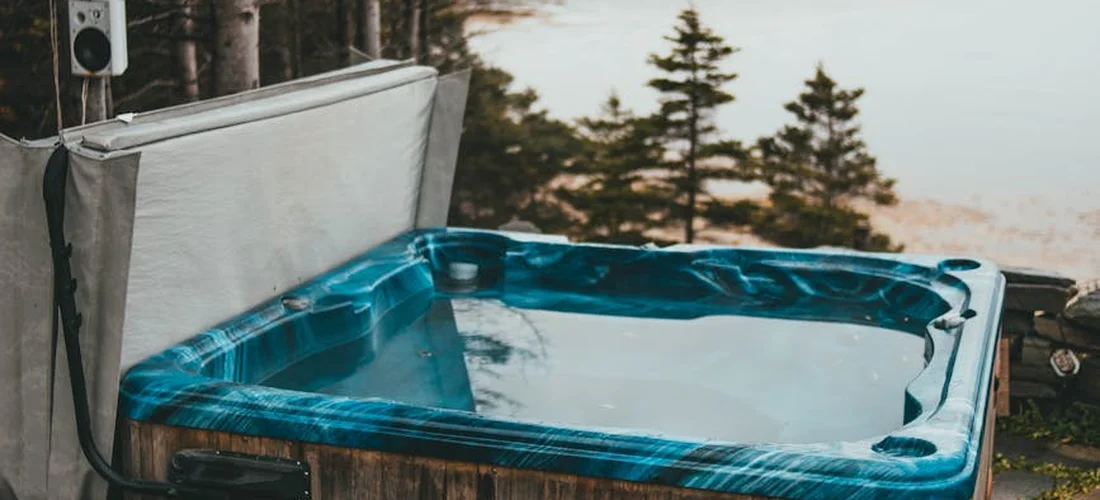
Soaking isn’t just about feeling good; it’s a targeted physical therapy session. The combination of heat, buoyancy, and massage works on a cellular level to dismantle the mechanisms of pain. I’ve seen clients with chronic stiffness get back to their gardens and golfers recover their swing far quicker after integrating regular soaks. The key is consistency-a daily 15-minute soak can be more effective than one long weekly session for managing chronic discomfort.
Breaking the Pain-Spasm-Pain Cycle
This vicious loop is where most muscular pain lives. An injury or strain causes pain, which makes the surrounding muscles tighten in a protective spasm. That spasm cuts off blood flow, causing more pain, and the cycle continues. Hydrotherapy attacks this on two fronts. The heat dilates blood vessels, rushing oxygen-rich blood to the starving tissue. Simultaneously, the buoyancy of the water removes gravity’s pressure, allowing those clenched muscles to finally, truly relax. Think of it as turning off the alarm (the spasm) so the repair crew (your blood) can get to work on the damage. It’s one of the many ways hydrotherapy benefits your body.
Accelerating Muscle Recovery
After a tough workout, your muscles are peppered with micro-tears and flooded with metabolic waste like lactic acid. This is where the massage action of the jets is irreplaceable. The pulsating water performs a deep, consistent percussion that you simply cannot replicate by hand.
- Increased Circulation: Jet massage pushes blood through tired muscles, flushing out lactic acid and other inflammatory byproducts.
- Nutrient Delivery: That same boosted circulation delivers fresh oxygen and nutrients needed for repair.
- Hydrostatic Pressure: The water’s gentle, even pressure on your limbs acts like a full-body compression sleeve, reducing swelling and encouraging fluid return to your core.
For best recovery, I advise a soak in 100-102°F water within an hour post-exercise, focusing jets on large muscle groups for no more than 20 minutes.
Easing Tension Headaches and Migraines
Many headaches start as a knot of tension in the neck and shoulders. The warm, weightless environment of a hot tub is the perfect remedy. As the neck and trapezius muscles release, the tension on the cranial nerves and blood vessels lessens. I recommend a specific posture: lean back, let your head float, and position jets on your upper back and shoulders. The gentle stretch of your cervical spine in the water can provide immediate relief. Combining this hydrotherapy with mindful breathing often stops a tension headache in its tracks before it fully takes hold.
How Hydrotherapy Melts Away Stress and Improves Sleep
The mental benefits are just as profound as the physical ones. That deep sigh of relief you feel when you sink into the tub is your body switching gears at a fundamental level. It’s a shift you can measure in heart rate, hormone levels, and brain waves. This isn’t just relaxation; it’s a deliberate, physiological reset for your entire nervous system.
Activating the Parasympathetic Nervous System
Your body has two main operating systems: “fight-or-flight” (sympathetic) and “rest-and-digest” (parasympathetic). Modern life keeps the first one stuck in the “on” position. The precise warmth of hot tub water, around 100-104°F, is a direct signal to your brain to engage the calming parasympathetic system. Your heart rate slows, digestion improves, and a sense of calm envelops you. You are essentially using water temperature to hack your autonomic nervous system, telling your body it’s time to stand down from high alert.
The Endorphin Boost: Your Natural Feel-Good Chemicals
Heat and massage trigger your brain to release endorphins. These are your body’s native painkillers and mood elevators, similar in structure to morphine. This is why that ache in your knee fades and your general outlook brightens during a soak. It’s a natural, chemical reward. The gentle hum of the circulation pump and the rhythm of the jets become a catalyst for your own internal pharmacy to dispense its best medicine.
Priming Your Body for Deep Sleep
Here’s a trick I’ve used for years: a soak about 90 minutes before bed. The warm water raises your core body temperature. When you get out, your body initiates a rapid cooldown process to regain equilibrium. This significant temperature drop is a powerful biological trigger for sleepiness, mimicking your body’s natural pre-sleep temperature dip. It signals the production of melatonin, your sleep hormone.
- Soak for 15-20 minutes in 100-102°F water.
- Take a lukewarm rinse shower to start the cooldown.
- Allow your body to dry and cool naturally in a calm environment.
This deliberate “thermal workout” is far more effective for battling insomnia than any over-the-counter sleep aid I’ve encountered, and it leaves you refreshed, not groggy.
Practical Soaking Techniques for Maximum Benefit

Setting Up Your Session: Duration, Temperature, and Timing
Think of your soak like a recipe-get the ingredients wrong, and the results are off. For duration, aim for 15 to 20 minutes. Any longer, and you risk overheating or dehydration. I learned this the hard way after dozing off and waking up pruney and dizzy. Stick to shorter sessions to let your body absorb the benefits without stress.
Temperature is your dial for comfort and therapy. Most folks find 100°F to 104°F perfect. If you’re new to hydrotherapy, start at 100°F and nudge it up. My old tub in Dallas taught me that 102°F was the sweet spot for melting away shoulder tension without sweating bullets. Use a reliable thermometer; don’t just trust the digital display, as calibrations drift over time. Finding that ideal temp is a balance of safety and comfort. Sticking to trusted guidelines helps you enjoy the benefits without unnecessary risk.
Timing can transform your soak. Evening soaks ease stress and prep you for sleep, while morning dips can loosen stiff joints. Avoid soaking right after a big meal-your body is busy digesting. I schedule my soaks for 9 PM, and it’s become a ritual that signals my day is done. Consistency in timing helps your mind and body anticipate relaxation, boosting the stress-relief effect.
Mastering Your Jets for Targeted Relief
Your jets are like tools in a toolbox-each has a purpose. For lower back pain, position yourself so the jets hit the sore spots directly. Adjust the flow control knobs to avoid bruising; you want a firm massage, not a punch. Start with low pressure and increase gradually to let muscles acclimate.
Rotate through different jet settings every few minutes. Most tubs have zones: lumbar, calf, foot. Spend time on each area. I fixed a client’s tub with clogged jets, and after clearing them, she said the targeted flow felt like a professional massage. Clean your jet nozzles monthly with a vinegar solution to prevent mineral buildup that weakens pressure.
Here’s a quick guide for common aches:
- Neck and Shoulders: Use upper-back jets, tilt your head forward gently.
- Legs and Calves: Sit with legs extended, let the lower jets work on knots.
- Feet: Many tubs have foot domes; soak feet for improved circulation.
Remember, jet therapy isn’t just about power. Sometimes, a gentle bubble setting can soothe nerves better than a deep tissue blast. Listen to your body-if a jet feels too intense, back it off immediately.
Incorporating Breathwork and Mindfulness
Pair your soak with breathing to amplify stress reduction. As you sink in, take a slow, deep breath for four counts, hold for four, exhale for six. This simple pattern slows your heart rate and syncs with the water’s rhythm. Controlled breathing turns a mere soak into a meditative practice, lowering cortisol levels effectively.
Focus on sensations: the warmth enveloping you, the sound of bubbles, the weightlessness. When my mind races after a long day, I count my breaths to ten and start over. It grounds me every time. Many find that the same ritual also helps reduce anxiety and promote a sense of cleansing. The warm soak can feel like a gentle detox for the body and mind. Avoid distractions like phones; let the hot tub be your sanctuary for mental reset.
Try this sequence during your next session:
- Get comfortable and close your eyes.
- Inhale deeply through your nose, feeling your chest rise.
- Exhale slowly through your mouth, releasing tension.
- Repeat for five cycles before adjusting jets or position.
This habit costs nothing but adds immense value to your hydrotherapy routine. Regular mindfulness in the tub trains your nervous system to associate warmth with calm, creating a lasting anti-stress response. It’s a key part of mindful soaking for stress reduction.
Enhancing Your Hydrotherapy: The Critical Role of Hot Tub Care
Water Chemistry is Therapy Chemistry
Balanced water isn’t just clear-it’s safe and effective for therapy. Imbalanced pH can irritate your skin and eyes, ruining relaxation. I’ve tested water for years, and keeping pH between 7.2 and 7.8 makes all the difference. Test your water weekly with a reliable kit; don’t guess, because inaccuracy leads to discomfort and damage.
Sanitizer levels are non-negotiable. Chlorine or bromine should be in the 3-5 ppm range. Too low, and bacteria thrive; too high, and you’ll smell that harsh chemical sting. I once had to drain a tub because neglected sanitizer led to cloudy, smelly water-a total therapy killer. Use stabilized sanitizers in summer sun to prevent rapid breakdown, ensuring consistent protection.
Here’s a quick checklist for ideal chemistry:
- Total Alkalinity: 80-120 ppm-acts as a buffer for pH swings.
- Calcium Hardness: 150-250 ppm-prevents corrosion or scaling.
- Sanitizer: 3-5 ppm chlorine or 4-6 ppm bromine.
Think of it like baking: precise measurements yield the best results. A small investment in test strips saves money on repairs later. Always add chemicals to water, never water to chemicals, and wear gloves to avoid skin reactions.
Maintaining Jet Performance and Water Flow
Weak jets mean weak therapy. Often, poor flow is due to clogged filters or airlocks. I’ve unclogged dozens of filters by soaking them in a filter cleaner solution overnight-it’s a DIY fix that restores pressure instantly. Clean your filter cartridge every two weeks and replace it annually; a dirty filter strains your pump and cuts jet power.
Check for air in the lines if jets sputter. Turn off the tub, open the air relief valve on the filter, and let it bleed out. This simple step fixed the hum in my circulation pump last winter, saving a service call. Regularly inspect jet faces for debris; a toothbrush can dislodge grit that blocks water flow.
Common flow issues and fixes:
- Low Pressure: Clean filter, check for closed valves.
- Noisy Pump: Listen for grinding-may need lubrication or professional help.
- Uneven Jets: Balance water chemistry to prevent scale buildup.
Maintenance is proactive therapy for your tub. A well-kept system ensures every soak delivers the hydrotherapy you bought it for. Schedule a monthly “tub check” where you run all jets and listen for unusual sounds-early detection prevents costly repairs.
Energy Efficiency for Guilt-Free Soaking
An efficient hot tub lets you soak without worrying about the electric bill. Start with a good cover-it’s the best insulator. I upgraded to a 4-inch foam cover, and my energy use dropped by 30%. Make sure it seals tightly; heat loss is money lost. Invest in a high-quality, thermal lock cover; it pays for itself in reduced heating costs within a year.
Lower the temperature when not in use. If you soak daily, keep it at your preferred setting. For occasional use, drop it to 85°F between soaks. Modern tubs have efficient heaters, but older models benefit from timers. I installed a simple timer on my dad’s tub, cutting his runtime during peak hours. Use a floating thermal blanket along with the cover to trap heat at the water surface, minimizing evaporation. During summer, keep up with maintenance so your tub is ready for quick, refreshing soaks. Regular chemical checks and proper cover use help reduce evaporation and energy use on hot days.
Here are easy energy tips:
- Filter Cycles: Run the pump during off-peak hours if your utility rates vary.
- Windbreaks: Place your tub in a sheltered spot to reduce heat loss from wind.
- Regular Maintenance: Clean filters and balanced water reduce pump workload.
Efficiency isn’t just about savings; it’s about sustainability. A well-maintained tub uses less power, extending the life of components like heaters and pumps. Every six months, check for heat leaks around the cabinet and seals—a quick caulk job can boost efficiency significantly. Reducing heat leaks improves energy efficiency and lowers electricity costs.
FAQs
How often should I use my hot tub for pain relief to see results?
For managing chronic pain, consistency is more important than duration. A daily 15-20 minute soak is typically more effective than one long weekly session. This regular practice helps break the pain-spasm cycle and maintains improved circulation and muscle relaxation. Always ensure your water chemistry is balanced to support these frequent therapeutic sessions.
Are there any pain conditions where hot tub hydrotherapy is not recommended?
Yes, you should avoid heat-based hydrotherapy for acute injuries (first 48 hours), open wounds, or if you have a condition like advanced heart disease or severe hypertension. The heat and pressure can exacerbate certain issues. It is crucial to consult with your doctor before starting if you have any specific medical concerns.
Can I combine hydrotherapy with other pain management treatments?
Absolutely. Hydrotherapy is an excellent complement to treatments like physical therapy, stretching, and massage. The warm, buoyant environment is ideal for performing gentle rehabilitation exercises prescribed by a physiotherapist. Always inform your healthcare provider about your hydrotherapy routine to ensure a coordinated approach.
What’s the best way to use the jets for immediate relief from sore muscles after activity?
For post-exercise recovery, soak within an hour at 100-102°F. Position yourself so the jets directly target large, tired muscle groups like your legs, back, or shoulders. Use a firm but comfortable pressure and move the jets around every few minutes. Limit this session to 20 minutes to avoid overheating and support the body’s natural repair process.
What should I do if my usual soak isn’t relieving my persistent pain?
First, check that your hot tub is functioning correctly-ensure jet pressure is strong, water temperature is accurate, and chemistry is balanced. If the issue persists, your pain may require a different approach. It’s important to consult a healthcare professional to rule out underlying issues that require specific treatment beyond hydrotherapy’s scope.
Protecting Your Progress
Before you slide into that warm, welcoming water, make your final pre-soak check a ritual. Turn on the jets and feel for strong, even pressure from every port; listen for the healthy hum of the pump without any worrisome groans or silences. This quick two-minute test ensures your hydrotherapy session is both safe and maximally effective, so every minute of your soak is dedicated to relief, not troubleshooting.
The single most powerful thing you can do to protect the pain-relieving benefits of your tub is to defend its water balance with a simple weekly test of total alkalinity. Think of alkalinity as the foundation for everything else-it keeps your pH stable, which in turn makes your sanitizer work properly and protects your equipment from corrosive scale. I’ve seen more therapy sessions ruined by itchy skin or cloudy water from neglected chemistry than by any failed pump.
You’ve done the work to understand the science. Now, go claim your reward. The water is perfect, the jets are waiting, and a deeper, more soothing soak is yours for the taking.
Further Reading & Sources
- Hydrotherapy Techniques for Managing Chronic Pain
- What Is Hydrotherapy: Benefits, Risks, and Techniques
- Get in the Water: Hydrotherapy for Pain and Movement
- Benefits of Hydrotherapy for Muscle Recovery and Pain Relief
- Hydrotherapy: What It Is, Benefits & Uses
- Impact of water therapy on pain management in patients with fibromyalgia: current perspectives – PMC
Charlie is a hot tub enthusiast with a passion for keeping your jets running smooth and your bubbles bursting with joy. With years of experience in hot tub and jacuzzi maintenance, Charlie knows that a happy tub means a happy you. Whether it’s dealing with stubborn filters or giving your spa a little TLC, Charlie’s here to share expert tips, tricks, and plenty of laughs to help you keep your bubbly retreat in tip-top shape. So, kick back, relax, and let Charlie handle the rest — because no one likes a cranky jacuzzi!
Hot Tub Reviews