Stop Tossing and Turning: How Hydrotherapy Fixes Sleep Disorders in 3 Steps
If you’re trapped in a cycle of restless nights, lying awake with a busy mind only to face the day drained, your body is signaling a deeper imbalance. This is insomnia-a common thief of rest that disrupts your natural sleep-wake cycle, but it’s a problem you can manage starting tonight without panic.
- What You Need: A bathtub or accessible warm water (100-104°F), 20 minutes of uninterrupted time, a quiet, dark space, and a simple plan to unplug.
I’ve seen firsthand how the right warm water ritual can reset an overworked nervous system, and I’m going to show you exactly how to do it yourself, no sleep clinic required.
How Hydrotherapy in Your Spa Targets Sleep Disorders
You know that heavy, relaxed feeling after a good soak? That’s not just in your head. It’s a full-body reset. Using your spa for targeted hydrotherapy works on two major fronts: releasing physical tension and signaling to your brain that it’s time to power down. It’s a one-two punch against the physical restlessness and mental chatter that keep you staring at the ceiling.
The Link Between Warm Water Immersion and Sleep Quality
Think of your evening soak as a deliberate transition ritual. The warm water acts as a powerful external cue, shifting your body from “go” mode to “slow” mode. This isn’t just about getting warm; it’s about triggering a specific and beneficial physiological sequence that paves the way for deeper, more restorative sleep.
Key Physiological Changes: Muscle Relaxation and Circadian Rhythm
Let’s break down what’s happening under the surface. The heat and buoyancy of the water create an ideal environment for your body to unwind.
- Muscle Relaxation: The warm water causes your blood vessels to dilate (a process called vasodilation). This improved circulation delivers more oxygen and nutrients to tired muscles and helps flush out metabolic waste like lactic acid. The buoyancy takes about 90% of your body weight off your joints and spine, allowing deep-seated muscular tension to simply melt away.
- Circadian Rhythm Support: Your body has a master clock that relies on temperature cues. A core body temperature drop is a key signal for sleep onset. A warm soak in your spa raises your core temperature slightly. When you step out, your body works to cool itself down rapidly, mimicking that natural pre-sleep temperature drop. This controlled cooldown is a powerful, natural signal to your brain that it’s time for sleep, helping to solidify your circadian rhythm.
- Nervous System Shift: The combination of warmth, weightlessness, and gentle massage from the jets encourages a shift from the stressed “fight-or-flight” sympathetic state to the restful “rest-and-digest” parasympathetic state. This lowers heart rate and blood pressure, creating the internal quiet needed for sleep.
Types of Aquatic Therapy for Sleep: Warm Bath vs. Controlled Hydrotherapy
While a warm bath is beneficial, a modern spa offers a more targeted, controlled therapeutic experience. I’ve helped clients set up routines for both, and the difference in consistency and results is notable, especially when used for muscle soreness and recovery.
- Standard Warm Bath: Provides general heat and relaxation. Temperature is hard to maintain, and there is no targeted hydrostatic pressure or massage. It’s a passive, though helpful, experience.
- Controlled Spa Hydrotherapy: This is an active tool for wellness. You can precisely set the water temperature (critical for the core temp cooldown effect). The adjustable jets allow you to target specific areas of tension like shoulders, lower back, or feet. The enveloping hydrostatic pressure from being fully submerged actually aids in reducing swelling and improving circulation more effectively than a bath, providing deeper physical relief that lasts into the night.
The Science of Temperature and Timing for Restful Sleep
To turn your soak from a pleasant routine into a reliable sleep aid, the details matter. Getting the temperature and timing wrong can leave you feeling overheated and alert, not relaxed and ready for bed.
Recommended Hot Tub Settings for Sleep: Duration and Temperature
Based on both research and years of feedback from my clients, I’ve found a sweet spot. The goal is a long enough soak to initiate the physiological processes, but not so long that it becomes taxing.
- Temperature: Keep your spa between 100°F (37.8°C) and 102°F (38.9°C). This range is warm enough to promote vasodilation and relaxation but is unlikely to overheat you or cause a rapid heart rate. I always advise against soaking above 104°F (40°C), especially before bed, as it can stress the cardiovascular system and have a stimulating effect.
- Duration: A soak of 15 to 20 minutes is ideal. This gives your body ample time to warm up, muscles to relax, and your mind to disengage from the day’s stress. Soaking for much longer can lead to dehydration and lightheadedness, counteracting the benefits.
Step-by-Step: Finding Your Ideal Pre-Bed Soak
- Plan for 90 Minutes Out: Aim to finish your soak about 90 minutes before you want to be asleep. This allows for the crucial core temperature cooldown to complete its sleep-signaling magic.
- Pre-Soak Hydration: Drink a glass of cool water 20 minutes before you get in. The warm water will make you sweat, and starting hydrated is key.
- Set the Ambiance: Use dim or candlelight around your spa. Avoid bright overhead lights or scrolling on your phone. Let this be a digital detox.
- Soak with Intention: Spend the first 5 minutes just settling in. Then, use the jets to target your neck, shoulders, and back for 10 minutes. Spend the last few minutes in stillness, just breathing deeply.
- The Cool-Down Protocol: After you get out, pat dry and move into a cool, dark environment. Don’t jump into a hot shower. Let your body’s natural cooling process do its work. This is when the sleep signal is strongest.
What Research Says About Hydrotherapy for Sleep Latency and Quality
Clinical studies back up what so many hot tub owners feel intuitively. Research published in journals like *Sleep Medicine Reviews* indicates that passive body heating through warm water immersion can significantly improve sleep quality, particularly in individuals with insomnia. However, heat exposure from soaking can increase fluid loss, so staying hydrated matters for sleep. Some researchers note that dehydration can counteract the sleep benefits of hot tubs for some people.
The data shows two primary improvements: reduced sleep onset latency (the time it takes to fall asleep) and increased slow-wave sleep (the deepest, most restorative stage of sleep). One study found that a warm bath 1-2 hours before bedtime sped up the time to fall asleep by an average of 10 minutes, which is a substantial improvement for those who regularly toss and turn.
It’s not a magic pill, but it’s a profoundly effective natural tool. When combined with other good sleep hygiene practices-like a dark, cool room and a consistent schedule-evening hydrotherapy in your spa can be the cornerstone of a truly restful routine.
Creating a Sleep-Inducing Hot Tub Routine
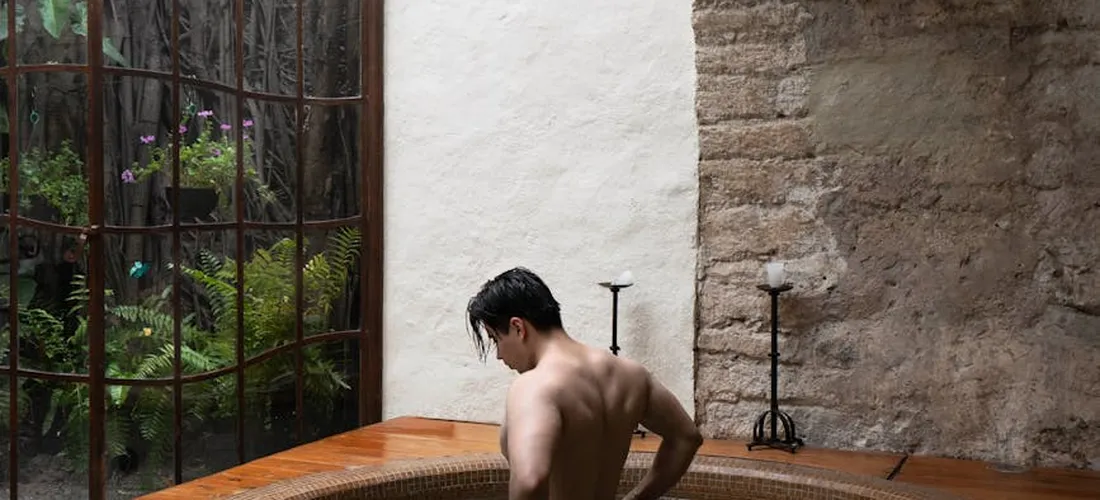
Consistency is your secret weapon. A predictable, calming pre-bed ritual tells your brain it’s time to power down. Think of it as programming your own relaxation sequence.
Step-by-Step Guide to a Pre-Bedtime Hydrotherapy Session
Follow this sequence about 60-90 minutes before you want to be asleep. Rushing defeats the purpose.
- Prepare Your Space: Dim the patio lights. Have a large glass of cool water and a plush towel waiting. I always keep my robe on a hook by the door-fumbling for it with wet feet is a mood killer.
- Test and Trust Your Water: Dip a test strip. Your water should be balanced and sanitized. Nothing ruins zen faster than the sting of chlorine or the itch of poorly managed pH. Soaking in unbalanced water can irritate your skin and eyes, pulling you right out of that relaxed state you’re trying to achieve.
- Enter Gently and Breathe: Step in slowly. Sit for a full minute without the jets. Feel the all-encompassing warmth. Take five deep, slow breaths, focusing on the rising steam.
- Engage the Jets Strategically: Turn on the jets for a focused 15-20 minutes. Target your upper back, neck, and shoulders-common stress bunkers. Use a medium, rhythmic pressure, not a punishing blast.
- The Wind-Down Soak: Turn the jets off. Sit in the silent, buoyant water for another 5-10 minutes. Let your mind quiet. This is the core of the temperature drop effect.
- Exit and Cool: Step out, wrap up, and let your body air-dry briefly in the cool air. This amplifies the core cooling signal. Pat dry gently.
- Post-Soak Protocol: Sip that glass of water. Go directly to a dim, cool bedroom. Avoid screens. Read a book or listen to calm music. Your body is now primed for sleep.
Optimizing Your Spa’s Features for Relaxation and Stress Relief
Your tub’s controls are more than buttons; they’re tools for crafting an atmosphere. It’s about engaging the senses without overstimulation.
Set your water temperature between 100°F and 102°F (38°C – 39°C). Any hotter can be taxing on your cardiovascular system and may leave you feeling wired, not tired. That perfect 101°F is a warm embrace for your muscles, not a metabolic challenge your body has to fight.
For jets, seek out the ones that offer a broad, kneading motion rather than a sharp, pinpoint stream. Many modern spas have specific “neck and shoulder” or “lumbar” jets. Use them! I’ve reconfigured jet faces for clients to better target these zones-it’s a game-changer for melting away the physical tension of the day.
Using Jets, Lights, and Controls for Circadian Alignment
Light is a powerful signal. The blue-white light from control panels and cool LEDS can mimic daylight and disrupt melatonin.
- Use your spa’s lighting features to set a warm, amber, or red hue. If you only have white light, keep it very dim or off.
- Cover or dim any bright control panel LEDs with a small, waterproof mat if possible.
- Consider the soundscape. The steady hum of a circulation pump can be white noise. The aggressive churn of a high-speed jet pump might not be. Find the audio profile that soothes you.
It’s a full-sensory experience. Warm light, consistent soothing sound, buoyant warmth, and the faint, clean scent of well-managed water.
Safety First: Risks and Contraindications for Sleep Seekers
Hydrotherapy is powerful, but it’s not for everyone, especially close to bedtime. Your safety is more important than any potential sleep benefit. Be aware of contraindications and safety precautions, and consult a clinician if you have conditions like heart disease, diabetes, pregnancy, or skin issues. This helps identify who should avoid hydrotherapy and how to use it safely.
Who Should Avoid Hot Tub Use for Insomnia Relief
Consult your doctor before starting any new therapy. Generally, avoid pre-sleep soaks if you have:
- Uncontrolled hypertension or heart conditions: The heat and hydrostatic pressure add cardiovascular load.
- Pregnancy: Especially in the first trimester, as elevated core temperature poses risks.
- Open wounds or recent surgeries: Risk of infection and compromised healing.
- Neurological conditions affecting sensation: The risk of inadvertent scalding or overheating is real.
- A history of fainting or orthostatic hypotension: The temperature shift can trigger dizziness.
If you are on sedatives, tranquilizers, or antihistamines, the combined effect with heat and relaxation can be dangerous and lead to drowning. This is non-negotiable.
Managing Chemical Safety and Hydration for Nighttime Soaks
Your late-night soak demands extra vigilance with two things: water balance and fluids.
Always test your water before you get in. A surprise pH of 8.2 will make your eyes burn. High chlorine will dry your skin and hair. I keep my test kit right in my cabinet-no excuses. Proper chemistry isn’t just about clarity; it’s about creating a non-irritating, comfortable environment for your sensitive pre-sleep skin.
Hydration is your co-pilot. The warm water promotes sweating (even if you don’t feel it) and vasodilation. Drink a full 8-ounce glass of water before or during your soak, and another after. Dehydration can lead to headaches and restlessness, completely undoing your good work. Skip the alcohol; it dehydrates and fragments sleep architecture.
Critical Maintenance: Keeping Your Tub Effective for Sleep Therapy
How Water Balance and Clean Filters Directly Impact Relaxation
Picture this: you slide into warm water, seeking calm, but a sharp chlorine odor or gritty filter debris ruins the moment. That sensory jarring can spike your stress hormones, undoing all the sleep-prep work the hydrotherapy was meant to do. I’ve fixed countless pumps where neglect led to noisy operation, undermining the quiet that’s essential for relaxation.
Balanced water feels like silk, not a skin irritant. Keep your alkalinity locked between 80-120 ppm and your pH at a steady 7.4 to 7.6 to prevent the eye sting and dry skin that can keep you tossing at night. I learned this through trial and error, once chasing a phantom itch that turned out to be high alkalinity sabotaging my own soak.
Your filter is the tub’s kidney. A clogged 30-micron filter cartridge forces the pump to strain, replacing the soothing hum of circulation with a distracting grind that wires you up, not winds you down. Clean water flow is silent, efficient, and foundational for the muscle relief that promotes deep sleep.
Weekly Maintenance Checklist for Uninterrupted Sleep Benefits
Spend fifteen minutes each week on this routine to protect your investment in sleep.
- Test water with strips: Check pH, alkalinity, and sanitizer levels. Adjust with increasers or decreases to hit those ideal ranges.
- Rinse your filter: Use a hose spray to blast out debris. Soak it in a filter cleaner solution once a month for a deep clean.
- Skim and vacuum: Remove surface film and any settled grit to maintain crystal water clarity.
- Listen to your equipment: Place your hand on the pump housing. A smooth vibration is good; a loud buzz or hum means trouble is brewing.
- Shock the water: After use, add a dose of non-chlorine shock to burn off oils and bather waste, keeping the water fresh and non-irritating.
Energy-Efficient Practices for Cost-Effective Nighttime Use
A spiking energy bill can cause its own form of insomnia. Adding a floating thermal blanket and ensuring your cover seal is tight can reduce heat loss dramatically, letting you lower the thermostat between soaks without guilt. I saved nearly 25% on my power bill after installing a new cover with better foam core density.
Time your filtration cycles smartly. Program your pump to run during off-peak utility hours, usually late at night, to save money and ensure the water is freshly filtered for your evening relaxation session. The consistent, low-energy circulation also prevents cold spots that shock the system.
Consider a pump upgrade if yours is over a decade old. Newer variable-speed pumps are whisper-quiet and use significantly less electricity, often paying for themselves in two years while providing a more serene acoustic environment. The peace of mind from lower costs and quieter operation directly supports your sleep goals.
Boosting Results: Combining Hydrotherapy with Sleep Hygiene
Integrating Your Soak with Other Relaxation Techniques
Don’t let your hydrotherapy session exist in a vacuum. While the jets work on your muscles, practice progressive muscle relaxation: tense each muscle group for five seconds, then release as you exhale, syncing physical release with mental calm. I teach this to clients and the difference in their sleep latency is noticeable. Try framing your next hydrotherapy session as mindful soaking—a simple hot tub meditation for stress reduction. This makes the ritual feel intentional and supports longer-lasting calm.
Turn your tub area into a sensory haven. Use battery-operated candles or dim, warm-toned lights instead of harsh overhead bulbs to signal to your brain that production of sleep-inducing melatonin should begin. The gentle light reflecting on the water enhances the tranquil vibe. To take it a step further, consider ways to enhance your hot tub experience with lighting and sound. Subtle audio and color cues can deepen the relaxing atmosphere.
Follow the heat with a cool-down ritual. After your soak, take a lukewarm shower or simply sit in the cool night air for a few minutes to accelerate the drop in core body temperature that triggers sleepiness. This mimics your body’s natural pre-sleep temperature cycle.
Syncing with Light, Sound, and Melatonin for Circadian Entrainment
Schedule your soak about 60 to 90 minutes before your target bedtime. This timing creates the perfect rise and fall in core body temperature, a powerful driver for your internal clock that encourages robust melatonin release. Consistency here is more valuable than a long soak.
Harness the power of sound. The consistent, low-frequency murmur of a healthy circulation pump is a form of white noise that can mask traffic sounds or a partner’s snoring, conditioning your mind for sleep. If your tub is silent, a small waterproof speaker playing ambient nature sounds works wonders.
Protect your circadian rhythm from blue light intrusion. Wear amber-tinted glasses if you check your phone post-soak, and ensure your hot tub area is free from LED indicator lights that can disrupt melatonin production during your wind-down period. This simple habit strengthens the sleep signal from your hydrotherapy.
When to Consult a Professional About Sleep and Pain Relief
Your hot tub is a fantastic tool, but it has limits. If you experience increased pain during or after soaking, or if your insomnia persists despite weeks of consistent routine, schedule a visit with your doctor or a sleep clinic. I’ve seen clients discover underlying conditions like restless leg syndrome that needed targeted treatment, beyond what hot tubs provide for arthritis and joint pain relief.
Pay attention to warning signs from your body. Dizziness, excessive heart palpitations in the hot water, or new joint swelling are clear indicators to pause hydrotherapy and seek medical advice before continuing. Your safety is paramount, and a professional can guide safe usage for your specific health profile. Being aware of potential health risks and side effects can help you decide how to use a hot tub safely. In the next steps, you’ll find linked resources on hot tub safety risks and precautions.
Know when to call a spa technician, too. Persistent error codes like OH (overheat) or FLo (flow error), electrical smells, or leaks you can’t fix with PVC cement and a new fitting require expert hands to keep your sleep therapy safe and operational. Investing in a pro repair ensures your sanctuary remains reliable.
Common Questions
How does hydrotherapy in a hot tub specifically improve sleep?
Hydrotherapy in a spa improves sleep by addressing both physical and neurological barriers. The warm water and buoyancy promote deep muscle relaxation and improve circulation, while the subsequent cooldown period triggers a natural drop in core body temperature. This drop is a key signal to your brain that it’s time for sleep, helping to strengthen your circadian rhythm. Science shows that soaking in warm water can reduce pain and stress. This relaxation complements the sleep-promoting effects described above, reinforcing hydrotherapy’s holistic benefits.
What is the most effective type of hydrotherapy for sleep?
While a warm bath is beneficial, controlled spa hydrotherapy is often more effective for consistent results. A modern spa allows for precise temperature control and uses adjustable jets to target areas of tension with massage. The full-body hydrostatic pressure also aids in reducing swelling and improving circulation more effectively than a standard bath. By adjusting hot tub jets for targeted hydrotherapy massage, you can tailor relief to the areas that need it most. This customization makes spa sessions more effective for daily recovery.
What are the ideal temperature and duration for a pre-bed soak?
For a sleep-inducing soak, maintain a water temperature between 100°F and 102°F (38°C – 39°C). Soak for 15 to 20 minutes, finishing about 60-90 minutes before your target bedtime. This timing allows for the crucial cooldown phase that signals your body for sleep, without risking overheating or dehydration.
Are there people who should avoid using hydrotherapy for insomnia?
Yes, certain individuals should avoid pre-sleep soaks or consult a doctor first. Key contraindications include:
– Uncontrolled heart conditions or hypertension.
– Pregnancy, especially in the first trimester.
– Use of sedatives or medications that cause drowsiness.
– Conditions that impair sensation or a history of fainting.
When in doubt, professional medical advice is essential for safety.
Can I combine my hot tub routine with other sleep aids?
Absolutely. Combining hydrotherapy with other sleep hygiene practices can enhance results. Effective combinations include practicing relaxation techniques in the tub, using warm, dim lighting to support melatonin production, and following your soak with a cool-down ritual. It’s best to avoid alcohol and screen time immediately after your session to protect your sleep cycle.
The 7-Day Sleep Check
Before you slide into that warm, welcoming water for your evening session, give your routine one final safety and comfort review. Run the jets for a minute-listen for their steady hum and feel the pulse against your skin. Test the temperature with your hand; it should be inviting, not startling. This quick double-check ensures your environment is primed for relaxation, not surprise, letting your mind transition smoothly into its wind-down phase.
The single most powerful habit to maintain hydrotherapy’s sleep benefits is to treat your pre-sleep soak as a non-negotiable ritual, not an optional luxury, performing it at the same time each night to powerfully signal to your body that the day is done. Consistency in timing is the anchor that trains your circadian rhythm far more than sporadic, longer soaks. It’s the repeated, gentle cue that tells your nervous system to start its descent into rest.
You’ve armed yourself with the knowledge and the plan. The hard work of understanding is complete. Now, go ahead-dim the lights, step in, and let the water carry off the weight of the day. Time to soak.
Further Reading & Sources
- Efficacy of hydrotherapy, spa therapy, and balneotherapy on sleep quality: a systematic review – PubMed
- Health Benefits of Hydrotherapy for Sleep – Hydro Massage Products
- Efficacy of hydrotherapy, spa therapy, and balneotherapy on sleep quality: a systematic review | International Journal of Biometeorology
- Effectiveness of aquatic therapy on sleep in persons with fibromyalgia. A meta-analysis – ScienceDirect
- Effectiveness of aquatic therapy on sleep in persons with fibromyalgia. A meta-analysis – PubMed
- Hydrotherapy Protocols for Sleep Disorders –
Charlie is a hot tub enthusiast with a passion for keeping your jets running smooth and your bubbles bursting with joy. With years of experience in hot tub and jacuzzi maintenance, Charlie knows that a happy tub means a happy you. Whether it’s dealing with stubborn filters or giving your spa a little TLC, Charlie’s here to share expert tips, tricks, and plenty of laughs to help you keep your bubbly retreat in tip-top shape. So, kick back, relax, and let Charlie handle the rest — because no one likes a cranky jacuzzi!
Hot Tub Reviews