
The Hot Tub Health Alert: How to Stop UTIs, Bacterial Vaginosis & More
Published on: May 3, 2026 | Last Updated: May 3, 2026
Written By: Charlie Bubbles
If you’ve felt the familiar sting of chlorine after a long soak, only to deal with irritation or discomfort hours later, your water chemistry is out of balance. That burning sensation or itch is a flashing warning light for a bacterial imbalance in your tub, and it’s a problem you can and must solve yourself. While not inherently dangerous like an electrical fault, letting this go turns your relaxation haven into a potential irritant.
What You Need:
- Fresh Water Test Strips
- An oxidizer shock (like chlorine-free shock)
- 30 minutes of your time
We’re going to lock down your water management so you can soak with confidence and never worry about it again.
The Soak and Infection Risk: What’s the Real Story?
Let’s get straight to it: soaking in a neglected hot tub can absolutely contribute to urinary tract infections, bladder issues, or bacterial vaginosis, but a well-maintained one poses minimal risk. The difference between a safe soak and a problematic one boils down to your weekly water testing and filter care routine. I’ve lost count of the tubs I’ve serviced where mysterious rashes or discomfort traced back to a simple sanitizer drop.
Your body’s warm, moist areas are more susceptible when bathing in water shared with bacteria. Think of poor spa hygiene like wearing a damp swimsuit all day-it creates an environment where unwanted microbes can multiply and migrate. The goal is to keep the water itself so clean that it doesn’t add to the equation.
From balancing water in everything from compact plugs to commercial spas, I’ve seen the pattern. The moment you let chlorine or bromine dip below 2 ppm, you’re gambling with your comfort and health. That crisp, clean scent should be faintly present, not a chemical assault or completely absent.
Unwanted Guests: Bacteria That Love Your Spa
Your hot tub’s soothing heat is a paradise for certain tenacious bacteria. Pseudomonas aeruginosa is the most common offender, notorious for causing “hot tub rash” and potentially entering the urinary tract. It thrives in the same 100°F comfort zone we do, especially when sanitizer wanes.
Here are the primary pathogens that find your spa inviting:
- Pseudomonas aeruginosa: This bacteria forms slimy biofilms on jets and plumbing, leading to skin folliculitis and is a known culprit in some UTIs.
- Escherichia coli (E. coli): Often introduced from swimsuits or skin, certain strains can cause severe urinary and gastrointestinal infections.
- Staphylococcus species: Common skin bacteria that can lead to infections if water quality is poor and they overwhelm natural defenses.
I recall a job where the water had a dull, oily sheen and a musty odor. A water test showed a pH of 8.2 and zero chlorine, turning the tub into a petri dish for these very germs. The fix wasn’t complex-a pH adjuster, a heavy shock, and a deep filter clean-but the lesson was clear.
How Poor Water Hygiene Lets Bacteria Thrive
Bacteria exploit specific failures in your maintenance regimen. Warm, stagnant water with a bounty of skin cells and lotions is a five-star buffet for microbial growth. It’s not just about adding chlorine; it’s about creating an environment where it can work.
These four common missteps create the perfect storm:
- Inadequate Sanitizer Levels: Sanitizer must maintain a constant residual. Chlorine should sit between 3-5 ppm, and bromine between 4-6 ppm, to effectively neutralize invaders before they can colonize.
- Ignored pH and Alkalinity: Water balance is the foundation. If your pH strays from the ideal 7.2-7.8 range, your sanitizer’s power plummets. At a pH of 8.0, over half your chlorine is inactive.
- Neglected Filtration: A filter clogged with oils and debris can’t trap contaminants. I recommend a monthly soak in filter cleaner and a replacement every 12-24 months, depending on use. That murky water is often packed with particles smaller than 10 microns.
- Insufficient Circulation: Stagnant water in dead zones breeds bacteria. Your circulation pump should run for at least 8 hours daily to push all the water through the filter and heater.
I’ve repaired pumps that were sized wrong or set on minimal cycles to save power. Compromising on circulation to shave a few dollars off your electric bill is a fast track to water quality issues and costly repairs. The gentle hum should be a reassuring constant.
Chemical safety is personal. Always add granulated shock to water, never water to shock, to prevent dangerous splashes or fumes-I have a small burn on my workbench as a permanent reminder. Gloves and goggles are cheap insurance.
Your Chemical Shield: Mastering Water Balance
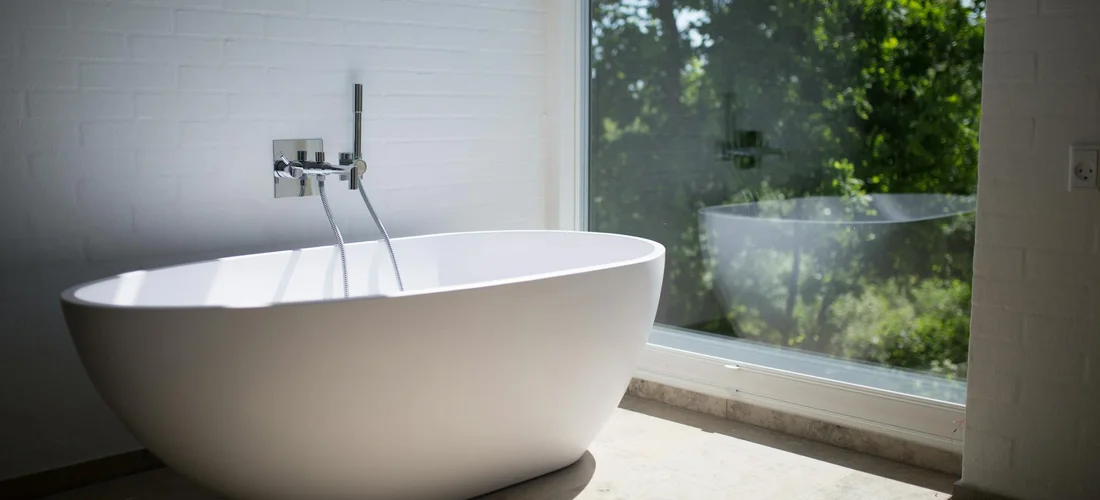
Think of your hot tub water like a well-seasoned soup. Too little salt and it’s bland and unsafe; too much and it’s inedible. Your sanitizer is the primary ingredient that neutralizes the bacteria and viruses which can lead to infections. I’ve seen too many owners treat their tub like a small, forgiving pool, but the heat and bather load create a perfect storm for microbes to multiply. Keeping your hot tub clean and safe is crucial.
Getting Sanitizer Levels Right
The steady hum of the circulation pump is your first line of defense, but the chemicals are your army. You have two main generals: chlorine and bromine.
- Chlorine is the fast-acting defender. Your free chlorine level should sit between 3-5 parts per million (ppm). I often tell folks, “If you can’t smell a faint, clean chlorine scent when you lift the cover, it’s probably not working hard enough.” But that sharp, eye-stinging odor means it’s fighting waste-a sign you need to shock.
- Bromine is the steadier, longer-lasting sentry. It’s gentler on skin and more stable in heat. Aim for a 4-6 ppm level. It’s my personal choice for my own tub because it holds its ground better between soaks.
Test your sanitizer level at least twice a week with a reliable strip or kit. Neglecting this test is the single most common mistake I find when troubleshooting cloudy water or slimy surfaces for clients. After a heavy use party, always shock the water to burn off the contaminants your sanitizer has trapped.
pH and Alkalinity: The Foundation of Clean Water
Here’s the secret most beginners miss: your sanitizer can be rendered nearly useless if your pH is off. Alkalinity is pH’s bodyguard, keeping it from bouncing around wildly.
| Parameter | Ideal Range | What Happens If It’s Wrong |
|---|---|---|
| Total Alkalinity | 80-120 ppm | Low: pH becomes unstable. High: pH gets locked up high, causing scale. |
| pH Level | 7.4 – 7.6 | Low: Water becomes corrosive, sanitizer works too fast, skin gets itchy. High: Sanitizer is sluggish, water turns cloudy, scale forms. |
Adjust alkalinity first, then pH. Always add chemicals to water, never water to chemicals, and pour them slowly over a return jet with the pump on high for thorough mixing. I keep a dedicated plastic measuring cup in my kit just for this, labeled clearly to avoid any dangerous mix-ups.
Smart Soaking Habits: Personal Hygiene is Key
Even the most perfectly balanced water can be overwhelmed. Your body introduces oils, lotions, and natural bacteria the moment you step in. This bather “load” is the variable that turns crystal water into a bacterial soup faster than anything else. Managing this is your personal responsibility in the team effort of tub maintenance.
Why a Quick Rinse Before and After Matters
Taking one minute to shower with plain water before you soak makes a monumental difference. You’re washing away deodorant, makeup, sweat, and loose skin cells.
- Pre-Soak Rinse: This simple act drastically reduces the organic material your sanitizer has to consume. It’s like scraping your plate before putting it in the dishwasher-the result is cleaner with less effort.
- Post-Soak Rinse: This is just as critical. Rinse off with fresh water and a mild soap after you get out. It washes away any residual sanitizer or balanced water that could disrupt your body’s natural pH and flora, especially in sensitive areas. Dry off thoroughly and change out of your damp swimsuit immediately; a warm, damp environment is exactly where yeast and bacteria love to grow.
I learned this lesson the hard way early in my career, dealing with a recurrent rash after fixing pumps all day and then soaking without a rinse. Your hot tub water is for relaxing, not for bathing away the day’s grime-that’s what your indoor shower is for. Make the pre-soak rinse a non-negotiable ritual for everyone who uses your spa. If you’re new to hot tubs, a beginner’s guide to safe and effective hot tub use can help you start with these habits.
Special Considerations for Women and Bacterial Vaginosis
Hot tubs are a joy, but as a technician who has tested thousands of water samples, I know the warm, wet environment can sometimes disrupt natural balances, including vaginal pH. Bacterial vaginosis (BV) isn’t typically a “hot tub infection” you catch from others, but sitting in water with imbalanced chemistry can irritate sensitive tissues and potentially alter your vaginal microbiome. The key link is often the water’s alkalinity and sanitizer level; if they’re off, even clean-looking water can become a mild irritant. Think of it like a poorly maintained pump-it might still run, but the strain eventually causes a failure.
I’ve seen many cases where a woman’s recurring discomfort coincided with a tub that had chronically low free chlorine. The water felt fine, but the lack of a potent sanitizer allowed organic loads to build up. Your vaginal health is similar to water chemistry; it thrives within a specific, balanced range and can be sensitive to sudden changes from external sources.
Tips for Protecting Vaginal Health
Protecting yourself is mostly about smart hygiene and vigilant tub maintenance. These simple steps can make a world of difference.
- Shower with plain water before and immediately after your soak. This rinses away personal care products beforehand and potential irritants afterwards.
- Change out of your wet swimsuit promptly. Don’t sit around in it. I keep a dry robe right by my tub for this exact reason.
- Urinate right after using the hot tub. This helps flush your urinary tract, which is a good practice for preventing UTIs too.
- Be your own water quality boss. Test and adjust your sanitizer and pH before every use. Your target is 3-5 ppm free chlorine or 4-6 ppm bromine, with a pH of 7.4 to 7.6.
- Skip the bubble bath oils or lotions before soaking. They gum up your filters and can introduce irritants into the water that may affect you.
- Consider a personal probiotic. While not a direct hot tub fix, supporting your body’s natural defenses is a smart, holistic layer of protection.
Regular maintenance isn’t just for the tub’s lifespan; it’s a direct investment in your comfort and health every time you step in. For new owners, the ultimate 90 day hot tub maintenance plan makes it simple from day one. It outlines essential checks and quick cleanups for the first three months.
Recognizing the Signs: Symptoms of Potential Infection
Your body will tell you when something isn’t right, much like a hot tub’s error code or the gurgle of an air lock. If you notice these signs after soaking, it’s time to pause and assess both your health and your water.
For potential Urinary Tract Infections (UTIs) or bladder irritation:
- A burning or stinging sensation when you urinate.
- A constant, urgent need to pee, even if little comes out.
- Cloudy, strong-smelling, or pink-tinged urine.
- A feeling of pressure or cramping in your lower abdomen.
If you experience these UTI symptoms, drink plenty of water and contact your doctor; a simple course of antibiotics usually clears it up quickly.
For signs that may point to Bacterial Vaginosis (BV) or general irritation:
- A thin, grayish-white vaginal discharge with a distinct, fishy odor.
- Vaginal itching or irritation.
- A burning feeling during urination that’s external.
Any unusual discharge or odor warrants a call to your healthcare provider for proper diagnosis, as self-treating can sometimes make things worse. Just like you wouldn’t ignore a persistent pump leak, don’t ignore these bodily signals. When in doubt, get out of the tub and test your water-then test your instincts about your health.
The Maintenance Mindset: Keeping Your Water Safe
I’ve pulled my share of slimy filters and calibrated more test strips than I can count, all because neglecting water balance is an open invitation for trouble. Think of your hot tub water not as a static pool, but as a living, breathing environment that eats, breathes, and gets dirty just like you do. The warm, swirling water is a perfect buffet for bacteria, and if you don’t manage the chemistry properly, pathogens that cause skin irritations and more serious infections can move in. My own battle with a persistently hazy tub taught me that consistency, not heroics, keeps the water healthy.
Your first line of defense is a simple ritual: testing and adjusting. You wouldn’t cook a stew without tasting it, so never assume your tub’s chemistry is fine without checking. I keep my test kit right by the back door so I see it daily, turning a chore into a quick five-second habit. This regular check-in is your cheapest insurance policy against cloudy water and the uncomfortable infections it can hide.
Your Weekly Water Care Routine
Set a recurring phone alarm for this seven-day checklist. It’s the backbone of clear, safe water and takes less time than brewing your morning coffee.
- Test and Balance (Do This First): Dip a fresh test strip. Your target is 3-5 ppm for chlorine or 4-6 ppm for bromine. pH should sit comfortably between 7.2 and 7.8. An imbalanced pH not only stings your eyes but cripples your sanitizer’s power, letting germs thrive.
- Sanitize: Based on your test, add your chosen sanitizer. I prefer liquid chlorine for its quick action, but bromine tablets in a floater offer steady coverage. Always pour chemicals into water, never vice-versa, to prevent dangerous fumes.
- Skim and Visual Inspection: Use a hand skimmer to remove leaves and debris. While you’re there, listen. The hum of the circulation pump should be steady and quiet; a grinding noise means trouble’s brewing.
- Check the Filter Basket: Empty the catch basket in your skimmer. A clogged basket strangles water flow, forcing your pump to work overtime and wasting energy.
Remember, your sanitizer is consumed by sunlight, heat, and organic load, so topping it off mid-week after heavy use is non-negotiable. I keep a small logbook by my tub to track adjustments-it spots trends before they become problems.
The Essential Quarterly Refresh
Every three to four months, or when water just won’t clear, you need a full reset. This deep clean evicts the biofilm-a slippery, bacteria-harboring layer that clings to plumbing-that weekly care can’t touch.
- Power Down and Drain: Turn off the breaker at the home panel. Attach a garden hose to the drain spigot and let it flow. Never drain on a rainy day or onto a slope; the empty shell can literally float out of its frame.
- Purge the Plumbing: While the tub drains, add a plumbing purge product to the remaining water and run the jets for 20 minutes. I’ve seen what comes out-clouds of white, gunky residue-and you don’t want that in your fresh fill.
- Scrub Every Surface: Once empty, use a soft cloth and a paste of baking soda and water to clean the shell. Avoid household cleaners; their suds can linger for weeks. Pull and rinse your filter with a hose, then soak it overnight in a filter cleaner solution.
- The Refill and Rebalance: Refill with a hose filter on your garden hose to remove metals and minerals. Before turning the power back on, add a metal sequestrant and start heating. Balance your alkalinity first (80-120 ppm), then pH, and finally add your sanitizer when the water hits about 80°F for proper dissolution.
This quarterly ritual is like changing the oil in your car. Skipping it guarantees your system will labor harder, cost you more in electricity, and eventually host the very microbes you’re soaking to avoid. It’s a few hours of work for months of peace of mind.
FAQs
Can sitting in a hot tub actually cause a UTI?
Yes, it can contribute to a UTI if the water hygiene is poor. A poorly maintained hot tub allows bacteria like Pseudomonas or E. coli to thrive, which can potentially enter the urinary tract during a soak. However, a hot tub with perfectly balanced sanitizer and pH levels presents a very low risk, as the clean water neutralizes these pathogens before they can cause an issue.
Is “hot tub rash” related to UTIs or BV?
Hot tub rash (or folliculitis) is typically a skin infection caused by the bacterium Pseudomonas aeruginosa, which is different from the internal infections that cause UTIs or BV. However, they share a common cause: unsanitary water conditions. The presence of one indicates your tub’s sanitizer levels are too low, increasing the risk for other types of infections as well. This is where hot tub rash folliculitis treatment and prevention come into play. Regular cleaning and proper sanitizer management help reduce symptoms and prevent recurrence.
Do high-end or Swiss-made hot tubs (like Hot Tub Suisse) have better systems to prevent bacteria?
Higher-end models, such as smart pools or tubs, often feature more advanced and efficient filtration systems, superior circulation pumps, and sometimes built-in water management monitors. While these are excellent tools, they are not a substitute for regular testing and chemistry adjustment by the owner. Even the best tub requires a consistent maintenance routine to keep water safe and prevent bacterial growth.
I’ve seen a lot about hot tub UTIs on Reddit. How reliable is that advice?
Online forums can offer helpful personal anecdotes and tips, but they are no substitute for professional medical advice or validated water care protocols. If you suspect a UTI, consult a doctor. For tub care, always follow the chemical guidelines from your sanitizer manufacturer and use reliable test kits, rather than basing your maintenance on unverified forum posts.
If I get a rash or irritation, is it cheaper to fix my water or call a service in Utica, NY?
Correcting water chemistry is almost always far less expensive. The solution typically involves testing and adding a pH balancer and shock oxidizer, which costs only a few dollars. A service call, while valuable for complex issues, incurs a significant labor fee. Investing in a good test kit and learning basic water balance is the most cost-effective way to ensure a safe, irritation-free soak.
The Clear Water Covenant
Before you step into that inviting warmth, make a final safety scan. Fire up the circulation pump for sixty seconds and dip a fresh test strip into the water. That quick hum of the jets and a glance at the strip’s colors confirm your water is balanced and safe, a habit I learned from years fixing pumps and chasing down pH levels.
For a soak free from worry about UTIs or infections, let this one golden rule guide you: Test your water’s sanitizer every single day and never let free chlorine dip below 3 ppm before you get in. This simple, consistent action is your strongest shield against bacterial growth.
You’ve balanced the chemistry, cleaned the filters, and committed to the routine. Now, ease into that perfectly maintained water, feel the jets massage your cares away, and enjoy the peace of mind you’ve earned.
Further Reading & Sources
- What Diseases Can You Get From a Hot Tub? Bacterial Infections
- Can Hot Tubs Cause UTIs? Natural Prevention Tips for Women – We Love Fire®
- What Do You Know About Yeast Infections & Jacuzzis?! | V-Luxe – V-Luxe
- Can a Hot Tub Cause UTI? | Wessex Spas
- Pseudomonas aeruginosa Acute Prostatitis and Urosepsis after Sexual Relations in a Hot Tub – PMC
- Your hot tub may make you more susceptible to urinary tract infections
Charlie is a hot tub enthusiast with a passion for keeping your jets running smooth and your bubbles bursting with joy. With years of experience in hot tub and jacuzzi maintenance, Charlie knows that a happy tub means a happy you. Whether it’s dealing with stubborn filters or giving your spa a little TLC, Charlie’s here to share expert tips, tricks, and plenty of laughs to help you keep your bubbly retreat in tip-top shape. So, kick back, relax, and let Charlie handle the rest — because no one likes a cranky jacuzzi!
Sanitization Methods