
Stop Your Hot Tub from Sinking: Where to Place and What to Put Under It for Good
If your hot tub is tilting, the cabinet is warping, or you see gaps forming under the shell, you have a foundation failure. This isn’t just an eyesore-it stresses the plumbing, leads to leaks, and can become a real safety risk if left unchecked.
- What You Need:
- A sturdy 4-foot level
- Crushed granite or concrete patio stones
- Tape measure and landscape marking paint
- One solid weekend
I’ve leveled dozens of spas on everything from clay to decking, and I’ll show you how to get this right yourself, no service call required.
Why Your Hot Tub’s Placement and Base Are Critical for Care
I’ve pulled more than one pump that sounded like a bag of rocks, and nine times out of ten, the owner points to a corner of the tub that’s sunk two inches into the ground. That angry, grinding hum you hear is the direct sound of a pump fighting gravity, straining to push water through pipes that are no longer aligned. Your foundation isn’t just about looks; it’s the bedrock of your tub’s health and your wallet.
The Direct Link to Pump Life and Water Balance
Think of your hot tub’s equipment pack as its heart and lungs. An uneven base torques the entire shell, putting stress on every plumbing joint connected to the pumps and heaters. I replaced a circulation pump last fall on a tub that had settled. The seal failed because the shaft was constantly misaligned, letting moisture kill the bearings. A perfectly level base prevents this mechanical torture, letting pumps and heaters operate in the calm environment they were designed for.
But the trouble doesn’t stop at the pump. A soggy, unventilated base creates a damp microclimate under your tub. This constant evaporation rises into the equipment compartment, bringing minerals with it. This ambient moisture is a stealthy saboteur, causing corrosion on electrical connections and making your sanitizer work overtime, leading to that harsh chemical smell. You’ll chase your tail trying to balance pH and chlorine when the real issue is wet ground underneath.
Key Impacts of a Poor Foundation:
- Premature Pump & Heater Failure: The number one cost I see from bad placement. A new pump can run $300-$600 with labor.
- Inconsistent & Costly Heating: An unlevel tub creates air locks in the lines, making the heater cycle on and off inefficiently.
- Chemical Waste & Bad Water: Fighting pH drift from ground moisture means you’re pouring money in granules and drops every week.
- Persistent Leaks: Stressed plumbing fittings will eventually crack or separate, leading to a wet mess and mold risk.
Avoiding Costly Repairs from Foundation Failures
Ignoring the base is the fastest way to turn your relaxing retreat into a money pit. The shell itself can crack from uneven pressure, a repair that often means a full replacement. The dense foam insulation can crush, destroying your tub’s energy efficiency. Most manufacturers’ warranties are very clear: damage from improper installation or support is not covered, leaving you with the full bill. Doing it right from the start saves thousands.
Consider the tools and hassle you avoid: no need for a jack to lift a sunken corner, no epoxy kits for shell cracks, no digging to find a leak under the tub. The $200 you might spend on proper crushed stone and pavers pales against a $2,000 shell replacement or the constant drip of $50 chemical adjustments. Protect your investment from the ground up.
Hot Tub Placement Rules: Finding the Perfect Location
Assessing Your Site: The Non-Negotiables
Before you dream about starlit soaks, get practical with your site. This checklist isn’t just advice; it’s the rulebook for a trouble-free tub.
Your Pre-Installation Checklist:
- Perfectly Level Ground: Use a 4-foot carpenter’s level. A 1-inch slope over 8 feet is too much.
- Adequate Drainage Slope: The area around the pad must slope away at least 1/4 inch per foot to shed rainwater.
- Total Load-Bearing Capacity: A filled tub weighs over 5,000 lbs. The soil must be compacted and stable, not soft fill or organic topsoil.
- Clearance for Service Access: You need a clear path to at least one full side of the tub, ideally where the equipment panel is.
Utility Access for Maintenance and Safety
I’ve had to quote a customer an extra $500 because their tub was tucked into a nook, requiring partial disassembly to reach the heater. You must have at least 3 feet of clear access to the electrical service panel for emergency shutoff, as per electrical code. Can your garden hose reach the fill point without kinking? Can you easily remove the entire side panel to get at the pumps and filters? Ignoring this turns simple maintenance into a major project.
Legal and Safety Codes You Must Check
Your local building department has the final say, and their rules protect you. Failing to pull a permit or follow codes can void your homeowner’s insurance if a leak or electrical fault causes damage. A quick phone call can save monumental headaches later.
- Setback Requirements: Many zones require hot tubs to be 5-10 feet from property lines or structures.
- Electrical Specifications: A dedicated, GFCI-protected circuit (usually 240V/50A) installed by a licensed electrician is non-negotiable for safety.
- Drainage and Runoff Rules: Some areas regulate where drained spa water can go to protect watersheds.
- Fencing and Safety Covers: Local pool and spa barrier laws often apply, especially for households with children.
Creative Placement Ideas for Privacy and Enjoyment
Once the practicalities are locked down, you can think about ambiance. Strategic placement uses your landscape to enhance comfort and lower running costs. Here are a few ideas I’ve seen work beautifully, with their practical considerations.
- Under a Reinforced Deck: Pros: Amazing privacy and weather protection. Cons: Must ensure the deck can bear the weight, and you need excellent overhead access for plumbing/electrical runs and ventilation to disperse moisture.
- On a Paver Patio: Pros: Clean, level, and durable surface that blends with landscaping. Cons: Proper base preparation is critical; pavers must be set on a compacted gravel and sand bed to prevent shifting.
- Against a Privacy Screen or Lattice: Pros: Blocks wind and neighbor views, can support climbing plants for a natural feel. Cons: Ensure the screen is sturdy and secured in concrete footings to withstand wind load.
- Considering Sun & Wind: Place the tub where afternoon sun can naturally warm the water and a solid side blocks prevailing winds. This simple trick can cut your heating bill noticeably and make winter soaks more pleasant.
What to Put Under a Hot Tub: Comparing Foundation Materials
Choosing the right foundation is like picking the right filter for your water-skip it, and everything gets murky fast. A weak base leads to cracked shells, leaking jets, and a constant battle with unlevel water. I’ve seen too many spas sag into the earth because someone thought grass was a good enough pad. Your hot tub’s foundation is the single most important factor for its longevity and your repair bills. Let’s break down your options, including concrete pads, gravel bases, and spa pads.
Concrete Slab: The Gold Standard for Stability
Pouring a concrete pad is the method I recommend for permanent installations, especially after dealing with the headache of a tub that settled on uneven ground. That subtle tilt? It forces your circulation pump to work overtime, killing efficiency. A properly poured slab won’t shift, heave, or rot, giving you a perfectly level home for decades.
Specifications and Real-World Advice
Don’t just pour a thin layer of mix. You need a minimum of 4 inches of concrete, with 6 inches being ideal for larger models. Reinforce it with rebar on a 12-inch grid to prevent cracking. Always install a 6-mil polyethylene vapor barrier underneath the concrete to block ground moisture from wicking up. The concrete needs a full 28 days to cure before you place the tub-rushing this is a surefire way to create cracks. Yes, it’s the most expensive option upfront, but I’ve never had to relevel or repair a tub on a slab I poured myself.
Pavers and Patio Stones: Flexible and Aesthetic
Pavers offer a great blend of looks and function. They’re my go-to for a patio integration where you want a seamless look. The key isn’t the paver itself, but what’s hidden underneath. A paver floor is only as stable as the compacted base it sits on; skip this step and you’ll watch them sink and tilt after the first rain.
Installation Steps
Here’s how to get it right:
- Excavate: Dig out an area 6 inches deeper than your paver thickness.
- Compact a Gravel Base: Add 4 inches of crushed limestone or ¾” gravel. Use a plate compactor-a hand tamper won’t cut it for this job.
- Lay a Weed Barrier: Roll out a robust landscape fabric over the compacted gravel.
- Level and Set: Add a 1-inch layer of coarse sand, level it meticulously, then set your pavers. The final surface must be perfectly flat.
Compacted Gravel Bed: Budget-Friendly and Drainable
For a temporary setup or a very tight budget, a gravel bed can work. I used this for my first tub when I was renting. It’s excellent for drainage, which prevents puddling and frost heave in colder climates. This method requires diligent, layer-by-layer compaction-if you just dump a pile of gravel, it will settle unevenly under the tub’s immense weight.
The Process
- Material: Use ¾” clean, crushed limestone or “CR-6” gravel. Avoid round pea gravel; it doesn’t lock together.
- Compaction: Spread gravel in 4-inch layers, soaking each layer with water and compacting it thoroughly before adding the next.
- Edging: Install plastic or metal landscape edging around the perimeter to contain the gravel.
- Height: Build it up to about 6 inches total. This isn’t a permanent forever solution, but it will buy you several good years.
Pressure-Treated Wood Decks: Ensuring Load-Bearing Capacity
Placing a tub on a deck is common, but it’s a structural engineering project, not just carpentry. I’ve been called to fix leaks that started because a poorly supported deck flexed and stressed the plumbing lines. Your standard deck is built for people, not for a concentrated load of over 5,000 pounds of water and acrylic. For safe hot tub installation, a deck support and hot tub weight structural assessment can confirm your deck’s capacity. A quick professional check now can prevent leaks, sagging, and costly failures later.
Critical Structural Specs
- Joist Spacing: Supports must be 12 inches on center, not the typical 16 inches.
- Beam Support: Double or triple up beams directly under the tub’s footprint, and ensure posts are on solid concrete footings below the frost line.
- Hardware: Use only hot-dipped galvanized or stainless steel fasteners to resist corrosion from chemicals and moisture.
A softwood pine deck without this reinforcement will sag. Have a structural engineer review your plans if you’re unsure.
Insulation Boards and Underlayment for Extra Protection
Think of these as the final layer of defense, not the primary foundation. I always add an insulation board, even on concrete. It keeps heat from leaching into the ground, saving you money on your electric bill every single month. This is precisely how you insulate your hot tub for maximum energy efficiency. A well-sealed setup minimizes heat loss and lowers energy costs even further. Adding a layer of extruded polystyrene foam (XPS) under your hot tub is the cheapest energy efficiency upgrade you can make.
Product Recommendations and Purpose
- For Heat Retention: Use 1- or 2-inch thick XPS foam boards (like Owens Corning Foamular). They’re moisture-resistant and won’t compress under load.
- For Vibration and Grip: A non-slip rubber spa pad or EVA foam underlayment can protect your foundation’s surface and prevent minor shifting.
- Installation: Lay these directly on top of your finished, level base (concrete, pavers, etc.) right before the tub is set. They complement the primary base by adding thermal and physical protection.
Step-by-Step Guide to Building a Solid Hot Tub Base
Let’s walk through the process. Rushing any step here will haunt you. I learned this the hard way when I had to drain, jack up, and relevel a 500-gallon tub because I skimped on ground prep.
Step 1: Calculate the Load and Mark the Area
First, know what you’re holding. A full hot tub can weigh over 6,000 pounds. Add the weight of the empty tub (check the manual), water (8.34 lbs per gallon), and the maximum number of people (estimate 200 lbs each). This total weight determines how robust your base needs to be-don’t guess, calculate. To translate these figures into a deck plan, a hot tub deck weight load calculation guide helps with beam sizing and joist spacing. Following it keeps your installation code-compliant and safe.
Marking the Site
Use wooden stakes and mason’s string to mark an area that extends at least 12 inches beyond the tub’s footprint on all sides. This gives you room to work and provides a buffer for any slight overhang or future maintenance access, especially when planning a custom hot tub surround.
Step 2: Prepare the Ground and Ensure Proper Drainage
This is backbreaking but non-negotiable work. Your tools: a sharp shovel, a hand tamper or rental plate compactor, a 4-foot carpenter’s level, and a string line.
The Preparation Sequence
- Remove Vegetation: Strip away all sod and topsoil until you reach firm, undisturbed subsoil.
- Compact the Subsoil: Thoroughly tamp the exposed earth. This prevents future sinking.
- Create Drainage Slope: Grade the area so it slopes away from your house at a rate of 1/4 inch per foot. This directs splash-out and rain away from your foundation.
Step 3: Install Your Chosen Foundation Material
Now, build up your chosen base. Here’s a quick reference for the core methods we just covered:
Condensed Installation Notes
- Concrete Slab: Build forms, lay vapor barrier, set rebar grid, pour and scree concrete to grade, finish surface, and cure for 28 days.
- Pavers/Stone: After Step 2, add and compact a 4-inch gravel sub-base, lay fabric, add sand, level, set pavers, and sweep sand into joints.
- Compacted Gravel: Dump, spread, and compact your crushed limestone in 4-inch lifts until you reach the desired height (usually 6 inches).
- Reinforced Deck: Construct frame with 12″ OC joists and doubled beams, secure with corrosion-resistant hardware, and install decking.
Step 4: Add Moisture Barriers and Final Leveling
Before the tub touches down, lay down a final protective layer. I use a heavy-duty woven weed barrier for gravel or paver bases, or a damp-proof membrane for concrete. This barrier stops weeds, prevents soil migration, and protects your base material from chemical spills.
The Final Check
Place a long, straight 2×4 or your 4-foot level across the entire prepared surface. Check for level in multiple directions. There should be no gaps, rocking, or visible slopes. Any imperfection here will telegraph up to your tub, causing stress points. Take your time to get it perfectly flat.
Special Considerations: Codes, Climate, and Clearance
Dealing with Freezing Climates and Snow Load
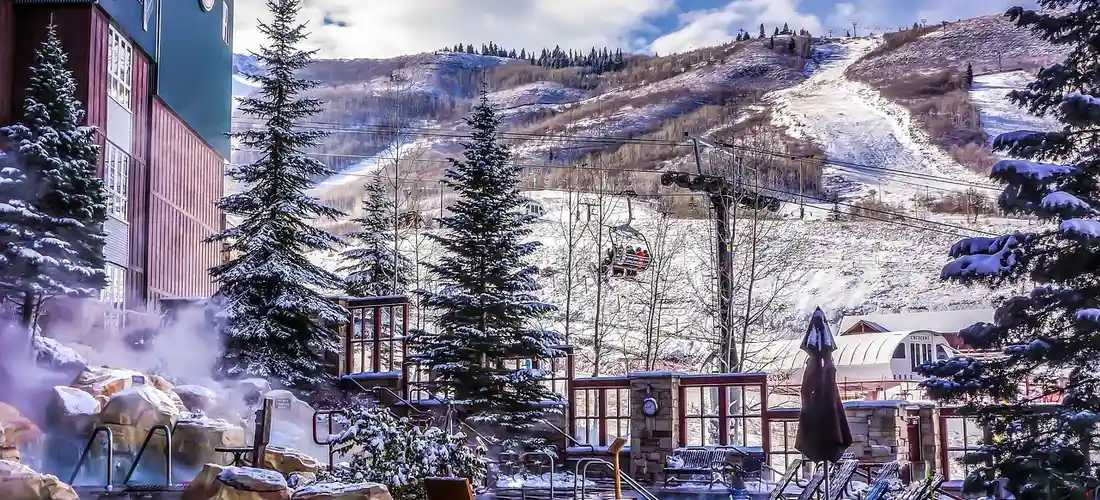
I’ve hauled my tools through more than one blizzard to thaw a frozen pump, so trust me, planning for cold weather is non-negotiable. Your foundation isn’t just about leveling; it’s your first defense against the deep freeze. In freezing regions, a standard concrete slab can act like a giant heat sink, pulling warmth from your tub and inviting frost heave that cracks plumbing. You need a smarter base.
Here’s my field-tested strategy for winter-proof placement:
- Use Insulated Concrete Forms (ICFs): Pour your slab inside ICF blocks-they’re like a polystyrene sweater for your concrete. This keeps the ground underneath from freezing, protecting your plumbing lines from costly shifts and breaks.
- Engineer Positive Drainage: Slope the ground and any pad away from the tub. You want melting snow and rain to run off quickly, not pool and refreeze into an ice dam that can undermine your foundation or damage the cabinet.
- Seek Sheltered Placement: Tucking the tub against a windbreak, like a solid fence or the lee side of your house, makes a huge difference. That shelter cuts wind chill on the shell and reduces snow accumulation on the cover. This simple placement choice slashes your heater’s workload and protects your cover from premature wear under heavy snow.
Hot Tub Placement Near Houses and Windows
That steamy, relaxing soak creates a cloud of warm, moist air that has to go somewhere. Place the tub too close, and you’re asking for trouble. I’ve seen siding warp and window frames rot from chronic, unseen condensation. Always maintain a minimum clearance of five feet between your hot tub and any house siding, windows, or doors. This gap allows air to circulate and dissipate moisture before it can wreak havoc on your home’s exterior. When you design the space with atmosphere in mind, you can create the perfect ambiance around your outdoor hot tub. Consider soft lighting, warm textures, and fragrant greenery to elevate every soak.
Indoor installations require even more forethought. That inviting humidity will seek out cold surfaces, leading to mold and structural damage if not controlled. An indoor spa room must have a dedicated, powerful ventilation system-think a bathroom exhaust fan on steroids-to pull moist air directly outside. Without it, you’re essentially building a sauna inside your walls, and that’s a repair bill nobody wants.
Energy Efficiency and Temperature Stability
Where you park your tub directly impacts your monthly electricity bill. The goal is to help the heater and pump work less. Think of your hot tub as constantly fighting to hold its temperature against the elements. Strategic placement is a free form of insulation that pays you back with every soak.
Follow these practical rules to lock in heat and lower costs:
- Shield from Prevailing Winds: Use natural barriers or construct a privacy screen on the windward side. A constant breeze across the water’s surface dramatically increases heat loss, forcing the heater to cycle on more often.
- Embrace Partial Sun: A spot with morning or afternoon sun helps warm the water naturally. But avoid all-day, direct sunlight in hot climates, as it can make balancing your water chemistry a constant battle and fade your cover faster.
- Insulate from the Ground Up: Even on a solid base, heat bleeds downward. Before setting the tub, lay down rigid foam insulation boards, rated for high compression, directly on the prepared ground or slab. I use 2-inch extruded polystyrene (XPS). This simple step creates a thermal break, so the earth doesn’t steal your warmth.
FAQs
What are the most important rules for placing a hot tub?
Always ensure the ground is perfectly level and compacted to support over 5,000 lbs of weight. The site must have adequate drainage sloping away from structures, and you need clear access for maintenance and emergency electrical shutoff. Ignoring these rules risks foundation failure, voided warranties, and costly repairs.
What are some creative hot tub placement ideas for better privacy and ambiance?
Integrate your hot tub into a paver patio surrounded by landscaping or place it under a reinforced deck for overhead shelter. Using lattice screens with climbing plants or positioning it against a windbreak can enhance privacy and reduce heating costs by blocking wind. Make sure to use proper base and supports when placing your hot tub on pavers.
What building codes or permits are commonly required for hot tub installation?
Most areas require permits for electrical work and may have setback rules (e.g., 5-10 feet from property lines). A licensed electrician must install a dedicated GFCI circuit, and safety codes often mandate fencing or locking covers, especially for households with children.
How do I prevent condensation damage when placing a hot tub outside near a window?
Maintain at least five feet of clearance between the hot tub and any windows to allow moisture to dissipate. For added protection, ensure the area is well-ventilated, and consider using moisture-resistant materials on nearby surfaces to avoid mold or rot. This is just one aspect of following proper clearance guidelines for hot tub installation.
Are there specific hot tub placement rules for regions like Ontario, Canada?
Yes, in Ontario, local bylaws dictate setbacks from structures and property lines, while electrical installations must comply with ESA standards. Always check municipal regulations for drainage, snow load considerations, and safety barriers to ensure compliance in colder climates.
The Pre-Soak Verification
Before you ever slide into that warm, welcoming water, make it a habit to run the jets for a full minute. Listen for the confident hum of the pump and watch for steady, strong flow from every jet port. This quick operational test is your final safety net, catching an uneven settle or a hidden leak before you and your family get in.
The single most important habit to protect your installation is to walk a full circle around your hot tub every month, looking for gaps between the base and the pad, new cracks in concrete, or any soft, spongy feeling underfoot. I learned this the hard way after repairing a tub that had tipped forward from silent erosion under a gravel base. Five minutes of seasonal scrutiny saves thousands in shell and frame repairs. It’s especially important because even a slightly unlevel hot tub can lead to problems over time.
Your foundation is set. Your water is balanced. The real reward for all that careful work is a perfect, stable soak. Go enjoy it.
Further Reading & Sources
- Hot Tub Sinking Advice | Hot Tub Suppliers | Sunken Hot Tub Tips
- Sinking a Hot Tub into a Deck or Patio | Installation Tips & Safety – Living Healthy, Living Happy
- Hot Tub Sinking Advice | Sunken Hot Tub Tips | WhatSpa?
- Can You Sink a Hot Tub into the Ground? – Bonavista Pools
- Can You Sink a Hot Tub into the Ground?
- Can You Sink a Hot Tub into the Ground? | Beninati Pools
Charlie is a hot tub enthusiast with a passion for keeping your jets running smooth and your bubbles bursting with joy. With years of experience in hot tub and jacuzzi maintenance, Charlie knows that a happy tub means a happy you. Whether it’s dealing with stubborn filters or giving your spa a little TLC, Charlie’s here to share expert tips, tricks, and plenty of laughs to help you keep your bubbly retreat in tip-top shape. So, kick back, relax, and let Charlie handle the rest — because no one likes a cranky jacuzzi!
Outdoor Setup