
Why Your Outdoor Hot Tub Feels Lifeless and How to Revive It Tonight
After decades fixing pumps and balancing water, I’ve seen too many tubs that pump perfectly but feel profoundly empty. If you’re sinking into your hot tub only to be greeted by stark concrete and the neighbor’s porch light, your ambiance is broken. You’re missing layered lighting, curated sound, and intentional landscaping. This isn’t a dangerous issue-it’s a design nuisance that quietly steals the relaxation from every soak.
What You Need:
- Weather-resistant LED strips or string lights
- A waterproof Bluetooth speaker
- Citronella candles or mosquito-repelling torches
- One focused hour of your time
Follow this guide and you’ll craft an inviting, sensory-rich retreat without ever calling a professional.
Lighting Your Spa for Safety and Atmosphere
Getting the lights right transforms your soak from a simple dip into a nightly ritual. Proper lighting isn’t just about mood; it’s a critical safety feature that prevents slips and trips when you’re stepping out onto wet decking. I’ve balanced enough water to know that clear, visible steps are as important as balanced pH when it comes to a worry-free spa experience.
Selecting the Right Light Sources
Your choice of lights sets the entire tone. I always recommend a layered approach. Start with functional, white lights for safety, then add ambient color for relaxation. From my years on service calls, here’s what works and lasts.
- Low-Voltage LED Strips: My go-to for coves and steps. They’re energy-efficient, generate minimal heat, and you can find submersible varieties rated for direct splash. Look for IP67 or IP68 waterproof ratings.
- Warm-White Path Lights: Use these to define the walkway to your tub. A 2700K color temperature creates a welcoming glow that doesn’t wreck your night vision.
- Solar-Powered Accents: Great for perimeter lighting without wiring. Just know they can be dim on cloudy nights-place them where absolute brightness isn’t critical.
- Spa Pillar Candles (Flame-Less): For pure atmosphere, battery-operated flickering LED candles in lanterns are unbeatable. They give you that gentle, dancing light with zero fire risk near the tub shell.
Installation and Electrical Safety Musts
This is where I get serious. Messing up here is like forgetting to add sanitizer-it invites big trouble. Any permanent lighting near water must be installed on a GFCI-protected circuit, full stop. I’ve seen the aftermath of a shortcut taken with a standard outlet, and it’s not pretty.
Follow these steps to keep your project safe and sound:
- Consult a Pro for Hardwiring: If you’re running new conduit or wiring to a light fixture, hire a licensed electrician. This isn’t a DIY ceiling fan install.
- Use Only Outdoor-Rated Gear: All connectors, junction boxes, and cables must be labeled for wet/damp locations. Look for UV-resistant coatings on wire jackets.
- Maintain Clearance: Keep light fixtures and cords at least 5 feet away from the water surface unless they are specifically designed and listed for close proximity.
- Test Monthly: Make it a habit. Press the “Test” button on your GFCI outlet every time you check your water chemistry to ensure the protection is active.
Building Privacy and Weather Protection
A private, sheltered nook makes your hot tub a true retreat. Good screening does double duty: it shields you from prying eyes and buffers the wind that steals precious heat from your water, helping with water conservation efforts. I’ve fixed pumps working overtime because a tub was exposed on a windy hill-a simple barrier can save you real money on energy bills.
Effective Privacy Screening Ideas
You want a screen that feels solid without closing you in. The best screens filter light and sound, creating a soft, secluded feeling rather than a stark wall. Here are my field-tested favorites, from simple to more involved.
- Lattice Panels with Climbers: Cedar or vinyl lattice offers instant structure. Plant fast-growing clematis or jasmine; in one season, you’ll have a living screen with a sweet scent.
- Outdoor-Rated Curtains: Hung on a sturdy galvanized steel rod, these offer flexible privacy. Choose a solution-dyed acrylic fabric-it won’t fade in the sun and dries quickly after rain.
- Roll-Down Bamboo Blinds: Affordable and organic-looking. Get ones with a UV-stabilized polyester cord for durability, and ensure the roller mechanism is stainless steel to resist rust.
- Tall, Potted Grasses or Arborvitae: For a natural feel, use large planters with dwarf evergreen shrubs. This moves with you if you ever rearrange your patio layout.
Wind and Debris Barriers
A barrier that stops wind also stops leaves, pollen, and bugs from fouling your water. A well-placed windbreak can reduce surface evaporation and chemical loss, making your water balance easier to maintain. I helped a client in a windy corridor install a tempered glass panel, and his chlorine consumption dropped noticeably.
Consider these options based on your budget and style:
| Barrier Type | Best For | Pro Tip from Experience |
|---|---|---|
| Pergola with a Polycarbonate Roof | Blocking overhead debris and mild rain while letting light in. | Use multi-wall polycarbonate sheets (8mm or 10mm). They’re lightweight, shatterproof, and provide excellent insulation from heat loss. |
| Retractable Side-Mount Canopy | Flexible, full coverage from sun and rain. | Ensure the fabric has a high denier rating (over 400) and is treated for mold resistance. Grease the rolling mechanism annually with a silicone lubricant. |
| Freestanding Trellis with Wind Cloth | Breaking strong wind without creating a solid wall that can topple. | Use a permeable windbreak fabric (50-70% density). It filters the wind instead of deflecting it over the top, which creates turbulence. |
| Strategic Fencing | Permanent, full-season protection on a specific side. | Space your fence pickets with a half-inch gap between them. This reduces the wind load on the structure while still providing an effective screen. |
Creating a Comfortable, Maintenance-Friendly Zone

Choosing Safe and Durable Furniture
Picking the right furniture for your hot tub area isn’t just about looks; it’s about choosing pieces that fight moisture, chemical splash, and sun without constant babysitting. I learned this the hard way when a beautiful wrought iron bench near my first tub became a rust-covered eyesore in just a few months. Your best bets are materials like powder-coated aluminum, synthetic resin wicker, or marine-grade polymer lumber-they laugh at humidity and chlorine fumes. Avoid untreated wood and cheap metals that corrode. It’s just one of those things that’s important when you’re taking care of your relaxing space.
Think about maintenance, too. You want frames without tiny crevices where water and dirt can hide, making cleanup a five-minute wipe-down instead of a weekend project. Opt for chairs and tables with smooth surfaces and quick-drying cushions that you can easily remove and store. Here’s a quick list of features to hunt for:
- Material: Rust-proof aluminum, UV-stabilized resin, or teak (if you don’t mind occasional oiling).
- Design: Slatted seats for drainage and minimal fabric that stays wet.
- Weight: Sturdy enough not to tip in wind, but light enough to move for deck scrubbing.
Installing Non-Slip Flooring and Mats
That puddle around your steps isn’t just annoying-it’s a slip hazard waiting to happen. After balancing water chemistry for years, I know wet feet and slick decks are a bad mix. Investing in proper traction underfoot is the cheapest insurance policy you can buy for your soak time. The goal is a surface that grips when wet and doesn’t trap dirt or mold.
For permanent solutions, textured concrete or composite decking with a high friction rating works wonders. If you’re dealing with existing wood or stone, interlocking rubber tiles are my go-to DIY fix; they snap together, cushion your feet, and hose off easily. Always place a dedicated, absorbent mat right at the tub’s exit point to catch the majority of drip-off and prevent algae buildup. For a safe slip-resistant hot tub deck area, pair these surface options with good drainage to keep the surface dry and traction high. It’s all about choosing materials with high friction and long-lasting grip in wet conditions. Consider these options:
- Rubber Mats: Look for ones with drainage holes and antimicrobial treatment. I get mine with a 20-mm thickness for comfort.
- Interlocking Tiles: Made from EVA foam or polypropylene, they’re a weekend project that makes the whole zone safer.
- Natural Stone: If installing new, choose honed bluestone or textured porcelain tile with a Coefficient of Friction (COF) above 0.60 for wet areas.
Adding Sound, Scent, and Warmth
Setting Up a Weatherproof Sound System
The gentle hum of your circulation pump is relaxing, but adding music transforms the experience. You don’t need a complex setup; a simple, rugged Bluetooth speaker rated for outdoor use can do the job. I mount speakers at least 10 feet from the water’s edge and under an eave if possible, to shield them from direct spray and rain. For a more permanent solution, low-voltage landscape speakers buried in the garden provide immersive sound without visual clutter.
Wire management is crucial for safety and tidiness. Always run cables through conduit or use wireless systems to avoid trip hazards and electrical issues near water. Choose a system with an IPX5 rating or higher, meaning it can handle jets of water, not just light splashes. Here’s a basic setup checklist:
- Select speakers with a high IP rating for water and dust resistance.
- Use a dedicated outdoor amplifier or a weatherproof Bluetooth receiver.
- Secure all wiring with UV-resistant cable ties and keep connectors elevated off damp surfaces.
Using Heat and Aroma Safely
Extending your soak into cooler evenings with warmth and scent is bliss, but it requires respect for fire and chemicals. I love a propane patio heater for radiant warmth, but keep it at least 5 feet from the tub shell and any stored chlorine or bromine containers. Also practice chemical storage safety: keep hot tub chemicals in their original, tightly closed containers away from heat. Label everything clearly and keep cleaners separate from fuels. Open flames from fire pits or tiki torches must be positioned upwind so fumes and sparks never drift toward the water or your chemical storage locker. For aroma, avoid floating oil diffusers that can gunk up your filters; instead, use a standalone, battery-operated diffuser placed on a stable table away from the water.
Remember, heat accelerates chemical off-gassing. Never place sanitizer containers or test strips near a heat source. If you use aromatic oils, ensure they are specifically formulated for spas and add them directly to the water in tiny, diluted amounts-never pour pure oils near a heater vent or pump intake. A safe warmth and scent strategy combines distance, proper products, and common sense.
Incorporating Landscaping and Water Features
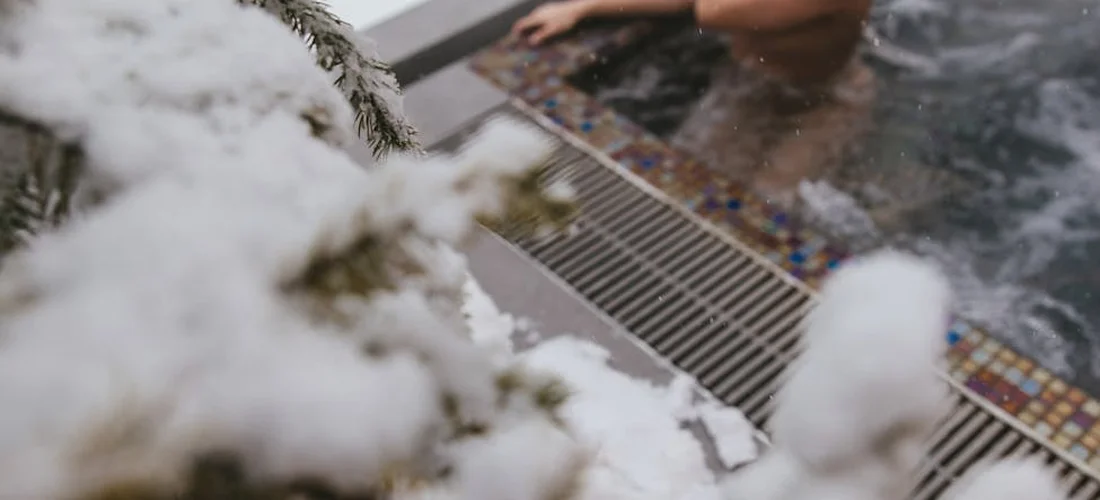
Think of your landscaping as the natural frame for your soaking experience. Done right, it creates privacy, absorbs sound, and makes the whole area feel like a secluded retreat. I’ve seen too many spas crammed against a bare fence—it feels clinical, not relaxing. Landscaping for hot tubs isn’t just about aesthetics; it’s about creating a sanctuary.
Plant Selection and Placement
You want greenery that soothes, not a part-time job. The goal is low-maintenance beauty that won’t wreck your water chemistry or plumbing.
- Go Evergreen: Choose plants like boxwood, ornamental grasses, or dwarf conifers that provide year-round structure and color without constantly dropping leaves or needles into your tub.
- Mind the Debris: Avoid planting messy, high-pollen, or sap-dripping trees directly overhead. You don’t want to be fishing out blossom petals or sticky residue during every soak.
- Create Layers: Plant taller shrubs or install a trellis with a climbing vine (like clematis or jasmine) at the back for privacy, with lower, fragrant herbs like lavender or rosemary near the seating area.
- Use Native Plants: They’re adapted to your local rainfall and pests, which means less watering and fewer chemicals needed nearby. I always give new container plants a heavy soak away from the tub before placing them, so fertilizers don’t runoff into the water.
- Root Respect: Keep all plants, especially large shrubs and trees, several feet away from your hot tub’s equipment bay and any underground plumbing lines to prevent invasive root damage.
Integrating Decorative Water Elements
The gentle sound of moving water masks neighborhood noise and adds a incredible sensory layer. But you must integrate them wisely.
- Recirculation is Key: Any added fountain or bubbler must be on its own independent, recirculating pump system. Never, ever tie a decorative water feature directly into your hot tub’s filtration or plumbing lines; it will disrupt the crucial hydraulic balance and sanitizer distribution.
- Consider a Rock Waterfall: A simple, self-contained unit that sits on the spa shell or adjacent to it can be very effective. Look for models with an adjustable flow so you can control the sound from a trickle to a rush.
- Bowl or Urn Fountains: These are fantastic for smaller spaces. The water cascades from one bowl to another, creating a soft, constant murmur. Place it on a sturdy table or pedestal within hearing distance.
- Mind the Splash Zone: Ensure any feature is positioned so prevailing winds won’t blow spray into the tub, which can dilute your carefully balanced water. Constant splash-over can also damage surrounding wood or decking over time, so I always recommend a proper drainage base like gravel or a catch basin.
Choosing Decor and Managing Pests
This is where your personal style meets practical reality. The items around your tub need to withstand sun, steam, and splashes, all while not inviting every bug in the county over for a swim. That balance is how you should put your jacuzzi tub for a better bath experience. When you pair it with the right accessories, your soak becomes easier to enjoy and maintain.
Weather-Resistant Decor Materials
Forget wicker and standard fabrics. You need materials that laugh at humidity and UV rays.
- Teak and Cedar: Naturally rot-resistant woods that age to a beautiful silver-gray. They can handle constant moisture without warping quickly. A teak side table or stool is a timeless choice.
- Marine Polymer Resin: This is the gold standard for outdoor furniture. It’s heavy, incredibly durable, and mimics the look of woven wicker without any of the degradation. I’ve had a set for five Texas summers and it still looks new.
- Powder-Coated Aluminum: Lightweight, won’t rust, and comes in endless colors. Perfect for side tables, drink holders, and cart frames.
- Concrete and Stone: For permanent side tables or planters, nothing beats the heft and durability of concrete, slate, or granite. They stay cool to the touch and are completely impervious to water damage.
- Quick-Dry Outdoor Fabrics: For any cushions or pillows, the fabric tag must say “Outdoor” or “Sunbrella.” These are mold and mildew-resistant and dry incredibly fast after a rain shower or splash. Store them in a deck box during long rainy spells to triple their lifespan.
Proactive Insect and Pest Management
Nothing shatters ambiance faster than a swarm of mosquitoes or spiders dropping from above. Be proactive, not reactive.
- Eliminate Standing Water: This is your number one task. After it rains, check and empty any saucers under planters, kid’s toys, or low spots in your deck cover. This disrupts the mosquito breeding cycle at its source.
- Strategic Lighting: Swap bright white deck lights for yellow “bug bulb” LEDs or use downward-facing amber lights. Insects are less attracted to these wavelengths.
- Natural Repellents: Plant citronella, lemon balm, or marigolds in pots around the perimeter. A small, oscillating fan near the tub also works wonders-most bugs avoid strong breezes.
- Clean Perimeter: Keep the area around your equipment bay free of leaves and debris where spiders and insects like to nest. A quick blast with a leaf blower once a week makes a huge difference.
- Cover Care is Key: A well-maintained, tightly-sealing cover is your first and best defense against pests getting into the water itself. Ensure your cover is in good condition and sits snugly on the spa shell every time you close it up.
FAQs
How do I create a comfortable seating area around my hot tub?
Focus on a layout that encourages relaxation and conversation. Arrange durable, weather-resistant chairs and a side table within easy reach of the tub, ensuring there’s a dedicated, dry storage spot for towels and robes. Choose furniture with quick-drying cushions and slatted frames for drainage to keep the area tidy and ready for use. Also consider where the tub sits to allow proper clearance and drainage beneath. This mirrors best practices for where to place the hot tub and what to put underneath.
What’s the best way to create a safe pathway to the hot tub?
A well-defined path prevents slips and enhances the journey to your spa. Use non-slip materials like textured pavers, gravel, or composite decking, and ensure the path is wide enough for two people. Incorporate gentle, low-level lighting along the edges for safe navigation after dark, avoiding any tripping hazards. These choices also shape your hot tub deck layout—durable, slip-resistant materials with integrated lighting create a cohesive plan. Think about how texture, lighting, and steps define entry, seating, and flow around the spa.
How can I add warmth for cooler evenings?
Extend your soaking season with supplemental heat sources placed safely away from the water. Options include freestanding propane patio heaters, a wood-burning fire pit, or even radiant heated mats underfoot on the deck. Always maintain a minimum distance of 5-10 feet from the hot tub for any open flame or fuel-burning device, and ensure all electrical components are rated for outdoor, damp locations. Be mindful of fire safety risks associated with hot tubs.
How do I choose complementary decor and textiles?
Select a cohesive color palette that complements your home’s exterior and natural surroundings. Use outdoor-rated textiles for pillows and cushions, and add texture with woven rugs or bamboo blinds. Choose decor items that are both stylish and functional, like a weatherproof cabinet for storage or ceramic lanterns for ambient light, ensuring every piece can withstand the elements.
What should I look for in weather-resistant accessories?
Prioritize materials that are inherently rust-proof and UV-stabilized, such as stainless steel, powder-coated aluminum, or marine-grade resin. Opt for accessories with a clear purpose, like a insulated drink cooler, a sturdy towel rack, or a side table with a built-in umbrella hole. Ensure they have simple, smooth designs for easy cleaning and can be securely anchored or stored during severe weather.
The Final Touch Before You Dip
Before you light those candles and step in, give your scene a final once-over. Flip on every light, from the string lights overhead to the submerged LED. Listen for the steady hum of the circulation pump and feel the water to confirm your heater did its job. This two-minute check ensures your sanctuary is safe, warm, and visually perfect the moment you slip into the water.
Your one golden rule for lasting ambiance is this: once a week, during your water testing routine, take five extra minutes to wipe down lights, check for burnt-out bulbs, and dust off your speakers or heaters. This tiny habit stops small issues from ruining your next perfect soak and keeps your retreat feeling cared-for and magical.
You’ve built more than a mood; you’ve crafted an experience. Now, go turn down the lights, turn up the tunes, and sink in. You’ve earned it.
Further Reading & Sources
- Hot Tub Store in Spring, TX | Saunas & Swim Spas | Hot Tubs and Outdoor Living
- 27 Outdoor Hot Tub Ideas That Turn Your Backyard Into A Spa Retreat
- 10 Modern Hot Tub Features to Create a Stunning Backyard Oasis
- Best Outdoor Hot Tubs | Spa Supplier | Bullfrog Spas
- Wood Fired Hot Tubs + Outdoor Living Products – GOODLAND
- Hot Tubs You’ll Love | Wayfair
Charlie is a hot tub enthusiast with a passion for keeping your jets running smooth and your bubbles bursting with joy. With years of experience in hot tub and jacuzzi maintenance, Charlie knows that a happy tub means a happy you. Whether it’s dealing with stubborn filters or giving your spa a little TLC, Charlie’s here to share expert tips, tricks, and plenty of laughs to help you keep your bubbly retreat in tip-top shape. So, kick back, relax, and let Charlie handle the rest — because no one likes a cranky jacuzzi!
Outdoor Setup