
Hot Tub Privacy Fix: How to Block Sightlines with Fences, Screens, and Landscaping
Published on: September 28, 2026 | Last Updated: September 28, 2026
Written By: Charlie Bubbles
If you find yourself sinking lower into the bubbles to avoid a neighbor’s wave, your relaxation is being hijacked. Your hot tub area has an exposure problem, and it’s a comfort issue that ruins the entire point of having a backyard spa.
- A tape measure and a notepad
- Your choice of materials: lattice, reed fencing, or evergreen shrubs
- Basic tools: a hammer, level, and post-hole digger
- One focused weekend
I’ll show you how to build your own privacy shell so you can soak in peace, on your own terms.
Why Hot Tub Privacy Matters for Your Spa Care Routine
Think of privacy features as silent maintenance partners. A solid fence or dense shrubbery acts as a windbreak, dramatically reducing the amount of leaves, pollen, and grass clippings that get blasted into your water. This means your filters capture less debris and you won’t be rinsing them as often.
That same wind protection slows down chemical evaporation from your water’s surface. With less breeze whisking your sanitizer away, your chlorine or bromine levels stay potent longer, making water balance easier and more affordable to maintain. I’ve balanced water in open yards and enclosed spaces, and the difference in chemical consumption is real.
- Creates a dedicated zone for testing water: A private area lets you focus on your test kit without distraction, leading to more accurate pH and alkalinity readings.
- Provides a safe, shaded spot for storing chemicals: Keeping chlorine or acid bottles out of direct sunlight and rain prevents them from degrading prematurely or becoming a hazard.
- Helps you hear the hum of the circulation pump for diagnostics: Background noise from traffic or neighbors can mask the early whine of a failing pump; a quiet enclave lets you listen closely.
I learned about ventilation the hard way when I helped a friend install a solid privacy screen. We placed it beautifully for seclusion but accidentally sealed off the airflow to the equipment compartment, causing the pump to overheat and shut down within a day. Always design with your tub’s breathing room in mind, especially when using it for long periods.
Choosing the Right Privacy Solution: Factors Every Hot Tub Owner Must Weigh
-
Assess your hot tub’s location with a maintenance eye. Note its proximity to your house for convenience, the prevailing wind direction to block debris, and the sun exposure. Weather also affects your water chemistry—temperature changes and rainfall can shift pH and chlorine demand. Full sun can bleach covers and break down chlorine faster, so partial shade from a trellis can aid chemical stability.
-
Evaluate material compatibility with your spa chemicals. Splashed water with chlorine or bromine can be harsh. Cedar wood naturally resists decay but needs annual sealing, vinyl panels wipe down easily, and any metal should be powder-coated to fight corrosion. I’ve seen uncoated steel lattice turn rusty from mist.
-
Prioritize unimpeded access to the equipment bay. You will need to get to the pump, heater, and drain valve for repairs. Ensure any barrier has a gate or opening that allows you to roll a tool cart or sump pump right up to the side panel. Struggling with access is a sure way to postpone needed fixes.
-
Consider ventilation for safety and equipment life. Barriers must not trap moist, chlorinated air or ozone gas from an ozonator. Use designs with gaps, like lattice tops or raised panels, to allow corrosive vapors to dissipate and prevent moisture buildup on your shell.
-
Balance your budget against long-term durability and upkeep. Compare the initial cost of a cedar fence to a vinyl system against the annual maintenance time each requires. A wood fence may cost less upfront but demands staining every few years, while vinyl costs more initially but only needs a hose-down, saving you weekend hours.
Built to Last: Permanent Privacy Fences and Walls

Wooden and Vinyl Privacy Fence Designs
Choosing the right fence material saves you from future headaches, especially when chemical splashes and humidity are constant companions. In my years servicing tubs, I’ve learned that a fence built without maintenance in mind can trap moisture and lead to rotten wood or damaged equipment. Let’s break down your options.
- Cedar fence offers natural resistance to rot and insects, but it will weather to a gray hue unless you apply a UV-protective stain every few years.
- Pressure-treated wood is a budget-friendly workhorse, but you must seal it annually with a water-repellent finish to guard against warping from sanitizer overspray.
- Vinyl fencing is the low-upkeep champion; it wipes clean of calcium residue or chlorine droplets with a damp rag and never needs painting.
For specs, aim for a 6-foot height to block sightlines while you’re seated in the water. Always dig post holes at least 24 inches deep to anchor your fence against strong winds that can stress the structure. Crucially, plan a gate width of no less than 36 inches-this allows you to easily remove filter cartridges for their weekly cleaning without a struggle.
During installation, maintain an 18-inch gap between the fence and the hot tub shell. I once had to carefully dismantle a section of a client’s beautiful new fence because it completely blocked the access panel for the pump and heater, turning a simple repair into a full-day project. It made me realize that for both aesthetics and compliance with safety codes, planning the fence placement is crucial.
Masonry and Composite Privacy Walls
For a timeless, solid barrier, consider building a privacy wall or enclosed courtyard. These structures must include ventilation holes or gaps near the top to let the warm, moist air from the tub escape and prevent heat buildup that could damage adjacent materials. If you’re looking to create a custom hot tub surround for your backyard, this can tie the space together. A well-designed surround complements the privacy elements and enhances relaxation.
- When designing a courtyard wall, incorporate lattice sections or decorative blocks to promote airflow and reduce the chance of mold on nearby surfaces.
- For material choice, I recommend composite blocks over natural stone like limestone. Composite materials are non-porous and resist permanent staining from accidental spills of pH decreaser or metal sequestrant, which can etch and discolor untreated stone.
Flexible and Functional: Screens, Curtains, and Portable Barriers
Installing Lattice Trellis and Bamboo Screens
These screens offer a perfect blend of privacy, airflow, and style for the handy owner. From my own deck projects, the key to longevity is choosing a frame that can handle the humid microclimate around your tub. For inflatable hot tubs, you’ll also need to factor in weight distribution and deck drainage. These special considerations help ensure a stable, long-lasting setup. Follow these steps for a secure setup.
- Select your frame material. Aluminum is rust-proof and ideal for areas with frequent water splash. Cedar offers a natural look but requires a yearly sealant treatment to maintain its integrity.
- Attach the panels using stainless steel hinges. This allows you to swing the entire screen away for unimpeded access to equipment panels when checking the circulation pump or diagnosing an error code.
- Secure the base to your deck or patio. Use surface-mounted brackets or weighted feet, and absolutely avoid puncturing the hot tub’s underlying vapor barrier with screws or anchors. A compromised vapor barrier can lead to wood rot and costly structural repairs down the line.
Using Outdoor Curtains and Partition Screens
Curtains add a soft, adjustable layer of privacy that you can open to the stars. Always choose quick-dry, solution-dyed acrylic or polyester fabric; it resists mildew growth from constant exposure to splashed water and evaporating chemicals.
- For anchor systems, ceiling-mounted tracks work beautifully on pergolas or gazebos, while weighted bases are ideal for deck installations where you cannot drill into overhead structures.
- I advocate keeping a set of portable partition screens on hand. They are invaluable for creating instant privacy during major water balancing sessions, like when you’re dissolving a granular shock and need to block windborne debris from contaminating the water.
Living Privacy: Landscaping with Plants and Greenery
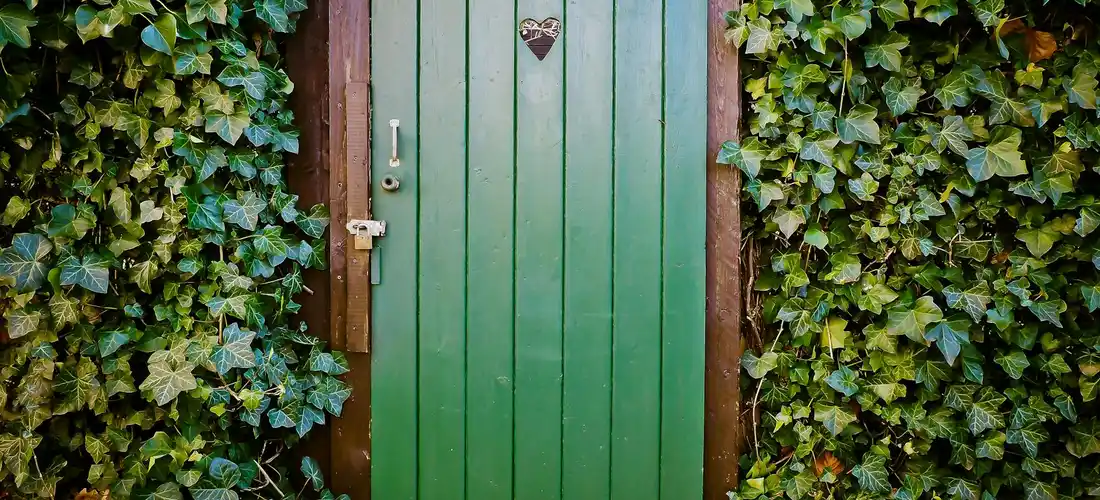
Nothing beats the feeling of sinking into warm, bubbling water surrounded by your own private slice of nature. I’ve found that using living greenery is the most rewarding way to build privacy, because it softens noise, filters light, and turns your spa area into a true retreat. Let’s talk about how to do it without creating a maintenance nightmare for your tub. For hot tub owners, the ultimate landscaping guide covers plants, privacy, and pathways to elevate your spa space. It’s a practical, low-maintenance approach that blends beauty with function.
Selecting Plants for a Natural Screen
Choosing the right plants is like balancing your water’s alkalinity-get it wrong, and you’ll have constant problems. Evergreen shrubs like arborvitae or holly are my go-to for a reliable, year-round windbreak that won’t dump leaves into your water every autumn. They create a dense, living wall that buffers sound and prying eyes.
- Choose evergreen shrubs and tall hedges for year-round windbreak planting.
- Suggest ornamental grasses for low-splash zones and planter boxes for elevated barriers.
- Warn against planting directly against the spa skirt; maintain a 12-inch root-free zone.
Ornamental grasses are fantastic for perimeter softness; their gentle sway adds motion without the mess of falling petals. Always plant in raised boxes or pots near the tub’s splash zone-this prevents soil and mulch from washing into your filter during a heavy rain. And listen to a lesson I learned the hard way: aggressive roots from plants like bamboo can snake under your pad and crack plumbing lines. Keep all planting at least a foot away from the spa’s skirt.
Building Living Walls and Trellis Arbors
A trellis with climbing vines gives you overhead shade and a vertical screen, but the construction details matter for longevity. When I build these, I only use galvanized or stainless-steel hardware, as the chlorine and bromine fumes in the air will corrode standard screws in a single season. Here’s a reliable method.
- Construct a trellis arbor using galvanized hardware to avoid chemical corrosion.
- Train climbing vines like jasmine for shade garden effects and noise dampening.
- Integrate irrigation that drains away from the hot tub pad to prevent foundation erosion.
Fast-growing vines like star jasmine or clematis create a fragrant, visual block and help absorb the hum of the circulation pump. Plan your watering system so it drains away from the hot tub’s concrete pad or foundation; repeated moisture against the slab is a sure ticket to erosion and costly leveling repairs. Drip lines on a timer are your best friend here. All of this helps create the perfect ambiance around your outdoor hot tub. Pair fragrant greenery with soft lighting and comfortable seating to finish the mood.
Pro Tips: Integrating Privacy with Hot Tub Maintenance and Safety
Privacy shouldn’t come at the cost of your safety or the ability to care for your spa. Every privacy solution must be built with the reality of water chemistry and equipment access in mind, or you’ll create a beautiful cage that traps fumes and blocks repairs. I’ve seen too many lovely enclosures that made simple tasks a nightmare.
Ensuring Chemical Safety and Airflow
That sharp sting of chlorine in a confined space is more than unpleasant-it’s a health hazard. Any fence, screen, or green wall must allow for a full 360-degree air exchange to safely disperse sanitizer gases that accumulate above the water surface. Solid barriers need gaps or latticework at the top and bottom.
- Mandate that all barriers allow a 360-degree air exchange to disperse sanitizer fumes.
- Store test kits and acids in a locked vented cabinet within the private area.
Your testing and dosing supplies need a secure home right near the tub. I keep my liquid chlorine and muriatic acid in a small, vented outdoor cabinet with a simple lock, which prevents accidents and keeps everything dry and within arm’s reach for testing. Proper storage is key.
Maintaining Access for Repairs and Water Care
You will need to get to the equipment compartment. Period. Design this access from the start, because wrestling with a panel during a January leak repair is a misery you can easily avoid. Follow these steps to keep maintenance simple.
- Design removable fence sections or screen panels aligned with the equipment compartment.
- Keep the area around the filter bay clear for monthly deep-cleans and O-ring replacements.
- Use waterproof LED lighting in pergolas for night-time water testing and leak checks.
A clear path to your filter cap is non-negotiable for monthly rinses and annual deep soaks. Waterproof, low-voltage LED lights mounted on your arbor or fence posts provide the perfect glow for safe night-time soaks and, more importantly, for spotting the faint shimmer of a leak under the cabinet before it becomes a major issue. Good lighting turns a chore into a quick, accurate check.
FAQs
What is the best height for a hot tub privacy fence?
A height of 6 feet is generally ideal for a seated hot tub user. This effectively blocks sightlines from neighboring properties or upper-story windows. Ensure local regulations permit this height, and always anchor posts at least 24 inches deep for stability in windy conditions. Also review electrical placement requirements for installing a hot tub, including GFCI protection and proper clearances. This helps ensure safe, code-compliant operation.
What fence materials hold up best against hot tub chemicals and humidity?
Vinyl fencing is highly resistant to chemical splashes and requires only simple wiping for cleanup. For wood, cedar offers natural rot resistance but needs annual sealing, while pressure-treated lumber is affordable but requires diligent waterproof sealing to combat warping from moisture and chemicals.
Can I design a privacy fence that still allows for proper equipment access?
Absolutely. Critical design features include a gate or removable panel at least 36 inches wide aligned directly with the equipment compartment. Always maintain an 18-inch clearance between the fence and the hot tub shell to ensure technicians or you can fully open the side panel for repairs.
How do I ensure my solid privacy fence doesn’t trap dangerous chemical fumes?
Incorporate ventilation into the design. This can be achieved by using a lattice top section, leaving intentional gaps at the bottom, or installing vents. This allows chlorinated or ozonated air to dissipate safely, protecting both your health and the equipment from corrosive, moist air buildup.
Are there any DIY-friendly privacy fence designs for a hot tub area?
Yes, installing pre-made lattice or bamboo screening panels is a popular DIY project. Use a rust-proof aluminum or sealed cedar frame and attach panels with stainless-steel hinges for easy swing-away access. Always secure bases with surface-mounted brackets to avoid puncturing any underlying deck or patio vapor barrier.
Preventing a Relapse
Before you light those candles and cue the relaxing playlist, do one last walkaround. Step into your neighbor’s shoes-literally. Go to where they might be in their yard and look back toward your tub. Does your new screen block the sightline? Is the lattice as opaque as you hoped at night? This final check is what separates a good setup from a great, worry-free one.
The single most effective thing you can do to maintain your privacy is to establish a seasonal inspection routine: as winter approaches, secure any loose panels on your fence; when spring arrives, prune and feed your landscaping to encourage dense, bushy growth. Nature and materials shift over time, but a quick check keeps your sanctuary intact.
You’ve done the hard work. Now, go enjoy the soak you’ve earned. The only thing anyone should see is your relaxed smile.
Further Reading & Sources
- Amazon.com: Hot Tub Privacy Screen
- 10 Hot Tub Privacy Ideas In Delaware- Revamp Your Backyard This Spring | Delaware Hot Tub Company
- Artesian Spas™ Three Hot Tub Privacy Solutions
- 22 Hot Tub Privacy Ideas for Every Budget
- 18 Hot Tub Privacy Fence Styles for a Luxury Soak
- A Perfect Fence for Hot Tub Privacy – Poly Enterprises Fencing Decking & Railing
Charlie is a hot tub enthusiast with a passion for keeping your jets running smooth and your bubbles bursting with joy. With years of experience in hot tub and jacuzzi maintenance, Charlie knows that a happy tub means a happy you. Whether it’s dealing with stubborn filters or giving your spa a little TLC, Charlie’s here to share expert tips, tricks, and plenty of laughs to help you keep your bubbly retreat in tip-top shape. So, kick back, relax, and let Charlie handle the rest — because no one likes a cranky jacuzzi!
Outdoor Setup