
Stop Wasting Money: The Essential Hot Tub Accessories and Installation Requirements You Can’t Ignore
Published on: January 23, 2026 | Last Updated: January 23, 2026
Written By: Charlie Bubbles
If your water chemistry is a constant battle, your energy bills are creeping up, or you hear a new drip every time you relax, your hot tub is screaming for the right accessories and a proper installation foundation. This isn’t a minor nuisance; it’s a drain on your wallet and your patience that, over time, can lead to premature pump failure or a shell that ages before its time.
- What You Need:
- A critical eye for your current setup
- A list of five non-negotiable accessories
- Basic knowledge of electrical and slab requirements
- 20 minutes for a straightforward audit
I’ve salvaged dozens of tubs from the brink by fixing these exact oversights, and I’ll show you how to lock in efficiency and clarity for good, on your own.
1. The Foundational Gear: Non-Negotiable Maintenance Accessories
Think of these accessories as the toolbox for your tub-skip them, and you’re asking for trouble. Your hot tub’s longevity and your peace of mind hinge on four core items: a quality insulated cover, a robust cover lifter, spare filters, and a vacuum built for the job.
- Insulated Spa Cover: This is your first line of defense. It locks in heat, slashes your energy bill, and keeps debris and curious critters out. A sun-damaged cover is a costly lesson; I once left one exposed in Arizona, and the UV rays turned the vinyl brittle, a $400 mistake that could have been prevented with a lifter.
- Sturdy Cover Lifter: This isn’t a luxury. A good lifter prevents strain on your back and the cover’s seams, which is how most covers fail prematurely.
- Primary and Spare Filters: I always keep a spare 25-micron filter on hand. The finer 25-micron rating catches skin oils and lotions better, while a 50-micron is a great all-purpose choice. Rotating two filters weekly makes cleaning a breeze and ensures your pump never strains.
- Durable Vacuum: You need a vacuum designed for spas, not pools. It should handle fine silt without scratching the acrylic shell during your weekly water-level check.
Choosing the right cover lifter is a classic DIY project. Your installation skill and budget will guide you, but always opt for a model that fully supports the cover’s weight to prevent shell damage from a falling edge.
| Lifter Type | Pros | Cons | DIY Friendliness |
|---|---|---|---|
| Strap Style | Affordable, simple design, fits tight spaces | Can wear out faster, offers less support | Very High – often just bolts on |
| Hydraulic Piston | Smooth operation, great for heavier covers | More expensive, mechanical parts can fail in cold | Moderate – requires precise mounting |
| Cradle Lift | Excellent support, very durable | Bulky, requires more clearance on one side | High – straightforward bolt-on installation |
Choosing the Right Filter and Cover
Filter selection is more than just grabbing a cartridge. Match your filter’s micron rating and size to your pump’s horsepower and how many people typically use the tub. A high-horsepower pump with a 50-micron filter is efficient for a family of four, but if you host frequent gatherings, a 25-micron filter will handle the extra bather load and keep the water feeling silkier. For replacements, choose the right hot tub replacement filter by matching the micron size and filter type to your tub’s model and flow needs.
I run a two-filter rotation system: one in the spa, one clean and dry in the garage. Swapping filters every week prevents channeling, where water cuts paths through clogged media and lets dirt straight into your heater.
Getting a cover that fits is critical for energy efficiency. Use a steel tape measure to get the exact length and width of your spa’s acrylic lip, not the cabinet, and always factor in the cover skirt that hangs down the sides. Here’s my method:
- Measure the spa shell’s length and width at the center, where the cover sits.
- Add 2 to 3 inches to each dimension for the standard skirt overhang.
- Check the cover’s R-value; aim for at least R-12 to fight heat loss in winter.
2. Site Prep and Structural Must-Dos Before Delivery
This is where many excited owners rush, and it leads to expensive corrections later. A perfectly level and massively strong base is not a suggestion-it’s the bedrock of a trouble-free installation. The heft of a filled hot tub is astonishing; a standard model can weigh over 3,000 pounds. Knowing the average weight when full matters. It helps you choose the right foundation and avoid overloading your surface.
- Verify a Level, Stable Base: Concrete slabs (4 inches thick minimum), compacted crushed gravel, or reinforced decking are your best bets. I’ve seen pavers shift and crack under the load, leading to shell stress.
- Check Deck Load-Bearing Capacity: Your deck must support a minimum of 50 pounds per square foot (PSF). Consult a builder if you’re unsure; reinforcing later is a headache.
- Ensure Installation Clearance: Leave at least 2 feet of clear access on the side where the equipment panel is. You will thank yourself when that circulation pump hums its last song and you need to replace it without dismantling your deck.
- Plan for Drainage: Water must run away from the pad. Pooling water freezes, stains the shell, and can rot wooden supports.
Preparing the Base and Managing Water Runoff
Your base material choice balances cost and permanence. Crushed gravel is a forgiving, drain-friendly DIY option, while a concrete slab is the permanent, low-maintenance champion. Interlocking plastic pads are a quick fix but can settle unevenly over time. For a spa pad, level and drainage remain key. When choosing, compare concrete pads, gravel bases, and spa-specific pads to fit your site and budget.
Gather these tools before you start: a long carpenter’s level, a hand tamper or plate compactor, a shovel, and a garden hose. Taking the time to compact your base thoroughly prevents sinking and costly re-leveling after the tub is in place.
Creating drainage is simple but vital. Use your level and a straight 2×4 to create a slight slope of about 1/4 inch for every foot, directing water away from the spa’s future location. On a concrete pad, this is done during the pour; on gravel, you grade and tamp the sub-base before adding your final layer.
3. Electrical Hookup: Safety Codes and Wiring Essentials
Let’s get straight to the most critical part: the electricity. This isn’t a lamp you’re plugging in. We’re mixing high-power heaters and pumps with water, and that demands respect. My absolute non-negotiable rule, forged from seeing scary DIY jobs, is this: hire a licensed electrician familiar with local spa codes. The risk of shock or fire from a botched connection is very real, and it voids your warranty instantly.
Your electrician will handle the specifics, but you should know the general requirements. Placement matters for these electrical requirements—outdoor vs indoor locations and the distance to the main panel can affect wiring routes and clearances. Most full-feature tubs need a dedicated 240-volt circuit. The wire gauge, like 6 AWG copper, depends on the tub’s amperage and the distance from your main panel—longer runs need thicker wire to prevent voltage drop. A local disconnect or subpanel within sight of the spa is also a code standard, providing a quick shut-off.
So, what’s the electrician actually doing? They’ll run protected conduit from your main service panel to the spa location, install that outdoor-rated subpanel or disconnect, and ensure all metal components within five feet of the water-like the tub frame, pump motors, and the subpanel itself-are bonded together. This bonding wire creates a common ground path, a silent guardian against stray voltage.
Understanding GFCI Protection and Circuit Specifications
GFCI stands for Ground Fault Circuit Interrupter. Think of it as a hyper-vigilant sentry. It constantly compares the current flowing out to and back from the tub. If it senses even a tiny mismatch-as little as 5 milliamps, which could be current leaking into the water-it kills the power in a fraction of a second. That abrupt click and silence might be annoying, but it’s the GFCI doing its lifesaving job, and you should never ignore it.
You’ll encounter two systems: 120V plug-and-play and 240V hardwired. The 120V models are convenient but often struggle to run the heater and jet pump simultaneously, leading to lukewarm soaks during long use. The 240V system delivers full power, ensuring your heater keeps up on the coldest nights.
Use this checklist when talking to your electrician:
- Verify the breaker amperage (typically 50 or 60-amp) matches the spa’s requirements exactly.
- Confirm all metal components are properly bonded per the National Electrical Code (NEC).
- Ensure all conduit, wire, and enclosure are rated for wet/damp outdoor use.
- Request that the finished conduit run is neat, secure, and protected from physical damage.
4. Your Water Care Arsenal: Chemicals, Test Kits, and Sanitizers
Now for the chemistry set that keeps your water safe and inviting. You don’t need a lab, but you do need the right tools. Start with a reliable testing method; I prefer a digital test kit for pinpoint accuracy, but high-quality test strips work if you read them in good light. Your core chemical cabinet needs pH increaser (soda ash) and decreaser (dry acid), alkalinity increaser (sodium bicarbonate), a primary sanitizer (chlorine or bromine tablets), and a non-chlorine shock (potassium monopersulfate).
Choosing a sanitizer is a personal preference. Chlorine is a fast, potent oxidizer familiar to pool owners, but it can degrade faster in the hot tub’s heat. Bromine is more stable at higher temperatures and can feel gentler on the skin. I often describe bromine as the “slow and steady” option, while chlorine is the “quick reaction force” for tackling contaminants. Supplemental systems like ozone or UV can reduce your chemical use, but they are helpers, not replacements, for your primary sanitizer. If you’re curious about the differences, you can read more about bromine and chlorine for hot tubs.
Follow this sequence for every fresh fill:
- Fill the tub through a filter in your hose to remove metals and minerals.
- Test the water for Total Alkalinity (TA), pH, and Calcium Hardness.
- Balance Total Alkalinity to 80-120 ppm first-it’s the foundation.
- Adjust pH to the ideal 7.4-7.6 range.
- Add your initial dose of sanitizer and shock to establish protection.
Balancing Act: Mastering pH and Alkalinity
Think of Total Alkalinity (TA) as your water’s buffer, its ability to resist pH change. If TA is your baking powder making a cake rise evenly, pH is the final height of the cake. A low TA (below 80 ppm) lets your pH bounce wildly with every addition of chemical or bather. A very high TA (above 120 ppm) locks your pH up high, making it stubborn to lower.
Your targets are simple: keep TA between 80-120 ppm and pH between 7.2-7.8, with 7.4-7.6 being the sweet spot. Always adjust alkalinity first, wait an hour with the jets on, then retest and adjust pH; chasing pH before TA is a frustrating, circular battle.
Most water problems stem from an imbalance here. Use this quick guide:
- Cloudy Water: Likely low sanitizer or high pH causing scaling.
- Strong Chemical Odor: That’s not “too much chlorine,” it’s combined chloramines-a sign you need to shock.
- Skin & Eye Irritation: Almost always a pH problem, not a sanitizer problem.
- Scale on Walls or Heater: Water is too hard (high calcium) or pH/TA is too high.
5. Safety and Accessibility Add-Ons for Worry-Free Soaks
After years of balancing water and fixing jets, I’ve learned that the best soak is a safe one. Preventing a slip or fall starts with the right gear, turning your deck from a hazard zone into a secure retreat. You want to step into relaxation, not onto a wet, slick surface that could ruin your evening.
I always recommend these three safety accessories to every hot tub owner I advise:
- Slip-Resistant Spa Steps with a Handrail: This isn’t just about convenience; it’s about stability. The right steps provide a firm, textured surface that grips your feet even when wet.
- A Waterproof Mat for the Deck: Place this around the tub to catch drips and splashes. It saves your decking and gives you a dry, grippy area to stand on when you get out.
- A Lockable, Rigid Cover: This is non-negotiable for child and pet safety. A solid cover that locks shut prevents accidental access, giving you peace of mind when the tub isn’t in use.
Installing these items correctly is half the battle. When anchoring steps and a handrail, always secure them directly into the deck frame, not just the surface boards, for rock-solid stability. I use stainless steel lag bolts and washers for this job-they resist rust from chemicals and weather. For a wooden deck, pre-drill your holes to avoid splitting the wood.
Don’t overlook grab bars for elderly users or anyone with mobility concerns. Look for products that meet ASTM standards for load-bearing capacity; this certification means they’re tested to hold weight safely, which is crucial for a wet environment. I helped my neighbor install one, and the confidence it gave her to use the tub independently was worth every minute of the work.
6. Comfort and Convenience Upgrades for the Ultimate Soak
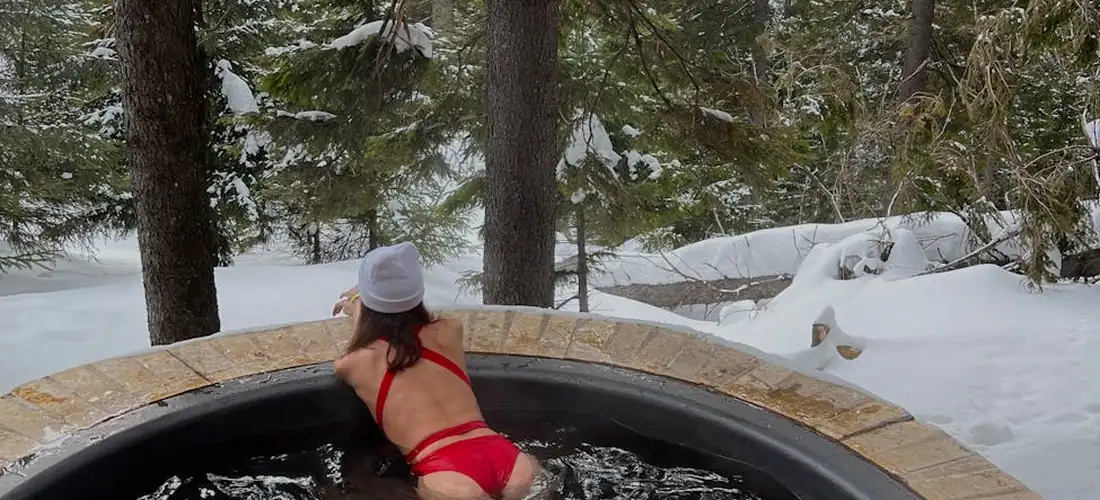
Once safety is handled, it’s time to elevate your experience. The hum of the circulation pump becomes a background note to a multi-sensory soak when you add a few well-chosen comforts. These upgrades don’t have to be expensive, but they make your tub feel like a personal resort.
Here are my top picks for comfort-enhancing accessories, tested from my own backyard soaks:
- Low-Voltage LED Lighting Kits: Waterproof LED strips can transform the ambiance after dark. They’re easy on the eyes and energy bills.
- Bluetooth Speaker Systems Designed for Humidity: Look for speakers with an IPX7 rating or higher. They can handle steam and the occasional splash without frying.
- Floating Cup Holders: A simple luxury that keeps your drink secure and within arm’s reach, preventing spills into the water.
- Ergonomic Headrests: These attach to the shell and provide neck support, making a long soak infinitely more comfortable.
My favorite DIY project is adding LED lights. For a pro-grade seal on wire penetrations into the equipment compartment, I always use a marine-grade sealant-it’s formulated to handle moisture and temperature swings without cracking. This small detail prevents leaks and electrical issues down the line.
I’m a huge advocate for energy-efficient upgrades that save money. A thermal blanket liner, which sits like a second skin under your main cover, can cut your heating costs by reducing heat loss through the water’s surface. It’s one of the smartest investments you can make for long-term efficiency.
Installing Low-Voltage Lighting and Audio
Let’s get hands-on with lighting and sound. Always power LED strips from a dedicated, low-voltage transformer plugged into a GFCI outlet-this separates the high voltage from the wet zone for absolute safety. Route the wires away from the heater and pump to avoid heat damage, and use waterproof heat-shrink connectors for all your splices.
- Mount the transformer in a dry, protected spot inside the equipment cabinet.
- Run the low-voltage wire through conduit if it’s exposed, securing it with UV-resistant cable clips.
- Attach the LED strip to a clean, dry area of the spa shell using its adhesive backing, often along the lip under the cover.
- Seal any entry points where wires pass into the tub shell with that marine-grade sealant I mentioned.
For Bluetooth speakers, placement is key. Mount them on a wall or post away from direct splashing, but within the range of your tub’s seating for best sound quality. Pair two speakers for stereo sound if your system allows it, and make sure they’re fully charged or connected to a weatherproof power source before your soak begins. To truly enhance your hot tub experience, sync ambient lighting with the music for a cohesive lighting and sound mood. Gentle, waterproof LED accents can pulse with the beat.
7. Fun Extras and Seasonal Gear for Year-Round Use
Once your tub’s foundation is solid and the water is balanced, it’s time for the good stuff—the gear that transforms a basic soak into your personal resort. Think of these accessories as the reward for doing your maintenance homework; they’re the fun part of hot tub ownership. When you pick the best hot tub accessories, maintenance efficiency matters just as much as enjoyment—look for tools that simplify cleaning, filtration, and winter care. I like to split them into two camps: pure enjoyment and essential protection for the harsh months.
Gear for Fun & Entertainment
These items are about maximizing relaxation and creating memories. They also make fantastic hot tub accessories gifts for the owner who has the basics covered. Curious about whether hot tubs support stress relief and mental wellness, and what science says? We’ll explore what research shows.
- Floating Caddies & Shelves: More reliable than a soggy pool noodle, these rigid platforms keep drinks, snacks, and books safely above the waterline. Look for ones with non-slip bottoms and cup holders.
- Waterproof Games: Floating dice, waterproof playing cards, or even a simple floating checkerboard add a social element. The laughter is good for the soul, even if you drop a piece.
- Floating Bluetooth Speaker: The ultimate mood-setter. A quality waterproof speaker that bobs safely in the corner lets you control the playlist without risking your phone. This is a top-tier gift idea.
- Quick-Dry Robes & Sandals: Stepping out into cool air is a shock to the system. A plush, absorbent robe and a pair of slip-on sandals stationed by the door make the transition luxurious and quick.
Essential Cold-Weather Armor
Winter soaks are magical, but freezing pipes are a nightmare. Preparing your tub for cold snaps isn’t optional; it’s a cheap insurance policy against thousands in repair bills. I’ve been on too many service calls for cracked plumbing that could have been avoided. Proper winterization is key to preventing such damage.
- Circulation Pump Timer: This is your first line of defense. If your tub doesn’t have a “freeze protection” mode, a simple outdoor-rated timer can be programmed to run the circulation pump for 15 minutes every hour during predicted freezes, keeping water moving and just above freezing.
- Thermal Blanket (Floating Cover): Placed directly on the water’s surface underneath your main cover, this thin foam layer cuts evaporative heat loss dramatically. It can reduce your heating costs by up to 30% and eases the strain on your heater and pump.
- Insulating Cover Cap (Styrofoam Cover): For extreme climates, a rigid foam panel that sits on top of your acrylic shell, under the main cover, adds a critical R-value boost. Ensure it’s cut to fit your tub’s shape and doesn’t interfere with the cover lid.
Where to Find Quality Gear
Not all retailers are created equal, especially for parts that keep your tub alive.
- For Critical Parts (Filters, Pumps, Heaters): Go local. Your neighborhood spa shop has technicians who know your brand, can get OEM or certified compatible parts, and often offer warranty support. Buying a filter online might save five bucks, but you won’t get advice on the correct micron rating for your specific water conditions.
- For Fun Accessories & Generic Supplies: Big-box pool supply stores and reputable online marketplaces are fine for floats, chemicals, test strips, and thermal blankets. Read reviews and check material quality.
- For Custom Solutions: Need a unique cover lift or a special step? Specialty online spa accessory stores often have the widest selection and detailed sizing guides.
FAQs
What are some must-have hot tub accessories specifically for adults?
Adults often prioritize relaxation and convenience, so consider accessories like waterproof Bluetooth speakers for music, insulated stainless steel drinkware to keep beverages cold, and ergonomic headrests for neck support. Floating trays or caddies are also great for holding books, tablets, or snacks, enhancing a tranquil, child-free soak.
Can you suggest some unique hot tub accessory ideas beyond the basics?
Beyond maintenance gear, think about adding ambiance with color-changing LED pillows or floating LED orbs. For social soaks, waterproof card games or a floating cooler can elevate the experience. Additionally, a digital thermometer with remote monitoring lets you check water temperature from inside your home.
What are the best hot tub accessories to give as gifts?
Excellent gift options include high-quality quick-dry robes, slip-resistant sandals, or a set of floating cup holders. For a tech touch, a waterproof wireless speaker or a spa-side towel warmer is always appreciated. These items enhance comfort without overlapping with essential maintenance tools the owner might already have.
Is it safe to buy hot tub accessories on Amazon?
Yes, but exercise caution: stick to reputable brands and read customer reviews for quality assurance. Avoid critical components like filters or pumps unless they are OEM-certified; instead, use Amazon for fun extras, thermal blankets, or test strips. In practice, hot tub parts [aren’t universally interchangeable](https://thehappytub.com/are-hot-tub-parts-interchangeable-and-universal); compatibility varies by model and manufacturer. Always verify product specifications match your tub model to prevent compatibility issues.
How should I store and maintain hot tub accessories during winter?
For winter storage, clean all removable accessories like steps or floats with mild soap, dry thoroughly, and store indoors in a cool, dry place. Check electrical items like speakers for moisture damage, and keep chemicals in a sealed container away from freezing temperatures to maintain efficacy.
The Final Turn of the Wrench
You’re in the home stretch. Before you step into that perfect, warm water, give everything one last look. Turn on the jets and feel their power. Double-check your water’s balance with a test strip. This final moment ensures your safety and confirms your hard work paid off. A quick two-minute verification now prevents a disappointing, chilly, or chemically-imbalanced soak later.
All this talk of accessories and setup comes back to one core truth. The most important piece of equipment isn’t something you buy; it’s a simple, non-negotiable habit. Commit to a 15-minute weekly ritual: pull and rinse your filters under the garden hose, check your sanitizer level, and wipe down the waterline. This small act is the master key that prevents cloudy water, heater failures, and clogged jets from ever taking hold.
You’ve done the work. You’ve tightened the last fitting, balanced the last chemical, and placed the final accessory. Now, go lower yourself into that blissful heat. You’ve earned it. Enjoy your soak.
Further Reading & Sources
- Hot Tub Accessories | Master Spa Parts
- Hot Tub Accessories – The Home Depot
- Hot Tub Accessories – Elevate Your Hot Tub Installation
- Hot Tub & Spa Accessories – Pillows, Steps, Cover Lifters – SpaDepot.com
- Hot Tub Parts and Accessories | Jacuzzi.com | Jacuzzi®
- 10 Best Hot Tub Accessories For Your Spa Installation [2025]
Charlie is a hot tub enthusiast with a passion for keeping your jets running smooth and your bubbles bursting with joy. With years of experience in hot tub and jacuzzi maintenance, Charlie knows that a happy tub means a happy you. Whether it’s dealing with stubborn filters or giving your spa a little TLC, Charlie’s here to share expert tips, tricks, and plenty of laughs to help you keep your bubbly retreat in tip-top shape. So, kick back, relax, and let Charlie handle the rest — because no one likes a cranky jacuzzi!
Outdoor Setup