
Jacuzzi Verdict: The Quick Health, Lifestyle, and Budget Check to See If You’re a Good Fit
If you’re imagining stress-free soaks but your brain is tallying up maintenance hours and utility bills, you’ve already pinpointed the core conflict. Deciding on a Jacuzzi isn’t about wanting relaxation; it’s about whether your daily life can sustainably marry the demands of a 400-gallon warm water ecosystem. From balancing water for clients to repairing neglected pumps, I’ve seen this purchase become a joy or a jarring burden, and it all starts right here.
-
What You Need:
- A candid look at your weekly schedule for 30-60 minutes of maintenance.
- Knowledge of any specific health issues like chronic pain, hypertension, or sensitive skin.
- A realistic budget that includes the spike in your electric bill and chemical costs.
- Five minutes of honest self-reflection.
I’ll help you diagnose your own situation so you can make this call yourself, without ever needing to listen to a sales pitch.
Health Perks: When a Jacuzzi Acts as Therapy
That gentle hum of the circulation pump and the warm embrace of the water aren’t just for relaxation. With the right care, your tub can be a powerful tool for your health. I’ve recalibrated countless jets and balanced water chemistry for clients who rely on their soak for relief, turning a simple backyard fixture into a personal wellness station.
Ideal Candidates for Hydrotherapy
If you’re dealing with daily aches or seeking a natural mood boost, you might be the perfect candidate. Hydrotherapy uses warm water and targeted pressure to support your body’s own healing processes. It’s the combination of heat, buoyancy, and massage that makes a Jacuzzi more than just a bath. Scientific research suggests that soaking hydrotherapy can reduce pain and stress by relaxing muscles and modulating the nervous system. These effects can help explain why many people feel more at ease after a session.
For Joint and Muscle Pain (Arthritis, Back Pain)
The buoyancy is a game-changer. It lifts the weight off your joints, allowing for easier movement and reduced inflammation. I’ve set up jets for clients with rheumatoid arthritis who find morning stiffness melts away in a 102°F soak. For chronic back pain, positioning yourself so the jets target your lower back can provide relief that lasts for hours.
- Set your temperature between 100°F and 102°F for therapeutic warmth without overheating.
- Limit sessions to 15-20 minutes to prevent skin wrinkling and dehydration.
- Use the jets on a medium, pulsating setting to increase blood flow without causing bruising.
Consistency is key-regular, short soaks often deliver better results than occasional marathon sessions. And remember, clean water is non-negotiable; improperly balanced chemicals can irritate sensitive skin and undo the benefits.
For Mental Well-being (Stress, Sleep, Circulation)
The mental reset is real. The rhythmic sound of the water and the deep warmth help quiet a racing mind. This isn’t just a feeling; the heat dilates your blood vessels, improving circulation and signaling your body to relax. Many of my clients use an evening soak as their signal to unwind, leading to noticeably deeper sleep.
- For stress: Soak for 10-15 minutes with the jets off, focusing on deep breathing.
- For sleep: Soak about 90 minutes before bed to allow your core temperature to drop naturally afterward.
- For circulation: Alternate between warm soaks and cool showers to stimulate blood vessel tone.
I always advise pairing this ritual with good tub hygiene-nothing ruins relaxation faster than the sting of unbalanced chlorine or a clogged filter. A well-maintained pump ensures that soothing hum remains a constant, not a sputtering annoyance.
Health Red Flags: Who Should Avoid Hot Tub Soaks
As much as I love hot tubs, I’ve also been the guy to warn owners about the risks. Balancing water isn’t just about clarity; it’s about preventing infections from hot tubs that can exploit a weakened system. Infections are among the most common health risks from hot tubs when sanitizer levels drift. Keeping sanitizer levels steady and pH balanced helps prevent these infections. Your safety always comes first.
Serious Medical Contraindications
Certain conditions make hot tub use dangerous. The heat and water pressure can strain your cardiovascular system or worsen existing issues. If you have any of the following, get a clear thumbs-up from your doctor before even testing the water—and even then, follow general health and safety guidelines for hot tub use.
- Pregnancy: High core temperature, especially in the first trimester, is linked to birth defects.
- Heart Disease or High/Low Blood Pressure: The heat causes blood vessels to dilate, which can lead to a dangerous drop in blood pressure or strain on the heart.
- Open Wounds or Infections: Bacteria like Pseudomonas aeruginosa thrive in warm water and can cause “hot tub folliculitis.”
- Recent Surgery or Implants: Heat can increase swelling around surgical sites, and jets may disrupt healing.
Temporary Precautions and Safety Rules
Even if you’re generally healthy, there are times to skip the soak. I’ve seen problems arise from simple oversights, like not showering before entering. Always test your water’s sanitizer and pH levels with a reliable kit before getting in-your nose isn’t a reliable gauge.
- After Alcohol Consumption: Alcohol dehydrates you and impairs judgment, increasing the risk of overheating or drowning.
- During Illness with a Fever: Adding external heat can raise your core temperature to dangerous levels.
- Time Limit Rule: Never exceed 20-30 minutes in a single session to prevent hyperthermia.
- Hydration Rule: Drink a glass of water before and after your soak to counteract fluid loss.
From a maintenance perspective, energy-efficient settings keep the water at a steady, safe temperature without wild swings. I recommend a clean filter (soaked monthly) and a solid sanitizer residual of 3-5 ppm chlorine to protect everyone’s health, especially those with compromised immune systems.
The Maintenance Reality: More Than Just Relaxation

That dream of instant relaxation fades fast when you’re facing a green, murky tub that smells off. The truth is, a Jacuzzi demands consistent attention, trading a little weekly effort for countless hours of clean, safe soaking. Understanding how Jacuzzi tub jets work—the pump moving water through the nozzles—helps you prevent clogs and keep the massage consistent. Regular maintenance keeps the jets delivering steady pressure and full performance. I’ve lost track of the pumps I’ve fixed and the water I’ve balanced—it’s a hands-on hobby, not a set-and-forget appliance.
Weekly and Monthly Upkeep Tasks
Think of weekly care like brushing your teeth; skip it, and problems build up quickly. Develop a ritual every 3-4 days: test the water, adjust chemicals, and visually inspect the system. The hum of the circulation pump should be steady, not labored.
Here is your essential weekly checklist:
- Test sanitizer and pH levels. For chlorine, keep it between 3-5 ppm; for bromine, 4-6 ppm is your sweet spot.
- Add sanitizer as needed, and always shock after a party or heavy rain to burn off contaminants.
- Quick-rinse your filter cartridge with a hose to dislodge debris and maintain steady water flow.
- Skim the water surface and check the skirt for leaves or insects that can clog the works.
Monthly tasks dive deeper into prevention. Ignoring your filter for a month forces the heater to work overtime, spiking your energy bill. I use a calendar reminder for these jobs.
- Deep-clean filters with a proper soak. I use a filter cleaner solution or a DIY soak of one cup trisodium phosphate in five gallons of water for grease.
- Inspect and clean the cover’s underside with a mild bleach solution to prevent mold and check for waterlogging.
- Wipe down the shell waterline with a dedicated spa surface cleaner to prevent scum build-up.
- Check all equipment compartment vents for blockages and listen for unusual sounds from pumps or heaters.
Understanding the Costs: Upfront and Ongoing
The sticker price is a down payment on a long-term relationship. Installation-a proper 240V electrical hookup, a solid base, and delivery-often costs as much as a mid-range tub itself. My first install needed a new sub-panel and concrete pad, adding $3,500 to the bill.
Ongoing costs are where budgets get real. Chemical safety means using the right amounts; over-pouring is wasteful and harsh on skin and components. Let’s break down the predictable expenses.
- Energy: $30-$75 monthly. A full foam-insulated tub with a tight cover in a cold climate costs less to run than a poorly insulated one.
- Water & Sewer: $15-$30 quarterly for draining and refilling ~400 gallons. A pre-filter on your hose removes metals and saves chemistry headaches.
- Chemicals & Supplies: $20-$40 monthly for sanitizer, balancers, test strips, and filter cleaner.
- Repair Fund: $200-$400 annually. Heater elements fail, pumps develop leaks, and controls can glitch.
Proactive care saves money. I advocate for a secondary silicone sealant around the equipment door seams; a $10 tube prevents $500 water damage repairs. Investing in a digital water tester also cuts chemical waste by giving you precise readings, not color-guesswork.
Practical Fit: Space, Installation, and Accessibility
That beautiful corner of your patio might be a nightmare for service access. You need clear space on at least one side-ideally all sides-for technicians to reach the equipment bay. I’ve had to partially disassemble decks just to replace a simple valve, a costly lesson in planning.
Installation Must-Haves and Site Prep
Getting the site wrong guarantees future repairs. Your base must be perfectly level and capable of holding over 5,000 pounds when the tub is full of people and water. Crushed gravel compacted in layers works, but a 4-inch reinforced concrete slab is my gold standard. You can read more about the requirements for a hot tub concrete base to ensure proper installation.
Before delivery day, complete this list:
- Electrical Ready: A licensed electrician must install a dedicated 50-60 amp GFCI circuit. No exceptions.
- Water Access: Have a garden hose long enough to reach the tub for filling. Consider an outdoor frost-proof spigot.
- Drainage Path: Plan where 400+ gallons will go when you drain it. A slope away from your house foundation is critical.
- Delivery Route: Measure gates, pathways, and overhangs. Many tubs are delivered upright and need a 4-foot wide clearance.
I learned about load-bearing the hard way. An upgraded pad costs more upfront but prevents shell stress cracks that are irreparable and lead to full replacement.
Designing for Ease of Use and Safety
Design choices directly impact how often you’ll use the tub and how safely. Place your tub where you can see it from a frequently used window; out of sight often leads to neglected maintenance. Think about the entire experience, from walking out your door to getting back in.
Focus on these elements for safety and comfort:
- Sturdy Steps & Rails: Install steps with abrasive, non-slip treads and a handrail on at least one side. Aluminum or composite materials last for years outdoors.
- Safe Storage: Keep all chemicals in a locked, plastic toolbox away from the tub’s heat and moisture to prevent corrosive fumes or accidental mixing.
- Lighting: Path lighting and underwater LED lights aren’t just ambiance; they prevent trips and falls when entering or exiting.
- Cover Lifter: A hydraulic cover lifter is a must for easy, one-person operation and ensures the heavy cover is always securely replaced.
For accessibility, small details matter. I installed a raised, wrap-around deck for a client with knee issues, bringing the tub rim to seat-height for an easy pivot in and out. Also, ensure the control panel is intuitive and within reach from your favorite seat to adjust jets without struggling.
Lifestyle Match: Is Your Routine a Good Fit?
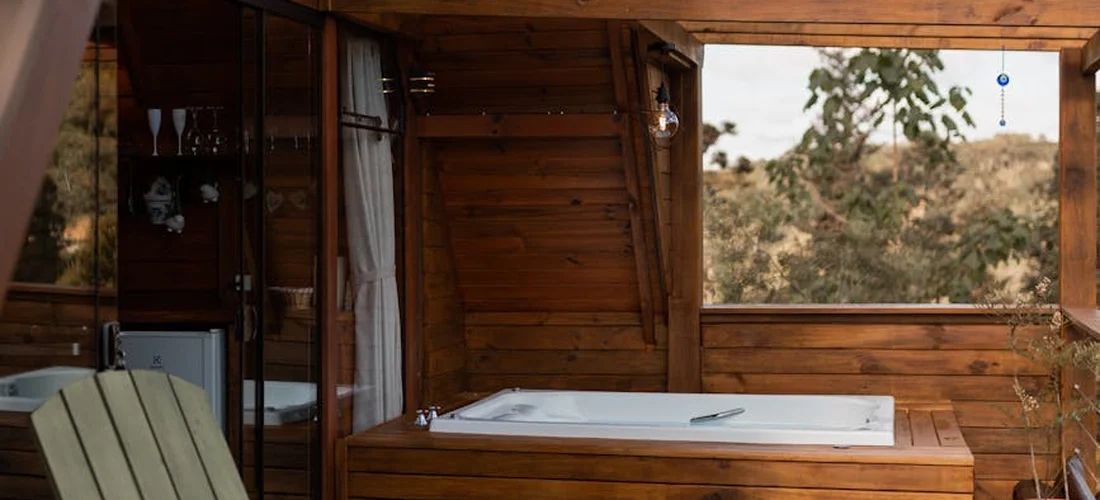
The Commitment of Ownership
Picture this: you’ve had a long day, and the idea of a soothing soak is calling. But first, you need to check the water. Owning a Jacuzzi is a trade-off where moments of bliss are bought with consistent, hands-on care. I know from fixing pumps and balancing water that the tub doesn’t take a day off. To keep that bliss safe, sanitize and disinfect your Jacuzzi tub regularly. A quick wipe-down between uses helps maintain water quality.
Your week will include testing alkalinity and pH, feeling for the slickness of balanced water or the faint sting of chlorine when it’s not. Letting water chemistry slide for even a few days invites cloudiness or scaling that can take hours to correct. I’ve lost count of the afternoons I’ve spent helping friends drain and refill their neglected spas.
You’ll become familiar with the hum of the circulation pump and the specific clarity of properly sanitized water. Regular maintenance, like cleaning filters every month with a hose or in a filter cleaner solution, is non-negotiable for equipment longevity. It’s a rhythm you must embrace.
Consider your energy use, too. A well-maintained tub with a tight-fitting cover is far more efficient. Neglecting simple steps like using a cover can easily double your monthly electricity bill, something I’ve verified on my own utility statements. That’s exactly the kind of thing I bust in my piece on 5 common myths about hot tub energy consumption costs. Understanding these myths can save you real money without sacrificing comfort. If your schedule is already overflowing, this commitment might drown you.
Making the Call: A Pre-Purchase Checklist
Before you get swept away by glossy brochures, grab a notepad and work through this list. This honest self-assessment has saved more potential buyers from regret than any sales pitch ever could.
- Time Reality Check: Can you dedicate 20 minutes weekly for testing and 2-3 hours monthly for deeper cleaning? If not, who will?
- Financial Full Picture: Budget for the tub, a 240V electrical hookup, a sturdy cover, and ongoing costs-chemicals (about $20-$40 monthly), fresh filters ($60-$100 each), and that higher power bill.
- Space and Strength: Do you have a perfectly level, reinforced base? A filled tub weighs thousands of pounds; a compromised deck or soft patio stones won’t cut it.
- Chemical Comfort Level: Are you prepared to safely handle and store sanitizers, acids, and balancers? Read the SDS sheets and always add chemicals to water, never vice versa.
- DIY Repair Aptitude: Basic skills like using PVC cement for a leaky joint or replacing an O-ring can save a $300 service call. Are you willing to learn?
- Health Consultation: Have you spoken with a doctor about hydrotherapy if you have conditions like hypertension, diabetes, or sensitive skin?
- Water Source Plan: Will you use a hose pre-filter to remove metals and minerals? This simple $20 tool makes initial water balancing far easier.
- Long-Term Vision: Are you committed to this home for several years? Moving a hot tub is a major, costly undertaking.
If you checked “no” on more than two items, seriously reconsider your purchase-your future self will thank you for the honesty. The right owner sees the work as a satisfying part of the relaxation ritual itself.
What People Ask
Is a jacuzzi a good idea for someone with arthritis or chronic pain?
Yes, individuals with arthritis, muscle soreness, or chronic back pain are often ideal candidates. The combined therapy of warm water buoyancy and targeted jet massage can reduce stiffness, improve circulation, and ease discomfort. Consistent, short soaks (15-20 minutes) at a moderate temperature (100-102°F) are typically more beneficial than infrequent long sessions.
Who gets the most therapeutic benefit from regular hot tub use?
Beyond those with physical pain, people seeking mental well-being and better sleep can greatly benefit. The heat and hydrotherapy help reduce stress, lower cortisol levels, and improve circulation. Using the tub as a consistent evening ritual, about 90 minutes before bed, can promote deeper, more restful sleep by aiding the body’s natural temperature regulation. This approach can be especially helpful for insomnia and other sleep disorders, offering a non-pharmacological way to improve sleep onset and continuity. With regular practice, it may reduce nighttime awakenings and enhance overall sleep quality.
Are there medical conditions that make using a jacuzzi unsafe?
Absolutely. Certain conditions pose serious risks, and a doctor’s consultation is essential. This includes individuals with uncontrolled heart disease, high or low blood pressure, or who are pregnant (especially in the first trimester). The heat causes vasodilation, which can strain the cardiovascular system or, in pregnancy, potentially harm fetal development.
Can a busy person with a tight schedule manage jacuzzi ownership?
It is challenging. Ownership requires a predictable weekly time commitment for water testing and chemical balancing, plus monthly deep cleaning. If your schedule is already overloaded and you cannot dedicate this routine maintenance, a hot tub can quickly become a source of stress and a neglected, unhealthy burden rather than a relaxation tool. The ultimate 90 day hot tub maintenance plan for new owners provides a simple, actionable roadmap to stay on top of water care and equipment. Followed consistently, it turns maintenance into manageable steps so your hot tub remains a source of relaxation rather than stress.
Should someone on a very limited budget consider purchasing a jacuzzi?
Generally, no. The ongoing costs are significant and often underestimated. Beyond the purchase price, you must budget for a substantial increase in your monthly electric bill, continuous chemical expenses, quarterly water refills, and an annual repair fund. If these ongoing costs would strain your finances, it is advisable to reconsider.
The Final Touch Test
Before you slide into that silky, inviting water, do one last thing. Run the jets for a full minute and feel the water temperature with your hand. Listen for any unusual groans from the pump and watch for weak flow. This 30-second ritual is your ultimate safeguard, catching a loose connection or a lazy heater before you commit to the soak.
After years of resetting tripped breakers and fixing milky water, my golden rule is simple. Treat your hot tub’s filter like your favorite pair of jeans – give it a quick rinse with the hose every single week, and give it a deep chemical soak once a month, no exceptions. A clean filter is the heart of everything: clear water, efficient heating, and a pump that doesn’t have to strain. Forget this, and you’re fighting an uphill battle against cloudy water and error codes. This ties into a complete guide to hot tub filtration cycles, covering how long to run each cycle and how often to cycle. Mastering those timings keeps your water clear and your equipment running smoothly.
You’ve done the work. The chemistry is tight, the pumps hum with purpose, and the water sparkles. Now, go get in. You’ve earned it. Happy soaking.
Further Reading & Sources
- Hot Tub Sizing and Seating Guide | Jacuzzi®
- Swim Spa Measurements: Find the Perfect Fit for Your Space | Jacuzzi®
- Hot Tub Dimensions: A Comprehensive Guide to Size, Space, and Comfort | Jacuzzi®
- Aquatic Fitness 101: What You Should Know About Spa Exercise
- Measure for Your Bathtub| Jacuzzi.com | Jacuzzi®
- Hot Tubs | Browse By Hot Tub Size | Jacuzzi.com | Jacuzzi®
Charlie is a hot tub enthusiast with a passion for keeping your jets running smooth and your bubbles bursting with joy. With years of experience in hot tub and jacuzzi maintenance, Charlie knows that a happy tub means a happy you. Whether it’s dealing with stubborn filters or giving your spa a little TLC, Charlie’s here to share expert tips, tricks, and plenty of laughs to help you keep your bubbly retreat in tip-top shape. So, kick back, relax, and let Charlie handle the rest — because no one likes a cranky jacuzzi!
Safety Tips