
Stop Overpaying: Busting 5 Costly Myths About Hot Tub Energy Use
Published on: January 10, 2026 | Last Updated: January 10, 2026
Written By: Charlie Bubbles
If your electricity bill climbs every month like clockwork the moment you start using your spa, you’ve just identified the symptom. The diagnosis is that you’re likely operating on bad information, not that your hot tub is broken-this is a financial nuisance, not an emergency, but it’s one that adds up fast.
What You Need:
- Your latest utility bill
- Five minutes at your tub’s control panel
- A simple digital thermometer
- The willingness to question “common knowledge”
I’ve balanced water and fixed pumps for years, and I promise you’ll learn how to correct this cost creep yourself, without ever picking up the phone for a pro.
Myth 2: The Pump and Heater Guzzle Electricity Non-Stop
This is the image that keeps people up at night: a pump roaring like a jet engine and a heater glowing red 24/7, spinning your meter into a blur. Let me tell you, modern spas just don’t operate that way. Think of your tub’s components like appliances in your home-they cycle on to do a job and then shut completely off to save energy. The same principle applies to jacuzzi tub jets: a pump drives water through jets, and valves modulate flow to create a targeted massage. They turn on and off as needed to save energy. I’ve wired and repaired enough control systems to see how smart they’ve become.
The Truth About Your Two-Stage Pump
Your main pump isn’t one single monster. It has two distinct jobs, and for most of the day, it’s in its quiet, energy-sipping mode.
- Stage 1 (The Circulation Pump): This is the heart of your tub’s daily operation. It’s a small, low-wattage pump-often just 40-80 watts, similar to an old-fashioned light bulb-that runs continuously or for many hours a day. Its sole job is to move water slowly through the filter and heater, keeping everything clean and warm. You barely hear its gentle hum.
- Stage 2 (The Jet Pump): This is the power you feel when you’re in the tub. It’s the high-speed mode that activates the jets for your soak. It draws significant power, but you only use it for maybe 15-30 minutes a day. It is not running non-stop.
Your Heater’s On-Again, Off-Again Relationship
The heater is the most misunderstood component. It is not constantly burning electricity to boil water. The heater only kicks on when the water temperature drops 1-2 degrees below your set point, warming it back up in short, efficient bursts. To maximize energy efficiency, focus on insulation. Proper insulation minimizes heat loss, letting the heater run even less. You can learn more about this process by visiting this page on insulating a hot tub. A well-insulated modern spa might only need the heater to run for 20-30 minutes total in a 2-hour period to maintain temperature. When you’re not using the tub, the sealed cabinet and full-foam insulation act like a giant thermos.
Pro-Tips to Tame Your Runtime:
- Extend Filter Cycles Wisely: Check your control panel settings. You can often program the low-speed filtration cycle for fewer hours per day (e.g., 6-8 hours instead of 12). Just ensure it runs enough to turn over all the water at least twice.
- Embrace the Cover: This is your number one energy-saving device. A hot tub without its cover is like leaving your front door wide open in January. A waterlogged or torn cover is a thief. Replace it.
- Dial Down the Thermostat: Lowering your set temperature by just 2 degrees (e.g., from 104°F to 102°F) can make a noticeable difference in your heater’s workload over a month.
I once helped a customer who was baffled by a high bill, only to find their old spa was stuck in “heater always on” mode due to a faulty pressure switch. A simple $30 part and twenty minutes of work restored its normal, efficient cycle, proving that what feels like a guzzler is often just a machine with a minor headache. Regular care keeps these cycles short and your costs predictable.
Myth 3: Leaving the Hot Tub at 104°F Saves Energy
You might think keeping the dial pegged at 104°F means the heater won’t have to work as hard to reheat later. That logic sounds right until you feel the constant hum of the circulation pump fighting a losing battle against physics.
Heat flees from hot to cold, and the rate depends entirely on that temperature gap. Maintaining a 104°F tub in 40°F air forces your system to run far more often than if you let it rest at a lower temperature. In turn, that temperature swing affects how long a tub takes to heat up. On cold days, expect several hours to bring the water from room temp to 104°F, depending on heater size, cover use, and starting temp.
I fixed a client’s pump that was cycling on every 15 minutes during a Vermont winter because their tub was always at max heat. After we programmed the control panel to drop to 85°F overnight, their pump runtime was cut by more than half.
Stop treating your spa like a perpetual boiling pot. Here’s a practical, energy-saving temperature strategy:
- Daily Ready Temperature: Set your default to 100°F or 101°F. This is plenty warm for most soaks and reduces the constant heat loss from the higher setting.
- Use a Schedule: If your model has a timer, program it to heat up to your preferred soak temperature only an hour or two before you typically use it.
- Long-Term Savings Mode: Going away for a weekend or longer? Drop the temperature to 80-85°F and engage the “Eco” or “Sleep” mode. This simple step can save a kilowatt-hour or more of energy per day, which adds up fast on your bill.
The goal is to match the tub’s temperature to your life, not the other way around. With a little programming, you can enjoy piping hot water without the piping hot utility statement. Smart hot tubs bring connectivity and modern tech to the spa, letting you control temperature, jets, and schedules from an app or voice assistant. Sensors and wireless integration keep the experience smooth and convenient.
Myth 4: Your Energy Bill Will Skyrocket Overnight
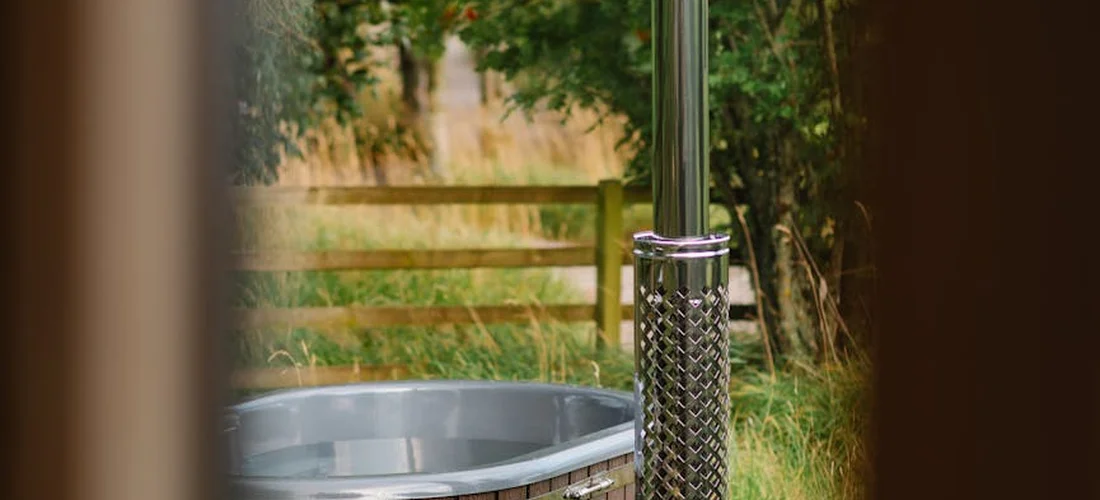
The nightmare of an unaffordable electric bill stops many folks from ever installing a spa. In reality, a modern, insulated hot tub is more like adding a second refrigerator than a whole-house furnace. So, are hot tubs expensive to run and maintain? With a well-insulated model and a quality cover, costs stay reasonable and predictable.
You won’t see a sudden, catastrophic spike unless something is seriously wrong. For a typical 300-gallon spa with a good cover, expect a modest increase of $25 to $60 per month, not per day.
When I installed my first tub, I nervously checked the meter for weeks. The actual impact was about $40 monthly, and that included balancing the water chemistry twice a week in a humid climate.
Your final cost depends on a handful of factors you can actually manage:
- Insulation Type: Full foam cabinets are the gold standard, wrapping pumps and pipes in heat-trapping material far superior to old reflective panels.
- Cover Integrity: A dry, 5-pound cover with a tight seal is crucial. A waterlogged 25-pound cover collapses the seal and lets heat pour out.
- Local Weather: Expect higher costs in January in Michigan than in January in Florida. The tub works to offset the outside chill.
- Heater Efficiency: Keep the heater element free of calcium scale by maintaining proper alkalinity (80-120 ppm) and pH (7.2-7.8). A clean heater transfers heat faster and uses less electricity per degree.
- Filter Maintenance: A clean filter allows water to flow freely, so the heater doesn’t cycle on and off unnecessarily.
Take control with these DIY fixes. Use a infrared thermometer gun to check for hot spots on the cabinet, which indicate heat loss and a need for spray foam sealant.
Test your water twice a week with a Taylor test kit, not just strips. Precise chemical balance prevents scale and corrosion, which are silent energy thieves.
Myth 5: Older Models Are Hopelessly Inefficient
I hear this one all the time. Folks assume their trusty ten-year-old spa is a power-guzzling dinosaur destined for the scrap heap. That’s just not the full story. While newer models boast advanced features, your older tub has tremendous potential for efficiency with some targeted upgrades and disciplined habits. If you’re shopping in the current market for energy-efficient hot tubs, you might wonder how your options compare. The good news is that even older units can approach the efficiency of the top models with smart upgrades.
Think of your older hot tub like a classic car; it might not have modern fuel injection, but with a tight seal on the windows (your cover) and a well-tuned engine (your pump cycles), it can run beautifully without breaking the bank. For many owners, the next logical step is to consider must-have energy-efficiency upgrades—things like tighter seals, better insulation, and a more efficient pump or controls. The core principles of heat retention and mechanical efficiency apply to any age. I’ve revived countless “energy hogs” by focusing on the basics, which often delivers a bigger payoff than a brand-new loan.
The Real Culprits in Older Tubs
- The Cover: This is enemy number one. An old, waterlogged, or torn cover is a heat-leaking monster. A new, high-density foam cover with a tight-fitting skirt is the single best investment for any spa.
- Insulation Gaps: Over time, spray foam can settle or get knocked loose during repairs. Carefully inspecting the equipment bay and packing any voids with fresh, non-expanding foam can plug major heat drains.
- The Pump: Older single-speed pumps are the big energy users. If it’s still running strong, focus on reducing its run time. If it fails, replacing it with a modern two-speed or variable-speed pump is a game-changer for long-term savings.
Actionable Tactics for a Thrifty, Efficient Hot Tub

Let’s move from myth-busting to action. Efficiency isn’t magic; it’s a series of small, smart choices that add up to real savings on your bill.
1. Win the Battle Against Heat Loss
Your heater’s main job is fighting heat loss, not heating from cold. Help it out.
- Seal the Lid: Perform the dollar bill test. Close a dollar bill in your cover. If you can pull it out easily, your cover’s seal is failing. A tight seal keeps steam in and cold air out.
- Insulate Your Plumbing: For exposed pipes beneath the tub (common in older wood-frame models), snap-on pipe insulation is cheap and incredibly effective. I use the foam stuff with a self-sealing slit.
- Wind Block: A simple lattice or shrub barrier on the prevailing wind side of your spa can cut heat loss dramatically. You wouldn’t sit in a bath with a fan on you; your tub feels the same way.
Feeling the top of your cover on a cold night should feel cool and dry, not warm and damp-a warm, damp cover is a sign it’s leaking precious heat straight into the sky.
2. Program Your Pumps for Savings
The circulation pump is the heart, but it doesn’t need to sprint 24/7.
- Find Your Minimum: Start by setting your filter cycle to run just 4 hours a day, split into two sessions (e.g., 8 AM-10 AM and 8 PM-10 PM).
- Check Water Clarity: After a week, is the water just as clear? If yes, you’ve found a new, efficient baseline. If it’s hazy, add an hour at a time until clarity returns.
- Clean Filters are Key: A dirty filter makes the pump work harder, using more power to push water. A clean filter is fundamental to this low-run-time strategy.
I program most of my clients’ tubs for two 2-hour cycles, and their water stays pristine while cutting pump wear and energy use by over half compared to the old factory defaults.
3. Dial in Temperature Smartly
Every degree matters. This is your main thermostat.
- The Sweet Spot: 100°F (38°C) is plenty hot for most soaks. Each degree lower saves a measurable chunk on your heating cost.
- Vacation Mode: Going away? Drop the temperature to 80°F (27°C). It takes far less energy to maintain this than your set point, and it keeps the plumbing from freezing.
- Pre-Heating: Don’t crank it to 104°F an hour before you want to use it. That’s a huge, costly demand. Plan ahead and let it heat up gradually over several hours or simply soak at your regular, lower set point.
4. Use Water Balance to Protect Your Heater
This is the secret most folks miss. Scaling inside your heater is like a thick coat on a person-it has to work much harder to feel warm.
Calcium hardness that’s too high will cement scale onto the heater element, forcing it to run longer and hotter just to transfer warmth to the water, which can lead to a premature, expensive burnout. Keep your calcium between 150-200 ppm. Use a stain & scale inhibitor religiously. I treat balanced water with an inhibitor as the “synthetic oil” for my hot tub’s heater-it prevents the gunk that makes everything work harder.
5. Perform a 30-Minute Home Energy Audit
Grab a notepad and do this now. You’ll find your biggest opportunity.
- Listen: Sit by your tub during a non-filter cycle. Do you hear the pump running? Do you hear a faint hum or trickle of water? Any unexpected sound could indicate a leaky check valve or a stuck relay, meaning a pump is running needlessly.
- Feel: Place your hand on the side panels and cover. Are they warm? Warm panels mean heat is escaping through poor insulation.
- Look: Check for drips or damp spots under the equipment bay. A slow leak means the system is constantly topping up with cold water, forcing the heater to kick on.
- Check Settings: Write down your filter cycle times and temperature set point. Are they aligned with the smart settings we just discussed?
This simple audit will point you directly to your tub’s energy weakness, giving you a clear, prioritized project list instead of just guessing where the money is going.
Common Questions
Are hot tubs expensive to run?
Not necessarily. The operating cost is often greatly overestimated. For a well-maintained modern spa, expect a typical increase of $25 to $60 on your monthly energy bill, not hundreds. Key factors like your local climate, the tub’s insulation quality, and your usage habits determine the final cost. Understanding how much electricity a hot tub uses can help you budget better.
Do hot tubs use a lot of electricity?
They use less than many assume because components cycle on and off smartly. The circulation pump runs on very low wattage, similar to a light bulb. The high-speed jet pump and heater only activate when needed-for your soak or to maintain temperature-not 24/7.
Is it cheaper to leave a hot tub on all the time?
Yes, but not at your maximum soak temperature. It’s more energy-efficient to maintain a constant, lower baseline temperature (like 100°F) than to reheat from cold repeatedly. However, using programmable settings to lower the temperature significantly when not in use for extended periods saves even more.
Do hot tubs increase home energy bills significantly?
No, a modern, insulated hot tub should not cause a drastic spike. The increase is generally modest and predictable. A sudden, dramatic jump is usually a red flag pointing to an issue like a failing cover, a system fault, or poor maintenance, not normal operation. If you notice unexpected problems, it’s a good idea to check for common hot tub issues and address them promptly.
Are older hot tubs always less efficient?
Not always hopeless. While newer models have advanced efficiencies, an older tub’s performance can be dramatically improved with targeted upgrades. Replacing a worn cover, sealing insulation gaps, and ensuring proper pump cycle settings are often more impactful than the tub’s age alone—especially when weighing whether to upgrade or dispose of an old Jacuzzi tub.
The 7-Day Energy Reality Check
Before you sink into that perfectly warm, bubbly water, give your spa one last quick audit. Run the jets for a minute and just listen. A smooth hum means your systems are happy; a labored groan might hint at a dirty filter robbing your pump’s efficiency. Feel the water temperature with your hand-consistent heat is a sign your cover’s seal and insulation are doing their job.
Make it a non-negotiable habit to rinse your filter cartridges with the hose every single week, and swap them for fresh ones every year; this simple act is the single biggest thing you can do to keep your pump from overworking and your heater from constantly cycling.
You’ve wrestled the myths and won. Now go enjoy the soak-you’ve earned the quiet hum of an efficient machine and a lower utility bill.
Further Reading & Sources
- Hot Tub Myths Debunked: Separating Fact from Fiction
- Busting 5 Common Hot Tub Myths – ThermoSpas®
- Three Hot Tub Myths Debunked – Arctic Spas
- Top 5 Hot Tub Myths Debunked | Paradise Valley Spas
- 5 Hot Tub Myths Debunked – Living Healthy, Living Happy
- Top 5 Myths & Truths About Hot Tubs You Should Know
Charlie is a hot tub enthusiast with a passion for keeping your jets running smooth and your bubbles bursting with joy. With years of experience in hot tub and jacuzzi maintenance, Charlie knows that a happy tub means a happy you. Whether it’s dealing with stubborn filters or giving your spa a little TLC, Charlie’s here to share expert tips, tricks, and plenty of laughs to help you keep your bubbly retreat in tip-top shape. So, kick back, relax, and let Charlie handle the rest — because no one likes a cranky jacuzzi!
Energy Efficiency