
How to Start Your Hot Tub: From Empty Shell to Bubbling Bliss in One Weekend
If you’re staring at an empty, silent tub with a blank control panel, you’re in the right place. The diagnosis is simple: your spa isn’t broken, it’s just in hibernation and needs a proper wake-up call. This isn’t dangerous, just a nuisance that we’ll solve together, turning confusion into clear, warm water.
What You Need:
- A standard garden hose
- Your hot tub’s owner’s manual (find the model number!)
- A fresh filter cartridge
- A basic water test strip kit
- About 2 hours of focused time
By following this guide, you’ll master the initial startup without a single costly service call.
Gather Your Tools and Perform a Pre-Setup Inspection
Before you touch a hose or flip a breaker, lay out your tools and give the tub a once-over. I keep a five-gallon bucket handy for this job-it holds my channel locks, screwdrivers, GFCI tester, and a trusty carpenter’s level. Taking twenty minutes for inspection can prevent days of troubleshooting a misaligned pump or a slow leak.
Site Preparation and Base Leveling
Your hot tub’s longevity starts from the ground up. I’ve repaired cracked manifolds on tubs that settled into soft soil, a costly lesson. A perfectly level foundation isn’t just advice; it’s a non-negotiable requirement for your spa’s structural health.
Follow this site prep list to avoid common pitfalls:
- Verify your base material is rated for the load-concrete slabs should be at least 4 inches thick.
- Use a long level across multiple points; the entire pad must be level within a half-inch.
- Clear a minimum 5-foot access path all around the tub for future service.
- Install a solid, non-organic shim kit if leveling is needed, as wooden blocks decay and shift.
Safety and Electrical Pre-Check
This is where my technician hat goes on firmly. Always assume the wiring is live until you personally test it with a voltage meter. Faulty electrical work poses a silent, immediate danger that no amount of bubbly water is worth.
Execute these safety checks methodically before any power connection:
- Visually inspect the spa pack and disconnect box for water intrusion, rust, or chewed wires.
- Confirm your home’s breaker is the correct amperage and is a dedicated, GFCI-protected circuit.
- Test the GFCI function by pressing the “Test” button-it should cut power instantly.
- Ensure all conduit connections are tight and the grounding wire is securely attached.
I carry a plug-in circuit analyzer for this; its three lights give a clear pass/fail for wiring faults.
The Core Startup Sequence: Power, Water, Heat
Follow this order religiously. I’ve seen more than one heater element burnout because someone filled the tub before powering the controls. The correct sequence protects your equipment by letting the system’s computer initialize and monitor the process.
Step 1: Connect and Test Electrical Power
Turn on the power at the main service panel first, then at the spa’s disconnect box. You should hear a gentle click from the control pack and see lights on the topside panel. If the panel stays dark, do not proceed; double-check your voltage at the terminals with a multimeter.
Let the system sit powered for five full minutes. Listen for the faint hum of the circulation pump starting its prime cycle. A repeated clicking or a flashing “dry” error code means it’s time to troubleshoot before adding water.
Step 2: Fill the Tub and Purge Air Locks
Place your hose in the filter bay or foot well, never directly down a jet. This fills the plumbing from the bottom up, displacing air. Filling slowly is the secret to minimizing stubborn air pockets in the pump volute.
Bring the water level to the middle of the skimmer opening or the pillow line. Then, tackle air locks:
- Open the union connections on the pump inlet and outlet slightly until water seeps out, then retighten.
- Turn on each jet pump for 15-second bursts, blasting air out of the lines.
- Gently tap on the heater housing with a rubber mallet to dislodge any trapped air bubbles.
That gurgling sound is normal-it’s the sound of your plumbing coming to life.
Step 3: Prime the System and Set Initial Temperature
Priming is simply getting water moving through all components. Set your control panel to the lowest temperature setting, often 80°F. Starting with a low temp command ensures the heater only engages once water flow is confirmed, preventing a dry-fire scenario.
Activate the filtration cycle. Feel the pipe leaving the heater; it should become warm to the touch within 10 minutes. If it stays cold, you likely have an air block or a flow switch issue. Once you confirm heat, dial up to your target temperature, knowing it may take a full day to reach 104°F. Snap your insulating cover on tightly during this heat-up phase to conserve energy and reduce strain on the heater.
Mastering the Initial Water Chemistry Balance

Getting the water right from the start saves you endless headaches later. Think of it like baking; if you forget the baking powder, your cake won’t rise, no matter how long you leave it in the oven. Your tub’s water is the same. The single biggest mistake I see is dumping all the chemicals in at once and hoping for the best—this wastes money and creates a swampy mess that’s tough to fix.
Applying Start-Up Chemicals in the Correct Order
You must follow a sequence. This isn’t a suggestion; it’s the law of hot tub chemistry. Doing it wrong makes the other chemicals ineffective.
- Test Your Fill Water First. Use a strip or liquid test kit. You need to know your starting pH, Alkalinity, and Calcium Hardness. It’s your roadmap.
- Balance the Total Alkalinity (TA). Aim for 80-120 ppm. TA is your pH’s anchor. If it’s off, your pH will bounce around no matter what you do. Use alkalinity increaser or decreaser as needed.
- Adjust the pH. Now target a pH of 7.4 to 7.6. Balanced TA makes this step easy. Use pH Up or pH Down. Water that’s too acidic feels stingy on the skin and eats your components; water that’s too basic gets scaly and cloudy.
- Set the Calcium Hardness. Aim for 150-250 ppm. This protects your shell and plumbing from corrosion or scale. It’s the structural integrity of your water.
- Add a Metal Sequestrant. If you have well water or see staining, this step is non-negotiable. It binds to metals like iron and copper, keeping them in solution so they don’t stain your shell.
Choosing and Adding Your Primary Sanitizer
This is your water’s immune system. You have two main choices, and your decision here affects your weekly routine.
| Sanitizer | Best For | How to Start Up | My Field Note |
|---|---|---|---|
| Dichlor Chlorine | Frequent use, warmer climates, quick sanitation. | After balancing, shock with a dichlor-based shock. Then, add dichlor granules to reach 3-5 ppm. Test after 24 hours. | It’s potent and fast, but it can spike cyanuric acid levels over time, making it less effective. I check CYA monthly. |
| Bromine | Spas used less frequently, hotter water toleration. | You must establish a “bank.” After balancing, add sodium bromide granules. Then, use an oxidizer (shock) to activate them into sanitizing bromine. | Bromine is more stable in heat. Once you have that bank, maintaining it feels smoother, but starting it right is critical. |
No matter which you choose, always dissolve granules in a bucket of warm water before pouring them into the tub, and always run the jets for at least 20 minutes afterward to distribute everything evenly. I’ve seen too many new acrylic shells get stained from undissolved chlorine sitting on the bottom.
Troubleshooting Frequent Startup Hiccups
That moment of truth-hitting the power button-can sometimes lead to a groan instead of a hum. Don’t panic. Most startup problems are simple and fixable.
No Power or Error Codes at Control Panel
The panel is dark, or it’s flashing gibberish. Before you call an electrician, run through this checklist.
- Check the GFCI. Find the outdoor outlet or house breaker your tub is plugged into. Press the “TEST” button, then the “RESET” button. You’d be amazed how often a tripped GFCI is the culprit.
- Verify the Service Disconnect. If your tub has a sub-panel or box near the equipment, ensure that switch is flipped ON.
- Decode the Error. Consult your manual. Common codes like “OH” (overheat) or “FLO” (flow) point you in the right direction. A blank screen often points to a tripped breaker or GFCI, while a specific error code is the tub telling you exactly what’s wrong.
Low Flow Error or Heater Not Engaging
You hear the pump, but the heater light never comes on, or you get a “FLO” error. This is almost always a water flow problem.
- Check the Filter. Is it brand new and maybe wrapped too tight? Is it old and clogged? Remove it completely, turn the tub on, and see if the error clears. If it does, you’ve found your issue.
- Open All Valves. Ensure any drain or air shut-off valves are fully open. A partially closed valve restricts flow.
- Bleed the Air. Your plumbing lines have air locks. With the pump on high, carefully loosen the union connector on the pump inlet (have a towel ready). Let a little water trickle out until it’s a solid stream, then tighten it back. The sound will change from a chugging sputter to a smooth, powerful hum when you’ve purged the air lock.
Leaks Discovered After Filling
A small puddle under the equipment bay can feel devastating. First, dry everything thoroughly with a towel. Then, with the pumps running, use a bright flashlight to play detective.
- Most Common Spot: The pump shaft seal. Look for a steady drip from the center of the pump where the motor shaft enters the wet end.
- Second Most Common: Union fittings (the big plastic nuts) on the pump, heater, or filter. Hand-tighten them a quarter-turn. Don’t crank them with a wrench yet.
- Shell Leaks: These are rare on startup. Check around the jet faces and the light housing. A leak from a jet body usually means a loose faceplate you can tighten with a hex key.
For a leaking pump seal or a drip from a glued pipe joint, you can temporarily use a waterproof epoxy putty rated for PVC and wet surfaces to stem the flow until you can make a permanent repair. If you’re tackling a DIY fix, a quick guide on fixing a leaking hot tub pump seal can help. It walks you through the pump-seal replacement so you won’t guess. I keep a stick in my toolbox for emergencies. It buys you time to order the right part without emptying the tub.
Preparing for the First Soak and Ongoing Care
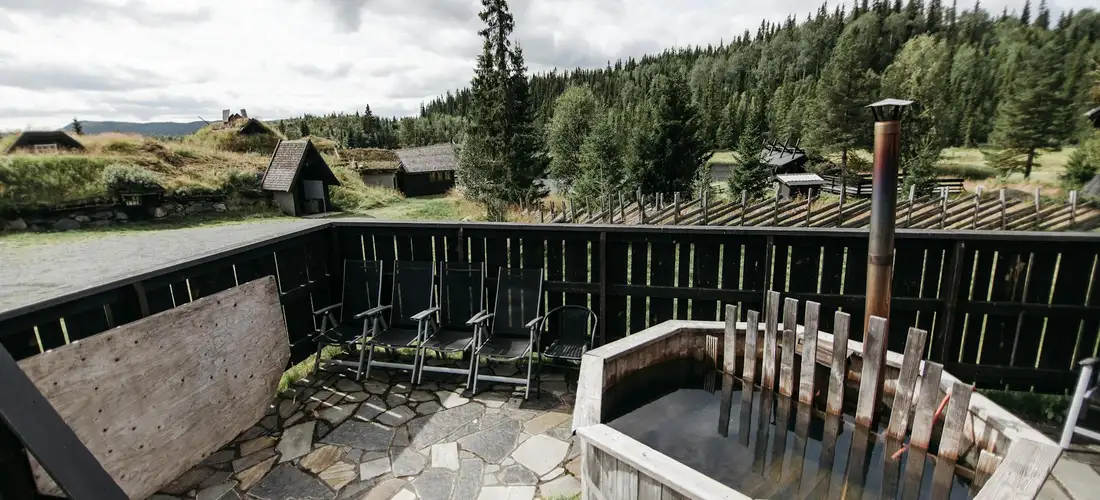
Final Water Test and Adjustment Period
You’re almost there. Before you celebrate, grab your test strips or liquid kit. This final check is your moment of truth for water balance. I test for alkalinity first, then pH, and finally sanitizer. Your alkalinity should sit between 80-120 ppm to act as a buffer for your pH.
If alkalinity is low, use an increaser; it’s like flour in a recipe, stabilizing everything else. Aim to get this perfect before you touch pH. A well-buffered tub will hold its pH steady for days, saving you constant chemical tweaks and frustration.
Adjust your pH to the sweet spot of 7.4 to 7.6. This isn’t just about comfort; it protects your equipment from corrosion or scale. Now, add your primary sanitizer. For chlorine, I shoot for 3-5 ppm; for bromine, 4-6 ppm. Circulate the water for at least 30 minutes.
This adjustment period is non-negotiable. The hum of the circulation pump is doing the hard work, blending the chemicals evenly. Never enter the water immediately after adding chemicals; give them time to disperse and react fully to prevent skin or lung irritation.
Your First Week Maintenance Checklist
Your first week sets the tone for your tub’s health. Treat it like breaking in a new car-be attentive and consistent. Here’s your day-by-day game plan:
- Day 1 (Start-up): Complete final water test, adjust chemicals, run full filtration cycle.
- Day 2: Test sanitizer and pH levels. Get in the habit of checking them at the same time each day.
- Day 3: Rinse your filter cartridge with a hose. Even new filters catch debris from filling.
- Day 4: Test again. You might notice sanitizer dropping faster as it attacks contaminants.
- Day 5: Wipe down the waterline with a soft cloth to prevent early scum buildup.
- Day 6: Perform a full panel test (Alkalinity, pH, Sanitizer). Note any trends.
- Day 7: Shock the water. This weekly burn-off destroys organic waste your daily sanitizer missed.
Stick to this rhythm. Consistency in these first seven days builds a stable water foundation that makes future maintenance far simpler. Keep a logbook; it helps you learn your tub’s unique personality and consumption.
Energy Efficiency and Long-Term Setup Tips
Optimizing Your Cover and Surround
Think of your hot tub cover as the insulation for your wallet. A proper, well-fitted cover is the single biggest factor in energy efficiency. I learned this the hard way with an old, waterlogged cover that doubled my electricity bill. Check yours monthly for heavy sagging or heat escaping as steam. Choosing the right one can make all the difference.
Add a floating thermal blanket underneath the main cover. This thin layer of bubbles reduces evaporation, which is the main cause of heat loss. For every degree of heat that escapes through vapor, your heater works twice as hard to compensate, so trapping that moisture is key.
Look at your tub’s surroundings. Is it a wind tunnel? Strategic landscaping or a simple privacy screen can block wind, cutting heat loss significantly. Ensure the cabinet vents are clear of leaves and debris so the equipment breathes easily-an overheated pump is an inefficient one.
Finally, dial in your filtration schedule. Running two 4-hour cycles per day (one during off-peak energy hours) often cleans better than one long cycle. Programming your filter to run during the coolest part of the day reduces the heater’s workload, leveraging cheaper electricity rates in many areas.
When to Call a Professional Technician
DIY spirit is great, but knowing your limits saves money and prevents danger. Some issues demand a pro’s touch. My rule is simple: if it involves high-voltage electricity or major plumbing inside the equipment panel, I make the call.
- Electrical Faults: Any tripping GFCI breaker, error codes pointing to the heater or control board, or strange buzzing from the pack.
- Persistent Leaks: If you’ve traced a leak to the pump seal or a union fitting and tightening doesn’t stop it, the component likely needs replacement.
- No Heat Production: You’ve confirmed good flow and the filter is clean, but the water stays cold. The heating element or sensor is probably faulty.
- Major Jet or Air Blower Failures: Issues here often require accessing behind the shell, which can lead to bigger leaks if done incorrectly.
Building a relationship with a trusted technician for these bigger jobs is smarter than risking a costly mistake; a good tech can often spot a small issue before it becomes a catastrophic failure. For everything else-water balancing, filter cleaning, cover care-you’ve got this.
FAQs
Should I hire a professional for hot tub set up, or can I do it myself?
While this guide empowers DIY setup, hiring a professional is advisable for complex electrical connections or if local codes require licensed work. Professionals ensure safe installation, handle heavy lifting, and often provide warranties on labor. Evaluate your skills and the tub’s requirements, such as hardwired models, before deciding. If you’re unsure about electrical requirements, our complete guide on whether you need an electrician to install a hot tub can help. It covers wiring options, permits, and when professional installation is recommended.
What are the key chemicals needed for the initial hot tub set up?
Essential chemicals include a water test kit, pH adjusters, alkalinity increaser or decreaser, calcium hardness increaser, and a primary sanitizer like chlorine or bromine. Startup kits bundle these for convenience, but verify they suit your tub’s size and fill water. Always dissolve chemicals in water first and run jets to distribute them evenly. After installation, complete a quick water treatment setup to lock in the proper balance. The next steps provide a concise setup checklist and links to deeper guides.
Can you share some hot tub set up ideas for enhancing my backyard?
Consider installing a level, load-rated base like concrete or composite decking with non-slip surfaces. Add privacy screens, strategic landscaping for wind protection, and energy-efficient LED lighting for ambiance. Designing the space with materials, layout, and lighting in mind creates the perfect hot tub deck. This approach naturally ties into designing perfect hot tub deck layouts, materials, and lighting. Positioning the tub near the house reduces electrical costs and simplifies access for maintenance and storage.
Is a hot tub setup kit worth purchasing, and what does it typically include?
Yes, a setup kit can be worthwhile for beginners, as it includes pre-measured chemicals like balancers, sanitizers, and test strips. Some kits also have accessories like filter cleaners or floating dispensers. Compare kit contents with your tub’s manual and water volume to ensure compatibility and cost savings.
How do I find reliable hot tub setup services in locations like Tupelo, MS or Pigeon Forge, TN?
Search for local dealers with positive reviews, such as “hot tubs etc” in Pigeon Forge, TN, or suppliers in Tupelo, MS. Verify technician certifications, request detailed quotes, and ask about post-setup support. Also consider where to buy hot tub supplies—filters, chemicals, and covers—from reputable sources to simplify maintenance. Look for vendors that offer warranty coverage and easy returns, so you have support if issues arise. Recommendations from neighbors or online forums can also lead to trusted professionals for installation and ongoing care.
The 7-Day Vigil: Your Final Safety and System Check
Before you grab your towel, you’ll want to run the jets on high for ten minutes and do one last hands-on test. Feel the water temperature, confirm the jets have strong pressure, and look for that perfect, inviting clarity. This final operational check is your best defense against stepping into a tub that’s too cold, has weak circulation, or isn’t quite ready for you. Listen for the steady hum of the pump and the satisfying rush of water-it’s the sound of success.
Your new routine is simple but non-negotiable. I’ve seen more hot tub problems stem from neglect in the first month than almost any other time. Test your water with a reliable strip three times this first week-it’s the single habit that catches tiny imbalances in pH or sanitizer before they become cloudy water or equipment headaches. For beginners, a quick guide on maintaining proper hot tub water chemistry can provide clear steps and checklists you can follow as you start. Think of it like checking your new car’s oil; a small, consistent act prevents a major repair.
You’ve done the hard part. The plumbing is primed, the heater is humming, and the water is balanced. All that’s left is to enjoy the reward. Now go get in.
Further Reading & Sources
- How to Start a Hot Tub in 12 Easy Steps
- Start Your Hot Tub with This Ultimate Guide | Edgewater Pools
- Your Hot Tub Startup Guide: 6 Easy Steps – FROG Products
- How to Start a Hot Tub | Platinum Spas
- r/hottub on Reddit: Simple Hot Tub or Spa Start-up Instructions
- What Chemicals to Use to Start a Hot Tub? | Master Spa Parts
Charlie is a hot tub enthusiast with a passion for keeping your jets running smooth and your bubbles bursting with joy. With years of experience in hot tub and jacuzzi maintenance, Charlie knows that a happy tub means a happy you. Whether it’s dealing with stubborn filters or giving your spa a little TLC, Charlie’s here to share expert tips, tricks, and plenty of laughs to help you keep your bubbly retreat in tip-top shape. So, kick back, relax, and let Charlie handle the rest — because no one likes a cranky jacuzzi!
Outdoor Setup