
How to Stop Wasting Money on Your Hot Tub Location: Indoor vs Outdoor Pros, Cons, and Installation Requirements
If you’re paralyzed by the choice between an indoor or outdoor hot tub, you’re experiencing a planning fault that impacts every soak and service call. Indecision here creates a domino effect of higher operating costs, frustrating maintenance, and a tub that feels more like a chore than a sanctuary. This isn’t a dangerous electrical fault, but it is a very expensive nuisance that will compound for years.
What You Need:
- A recent electric bill to gauge cost sensitivity
- A tape measure and a critical eye for your space
- Honesty about your own maintenance habits
- Five minutes to diagnose your true priorities
I will give you the technician’s breakdown so you can make this permanent decision confidently, on your own, and without a costly site survey.
Critical Factors to Consider Before You Decide
Choosing where to place your tub isn’t just about preference; it’s a practical decision that affects your wallet, your time, and your enjoyment. I’ve helped folks retrofit spaces for indoor tubs and weatherproof outdoor ones, and the right choice always starts with an honest look at your lifestyle.
- Intended Use Frequency: If you plan on daily soaks, especially in winter, an indoor tub wins for sheer convenience. Outdoor setups can see use plummet during freezing rains or summer heat waves, turning your investment into a patio ornament.
- Privacy Desires: Craving a truly secluded escape? Indoor placement offers inherent privacy, while an outdoor tub might require expensive fencing or landscaping to block neighborly views.
- Local Climate Impact on Maintenance: Harsh sun degrades covers and fades shells, while freezing temperatures threaten pipes. In my Dallas days, I battled constant evaporation and pH swings in outdoor tubs, whereas indoor water stays more stable, saving on chemicals.
- Budget for Setup and Ongoing Costs: Indoor installation often demands costly structural upgrades, dedicated circuits, and dehumidifiers. Outdoor installs are generally simpler but factor in higher heating bills in cold climates and more frequent water balancing due to environmental debris.
- Long-Term Commitment to Care: An indoor tub demands diligent humidity control to prevent wall mold; an outdoor tub requires relentless skimming and filter cleaning. Your willingness to perform these specific tasks should guide your placement.
The Indoor Hot Tub: Weighing the Secluded Soak
Benefits of an Indoor Spa Retreat
Stepping into your personal spa room, away from the elements, is a unique luxury. The controlled environment makes water chemistry far more predictable, letting you spend less time testing and more time soaking.
- Year-Round Usability: Blizzard or heatwave, your soak schedule never wavers. The comfort of slipping into perfectly warm water without braving the cold is a game-changer for consistent use.
- Enhanced Privacy: Enjoy complete seclusion without the need for curtains or fences. This enclosed sanctuary becomes a true mental escape, integrated seamlessly into your home’s quiet zones.
- Controlled Environment for Stable Water Chemistry: Without leaves, rain, or blazing sun, your alkalinity and sanitizer levels hold steady. I’ve measured how indoor tubs often maintain chlorine ppm within a tight 3-5 ppm range for days longer than their outdoor counterparts.
- Integrated Home Wellness Space: It transforms a room into a dedicated wellness hub. The consistent, low hum of the circulation pump in a quiet room becomes a soothing white noise, signaling relaxation the moment you enter.
Drawbacks and Hidden Challenges of Going Indoors
That secluded paradise comes with a hefty list of requirements you can’t ignore. I’ve seen the aftermath of skipped ventilation-peeling paint and warped floors are expensive teachers.
- Mandatory Humidity Control and Ventilation: A hot tub evaporates gallons daily. You must install a high-capacity exhaust fan and likely a dehumidifier to prevent structural damage and mold growth in walls and ceilings.
- Rigorous Structural Support and Load Capacity: A filled tub weighs thousands of pounds. Floor joists often need reinforcement, and this requires a certified engineer’s assessment-don’t guess on this, or you risk catastrophic failure.
- Complex Electrical and Plumbing Permits: Indoor installs almost always need a licensed electrician for a dedicated 50-amp GFCI outlet and a plumber for proper drain access. Local building codes are strict here; pulling permits is non-negotiable for safety.
- Potential for Chemical Fumes in Enclosed Spaces: The sharp scent of chlorine or bromine can concentrate, causing respiratory irritation. Waterproof, chemical-resistant flooring like sealed concrete or vinyl is essential to contain spills and protect your subfloor.
The Outdoor Hot Tub: Embracing the Elements
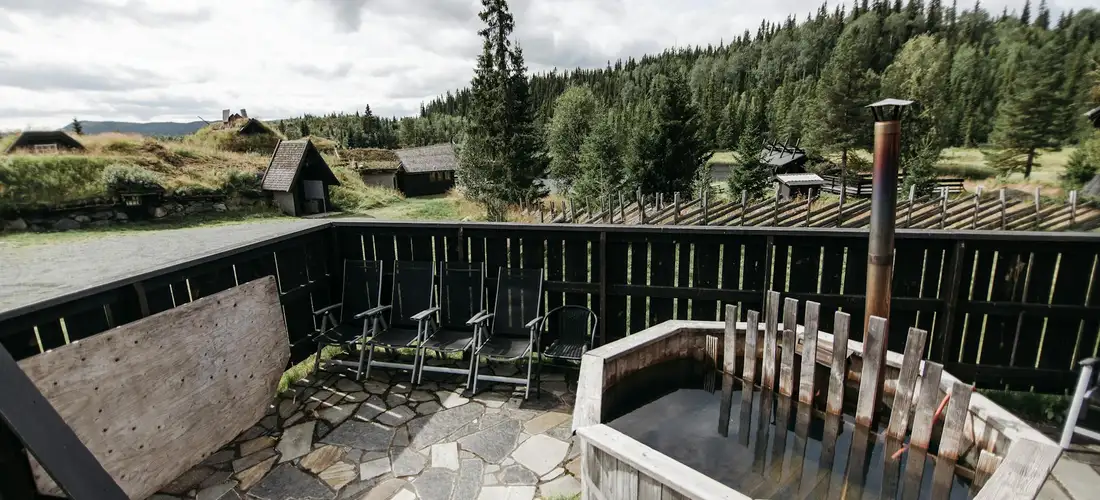
Advantages of an Al fresco Spa
Placing your spa outside isn’t just a default choice; it’s a conscious decision to connect your soak with the world. The primary perk is the unbeatable, ever-changing ambiance-you’re buying a front-row seat to sunsets, starry skies, and the quiet drama of your own backyard.
- Natural Ambiance and Views: Your therapy session comes with birdsong, breeze, and a horizon. There’s no window or wall to separate you from the environment.
- Simpler Ventilation: Fresh air is unlimited and free. You’ll never need to worry about installing a costly powered vent system to handle steam.
- No Indoor Humidity Buildup: This is a massive win for your home’s structure. Moisture dissipates into the atmosphere instead of warping door frames or peeling paint.
- Easier Utility Access: Running electrical conduit and drainage lines is often more straightforward outside, avoiding the need to cut through finished interior walls.
- Flexible Zoning Rules: Many municipalities have stricter codes for indoor wet areas. Outdoor installs often face fewer regulatory hurdles, though permits are still a must.
Let’s talk sensory experience. I’ve fixed tubs in all settings, and nothing matches the feeling of sinking into warm water while a cool breeze touches your face. The contrast of the hot water against the chillier air, the sound of crickets replacing the hum of a basement furnace, and the sheer clarity of seeing actual stars overhead transforms a simple soak into a mini-vacation. It’s therapy for the soul, not just the muscles. Protecting that warmth also means caring for the cover, and a hot tub cover care maintenance guide can walk you through seasonal checks and protective steps. It’s a quick read that pays off with longer cover life and better energy efficiency.
Ongoing Care and Maintenance: The Real-World Impact
Indoor Hot Tub Maintenance Routine
Caring for an indoor tub feels like managing a small, warm ecosystem. The lack of leaves is wonderful, but the air you breathe becomes part of the balance. Your routine shifts focus from external debris to atmospheric control.
Your weekly water test is non-negotiable, with alkalinity (80-120 ppm) acting as your pH’s anchor to prevent corrosion or scaling on your pristine indoor shell. I keep a digital humidity gauge right on the cover-it’s that important.
- Daily: Check room humidity; aim for 50% or lower to fend off mold and structural damage.
- Weekly: Test and adjust pH (7.2-7.8) and alkalinity. Sanitize; for chlorine, I recommend a lower 1-3 ppm range to avoid that harsh chemical smell accumulating in the room.
- Monthly: Deep-clean room surfaces, vents, and behind the tub to prevent dust and moisture buildup.
- Quarterly: Filter clean/rinse. With less organic debris, cartridges last longer but still need attention.
Outdoor Hot Tub Maintenance Routine
An outdoor tub lives in the wild. Your fight is against sun, pollen, rain, and every leaf that blows by. The maintenance is more physical but often feels more straightforward-it’s you versus the elements.
Sunlight devours chlorine, making weekly shock treatments not just a suggestion but a mandatory defense against cloudy water and algae blooms. You learn to listen for the pump’s strain when the filter is full.
- Daily: Skim the surface with a net. It takes 30 seconds and saves your filter.
- Weekly: Test water, adjust balance, and shock treat. Vacuum the floor if needed.
- Bi-weekly: Deep-soak your filter in a cleaning solution. Outdoor units need a finer 10-15 micron filter to trap tiny pollen, whereas a 20-30 micron filter might suffice for indoor dust.
- Seasonally: Execute a full winterizing procedure if freezing temps are expected, or prepare for high-usage summer months.
Cost Breakdown: Initial Investment and Long-Term Expenses
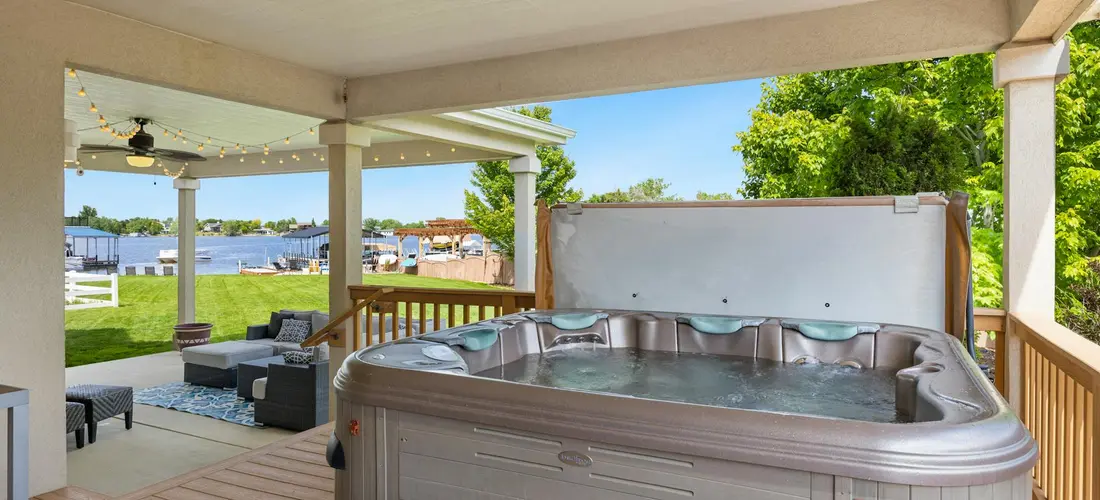
The price tag isn’t just the tub. I learned this the hard way when my indoor installation required a beefy dehumidifier that quietly doubled a portion of my electric bill. Let’s break down where the money really goes.
| Cost Factor | Indoor Hot Tub | Outdoor Hot Tub |
|---|---|---|
| Site Preparation | Often high. May require reinforced flooring, drainage, and waterproofing. | Typically lower. A level, stable patio or concrete pad usually suffices. |
| Electrical Work | Similar for both (requires a dedicated 240V GFCI circuit by a qualified electrician). | Similar to indoor, but conduit runs can be longer. |
| Ventilation / Shelter | Mandatory cost for fans, dehumidifiers, or enhanced HVAC. | Optional cost for pergolas, gazebos, or insulated covers for four-season use. |
| Energy Consumption | Can be higher due to heat/humidity loss into the home and dehumidifier operation. | Highly dependent on climate and cover quality. A good cover is your best insulation. |
| Annual Chemicals & Parts | Generally lower. Less UV, fewer contaminants. Budget ~$200-$300. | Generally higher due to environmental load. Budget ~$300-$500. |
That dehumidifier story is a key lesson: the ongoing utility costs for an indoor spa can creep up on you, turning what seemed like a controlled environment into a significant monthly expense. For outdoors, your major recurring cost is often replacing a high-quality cover every 5-7 years to keep heating bills in check.
Final Decision-Making Advice from the Workshop
Choosing a spot for your tub shouldn’t be a headache. I’ve helped dozens of clients through this, and the best choice always boils down to your lifestyle, not a sales brochure. Let’s break it down so you can make a call with confidence — and avoid some common mistakes that might cost you time and money.
Your Quick Self-Assessment Guide
Grab a notepad and run through these four points. Your honest answers will point you in the right direction.
- Space & Structure: Do you have a dedicated interior room with a slab floor, ventilation, and a drain? Or is your patio/deck level, reinforced, and within sight of the electrical panel? An indoor install often requires modifying your home’s envelope, which is a bigger project than prepping a sturdy outdoor pad.
- Local Climate & Your Skin: Do you love the crisp air in winter or the smell of rain? Or does the thought of a 20-foot trek through snow in a towel make you shiver? In dry, hot regions, outdoor tubs lose water and sanity (yours) to evaporation rapidly.
- Privacy & “The View”: Is your yard a secluded retreat or a fishbowl? An outdoor tub needs a privacy plan-fencing, landscaping, a gazebo. Indoors, your view is your walls; consider if you’ll later want to add windows, steam-resistant finishes, or mood lighting.
- Maintenance Mentality: Be real with yourself. Outdoor tubs get leaves, pollen, and wind-blown dirt, requiring more frequent filter rinses. Indoor tubs are sheltered but need rigorous humidity control to protect your ceilings and walls. Neither is maintenance-free, but the *type* of chore is different.
Try Before You Buy: The Best Free Test
Words on a page can only tell you so much. Your body will know the right answer. I tell all my clients this one trick.
Book a night at a higher-end hotel or resort that boasts both an indoor spa area and an outdoor heated pool or tub. Spend time in each. Notice the atmosphere. Does the steamy indoor room feel luxurious or claustrophobic? Does the outdoor evening soak under the stars feel invigorating or inconvenient?
Pay attention to the sensory details-the echo of pumps indoors versus the hum mixed with crickets outside, the scent of chlorine contained versus drifting away on a breeze. This real-world test drive is the single most valuable research you can do, and it’s far cheaper than a costly installation regret.
Common Questions
What are the key differences between indoor and outdoor hot tubs?
The core difference is the battle against the environment. An outdoor hot tub provides natural ambiance but requires constant defense against weather, UV degradation, and environmental debris, which can affect your hot tub’s water chemistry. An indoor hot tub offers year-round convenience and stable chemistry but demands significant upfront investment in ventilation, structural support, and humidity control to protect your home.
I live in a place like Cape Cod or Montreal with distinct seasons. Which is better?
Your harsh winters are a major factor. An outdoor tub requires a top-tier insulated cover to keep heat in and higher heating costs, but offers stunning seasonal views. An indoor tub eliminates the winter trek but requires excellent dehumidification. For climates with dramatic swings, your personal tolerance for winter maintenance versus indoor renovation complexity will dictate the best choice.
Why do hotels offer indoor-outdoor hot tubs, and should I consider one?
Hotels use them as a luxury feature for ambiance and space utilization, especially adhering to jacuzzi rules for hotels and public spas. For a private home, a true “indoor-outdoor” tub built into a wall is a complex, custom architectural project involving significant structural and waterproofing work. A more feasible alternative is placing an outdoor tub in a screened-in or three-season room, which offers some shelter while simplifying ventilation.
What is the average cost for a hotel stay with an indoor-outdoor hot tub?
Costs vary widely by location and luxury level. In areas like the Midwest (e.g., near Eagan or Inver Grove Heights, MN), you might find rooms starting from $250-$400 per night for a suite with this feature. For an accurate “near me” search, use hotel booking sites and filter for suites with “hot tub” or “spa access,” and always call the property to confirm the specific setup.
Is trying a hotel hot tub really a good way to decide for my home?
Yes, it’s an excellent, low-risk test. Booking a stay at a hotel with both indoor and outdoor soaking options allows you to experience the practical and sensory differences firsthand. Pay attention to how you feel about the convenience, privacy, and atmosphere in each setting. This real-world experience is more valuable than any brochure when making a long-term investment for your home.
The Final Filter Check
Before you slide into that perfect-temperature water, give your tub one last moment of attention. Run the jets on high for just sixty seconds. Listen for any new, odd groans from the pump and feel for consistent, powerful flow from every jet. This quick test confirms your work is solid and the water is properly mixed. If anything seems off, you can consult the ultimate hot tub troubleshooting flowchart in the next steps to diagnose any problem in minutes. It’s a fast, clear guide to pinpoint issues before they turn into bigger repairs.
The single best habit to prevent murky water and equipment strain, regardless of where your tub lives, is to clean your filter cartridge with a hose every single month and replace it entirely every year. In addition to that monthly filter care, think about changing the water on a regular schedule. Many spa owners refresh the water every 3-4 months, adjusted for usage and sanitizer levels. A clean filter is the heart of clear water, protecting every other part of your spa from debris and wear.
You’ve weighed the options, planned the install, and done the work. Now, go ahead-you’ve earned it. Soak in your success.
Further Reading & Sources
- Indoor – Hot Tubs – The Home Depot
- Hot Tubs and Spas | Indoor & Outdoor Hot Tubs | Jacuzzi.com | Jacuzzi®
- Outdoor vs. Indoor Hot Tubs Pros and Cons – Hot Spring Spas
- Outdoor vs Indoor Hot Tubs: Which is Best?
- Indoor vs. Outdoor Hot Tubs (Pros, Cons, and More) | Jacuzzi®
- INDOOR VS OUTDOOR HOT TUBS: THE DIFFERENCE | Jacuzzi®
Charlie is a hot tub enthusiast with a passion for keeping your jets running smooth and your bubbles bursting with joy. With years of experience in hot tub and jacuzzi maintenance, Charlie knows that a happy tub means a happy you. Whether it’s dealing with stubborn filters or giving your spa a little TLC, Charlie’s here to share expert tips, tricks, and plenty of laughs to help you keep your bubbly retreat in tip-top shape. So, kick back, relax, and let Charlie handle the rest — because no one likes a cranky jacuzzi!
Outdoor Setup