
Hot Tub Footwear: What to Wear on Your Feet to Stop Slips and Save Your Spa
Published on: December 30, 2025 | Last Updated: December 30, 2025
Written By: Charlie Bubbles
If your feet slide on the wet steps or you’re constantly rinsing dirt from between your toes, your shoe choice is failing you. The diagnosis: unsuitable footwear is creating a safety hazard and fouling your water. This isn’t a minor annoyance; it’s a direct path to falls and a breeding ground for bacteria in your tub.
What You Need:
- A critical eye for your current footwear
- Understanding of non-slip materials like rubber or textured EVA
- Two minutes to assess your entry path
I’ll show you how to pick the right gear for your feet so you can step in safely and keep the water pristine, all on your own.
Why Proper Footwear is Non-Negotiable for Hot Tub Care
Think of your feet as the primary vector for everything you don’t want in your water. Walking to your tub barefoot tracks in lawn chemicals, dirt, oils, and bacteria that your sanitizer must then fight. Proper footwear acts as a critical barrier, keeping contaminants out and making your water chemistry infinitely easier to manage. I’ve balanced enough water to know that starting with fewer organics means using less chlorine and shocking less often.
Beyond chemistry, it’s a straight-up safety issue. The area around a hot tub is a perpetual slip hazard. Wet concrete, splashed water, and dropped ice cubes create a perfect recipe for a fall. A good pair of water-safe shoes with defined tread provides the grip you need to move confidently, preventing a painful and expensive accident. To create a safe slip-resistant hot tub deck area, use textured, non-slip surfaces and ensure good drainage. Regularly clean and reseal the surface to maintain grip even when wet. Trust me, navigating a wet deck with armfuls of chemicals is no time for slippery feet.
Finally, it protects your investment. Grit and small stones trapped on bare feet can microscratch your tub’s acrylic shell during entry and exit. Over years, this dulls the finish. Keeping your feet clean and contained is a simple, daily act of maintenance that preserves your tub’s glossy look and your filter’s longevity. It’s a small habit with a massive payoff for your spa’s lifespan.
Evaluating Your Options: Types of Hot Tub Footwear
Not all footwear is created equal for hot tub duty. Your choice depends on the season, your landscape, and your personal routine. The right pair should feel like a natural part of your soak ritual, not a clunky afterthought. Let’s break down the most common and effective options, especially considering what to wear in a hot tub in winter vs summer.
Quick-Dry Sandals and Flip Flops: The Classic Choice
These are the go-to for most owners, and for good reason. They’re affordable, easy to slip on and off, and their open design lets water drain instantly. A dedicated pair of rubber or EVA foam sandals prevents you from tracking driveway asphalt or garden soil straight into the water. I keep a cheap plastic rack right by my tub steps just for these.
But they have limits. They offer zero protection from stubbed toes on steps or dropped objects. Their grip can be minimal, and they provide no warmth in colder months. Choose a style with a textured footbed and a non-slip sole pattern for the best traction on wet surfaces. Avoid old, worn-down pairs-their smooth soles become dangerously slick.
Water Shoes and Closed-Toe Sandals: For Maximum Protection
When your path to the tub is more adventurous, or you simply want more security, this category shines. Think rocky pathways, gravel, or areas with sharp decking. These are my top recommendation for anyone with a complex yard setup, as they defend against punctures and provide superior ankle stability. The enclosed toe is a game-changer. For hot tub owners following the ultimate landscaping guide, well-planned paths and privacy-conscious planting complete the retreat. Pair these routes with discreet screens and low-maintenance plants to enhance both privacy and ease of access.
Look for features like:
- Drainage ports to let water escape quickly.
- Non-marking, razor-cut soles for excellent wet/dry traction.
- Neoprene or mesh uppers that dry relatively fast.
The minor inconvenience of putting them on is worth the absolute peace of mind they provide, especially when handling heavy filter cartridges or chemical containers.
Spa Slippers and Terry Cloth Designs: For Warmth and Comfort
This option is less about the journey to the tub and more about the moments after. Plush, absorbent slippers are for cozying up post-soak. They serve one brilliant purpose: soaking up the water drips from your feet before you walk across your living room carpet or hardwood floors. It’s a simple move that prevents indoor slips and protects your home.
They are not outdoor shoes. Their soft soles offer no protection and will be ruined by one trip across gravel. Keep these purely as indoor “recovery” footwear, waiting for you right at the door you use to re-enter the house. In winter, pulling on warm terry cloth slippers after a steaming soak is a small luxury that makes the whole experience better.
The Slip-Resistant Imperative: What Makes Wet Area Footwear Safe
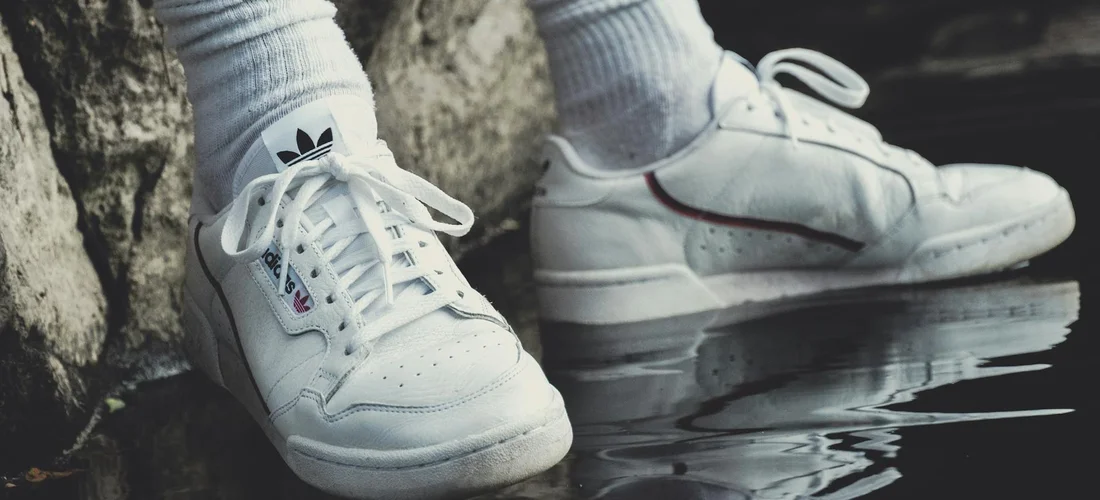
That comforting hum of the circulation pump means one thing: everything is wet. The deck, the steps, the bottom of the tub itself. Choosing footwear without proper slip resistance is the single biggest mistake you can make, especially if you’ve been careful about selecting the right materials for your hot tub deck. It turns your relaxation zone into a hazard zone. True wet-area traction isn’t about a rough pattern; it’s about a rubber compound and tread design engineered to channel water away and grip on microscopic imperfections.
Testing Footwear Grip at Home
Don’t just trust the label. Before committing a new pair of shoes to spa duty, give them my field-tested quick exam. You need a surface that mimics your deck material-ceramic tile, composite wood, or concrete patio stone-and a spray bottle.
- Wet the testing surface thoroughly. Don’t be shy; simulate a spilled bucket or a drippy exit from the tub.
- Place the footwear flat on the wet surface and press down with your hand, mimicking your body weight.
- Now, try to slide the shoe forward and sideways with moderate pressure. A true spa shoe will resist immediately and feel “stuck.”
- For the ultimate test, add a single drop of dish soap to the water in your spray bottle and re-wet the area. If the shoe maintains its grip against soapy water, you’ve found a winner, as this mimics the slickness left by body oils or some foam-down chemicals.
I learned this the hard way years ago with a pair of cheap “water shoes” that had a flat, smooth rubber sole. On a damp concrete deck, they were like ice skates. That lesson cost me a bruised ego and a sore elbow.
Material Breakdown: What Your Hot Tub Shoes Should Be Made Of
The right material manages moisture, resists pool chemicals, and feels comfortable on bare skin. It’s a balancing act between softness and durability. Forget fashion; here, function is everything.
Your footwear’s material is in constant battle with chlorine or bromine, sunlight (UV), and constant wet-dry cycles, so cheap plastics will crack and disintegrate before the season is over. You want something that can handle the chemical sting without breaking down and leaching into your water or falling apart on your feet.
How Common Materials Hold Up
- EVA Foam (Ethylene-Vinyl Acetate): This is the champion for pure comfort and light weight. It’s the stuff of high-quality flip-flops and crocs. EVA is naturally water-resistant, provides excellent cushioning, and dries reasonably fast. Its downside is that it can become slick if the tread pattern isn’t deep, and it offers less structural support than rubber.
- Natural & Synthetic Rubber: The gold standard for grip and durability. A good rubber compound, like that found in many boating shoes, provides unparalleled slip resistance and will outlast nearly any other material. It can be heavier and less forgiving on sensitive feet than EVA. Look for non-marking rubber soles to avoid scuffing your deck.
- Neoprene: Often used in booties or aqua socks, neoprene is fantastic for insulation and a snug fit. It’s the material of wetsuits. It keeps feet warm in cooler climates but can feel restrictive and takes longer to dry completely, which can lead to a musty smell if not aired out properly.
- Quick-Dry Polyester/Nylon Mesh: Common in sporty water shoes, these materials are all about fast drainage and ventilation. They are less about cushioning and more about protection and a secure, sneaker-like fit. Ensure the sole is firmly bonded and made of a quality rubber, not a cheap plastic that will separate.
- Materials to Avoid: Steer clear of standard terry cloth (becomes a heavy, slippery rag), leather (water ruins it), and hard, rigid plastics with no flex (they crack and offer zero grip). I’ve pulled too many broken plastic sandal straps out of skimmer baskets to ever recommend them near a tub.
The Public Spa Protocol: Footwear Considerations for Shared Tubs
Walking barefoot around a public spa or communal hot tub is a quick way to pick up more than just relaxation. I’ve serviced enough filters clogged with foreign debris and tested water clouded by contaminants to know the risks firsthand. Your choice of footwear in a shared wet area is your first line of defense against athlete’s foot, plantar warts, and introducing grime into the water. You need a barrier between your skin and the damp, high-traffic deck. These safety concerns are part of general health guidelines for hot tub use. Following them helps prevent skin infections and keeps shared water cleaner for everyone.
Forget fashion; think function. A simple pair of waterproof sandals or slide-ons with a non-porous sole is perfect. I always keep a dedicated pair of “spa shoes” in my bag-they’re cheap, easy to rinse, and they never touch my home tub or my car floor. Look for footwear with drainage ports and a textured grip to prevent slips on wet concrete, a common hazard I’ve seen lead to nasty falls. The goal is to wear them from the locker room to the tub’s edge, then slip them off and place them neatly aside before dipping your toes in.
This practice isn’t just about you; it’s about communal care. Dirt, oils, and lotions from feet can throw off water chemistry, making sanitizers work overtime. By wearing dedicated spa shoes, you’re actively reducing the chemical demand and helping keep the water safe and balanced for everyone, a principle I always emphasize in public facility maintenance.
Cleaning and Maintenance: Keeping Your Hot Tub Footwear Fresh
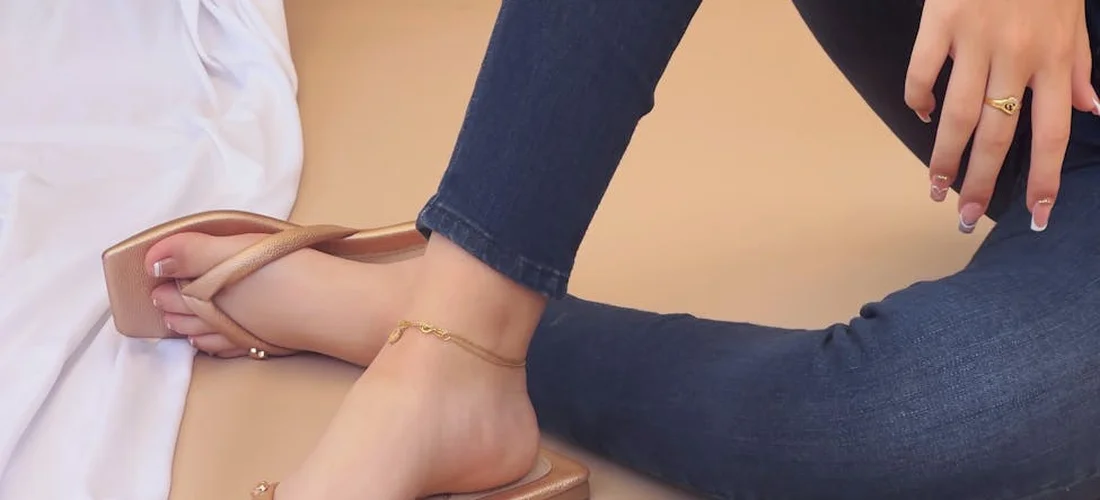
Your hot tub shoes work hard, collecting chlorine, bromine, and organic matter with every use. Neglect them, and they’ll start to smell, degrade, and even transfer stains or bacteria back to your feet or your tub’s shell. A simple, consistent cleaning routine will triple the life of your footwear and protect your investment in clean water. I treat mine like another piece of equipment that needs regular service. That same care applies to your water. For beginners, maintaining proper hot tub water chemistry means regular tests and balancing pH, alkalinity, and sanitizer levels.
Follow these steps weekly to keep them in top shape:
- Rinse off loose debris after each use. A quick blast from the hose or under a faucet removes sand, dirt, and surface chemicals before they bake in.
- Weekly, scrub with mild soap and a brush. I use a drop of clear, fragrance-free dish soap and a soft-bristle brush to gently scour the footbed and straps.
- Air dry completely away from direct sun. Tossing them in a dark, ventilated closet prevents UV damage and warping, which I’ve learned can ruin synthetic materials fast.
For a deeper clean, especially after using a public facility, I occasionally soak my shoes in a diluted vinegar solution (one part white vinegar to four parts water) for 15 minutes to dissolve mineral scale and odors. Never use harsh cleaners like bleach or abrasive pads, as they can break down the waterproof seals and materials, leading to early failure. That same gentle approach also tackles hard water stains on hot tub surfaces. Regular, light cleanings help prevent mineral buildup and keep the shell looking clear. Think of it like balancing your tub’s pH—gentle, consistent care yields the best, longest-lasting results.
What Never to Wear: Footwear Hazards That Harm Your Tub and You
Stepping into your hot tub with the wrong shoes is like adding vinegar to your baking soda balance test-it creates a messy reaction you didn’t want. I’ve spent years knee-deep in tubs, fixing scratches and clearing clogged jets that trace back to simple foot mistakes. During hot tub maintenance, baking soda helps balance the water and vinegar is sometimes used for light cleaning. Knowing when and how to use them helps you avoid the messy results we just described.
Protecting your investment starts at ground level, with what you choose to wear on your feet.
The Grit Grinders: Shoes with Rough, Abrasive Soles
Hiking boots, athletic cleats, or even some garden clogs have soles designed for traction. In your tub, that texture acts like sandpaper. I once repaired a deep scratch in an acrylic shell caused by a single misstep with a gravel-embedded work boot.
Those tiny scratches aren’t just cosmetic; they harbor bacteria that your sanitizer must work overtime to defeat.
- Never wear: Outdoor footwear with deep treads, hard rubber lug soles, or any material that feels coarse against your palm.
- The damage: They microscopically scour the surface, clouding water clarity and degrading the smooth finish over time.
- My fix: Keep a dedicated bin of soft, clean water shoes by the steps for everyone to slip on.
The Contaminant Carriers: Footwear That Tracks in Dirt and Chemicals
Think about where your shoes have been: lawn fertilizer, driveway oil, everyday soil. Hot water is a superb solvent, pulling those pollutants right off your feet. Your filter, even a fine 10-micron cartridge, can’t catch it all, and your chlorine gets busy fighting dirt instead of germs.
Introducing organic matter is the fastest way to trigger a water chemistry battle, wasting your sanitizer and your patience.
- Establish a “barefoot or tub shoes only” zone on your deck.
- Rinse feet with a garden hose or bucket of fresh water after walking on grass or soil.
- Wipe down the bottom of dedicated water shoes monthly to prevent biofilm buildup.
The Unstable Compounds: Materials That Degrade in Heat and Chemicals
Not all plastics tolerate the triple threat of heat, chlorine, and bromine. Cheap foam flip-flops or some rubber slides can literally melt, leaving a greasy residue. I’ve pulled gooey chunks from pump impellers that started as disintegrating beach shoes.
If your footwear feels tacky or changes shape after a soak, it’s actively decomposing into your water.
- Avoid these materials: Thin vinyl, certain foams, or anything not specifically rated for prolonged hot water exposure.
- Seek out: Dense, cross-linked EVA or silicone-they resist heat and chemical breakdown.
- Simple test: Submerge an old pair in a bucket of your balanced tub water for 24 hours; if they degrade, toss them.
The Safety Risks: Footwear That Causes Slips or Punctures
High heels concentrate immense pressure on a tiny point, risking a crack in the shell. Leather soles become dangerously slick on wet decking. Even the metal eyelets on some shoes can conduct electricity if poorly maintained wiring is nearby. I always treat the tub surround like a wet kitchen floor-clean and clear for secure footing.
Your relaxation zone should never become a hazard zone due to an avoidable footwear choice.
Opt for flat, flexible soles with gentle, non-marking tread. Remember, what you wear on your feet directly impacts your tub’s longevity and your own safety.
Good foot care is preventative maintenance, saving you from cloudy water, damaged surfaces, and unnecessary repair bills.
What People Ask
What are slip-resistant options for wet surfaces?
Look for footwear made from natural or synthetic rubber with a defined, razor-cut tread pattern that channels water away. Textured EVA foam with a deep lug design can also provide good grip. The key is a sole material and pattern specifically engineered for wet environments, not just a dry-surface tread.
Can I wear flip-flops to and from the hot tub?
Yes, but they must be a dedicated pair made for water use. Choose flip-flops with non-slip, textured footbeds and soles, and ensure they are made of waterproof materials like rubber or dense EVA. Avoid old, smooth, or porous pairs that can be slick and track in contaminants.
Are there specific shoes for public hot tubs or spas?
Absolutely. For public facilities, wear a dedicated, non-porous pair of sandals or water shoes you only use for that purpose. This acts as a hygienic barrier against common bacteria and fungi. Ensure they have good drainage and slip resistance for the wet communal decks.
How do I clean and maintain my hot tub footwear?
Rinse shoes after each use to remove chemicals and debris. Weekly, scrub them with mild soap and a soft brush, then allow them to air dry completely away from direct sunlight. For a deeper clean, a diluted vinegar soak can help dissolve scale and odors without damaging the materials.
What should I avoid wearing on my feet around a hot tub?
Avoid outdoor shoes that track in dirt, chemicals, and grit, as well as footwear with abrasive soles that can scratch the tub’s surface. Steer clear of materials like leather, standard cloth, or cheap plastics that degrade in heat and chemicals. Never wear high heels or hard-soled shoes that pose a puncture or slip risk, especially when fabric items are vulnerable in hot tubs.
Your Pre-Soak Footwear Finale
Before you take that first blissful step, give the water one final review. Turn on those jets and let them run for a minute. Look for any stray bits that might have shaken loose from your chosen footwear during your walk over. Feel the water temperature with your hand-no surprises wanted. This last-minute check is your safety curtain call.
Make your footwear choice a habit, not a one-time decision, and you’ll spend less time skimming and more time soaking. Dedicate a clean pair of slides or spa socks to live right by the tub steps. It takes two seconds to slip them on and instantly prevents tracking in grass, dirt, and chemicals from your everyday shoes. This tiny routine protects your water, your filter, and the soles of your feet.
You’ve done the work-now sink in and savor the reward.
Further Reading & Sources
- r/hottub on Reddit: Footwear recommendations for a cold, snowy run to the tub
- Amazon.com: Hot Tub Shoes
- exit tub area during winter months?
- Spa Footwear – Slippers & Flip Flops at Wholesale Prices | BC SoftWear
- Spa Sandals | Spa Flip-Flops | Spa Shoes | Spa Slippers
- Hot Tub Slippers – Etsy
Charlie is a hot tub enthusiast with a passion for keeping your jets running smooth and your bubbles bursting with joy. With years of experience in hot tub and jacuzzi maintenance, Charlie knows that a happy tub means a happy you. Whether it’s dealing with stubborn filters or giving your spa a little TLC, Charlie’s here to share expert tips, tricks, and plenty of laughs to help you keep your bubbly retreat in tip-top shape. So, kick back, relax, and let Charlie handle the rest — because no one likes a cranky jacuzzi!
Safety Tips