
Stop Destroying Your Hot Tub: What Not to Wear and How to Fix the Damage Now
Is your water persistently cloudy or foamy? Do you hear your pump straining or find fuzzy debris clogging the filter every week? The sting of imbalanced chemicals and the hum of a struggling pump often point to one culprit: you’re wearing the wrong things into your tub. This isn’t just a nuisance; it sabotages your sanitizer, wrecks your filters, and can lead to expensive plumbing repairs.
- Proper Swimwear (Lycra or Nylon)
- Water Test Strips for pH & Sanitizer
- Filter Cleaner Solution
- A Fine-Mesh Laundry Bag
- 10 Minutes for a Water Check
I’ll show you how to identify the offending items, reset your water clarity, and protect your investment-all without ever picking up the phone to call a pro.
Why Your Swimsuit Choice Is a Maintenance Issue
You might think a swimsuit is a swimsuit, but what you wear into the water is the first line of defense for your tub’s health. Treating your hot tub like a washing machine for everyday clothes is the fastest way to cloudy water, a struggling pump, and a wallet-draining chemical bill. I’ve been to too many service calls where the primary issue was lint from towels and t-shirts choking the filter, forcing the heater to work overtime.
Every foreign fiber that enters the water becomes food for bacteria or a physical clog. A clean, dedicated suit prevents the introduction of oils, detergents, and fabric particles that your sanitizer has to work double-time to destroy. This simple habit reduces filter cycle times, saves energy, and keeps your water balanced with less effort.
The Hot Tub’s Worst Enemies: Unsafe Fabrics and Materials
Not all materials are created equal under the heat and chemistry of a spa. What feels comfortable on land can disintegrate, leach, or clog once it hits the hot, swirling water. Understanding the enemies helps you protect your investment and your soak.
Natural Fibers That Cause Chaos
Natural fibers absorb water eagerly, but that’s their downfall in a hot tub. Cotton is public enemy number one; it breaks down into nearly invisible lint that clogs filter pleats and insulates your heater to death.
Wool and silk are just as problematic. Wool can felt under agitation and release dyes and lanolin oils, while delicate silk degrades quickly, leaving behind a stringy mess for your pump to catch. These fibers also throw your pH for a loop as they decompose, making your water impossible to balance.
Synthetic Fibers with Hidden Risks
While better than cotton, some synthetics come with their own baggage. The main risk isn’t clogging, but chemical leaching. Cheap polyester or rayon suits, especially new ones, can bleed dyes directly into your water, leaving a faint tint and introducing metals. I’ve seen bright blue water from a single new, dark suit.
Non-swimwear synthetics, like gym shorts or bras, are often treated with fabric softeners and UV protectants. These chemical coatings wash off in the heat, creating foamy scum lines and destroying water clarity as they react with your chlorine. Your sanitizer gets used up fighting the laundry detergent instead of protecting you.
| Fabric Type | Primary Risk to Hot Tub | Result |
|---|---|---|
| Cotton | Fiber Shedding & Absorption | Filter Clogs, Heater Failure, Bacterial Food |
| Wool | Oil (Lanolin) Release & Felting | Scum, Foam, Dye Transfer |
| Cheap Polyester/Rayon | Dye Leaching & Coating Wash-Off | Discolored Water, Foam, Sanitizer Demand |
| Spandex/Lycra (Swimwear) | Low Risk if Rinsed | Ideal – Minimal Absorption, Durable |
Non-Fabric Items That Spell Trouble
Fabric is only part of the battle. What you carry on your body can be just as damaging. Any metal jewelry, from wedding rings to necklaces, is a catalyst for corrosion and can permanently stain your acrylic shell with black or rust-colored marks. The hot, salted water accelerates pitting and tarnishing.
Beyond jewelry, these common items are trouble:
- Body Lotions & Sunscreen: These create an impenetrable oil slick on the water’s surface, clogging pores in your skin and your filter. That “foam party” is usually a sign of oils your chemicals are trying and failing to break down.
- Street Clothes & Undergarments: They bring in dirt, deodorant, and detergent residue. You’re essentially doing a load of laundry in your spa, with your chemistry paying the utility bill.
- Floatation Toys & Inflatables: Many are made of cheap PVC or vinyl that degrades in hot, chlorinated water. They leach plasticizers that cause weird odors and create a chemical demand that makes your water dull.
Leave It on the Deck: Jewelry and Hardware Hazards
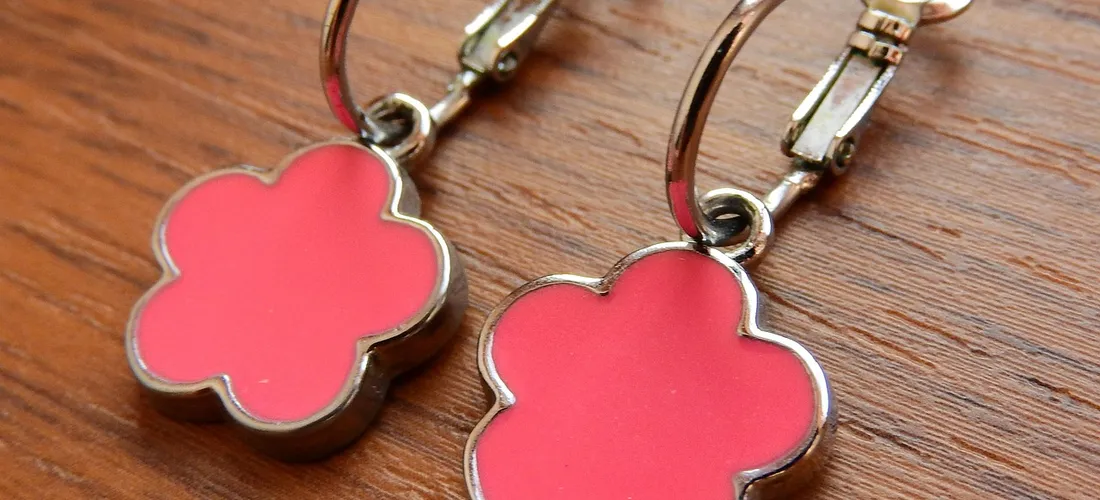
That sparkle on your finger or wrist might look great, but in the hot tub, it’s a chemical accident waiting to happen. I’ve pulled more than one pair of earrings from a filter basket, their shine replaced by a dull, pitted crust. Every piece of metal you bring into the water starts a silent, damaging reaction with your sanitizer and pH balance. Take it off before you step in.
Metal Reactions and Corrosion
Hot tub water is a warm, chemically active bath. Chlorine or bromine, which keep the water safe, are potent oxidizers. When they meet metals like copper, silver, or nickel from jewelry, they get to work. I’ve seen silver turn black and copper leave ugly green stains on acrylic shells. This corrosion doesn’t just ruin your jewelry; it dumps metal ions into the water, causing scale, cloudy water, and forcing you to add more sequestering agent to compensate. That ring can elevate copper levels past 0.2 ppm in a single soak, throwing your perfect balance into chaos. A beginner’s guide to maintaining proper hot tub water chemistry helps you monitor and adjust pH, alkalinity, and sanitizer levels to prevent these issues.
Even “stainless steel” or costume jewelry isn’t safe. The heat and constant agitation accelerate tarnishing. The result? You’ll smell the metallic tang and see a faint oily sheen on the water’s surface. Forget about the jewelry-your real concern is the costly damage to your heater element, which can corrode faster when metals are present in the water. I learned this the hard way after replacing a heater corroded from someone’s constant soak with a bracelet on.
Physical Damage to Surfaces and Lines
It’s not just chemistry; it’s physics. A sharp belt buckle, a bra underwire, or a heavy pendant can wreak havoc. Acrylic shells scratch surprisingly easily. A deep gouge isn’t just ugly; it’s a breeding ground for bacteria that sanitizer can’t easily reach. I’ve had to repair scratches with a specialized acrylic repair kit, a fussy job you want to avoid.
Then there’s the plumbing. A dropped earring or small pendant can slip right past the filter lid. That tiny piece of hardware can lodge in a jet orifice or, worse, get sucked into a circulation pump, leading to a catastrophic seal failure and a very expensive repair bill. I once traced a persistent low-flow error code to a small charm wedged in a divertor valve. The hum of the pump turned into a worrisome grind before we found it.
How Bad Attire Wrecks Your Water and Equipment
Your clothing choice does more than ruin your relaxation; it directly attacks your tub’s health. Think of your hot tub as a sensitive, wet engine. Introducing the wrong fabrics is like pouring sugar into a gas tank-things will grind to a halt, and the fix is messy and costly. I’ve balanced water for years, and nothing throws it off faster than foreign fibers and dyes. Even for seasonal swims, it’s essential to choose the right materials.
The Chemical Domino Effect
Dyes and fabric finishes don’t just wash off; they dissolve. A new red swimsuit or a printed t-shirt can release a burst of colorant that acts like a dye-based shock. This sudden influx of organic material forces your sanitizer to work overtime, creating chloramines that sting your eyes and produce that harsh chemical smell everyone complains about. You’ll then dump in more oxidizer to break them down, spiking your levels and making the water harsh on your skin.
Natural fibers like cotton are the worst offenders. They release phosphates and nitrates into the water. These act as a buffet for algae and bacteria, making your sanitizer less effective and demanding you use more chemicals, which hurts your wallet and the tub’s components over time. Chemicals are needed to keep hot tubs safe—proper sanitizers and pH balance protect bathers from microbes and irritation. Used correctly, these chemicals help safeguard health rather than compromise it. I’ve tested water after someone soaked in a cotton shirt and watched the phosphate level jump, a clear sign of coming trouble.
Clogs and Strain on the Plumbing System
Lint and loose threads are public enemy number one for your filtration. Cotton sheds millions of microscopic fibers. These fibers bypass the filter screen and wrap around the pump impeller or settle in the heater tube, reducing water flow and efficiency. The pump has to work harder, drawing more power and risking an overload. You’ll hear the strain as a higher-pitched whine from the equipment pad.
This isn’t just a nuisance; it’s a system killer. A clogged filter with a 30-micron rating can become completely blinded by fabric debris in a week. Restricted flow causes the pressure switch to shut off the heater, leaving you in cold water and staring at an error code, all because of a fuzzy bathrobe. My weekend repair calls often involve disassembling a pump basket packed with a soggy, fibrous mat that started as someone’s socks.
- Immediate Actions: Always rinse new swimwear in cold water before first use. Keep a dedicated towel for drying off-don’t use the one you sat on.
- Filter Care: Inspect and rinse your filter weekly if you frequently have guests in street clothes. A deep clean with a filter soak solution monthly is non-negotiable.
- System Check: If flow seems weak, check the pump basket first. That’s where the evidence of fabric damage collects.
Smart Soaking: Choosing Safe Hot Tub Attire

Ideal Swimwear Fabrics and Features
Picking the right suit isn’t just about style; it’s your first line of defense for your water’s chemistry. I always recommend swimwear made from tightly woven synthetic fabrics like nylon or polyester, as they shed far less material and resist chlorine breakdown. These fabrics handle the heat and chemicals without falling apart, unlike natural fibers that can decompose and cloud your water.
Look for specific features that make life easier. Chlorine-resistant lining is a must-have feature that prevents dye transfer and fabric rot, saving you from frequent replacements. A smooth, seamless construction is also key because it minimizes places for body oils and lotions to cling, reducing the scum line you’ll have to scrub later.
- Polyester Blends: My personal favorite for durability; they hold up to daily soaks and resist fading from UV and oxidizers.
- Nylon-Spandex Mix: Offers great stretch but ensure it’s a quality blend-cheap spandex can break down and leave a greasy film on the water.
- Quick-Dry Material: This isn’t just for comfort; it means less damp fabric sitting against your cover, which prevents mold and mildew growth.
I learned this lesson the hard way after a pool party where cotton shorts were worn. The tub developed a foamy, cloudy mess that took extra filtering and a double shock to clear, a hassle I now help you avoid. The clarity of the water is directly tied to what touches it.
A Simple Pre-Soak Ritual
Take sixty seconds before you get in. A thorough, soap-free rinse in the shower removes sweat, cosmetics, and skin oils that would otherwise tax your sanitizer. This simple act is the most effective DIY fix for preventing water imbalance and filter clogs. Soap and body wash can leave residues that foam and throw off the hot tub’s chemistry, clogging filters. For this reason, avoid soap in hot tubs.
Make it a habit to inspect your attire. Run your hands over the fabric to feel for loose threads or pilling that could shed micro-fibers into the plumbing. Those tiny fibers can wrap around a circulation pump impeller, mimicking the symptoms of a low flow error code.
- Rinse your body with warm water, focusing on hair and skin.
- Give your swimsuit a quick fresh water soak and gentle wring.
- Remove all jewelry, including wedding bands, to prevent metal staining and pump damage.
This ritual is about proactive care. By starting clean, you help maintain the delicate ppm balance of your sanitizer, so it works on germs, not dirt. You’ll notice the hum of the circulation pump stays steady, and the water retains that just-right sparkle.
Proactive Care: Cleaning Up After What Wore
Immediate Post-Soak Actions
The work starts the moment you step out. Rinse your swimsuit immediately in cool, fresh water to halt chlorine’s corrosive effect on the fabric’s elasticity. Hang it to dry in a breezy spot, but never on the hot tub cover, as the trapped moisture can degrade the vinyl. That rinse is part of proper care after hot tub use. Dry the suit completely to preserve elasticity and color.
Your first glance at the water tells a story. If you see a faint oil slick or tiny lint particles floating, turn on the air jets for a few minutes to help aggregate the debris for the filter to catch. I keep a fine mesh skimmer net handy for a quick surface pass-it takes seconds but saves hours on filter cleaning.
- Shower off promptly to wash away any chemical residue from your skin.
- Wipe down the waterline with a dedicated spa sponge to capture any oils before they bake on.
- Secure the cover properly to maintain heat and keep out new contaminants.
Acting fast prevents a minor issue from becoming a full-system cleanse, like the time dyed fabric required me to drain and refill ahead of schedule. The cost in water, chemicals, and time was a frustrating lesson in vigilance.
Adjusting Your Maintenance Routine
Your standard chemical schedule might need a quick pivot. If an unsafe fabric like cotton or wool found its way into the water, plan to test and likely shock your system within the next 12 hours. These materials act like a sponge, soaking up your chlorine and releasing phosphates that feed bacteria.
Get specific with your water testing after a contamination event. Check not just chlorine and pH, but also total dissolved solids (TDS) and alkalinity, as fibers and dyes can skew all these readings. I keep my test kit right by the tub for this very reason.
Here’s a quick-reference table for common issues:
| Contaminant Introduced | Corrective Action |
|---|---|
| Lint or Fleece Fibers | Clean filter immediately; check and empty the pump basket. |
| Synthetic Dyes (colored water) | Use a clarifier, then shock with a non-chlorine oxidizer. |
| Body Oils & Lotions | Add extra enzyme-based clarifier and run a 24-hour filtration cycle. |
Adjusting your routine isn’t a sign of failure; it’s the mark of an attentive owner who understands that water care is a dynamic, responsive practice. I’ve balanced thousands of gallons, and this adaptive approach always leads to clearer water and lower long-term costs.
Common Questions
Can I just wear an old t-shirt and shorts instead of a swimsuit?
No, this is one of the most damaging things you can do. Everyday cotton clothing like t-shirts and shorts sheds massive amounts of microscopic lint that will clog your filter and wrap around internal components. They also introduce detergent residues, dyes, and oils that will cause foam, scum lines, and deplete your sanitizer rapidly. Always opt for proper, dedicated swimwear made from chlorine-resistant materials.
Are some swimsuit fabrics worse than others for causing foam?
Yes. Swimsuit fabrics that are new, cheaply made, or not designed for chlorinated water are major culprits. These often have chemical fabric finishes, UV protectants, or excess dye that washes off in the hot water. The reaction between these substances and your sanitizer creates persistent foam. To prevent this, rinse new suits thoroughly before use and stick to quality nylon or polyester blends.
What about wearing perfume or cologne into the hot tub?
You should avoid it entirely. Perfumes, colognes, and scented body sprays are oil-based and contain alcohols and other compounds that do not mix with spa water. They will create an oily film on the surface, contribute to foul-smelling chloramines, and cause your sanitizer to work inefficiently. Always rinse off any scented products in a shower before entering.
Is it okay to wear water shoes or flip-flops in the hot tub?
No, you should not wear footwear designed for outdoor or poolside use into the water. They track dirt, road salts, lawn chemicals, and mold into the tub. The materials (like certain rubbers and foams) can also break down in the heat and chemicals, leaving debris. If you need foot protection, use shoes specifically designed for spa or aquatic use that are never worn outdoors. For hot tub footwear, choose spa-specific sandals or water shoes that stay secure on your feet in damp, slippery areas. Wearing purpose-made hot tub footwear helps protect your feet and keeps the tub clean.
Can delicate fabrics like lace or mesh be worn in the hot tub?
It is strongly discouraged. Delicate materials like lace, loose mesh, or suits with decorative ruffles are not durable enough for the hot, churning water and chemical environment. They degrade quickly, leaving behind a trail of fibers and threads that are a nightmare for your filter and pump. Stick to suits with smooth, sturdy construction for the health of your spa.
Your 7-Day Defense
Before you step in to enjoy your handiwork, give the water a final test. Turn on the jets and let them run for a minute-listen for that healthy hum, watch for strong flow, and feel for even heat. This last-minute check is your final safety net, catching any stray debris or confirming your water’s perfect balance.
Keeping rogue fabrics and gunk out of your plumbing starts with one simple habit before you even hit the water. Make a firm rule to rinse every swimsuit under cool, fresh water before and after every single soak; this one-minute ritual washes away lotions, dyes, and loose fibers that would otherwise clog your filter and cloud your water. Following this rinse routine helps avoid the common hot tub cleaning mistakes. It’s a quick step that pays off with clearer water and better filter performance.
You’ve fortified your tub against invaders. Now, go claim your soak-you’ve earned it.
Further Reading & Sources
- How to Repair Hot Tub Scratches, Cracks, and Stains – Hot Spring Spas
- How to repair and restore a hot tub – The Created Home
- Restoring or Repairing a Hot Tub or Spa – Build a DIY Hot Tub
- Repair Hot Tub Cover: Easy DIY Tips for a Long-Lasting Spa Cover | O-Care.com
- Hot Tub Crack Repair: Quick, Easy DIY Solutions | O-Care.com
- Simple Repair Tips for Scratched or Cracked Hot Tub Acrylic | Dolphin Pools
Charlie is a hot tub enthusiast with a passion for keeping your jets running smooth and your bubbles bursting with joy. With years of experience in hot tub and jacuzzi maintenance, Charlie knows that a happy tub means a happy you. Whether it’s dealing with stubborn filters or giving your spa a little TLC, Charlie’s here to share expert tips, tricks, and plenty of laughs to help you keep your bubbly retreat in tip-top shape. So, kick back, relax, and let Charlie handle the rest — because no one likes a cranky jacuzzi!
Safety Tips