
Stop Damaging Your Jacuzzi: Master Operation and Etiquette in 3 Simple Steps
If you step into your spa and the water smells harsh, feels oily, or just looks uninviting, you’re likely skipping the daily 5-minute check that keeps water perfect. This isn’t a plumbing emergency, but it will turn your luxury investment into a frustrating chore.
What You Need:
- Fresh Test Strips (not the old bottle in the shed)
- Your Sanitizer of Choice
- pH Increaser & Decreaser
- Ten Minutes Before Your First Soak
I’ll show you how to transform your routine from guesswork to confident, professional care without ever picking up the phone for help.
Powering Up: From Cold Start to Perfect Temperature
How to Turn On Your Hot Tub
That first startup after a fresh fill or a long break can be daunting. Let’s break it into a foolproof sequence. First, ensure the filter is clean and seated properly-a clogged filter is the number one cause of poor flow and heater problems right out of the gate.
Locate your equipment panel, usually behind a removable side cabinet. Inside, you’ll find the main control box and a GFCI circuit breaker. Flip that breaker to the “ON” position. You should hear a faint click and see the topside control panel light up. The very first command you should give is to start the circulation pump; this primes the system and gets water moving before you ask it to heat.
I always advise a quick visual check around the equipment area after power-up. Look for any immediate drips from pump seals or valve connections you might have disturbed. Now, with the circ pump humming steadily, you’re ready to command the heat.
Mastering the Controls: Jets, Lights, and Thermostat
Modern topside panels can look like spaceship consoles, but they typically control just a few core functions. Your main buttons will be for Jets (often two speeds), Light (cycles through colors or on/off), and Temperature (up/down arrows).
The jets are powered by a separate, larger pump. For maximum muscle, press “Jets” once for low speed, and again for high. Remember, running the jet pump uses significant energy, so use it for therapy sessions, not the entire soak. The light is purely for ambiance-click it to find your favorite calming hue.
The thermostat is your best friend for efficiency. Don’t crank it to 104°F (40°C) and leave it there. Set your target temperature at least an hour before you plan to soak, allowing the tub to heat efficiently without overworking the system. For safety and comfort, choosing the ideal hot tub temperature matters. Most people find 100–102°F (38–39°C) to be a comfortable, safe range. I keep my personal tub at 100°F (38°C) on standby and boost it only when I know I’ll be using it.
Finding Your Sweet Spot: Ideal Water Temperature
This is deeply personal, but there are health and safety guardrails. Most manufacturers set a maximum safe limit at 104°F (40°C). For relaxed soaking, most adults find 100-102°F (38-39°C) perfect. With kids, I never go above 100°F (38°C). If you’re curious how those maximums are determined and the safety standards behind them, there’s a brief explainer on hot tub maximum temperatures.
- Therapeutic (for sore muscles): 102-104°F (39-40°C). Limit soaks to 15-20 minutes.
- Social & Relaxing: 100-102°F (38-39°C). The sweet spot for extended conversation.
- Family & Cooling Down: 98-100°F (37-38°C). Safer for all ages and better for warm evenings.
Your body will tell you what’s right. The goal is a smooth warmth that welcomes you in, not a scalding shock that makes your heart race. If you step in and immediately think “ouch,” it’s too hot-step out and lower the setting before getting comfortable.
Safety and Session Management
Pre-Soak Safety Checklist
Never just hop in. Make this 60-second ritual a habit. First, test your water. Use test strips or a liquid kit to confirm your sanitizer level (chlorine/bromine) and pH are in the safe zone. Cloudy or strong-smelling water is a “do not enter” sign.
Check the physical area. Is the cover fully secured and out of the way? Are walkways dry to prevent slips? Ensure you have a secure, dry handhold for entering and exiting. This quick chemical and physical check is the single most important practice to prevent skin irritation, equipment damage, or a nasty fall.
Finally, know who’s in charge. If you have guests, especially new ones, designate yourself the “captain.” You control the jets, the temperature adjustments, and the session clock.
How Long is Too Long? Setting Session Duration
Think of a hot tub session like a sauna visit—shorter is often better. The elevated heat and jet action put a real strain on your cardiovascular system. Just like a sauna.
- Standard Soak: 15-30 minutes is ideal for most adults.
- High-Temp Therapy (104°F/40°C): Cap it at 15 minutes maximum.
- With Alcohol: Drastically reduce time. Alcohol dilates blood vessels, compounding the heat’s effects. I recommend 10-minute limits with 20-minute cool-down breaks if you choose to indulge.
Set a timer on your phone. It’s easy to lose track of time when you’re relaxed, and exceeding these limits is the fast track to lightheadedness. When your fingertips start to prune significantly, that’s your body’s natural signal that it’s definitely time to get out.
Recognizing and Responding to Overheating or Dizziness
Listen to your body. Early signs are subtle: a slight pounding in your temples, a flush in your cheeks beyond normal, or a feeling of sudden fatigue. Ignoring these leads to nausea, dizziness, or fainting.
If you or a guest feels unwell, act immediately. Turn off the jets. Carefully help the person exit the tub. Have them sit on the deck with their feet low, or lie down if needed. Do not stand up quickly or try to walk it off; the priority is to get the head level with or below the heart to restore proper blood flow.
Hydrate with cool (not ice-cold) water. A damp cloth on the forehead helps. I keep a pitcher and glasses right by my tub for this reason. Learn this lesson from my early days: pushing through discomfort is dangerous, not tough. Ending a session 5 minutes early is always smarter than an ambulance ride.
Water Chemistry for a Clean, Safe Soak
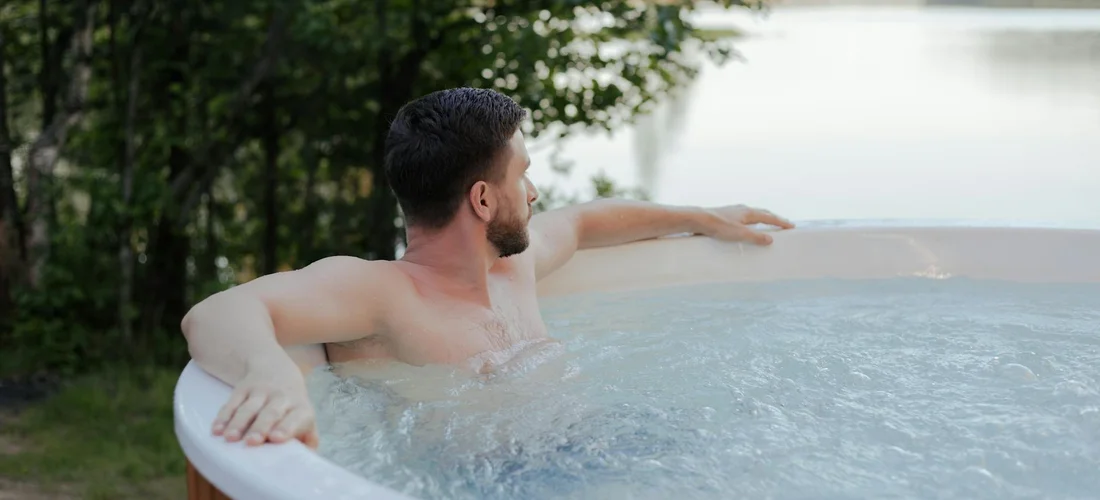
Testing and Balancing: pH, Alkalinity, and Sanitizer
Think of your tub’s water like a delicate soup recipe-get the base wrong, and everything else tastes off. You need to test it at least twice a week. I use simple test strips; dip one in for two seconds, shake it off, and compare the colors to the bottle. Your pH level should sit between 7.2 and 7.8; if it’s too low, the water becomes corrosive and can sting your eyes, while a high pH makes your sanitizer lazy and ineffective. Total alkalinity is the pH’s bodyguard, keeping it from bouncing around. Aim for 80-120 parts per million (ppm). For beginners, a quick guide on maintaining proper hot tub water chemistry can walk you through these steps. It explains testing frequency, interpreting results, and how to adjust.
Here’s my balancing act from years of trial and error. First, adjust alkalinity with a sodium bicarbonate increaser if it’s low. Then, tackle pH with a decreaser (dry acid) or increaser (soda ash). Always add chemicals to a bucket of water first, never directly into the tub, and circulate the water for 30 minutes after. I learned the hard way when my pH crashed to 6.8 and ate away at my heater’s elements, leading to a costly weekend repair. Test again after adjustments. Your sanitizer level depends on your choice, which we’ll cover next.
Sanitizer Choices: Chlorine vs. Bromine for Beginners
This is the big decision for keeping your water hygienic. Both kill bacteria, but they behave differently in the heat. Chlorine is the fast-acting bleach you know from pools. It works quickly but evaporates faster in hot water and can give off that strong chemical smell if combined with body oils. Maintain free chlorine between 1-3 ppm, and remember it’s very sensitive to pH-if your pH is high, your chlorine is practically napping.
Bromine is my personal favorite for spas. It’s more stable in high temperatures and gentler on skin and swimsuits. It doesn’t have that sharp chlorine tang. You keep bromine levels between 3-5 ppm. The catch is that bromine needs an oxidizer, like shock, to reactivate it, making it a two-part system that’s worth the slight extra step for smoother water. For beginners overwhelmed by the sting of chlorine, I often recommend starting with bromine tablets in a floating feeder.
- Chlorine: Affordable, fast, but requires precise pH control. Can cause fading on suits.
- Bromine: More heat-stable, softer scent, but slightly more expensive upfront. Better for sensitive skin.
Whichever you pick, consistency is key. Adding a little sanitizer after each soak keeps the water ready for the next dip.
The Critical Role of Your Filter
Your filter is the unsung hero, silently scrubbing the water clear of sunscreen, skin cells, and dirt. That low hum you hear? That’s the circulation pump pushing water through the filter pleats. A clean filter is the heart of energy efficiency; a clogged one forces the pump to strain, wasting electricity and wearing out parts prematurely. Most carts have a 30-micron rating, fine enough to catch the gunk that clouds your view.
Here is your simple filter care routine. Every week, pull it out and rinse it with a hose, aiming between the pleats to blast debris away. Every month, give it a deep soak in a filter cleaner solution to dissolve oils and calcium. I keep a spare filter on hand so I can swap them out, letting the dirty one soak overnight without interrupting my soaks. Replace cartridges yearly, or when the pleats are torn or permanently stained. Neglecting this is the most common DIY mistake I see-it turns crystal water hazy fast.
Etiquette: The Unwritten Rules of Jacuzzi Use
The Pre-Soak Shower: Why It’s Non-Negotiable
Please, for the love of clear water, take a quick one-minute rinse before you get in. This isn’t about you being dirty; it’s about removing lotions, deodorant, and sweat that your filter and chemicals hate. That invisible film from your skin is the main food source for bacteria, leading to foam and chemical demand that burns through your sanitizer. I’ve seen tubs go from perfect to problematic after just one soak with unshowered guests.
Make it a ritual. Keep a towel and shower gel near the tub area. A quick pre-soak shower adds mere seconds to your routine but can save you hours of water balancing and deep cleaning later. Your filters will last longer, your water will sparkle, and nobody will have to deal with that weird scum line on the shell.
Shared Spa Courtesy: Noise, Space, and Cleanliness
Sharing a hot tub should be relaxing, not a test of patience. Keep voices at a conversational level-the water’s hum should be the loudest sound. Respect personal space; don’t crowd others or splash excessively. Always use plastic cups instead of glass to avoid dangerous breakages and never bring messy foods that can clog the filters. For a quick guide, there are 10 essential rules of hot tub etiquette for guests and hosts. Following them helps ensure a relaxing soak for everyone.
Clean up after yourself. Take your towels and bottles with you when you leave. If you notice debris in the water, like leaves or grass, skim it out with a net; it’s a small act that shows respect for the next user and the tub itself. Following these simple rules makes the experience better for everyone and keeps the peace in shared spaces like rentals or community pools.
Using a Jacuzzi Alone: Safety and Enjoyment
Solo soaks are my favorite way to unwind, but safety first. Never mix alcohol with hot tubbing; it dehydrates you and increases the risk of drowning. Set a timer for 15-20 minutes to prevent overheating. Always have a phone within reach in case you feel lightheaded and need to call for help. I always text my partner when I’m getting in alone, just for peace of mind.
For enjoyment, this is your time to tweak the experience. Adjust the jets to target your sore muscles. Lower the temperature if you’re staying in longer. Some folks add a drop of spa-safe aromatherapy. If you’re new to soaking, a quick beginner’s guide to safe and effective hot tub use can help you start confidently. It covers temperature, duration, and safety basics. Listen to your body-if you start sweating excessively or feel dizzy, get out slowly, wrap up in a robe, and cool down with some water. A safe solo soak is the ultimate reward for maintaining your tub properly.
Essential Maintenance Between Soaks
Think of your hot tub like a trusted car. You don’t just drive it and forget it. A little love between journeys keeps it humming for miles. Setting aside just fifteen minutes a week for these tasks can save you hundreds in repairs and keep your water inviting instead of irritating. New owners will benefit from the ultimate 90 day hot tub maintenance plan, a starter guide for the first three months. It breaks maintenance into simple weekly steps to keep your tub clean and reliable.
Filter Care: Rinsing, Cleaning, and Replacement Schedule
Your filter cartridge is the hard-working kidney of your spa, trapping oils, lotions, and debris. A clogged filter strains your pump, murders your heater’s efficiency, and makes your water chemistry a nightmare to balance.
I can’t tell you how many “mysterious” heating problems I’ve solved with a simple filter clean. That low-flow error code? Often a dirty filter.
Your Weekly Filter Rinse Ritual
- Power down the spa at the breaker panel. Safety first-never handle filters with the power on.
- Remove the filter cartridge(s) from its compartment.
- Use a strong stream of garden water to blast between the pleats, from top to bottom. You’re aiming to dislodge surface gunk.
- Check the pleats for deep stains or a slick feeling. That’s body oil and sunscreen.
Deep Cleaning Every 4-6 Weeks
- Soak the filter overnight in a dedicated filter cleaner solution. Don’t use dish soap or household cleaners; they create foam and damage the material.
- The next day, rinse it even more thoroughly than your weekly rinse. You should see cleaner, brighter pleats.
- Let it dry completely out of direct sunlight before reinstalling. A spare filter cartridge is a brilliant investment so you can swap in a clean, dry one immediately.
When to Replace
Even with perfect care, filters wear out. Mark your calendar to replace filter cartridges every 12 months, or sooner if the pleats are torn, cracked, or permanently stained a deep gray. A fresh filter with a proper 30-50 square foot area is the cheapest insurance for your entire spa system.
Draining and Refilling: When and How to Do It Right
You can’t keep water fresh forever. Total Dissolved Solids (TDS) build up from chemicals, lotions, and minerals, making the water dull and stubborn. When your sanitizer demand spikes, the water smells funky even after shocking, or it just looks tired, it’s not you-it’s the TDS. Time for a reset.
Plan to drain and refill every 3-4 months for most users. If you use the tub heavily or have a high bather load, do it every 2 months. Also, monitor the hot tub filter—clean it regularly and replace it as needed. Filters are often changed every 1-3 months depending on usage.
- Add a Plumbing Flush Product: Before you drain, add a jet line flush to your full, hot tub. Run the jets for 20 minutes. This loosens biofilm from the hidden pipes that your filter can’t touch. I’ve seen black, gunk-filled water come out after a good flush-stuff you don’t want stewing in your new water.
- Power Down & Drain: Turn off the power at the breaker. Attach a garden hose to the drain spigot and route it to a safe runoff area.
- Clean the Shell: While it drains, wipe down the empty shell with a gentle, spa-safe surface cleaner. Avoid abrasive scrubbers.
- Refill & Treat: Place the hose in your filter compartment to prevent air locks. Refill with cold water. Once full, restart power and immediately begin your chemical start-up sequence: Balance alkalinity (80-120 ppm), then pH (7.2-7.8), then calcium hardness (150-250 ppm), THEN add your primary sanitizer. Getting this order right prevents scaling, corrosion, and cloudy water from day one.
Cover Care and Energy-Saving Tips
Your cover is your number one energy-saving device and safety barrier. A heavy, water-logged cover can break its lifter and strain your back. A cover with broken seals might as well be a screen door in winter.
- Weekly Wipe-Down: Use a mild vinyl protectant on the top and underside. This prevents drying, cracking, and mold. Wipe off any standing water to prevent it from seeping into the foam core.
- Check the Seal: Every month, close the cover and check for visible gaps. Feel for warm, moist air escaping around the edges on a cool day. A broken seal lets heat and money float away.
- Use a Cover Conditioner: Every 3 months, treat the vinyl with a conditioner designed for spa covers. This keeps it supple and extends its life by years.
A pro tip I live by: Invest in a floating thermal blanket to lay on the water’s surface under the main cover. This simple layer cuts evaporation (your main heat loss) and chemical use by up to 30%, paying for itself in one season. Keep that cover on tight whenever you’re not soaking, and you’ll barely hear the heater kick on.
FAQs
Can I eat or drink in a Jacuzzi?
It’s best to avoid eating in the Jacuzzi to prevent food particles from clogging filters and contaminating the water. If you drink, use only plastic or unbreakable cups to eliminate the risk of glass breakage and potential injuries. Always clean up any spills promptly to maintain hygiene and water quality. For more tips, check out proper Jacuzzi etiquette.
What is the proper etiquette for using a shared or public Jacuzzi?
Keep noise levels low to ensure a relaxing environment for everyone. Respect personal space by avoiding crowding or excessive splashing. Always remove personal items and debris after use, and follow any posted rules to promote a pleasant experience for all bathers.
Should I shower before entering a Jacuzzi?
Yes, a quick pre-soak shower is essential to rinse off lotions, sweat, and oils that can cloud water and strain sanitizer. This simple habit helps prevent foam, reduces chemical demand, and extends the life of your filters. It’s a small step that makes maintenance much easier.
Is it safe to use a Jacuzzi alone?
Using a Jacuzzi alone can be safe with precautions. Limit sessions to 15-20 minutes, avoid alcohol, and keep a phone within reach in case of emergency. Always listen to your body and exit immediately if you feel dizzy or unwell to prevent accidents. Before turning it on, briefly review essential jacuzzi safety tips.
How often should I clean the Jacuzzi filters?
Rinse filters weekly with a hose to remove surface debris. Deep clean them with a filter cleaner solution every 4-6 weeks to dissolve oils and buildup. Replace filters annually or when they appear torn or permanently stained to ensure efficient operation and clean water.
The Weekly Wellness Win
Before you step into that steaming water, give your Jacuzzi a final once-over. Run all the jets for a solid minute-listen for any sputters or weak flow that might signal a clog. I always dip a test strip in to check the sanitizer and pH; it takes ten seconds but saves a weekend of correcting murky water. That quick pre-soak ritual is your best insurance against a disappointing or unsafe experience.
After years of balancing water and fixing pumps, I’ve found one practice that prevents most common headaches. Make it a non-negotiable rule to rinse your filter with a hose every single week, no exceptions. A clean filter ensures strong circulation, efficient heating, and crystal-clear water, stopping problems before they start.
You’ve mastered the operation and etiquette. The tub is humming, the water is perfect, and you’re ready. Now, lower yourself in, take a deep breath, and let the hard work melt away.
Further Reading & Sources
- Hot Tub Etiquette: Essential Tips for Relaxing Soak | The Hot Tub Lady
- A Guide to Using a Jacuzzi in a Hotel – Hotel Chantelle
- Hot Tub Etiquette: What You Need to Know | Premium Spas & Billiards
- Do You Follow The Hot Tub Etiquette Rules? – HotSpring Spas and Pool Tables 2
- Hot Tub Etiquette – ThermoSpas®
- Guide To Using A Hot Tub – Jacuzzi Etiquette & Tips – Just A Bloke
Charlie is a hot tub enthusiast with a passion for keeping your jets running smooth and your bubbles bursting with joy. With years of experience in hot tub and jacuzzi maintenance, Charlie knows that a happy tub means a happy you. Whether it’s dealing with stubborn filters or giving your spa a little TLC, Charlie’s here to share expert tips, tricks, and plenty of laughs to help you keep your bubbly retreat in tip-top shape. So, kick back, relax, and let Charlie handle the rest — because no one likes a cranky jacuzzi!
Safety Tips