
Stop the Junk Hauler: How to Safely Repurpose Your Old Hot Tub Into Something Amazing
If your hot tub shell is cracked beyond repair, the controls are dead, or you’re just tired of the monthly chemical battle, you’re facing a bulky backyard problem. This isn’t a repair job-it’s a prime opportunity for a rewarding DIY transformation that saves you hundreds in disposal fees. While the tub itself isn’t dangerous once powered down, safety is non-negotiable when handling tools and dismantling the structure.
- What You Need:
- Safety Glasses & Heavy-Duty Work Gloves
- Adjustable Wrench and Phillips Screwdriver
- Reciprocating Saw with a Demolition Blade
- A Solid Weekend and a Creative Spark
Follow this guide and you will convert that eyesore into a garden centerpiece or functional furniture without ever needing a professional.
Why Repurpose Instead of Tossing Your Old Spa?
After two decades of listening to the hum of circulation pumps and feeling the slickness of balanced water, I view a retired hot tub as a toolkit, not trash. Dumping a whole spa in a landfill costs you hundreds in fees and wastes a sturdy structure that took energy and resources to make.
Remember the clarity of well-maintained water? That same acrylic shell can become a vibrant garden pond or a deep raised bed for tomatoes. From my years in Houston and Dallas, I’ve saved neighbors over $500 per tub in haul-away fees by guiding them through simple repurposing projects instead. Beyond that, curiosity about the hidden costs of hot tub ownership—like energy use, chemicals, and repairs—often steers these decisions. A quick look at those costs can help you decide what’s best for your space.
We once converted a leaky shell into a storage bin for pool toys, using the leftover foam insulation to line it. This hands-on creativity extends the life of materials and honors the regular maintenance philosophy we follow-waste not, want not.
Think of the chemical safety habits you’ve built; repurposing applies that careful mindset to tools and construction. You’ll gain unique yard features and the satisfaction of a DIY win, all while promoting real energy efficiency by reusing what you already have.
Safety First: The Non-Negotiable Prep Work
Before you imagine your old tub as a planter, we must dismantle it without drama. Skipping prep work is like adding chlorine without testing-you’re asking for a reactive, dangerous situation.
- Gather Your Tools: Collect screwdrivers, wrenches, wire cutters, a PVC saw, a utility knife, heavy gloves, and safety glasses. I always include a non-contact voltage tester; for under $20, it’s saved my fingers from live wires more than once.
- Disconnect All Power at the Breaker and Verify It’s Dead: Locate the dedicated spa breaker in your panel, flip it off, and then test at the tub’s control box with your voltage tester. Never trust a label-I once got a tingle from a mislabeled circuit, so test every terminal twice.
- Drain All Water Properly and Run Pumps to Clear Plumbing: Hook a hose to the drain port and direct water away from your house foundation. After draining, run each pump for 30 seconds on a dry cycle to blast out hidden water, preventing stagnant sludge that can spoil your upcycle later.
- Remove the Equipment Pack (Pump, Heater, Controls): Unbolt the heavy equipment pack from the shell’s interior. Wear your gloves; these components have sharp edges and can weigh over 50 pounds-I use a buddy or a wheeled dolly to avoid a back injury.
- Cut and Cap All Plumbing Lines: Use your PVC saw to cut pipes cleanly near the shell. Cap each stub with PVC cement and fittings; I prefer Oatey’s clear cement for a visible, strong seal that sets fast even in damp conditions.
- Strip Out Foam Insulation and Any Remaining Wiring: Pull out all spray foam insulation by hand or with a pry bar. Remove every scrap of leftover wire to eliminate any hidden electrical hazards, giving you a clean, safe canvas for your project.
Salvage vs. Scrap: What Parts to Keep

Before you start dismantling, take a breath and look for the hidden value. I’ve saved countless parts from the landfill, using them for repairs or clever backyard projects. Smart salvaging puts money back in your pocket and gives old components a purposeful second life.
- Pumps: Both the main jet pump and the quiet circulation pump. If they still run, they’re perfect for DIY water features.
- Heaters: The stainless steel heating element and copper tubing assembly. Test it before you keep it.
- Control Tops: The spa’s topside panel. Even non-working units can be harvested for buttons and displays.
- Filters: Intact filter housings and good-quality cartridges. A deep clean can make them like new.
- Jet Faces: The removable plastic jet covers. They’re often standard sizes and easy to swap.
- Stainless Steel Frames: The rigid understructure. It’s heavy-duty metal for crafting or reinforcement.
Testing a pump is a straightforward job I’ve done in my own garage. You’ll need a bucket, a GFCI outlet, and some basic tools. A simple bench test tells you instantly if the pump is worth saving for that pond or fountain idea.
- Disconnect the pump from the spa’s plumbing, careful not to crack the old unions.
- Rinse the pump housing and impeller to clear any debris or scale buildup.
- Submerge the pump in a five-gallon bucket of water, making sure the intake is covered.
- Use a temporary, outdoor-rated power cord plugged into a GFCI outlet for safety.
- Give it power for just a few seconds. Listen for a steady hum and watch for a strong water flow from the outlet.
- If it starts smoothly without grinding or leaking, dry it completely and store it for your project.
The expanding foam insulation and fiberglass shell wrapping are the messy parts. I never toss these with household trash. Your local municipal waste facility has specific drop-off procedures for this type of construction material. Call them first; you’ll likely need to bag fiberglass scraps securely and may pay a small fee for foam disposal.
Transforming the Shell: Garden & Outdoor Features
The Raised Garden Bed or Planter
That deep, sturdy shell is ideal for growing vegetables or flowers. I used one for herbs, and the growth was incredible. Drill a dozen half-inch holes in the bottom floor for drainage to keep your plants from drowning. Fill it with a 60/40 mix of garden soil and compost. The insulated walls protect roots from early frosts, giving you a longer growing season.
The Decorative Pond or Water Feature
With a little effort, your old tub can become a serene water garden. I built one using a salvaged pump for a gentle waterfall. Start by giving the entire shell a good scrub and inspecting for cracks you’ll need to seal. Add a flexible EPDM pond liner for guaranteed waterproofing, then arrange stones and plants. Use that tested circulation pump to move water, preventing mosquitoes and adding the peaceful sound of moving water. To create the perfect ambiance around your outdoor hot tub, add soft lighting and comfortable seating to invite lingering evenings. Lush plants and a gentle scent can enhance the tranquil vibe.
The Sandbox or Kiddie Pool Alternative
For a family-friendly upgrade, this is a brilliant solution. The high walls contain sand or water beautifully. Thoroughly clean and rinse the shell multiple times to remove any chemical residue. Sand any rough edges smooth, then fill with play sand or fresh hose water. As a sandbox, a fitted tarp cover keeps it clean. As a pool, remember it’s deeper than it looks-always supervise children closely.
Creative Demolition: Furniture and Art Projects
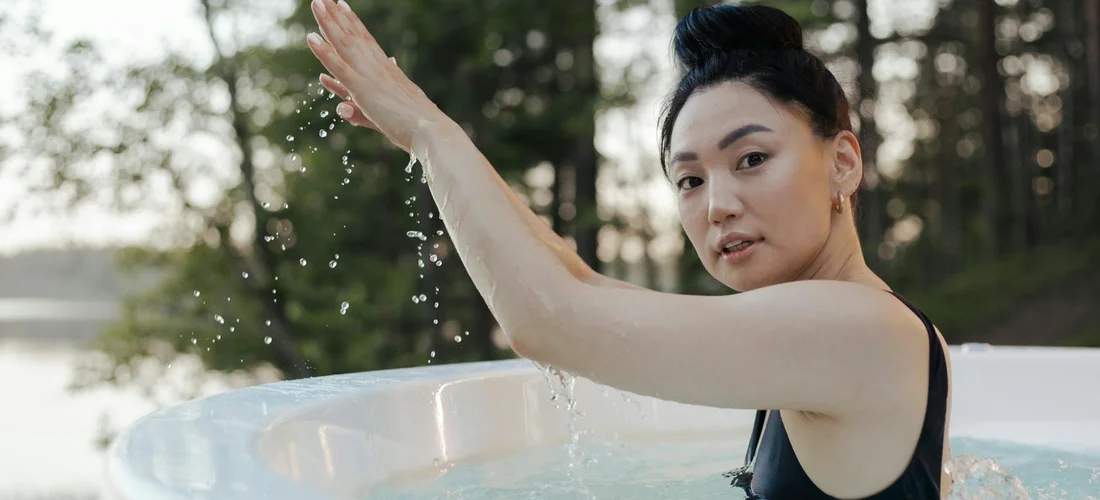
That old tub holds more potential than you think. With some basic tools and imagination, you can transform its parts into conversation pieces for your yard. I always wear heavy gloves and safety glasses when breaking down a spa; hidden screws and sharp plastic edges are common surprises, especially when handling used hot tubs.
Building Unique Outdoor Seating
Cut the acrylic shell in half vertically with a jigsaw fitted with a fine-tooth blade for plastics. Sand the cut edges smooth with 120-grit paper to prevent snags. Bolt one half to a simple pressure-treated 2×4 frame, add a weatherproof cushion, and you’ve got a sleek, curved lounge that repels water naturally. I helped a client in Austin use the other half as a base for a built-in bench, filling the cavity with gravel for drainage and topping it with cedar planks.
The fiberglass shell from older models is tougher but can be shaped. Consider using the solid corner sections as sturdy stool bases-just attach wooden tops with waterproof adhesive.
Crafting a Statement Container or Sculpture
Drain all plumbing completely and let the shell dry for a week. Drill a dozen ½-inch drainage holes in the bottom. This becomes a massive, durable planter for small trees or cascading flowers; the insulation in the walls protects roots from temperature swings.
For art, cut the colored acrylic into mosaic tiles. Use a diamond blade on a grinder to slice the shell into geometric shapes, then adhere them to an outdoor mural with marine-grade epoxy. I once saw a retired tub’s jet manifold painted and mounted as a kinetic wind sculpture-it hummed beautifully in the breeze.
Functional Repurposing: Storage and Utility
Don’t overlook the simple genius of using what you already have. These projects skip the artistry and focus on pure, clutter-busting function. Always scrub the interior with a mild bleach solution before reuse to remove any lingering biofilm or chemical residues.
- Using the insulated cabinet as a hidden storage bin for garden hoses or pool toys. Remove the shell and plumbing, leaving the empty wood or synthetic cabinet. Line it with a tarp, add a hinged lid from scrap plywood, and tuck it behind a shed. The foam insulation keeps stored items from freezing or overheating.
- Converting the empty shell into a large compost bin (with aeration notes). Drill rows of 1-inch holes every 8 inches around the lower third for oxygen flow. Layer browns and greens inside, and use the original cover to retain heat and moisture. Turn the pile monthly with a garden fork; the non-porous acrylic speeds up decomposition by maintaining ideal humidity.
- Employing the heavy-duty cover as a workbench top or potting table surface. Strip the vinyl and foam, leaving the rigid core. Seal the particle board with exterior paint, then screw it onto sawhorses. It’s perfectly waterproof and can handle the weight of heavy pots and tools without warping.
For the compost bin, ensure proper aeration to avoid anaerobic odors. I add a PVC pipe with drilled holes vertically into the pile every season to boost airflow without constant turning.
When Upcycling Isn’t an Option: Responsible Disposal
Not every shell has a second act. Sometimes, the structure is too far gone, or your vision for the yard simply doesn’t include a giant fiberglass planter. Disposing of a hot tub responsibly is a final, important act of care for your property and the environment. Or, if you’re planning to relocate the hot tub to a new home, you’ll want a plan for safely moving it across your yard. Proper prep and the right equipment can help ensure the move goes smoothly and safely.
Finding Local Recycling & Disposal Programs
Your first stop should be your local waste authority’s website. Search for “bulky item pickup” or “appliance disposal.” Many municipalities have specific days for large items. I’ve found that breaking the tub down into its components increases your success. The steel frame is pure scrap metal, beloved by metal recycling yards. The acrylic shell? That’s trickier. Some specialized plastic recyclers might take it, but you often need to call ahead. For eco-friendly disposal, look for local programs that specifically recycle hot tubs or bulky plastics to maximize material recovery and minimize landfill. This approach helps you recycle hot tubs responsibly while supporting recycling networks. The pump and heater contain copper—a recycler’s dream. Separating metal from shell can turn a disposal headache into a few dollars back in your pocket, or at least a cheaper drop-off fee.
How to Find a Program:
- Call your city’s public works or sanitation department directly.
- Search online for “[Your City] metal recycling” and call to ask if they accept “spa frames.”
- Check with appliance recycling centers, as some classify the pump and heater as appliances.
- Ask at your local landfill about their acceptance policy and fees for fiberglass/acrylic.
Listing a “Free for Haul Away” Tub
This can be a great solution if the tub is still intact. Someone with a trailer and a DIY spirit might want it for parts or their own project. I’ve helped neighbors go this route. Be brutally honest in your listing-note any cracks, leaks, or non-working parts to avoid angry messages later. Take clear photos from all angles. Mention it’s “disassembled ready for hauling” if you’ve already removed the shell from the cabinet. Stipulate that the winner must bring help, tools, and remove all debris. You’d be amazed what people will take for free, but manage your expectations; it might sit for a few weeks.
Tips for a Successful Listing:
- Use platforms like Facebook Marketplace, Craigslist, or Nextdoor.
- Title it: “FREE Hot Tub – YOU Haul & Disassemble.”
- List key details: Dimensions, shell condition, and that the electronics are included (or not).
- Always have helpers present for the pickup day for safety and speed.
Hiring a Professional Junk Removal Service
When time, muscle, or a truck are in short supply, this is your best bet. Companies like 1-800-GOT-JUNK? or local haulers specialize in this. They’ll send a crew, break down the tub on-site, and cart everything away. From my experience getting quotes in two different cities, the cost typically ranges from $300 to $800, heavily dependent on your location, accessibility, and how much disassembly they must do. If you can detach the shell from the frame yourself, you might save on labor costs. For DIYers, a disassemble-remove hot tub complete teardown guide can map out the entire teardown step by step. It helps you plan the order of removal and stay focused on safety and proper disposal as you proceed. The fee is worth it for the sheer convenience and knowing it’s handled legally-most services sort for recycling behind the scenes.
What to Expect When Hiring Pros:
- They will ask for photos and about stair/access issues for an initial quote.
- Most charge by the volume of truck space your junk fills.
- They handle all the heavy lifting, including the dreaded, water-logged foam insulation.
- Payment is usually upon completion. Get a confirmed, all-inclusive price before they start.
## What People Ask
Can I convert my old hot tub into a water feature without using a pond liner?
While possible, it is not generally recommended. The primary risk is that undetected hairline cracks in the old shell can lead to slow leaks, draining your feature and potentially damaging the surrounding area. Using a fitted EPDM pond liner is the safest method to guarantee it stays waterproof and protects your yard’s foundation.
Am I liable if someone gets hurt using my upcycled hot tub, like as a sandbox or planter?
Yes, premises liability still applies to repurposed items in your yard. It is crucial to ensure the structure is stable, all sharp edges are smoothed, and any electrical components are completely removed. For sandboxes or pools, always advise direct adult supervision due to the tub’s depth and supervise children closely.
Is it really cheaper to repurpose than to just pay for disposal?
Absolutely. Professional junk removal for a hot tub typically costs $300-$800, while repurposing requires only basic tools and materials you may already have. Beyond saving on disposal fees, you also gain a functional piece of outdoor furniture or garden feature without the purchase price of a new one.
Can I leave the electrical system intact if I’m not using it for water?
No. You must completely and permanently disconnect all power at the breaker and remove the equipment pack. Leaving any wiring or components connected creates a severe electrocution hazard and violates electrical codes. The shell should be a passive, non-powered vessel for its new use.
How can I test a salvaged pump if I don’t have a GFCI outlet handy?
Do not test the pump without a proper Ground Fault Circuit Interrupter (GFCI) outlet for protection, which is a critical safety step. You can use a portable GFCI adapter or extension cord. If one is not available, it is safer to assume the pump needs professional servicing or to recycle it instead.
Your Final Pre-Soak Checklist
Before you slip into that inviting, repaired tub, give it one last operational once-over. Run the jets on high speed for a full five minutes-listen for that smooth hum and watch for strong, consistent flow from every port. This final test flushes any lingering debris from the plumbing lines and confirms your pump is running happily under load.
While the jets are running, take a fresh water test strip and confirm your sanitizer level and pH are perfectly in the green zone; the few minutes between testing and soaking are your final safety gate.
For a system you’ve just brought back from the brink, one habit stands above all others to keep it healthy. Make a weekly date with your filter: pull it, rinse it thoroughly with a garden hose (from the inside out), and soak it in a filter cleaning solution once a month-this single act prevents 80% of the flow and heating problems I get called to fix. A clean filter is the cornerstone of everything else working right.
You’ve wrestled with parts, balanced water, and conquered error codes. The work is done. Now, go turn on the bubbles, step in, and let all that tension melt away. You fixed it. Enjoy your soak.
Further Reading & Sources
- What To Do With Old Hot Tub? Top 3 Things to Do + Safety Rules
- Repurposing Relaxation: What to Do with Old Hot Tub – Bullfrog Spas
- How to Get Rid of an Old Hot Tub | The Family Handyman
- How can I repurpose an old hot tub? | Hometalk
- 3 Really Creative Ways of Re-purposing Your Old Hot Tubs – Los Angeles Hot Tub + Swim Spa Showroom | Wood Tubs | Supplies
- How to Dispose of a Hot Tub: The Complete Guide for 2025 – Trash Can Willys Junk Removal Service
Charlie is a hot tub enthusiast with a passion for keeping your jets running smooth and your bubbles bursting with joy. With years of experience in hot tub and jacuzzi maintenance, Charlie knows that a happy tub means a happy you. Whether it’s dealing with stubborn filters or giving your spa a little TLC, Charlie’s here to share expert tips, tricks, and plenty of laughs to help you keep your bubbly retreat in tip-top shape. So, kick back, relax, and let Charlie handle the rest — because no one likes a cranky jacuzzi!
Outdoor Setup