
Why Your Hot Tub is a Hidden Danger to Kids and How to Secure It With This Checklist
Published on: February 27, 2026 | Last Updated: February 27, 2026
Written By: Charlie Bubbles
If you find yourself constantly shooing children away from the spa or worrying the second they’re out of sight, you have a critical safety gap. This is an immediate and serious hazard, not a simple inconvenience. Hot tubs combine deep water, high heat, and chemicals into a potent risk for curious little ones.
What You Need:
- A reliable, lockable safety cover
- Door and gate alarms
- Non-slip outdoor mats or deck paint
- A basic tool kit for installing locks
- One focused weekend afternoon
This complete checklist will help you build a fortress of safety around your spa with your own two hands.
Why Your Hot Tub Needs a Kid-Safety Makeover
That inviting steam and gentle hum are a siren call for curious kids. I’ve seen it firsthand after servicing hundreds of tubs in family backyards. What feels relaxing to us is a fascinating water playground to them, and a simple “stay away” command isn’t a safety plan. The single biggest risk isn’t a mechanical failure-it’s a moment of unsupervised access, which can happen in the time it takes to answer a phone call. Drowning is fast and silent, and hot water presents unique dangers like hyperthermia for small bodies. That’s why general health safety guidelines for hot tub use exist—to guide supervision and safe access. Following them helps families stay safe.
Beyond the immediate physical risks, consider the water itself. Perfectly balanced spa water has chemistry that can irritate young skin and eyes if not meticulously maintained. Your vigilance with the test kit is the first line of defense for their comfort and health, making the water itself part of your safety ecosystem. This makeover isn’t about creating a fortress of worry; it’s about engineering layers of protection so you can all relax.
Step 1: Build a Physical Barrier They Can’t Beat
Think of this as your perimeter defense. It’s the most effective way to prevent accidental access when you’re not around. I always tell parents that a good barrier serves two masters: it must be genuinely secure for kids and reasonably convenient for adults.
The Non-Negotiables of Safety Fencing
A decorative garden fence won’t cut it. Your safety fence needs to be a dedicated, climb-resistant obstacle. I recommend a permanent structure, but a quality removable mesh fence is a solid option for many.
Your fence must be at least 4 feet high, with vertical slats no more than 4 inches apart to prevent little bodies from squeezing through. Horizontal rails are basically a ladder for an adventurous climber, so avoid them.
- Gate is King: The gate is the most critical component. It must be self-closing and self-latching. Test it yourself-it should latch securely every single time from any open position.
- Material Matters: Wrought iron or aluminum with pickets is excellent. For wooden fences, ensure the pickets are on the poolside to remove external footholds. Tight-knit, durable mesh is a good non-permanent choice.
- Clear the Zone: Keep furniture, storage boxes, and toys well away from the fence line. Anything a child can push or climb onto to gain height defeats the purpose.
Securing the Tub Itself: Covers and Panels
This is your last line of defense. A hot tub cover is a safety device first and an insulator second, so make sure it meets the necessary safety standards. The flimsy vinyl strap with a plastic buckle it came with is not sufficient.
You need a rigid, lockable cover system that can support weight, preventing a child from falling in even if they somehow get onto it. I’ve replaced countless flimsy locks with robust aftermarket systems that use keyed or combination locks.
- Weight & Structure: A proper safety cover is heavy and has a solid core. When locked, it shouldn’t sag or shift. Test it by pressing down firmly on the center-it should hold.
- Lock It Down: Install metal locking clips that bolt through the skirt of the hot tub shell. Cheap plastic latches can break in the sun and become brittle. I prefer stainless steel hardware for longevity.
- Check the Panels: The side panels of the hot tub cabinet must be securely attached. Ensure all access doors have child-resistant locks or screws to prevent kids from getting inside where pumps and electrical connections live.
Step 2: Create a Slip-Proof and Climb-Proof Zone

Kids move with a chaotic energy that turns a damp deck into a skating rink. I’ve watched my own nephew take a spill on slick composite wood, and that loud thump was all the motivation I needed to rethink surfaces. Your goal is to create a perimeter where even a full-speed sprint ends in a secure stop, not a head-first slide into the steps.
Choosing the Right Slip-Resistant Surface
Forget about smooth tile or polished stone; they’re accidents waiting for a place to happen. The key is a surface with a consistent, gritty texture that works wet or dry. Here are your best bets, ranked by my own hands-on experience.
- Textured Concrete: My top pick for durability. You can have it brushed when poured or apply a acrylic grit-coating like SharkGrip for existing slabs. It’s permanent, drains well, and withstands chemical drips.
- Interlocking Rubber Mats: A fantastic DIY solution. Look for ones made for equestrian stalls or gym floors; they’re thick, drain-through, and provide incredible cushioning for falls. Just lift and hose them off monthly to prevent gunk buildup.
- Composite Decking with a “Peppered” Finish: Not all composite is equal. Avoid smooth, wood-look planks. Choose a brand with a textured, slip-resistant surface that feels like fine sandpaper to your palm. It runs about $5-7 per linear foot.
- Artificial Turf with Proper Drainage: A soft, cool option for little feet. You must get a short-pile turf designed for patio use with a permeable backing, or you’ll create a moldy, puddling nightmare. Secure the edges firmly with outdoor adhesive.
Eliminating Launch Points
A child’s mind sees a landscape of possibilities: that planter is a step, the storage bench is a ladder. Your job is to see the area through their inventive eyes and remove the temptation.
- Conduct a “Climb Audit.” Walk your tub’s 5-foot perimeter. Anything within that zone that is sturdy and over 10 inches tall is a potential step. This includes decorative rocks, low walls, storage ottomans, and even some reinforced garden borders.
- Remove or Relocate. The simplest fix is to move portable items like side tables, coolers, or toy bins far away from the tub’s edge. I repurposed a rolling garden cart into a mobile “station” for chemicals and tools, which I can roll into the garage when not in use.
- Secure What You Can’t Move. For permanent features like a built-in bench, consider adding a locked, lift-up lid. For planter boxes attached to the deck, you can sometimes install angled plexiglass shields on the tub-side to make them impossible to scale. Anchoring furniture to the deck with simple anti-tip straps is a $20 fix that prevents a world of trouble.
Step 3: Lock Down the Hidden Dangers: Electrical and Chemical Safety
The visible risks are one thing; the silent ones are another. Electricity and chemicals don’t give second chances. I treat my tub’s equipment area with the same respect as my workshop’s power tools, and your chemical locker should be as secure as a medicine cabinet.
Electrical Grounding and Outlet Clearance
That gentle hum of the circulation pump is a reminder that your tub is a major appliance sitting in water. Every connection must be impeccable.
- GFCI is Non-Negotiable. Your hot tub must be on a dedicated, GFCI-protected circuit. Test this safety device monthly by pressing the “TEST” button on the outlet or sub-panel; it should immediately cut power. If it doesn’t, call an electrician before using the tub again.
- Maintain a Dry Zone. All outdoor outlets, transformers for low-voltage lighting, and the equipment panel itself should be at least 5 feet from the water’s edge, as per the National Electrical Code. Never use an extension cord to power or run accessories near your hot tub-it’s a fatal shortcut.
- Inspect the Conduit. Once a season, visually check where the power line enters the equipment cabinet. Look for cracks in the conduit, insect nests, or chewed insulation from rodents. A little preventative inspection beats a costly, dangerous fault.
Chemical Storage: Your Locked Arsenal
To a curious kid, bright-colored bottles and pucks can look like candy or toys. Your storage system must be absolute.
- Dedicate a Locked Cabinet. Use a plastic or coated metal storage bin with a padlock hasp. Mount it to a wall in your garage or a shed-never under the hot tub skirt. The space must be cool, dry, and well-ventilated to prevent dangerous gas buildup or degradation.
- Keep Everything in its Original Container. Never transfer chlorine, pH decreaser, or other chemicals into unmarked bottles or food containers. The original label has the safety data, instructions, and antidote information crucial in an emergency.
- Segregate Your Chemicals. Store chlorine/bromine separately from acids (like pH decreaser) and oxidizers (like non-chlorine shock). If they mix, they can produce toxic chlorine gas. I use two separate, labeled, locked bins to enforce this critical separation.
- Institute a “Clean Hands” Ritual. Always wash your hands thoroughly after handling chemicals, before you even think about touching the door handle. This prevents you from accidentally transferring residues to common surfaces your kids might touch.
Step 4: Master Water Safety and Temperature Control
The water itself, warm and inviting, holds hidden factors we must command. It’s not just about comfort; it’s about physiology. Children’s smaller bodies heat up roughly three to five times faster than an adult’s, making them incredibly susceptible to overheating and dehydration in a spa. Getting this balance wrong turns relaxation into risk.
Setting the Thermostat Safety Limit
Your control panel is your first line of defense. While most tubs max out at 104°F (40°C), that’s an adult limit. For kids, we need to think cooler. I always recommend a family-safe maximum of 98°F to 100°F (37°C to 38°C). It’s especially important for those wondering how hot a hot tub can actually get.
This lower range drastically reduces the risk of heat stress and allows for longer, safer soaking times for little ones. It feels plenty warm, trust me. To enforce this, locate the secondary temperature limit setting in your spa’s manual-often called a “Sabbath” or “Heater Limit” mode-and set it to your chosen safe maximum. This creates a digital cap that prevents accidental overheating.
Addressing Water Depth and Drain Hazards
Even a few inches of water demand respect. A seated child can be in water up to their chest, which is a significant force. The unseen hazard, however, lies at the bottom. Suction outlets (drains) pose a terrible entrapment risk if a cover is broken or missing.
- Perform a monthly check: Run your hand over every drain cover. It should be firmly screwed in place with no cracks or gaps.
- Invest in safety vacuum release system (SVRS) upgrades if your older tub lacks modern anti-entrapment drains.
- For young toddlers, a strict “no sitting on the main drain” rule is non-negotiable. Their body weight can seal the suction.
Teach kids that drains are for water, not for play, and never let them near a spa with a missing or damaged cover. Period.
Step 5: Establish Clear Rules and Constant Supervision
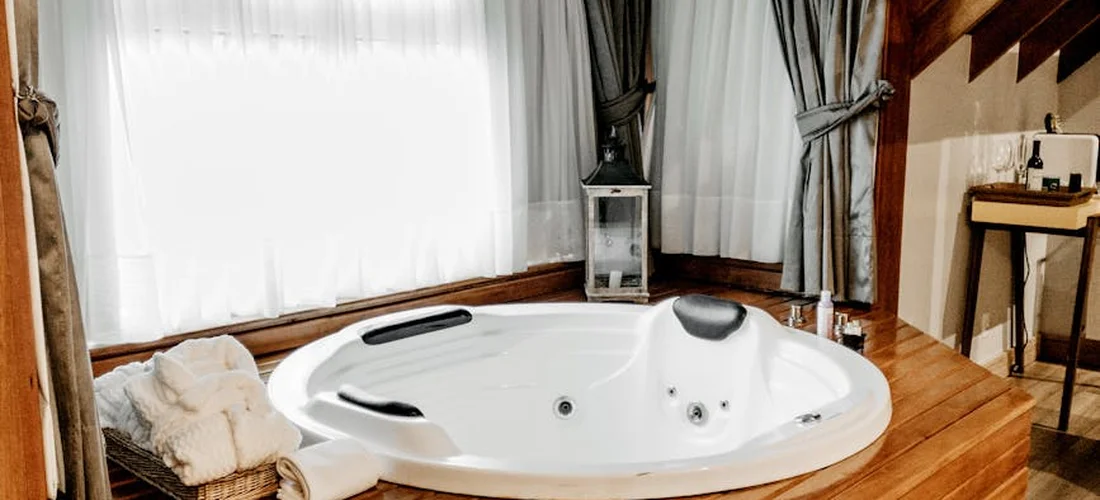
Physical barriers are passive; your active vigilance is the final, most critical layer. Clear rules remove guesswork, and true supervision is a dedicated task, not a side activity.
Creating and Posting Your Family’s Hot Tub Rules
Ambiguity leads to accidents. Make your rules simple, visual, and permanent. I suggest a waterproof sign posted right at the steps. Your list should include:
- No diving, jumping, or roughhousing. The spa is for soaking.
- Always walk, never run on the wet deck.
- Feet first entry only, using the steps.
- Adult permission required before any use.
- Limit soak time to 10-15 minutes for children, followed by a cool-down break.
Review these rules together before every single soak until they become as automatic as putting on a seatbelt. Consistency is what builds the safety habit.
The Golden Rule of Poolside Supervision
This is the hill I will die on: “Supervision” means a sober, undistracted adult whose sole focus is the children in the water, within arm’s reach, and not looking at a phone.
I’ve seen too many close calls where a parent “just checked a text.” It takes mere seconds for a slip underwater to become silent and tragic. Assign a designated “Water Watcher” who wears a lanyard or tag for a set, uninterrupted time period before swapping with another adult. The gentle hum of the circulation pump should be a sound you actively listen to, not just background noise. Your eyes on the water are the ultimate safety cover.
Step 6: Prepare for the Unthinkable: Your Emergency Plan
I’ve balanced a lot of water and fixed a lot of jets, but the most important repair kit you’ll ever own isn’t for your tub-it’s the plan in your head. Accidents have a way of happening when you least expect them, like that time I saw a guest slip on a wet patch I’d missed. Your physical barriers are vital, but a clear, practiced emergency response is what truly transforms a panic moment into a managed situation. Think of this not as fearing the worst, but as gifting yourself calm confidence.
Your Safety Station: First Aid and Communication
This isn’t just a box tucked away in the garage. Your safety station is a dedicated, waterproof kit placed within arm’s reach of the tub, visible to all adults. From my years on service calls, I learned that fumbling for supplies wastes precious seconds. That’s part of creating a safe hot tub environment to prevent drowning. With a ready-to-go kit, you’re prepared to respond quickly when every second counts. Here’s exactly what should be in yours:
- A fully stocked, marine-grade first aid kit. Ensure it includes waterproof bandages, sterile gauze, antiseptic wipes, and a compact CPR mask.
- A waterproof, floating case for a cell phone. Pre-program it with emergency contacts and the non-emergency line for your local fire department.
- A powerful, waterproof flashlight with fresh batteries, checked monthly. The hum of the circulation pump won’t help you see a dropped item at night.
- A simple, laminated emergency instruction card. This should list clear steps for submersion, slips, and chemical exposure in large print.
- A sturdy, non-slip reaching pole or shepherd’s crook. This is for pulling someone to the edge, not for heroic leaps into the water.
That laminated card is your cheat sheet; under stress, even familiar knowledge can flee, so keep the steps for aid simple and direct. Test your flashlight’s beam every time you test your water’s alkalinity-make it part of the routine.
Practicing Your Emergency Action Plan
A plan on paper is just a wish. You need to make it muscle memory. Every season, I run through my equipment checks, and I urge you to do the same with your family’s safety drill. It feels silly until the day it doesn’t. Practice this drill at least twice a year.
- Assign Roles: Who calls 911? Who grabs the first aid kit? Who attends to other children? Decide this ahead of time.
- Run the Scenarios: Verbally walk through a slip-and-fall, a potential entrapment scenario, and a child leaning too far over the water. Point to the tools you’d use.
- Practice the Reach: Actually use the shepherd’s crook from the deck to drag a pool noodle (your “victim”) to the steps. Feel the leverage.
- Review Chemical Safety: Point out where your dry acid or baking soda is stored, and rehearse moving any spilled chemicals away from the tub area without spreading them.
The goal of practice isn’t perfection, but to shorten the time between “Oh no” and purposeful action. After your drill, debrief over what felt clumsy and adjust your station or your roles. This turns anxiety into preparedness.
FAQs
Are there secure, child-resistant locks on all access points to the hot tub area?
Yes, beyond a safety fence, ensure all doors, gates, and even cabinet panels leading to the tub have robust locks or alarms. Child-resistant locks on house doors and self-latching gates with high mounts prevent curious kids from bypassing barriers. Regularly test these mechanisms to confirm they engage properly every time. Additionally, implementing child lock controls on your Jacuzzi adds an extra layer of security.
Is there a safety rope or divider to mark the separation between the shallow and deep ends?
While not always standard in hot tubs, a safety rope or floating divider can visually indicate depth changes, aiding supervision. This is especially useful if your spa has seating benches or steps that create varying water levels. It reinforces boundaries and helps children understand where it’s safe to sit or stand. It complements other safety equipment used near hot tubs.
Is the hot tub area well-lit for evening use to prevent trips and falls?
Absolutely. Install waterproof, GFCI-protected lighting around the deck and steps to eliminate shadows and wet spots. Consistent lighting reduces tripping hazards and enhances visibility for supervision. Combine fixed fixtures with a portable waterproof flashlight in your safety station for backups.
Are all chemicals, test kits, and maintenance equipment stored in a locked cabinet out of children’s reach?
Yes, store all spa chemicals, test strips, and tools in a dedicated, locked cabinet placed in a cool, dry area like a garage. Keep chemicals in their original containers and separate categories (e.g., chlorine from acids) to prevent dangerous reactions. This prevents accidental poisoning or exposure. Adhering to chemical storage safety also means properly storing and handling hot tub chemicals. Keep safety data sheets handy and review label instructions before use.
Are there clear, consistently enforced rules posted (e.g., “No diving,” “No running,” “Adult supervision required”)?
Posting waterproof rules near the tub reinforces safety habits. Include essentials like no diving, walking only, and mandatory adult supervision. Consistently review and enforce these rules before each use to make them second nature for everyone, reducing risky behavior. For beginners, a quick guide to safe, effective hot tub use can translate these rules into practical steps. It provides a simple checklist for first-time users to stay safe and get the most from their soak.
The Final Safety Scan
Before any little toes dip in, fire up those jets for a minute-listen for the steady hum and watch the water churn. This last-minute test run isn’t just about warmth; it’s your final guarantee that everything’s working as it should, with no surprises when the kids pile in. Feel the water flow with your hand; if it’s pulling strongly, you’re good to go. I’ve lost count of the times a quick pre-soak check revealed a sluggish pump that, left unnoticed, could have led to uneven heating or poor chemical mix.
All those locks and rules only hold if you make one action non-negotiable. Your golden rule for a perpetually kid-proof zone: the second everyone is out, secure the cover with all its locks and physically walk the steps back to the shed. This single, sixty-second habit removes the opportunity for curious, unsupervised exploration. I treat it like turning off the stove-automatic and absolute.
You’ve done the hard work. The zone is secure, the water is balanced, and your mind can truly rest. So, go ahead-cue the laughter and let the relaxation begin. You’ve earned this soak.
Further Reading & Sources
- What You Can Do to Stay Healthy in Hot Tubs | Healthy Swimming | CDC
- Hot Tub Safety Rules – 4 Safety Tips for You and Your Guests
- The must-know rules of hot tub safety
- Is Your Hot Tub Safe? 8 Tips You Need To Know Before Taking A Dip
- Hot Tub Safety – Pool & Hot Tub Alliance
- Hot Tub Safety 101 | Great Bay Spa and Sauna
Charlie is a hot tub enthusiast with a passion for keeping your jets running smooth and your bubbles bursting with joy. With years of experience in hot tub and jacuzzi maintenance, Charlie knows that a happy tub means a happy you. Whether it’s dealing with stubborn filters or giving your spa a little TLC, Charlie’s here to share expert tips, tricks, and plenty of laughs to help you keep your bubbly retreat in tip-top shape. So, kick back, relax, and let Charlie handle the rest — because no one likes a cranky jacuzzi!
Safety Tips