
Is Your Electrical Panel Hot Tub Ready? The 3-Step Safety Check Every Owner Must Do
If your lights flicker when the refrigerator cycles on or your breaker box feels warm near the main lugs, your home’s electrical system is shouting a warning. Plugging a power-hungry hot tub into an overloaded or aging panel is a direct path to tripped breakers, fried pumps, and a severe fire risk-this is not a DIY step you can skip.
What You Need:
- A non-contact voltage tester
- A bright flashlight
- Flat-head and Phillips screwdrivers
- 20 minutes of focused time
I’ll show you how to safely audit your panel’s capacity and spot the red flags that mean an upgrade is mandatory, all without writing a check to an electrician.
Understand Your Hot Tub’s Electrical Appetite
Every hot tub has a specific electrical appetite, and trying to feed it from a standard household outlet is a recipe for trouble. I’ve seen melted plugs and tripped breakers from folks who tried to skip this step. Getting the power right isn’t just about function; it’s the bedrock of safety and longevity for your spa. Before installation, make sure you understand the electrical and placement requirements for installing a hot tub.
Core Power Requirements You Can’t Ignore
Think of your spa’s electrical needs as its life support system. Two components are absolutely non-negotiable, and I never wire a tub without them.
The Non-Negotiable 240-Volt Dedicated Circuit
Plug-in 110v “spa pack” units exist, but most full-size tubs demand a 240-volt circuit. This isn’t a suggestion. A dedicated circuit means the wires running from your panel to the spa are used for nothing else-no sharing with patio lights or the garage fridge. Sharing a circuit will cause constant breaker trips and can overheat your wiring, creating a serious fire hazard behind your walls. The installation manual for your specific model will state this voltage requirement clearly; it’s your first piece of required reading. For a quick comparison of 110v vs 220v hot tub electrical requirements, a brief explainer will follow.
GFCI Protection: Your Silent Safety Guardian
The Ground Fault Circuit Interrupter (GFCI) is your family’s silent protector. It’s a special breaker in your panel that detects minute changes in current flow, like electricity starting to leak into water. If it senses trouble, it cuts power in a fraction of a second. By electrical code and common sense, your hot tub’s circuit must be protected by a GFCI breaker; a standard breaker simply won’t provide this life-saving protection. You test it monthly with the “TEST” button-listening for that audible click and ensuring the power cuts is a five-second ritual I perform on every service call. Questioning whether hot tubs need GFCI protection? Our electrical safety explained guide covers why a GFCI breaker is essential for hot tub circuits.
Decoding Amperage Ratings and Breaker Size
Voltage is the “pressure,” but amperage (amps) is the “volume” of electricity your tub consumes. You must match the breaker size to your spa’s exact need. A typical hot tub might require a 50-amp or 60-amp breaker.
- Find the Spec: Locate the data plate on your spa’s equipment pack. It will list the maximum amperage draw.
- Size the Breaker: The breaker in your panel must match or exceed this number. A 50-amp spa needs a 50-amp GFCI breaker.
- Size the Wire: The wire gauge (like 6-gauge copper) running to the spa is determined by the breaker size and distance. This is where a licensed electrician is worth every penny-they know the code rules for wire sizing to prevent dangerous voltage drop and overheating. For a clear, step-by-step method, our size wire needed hot tub complete guide walks you through calculating wire gauge by distance and load. This guide is the next step in ensuring a safe, code-compliant install.
Undersizing the breaker will cause nuisance trips, while oversizing it could allow wires to overheat without shutting off, so matching the manufacturer’s specification is critical.
Take Stock of Your Home’s Electrical Panel
Before you can feed your spa, you need to know if your home’s electrical “kitchen” has space and capacity to cook up more power. Opening the panel door is your first DIY diagnostic step.
How to Read Your Panel Label and Assess Capacity
Your main electrical panel has a label, usually on the inside door, that states your home’s total service amperage (like 100, 150, or 200 amps). This is your total budget. Look for open breaker slots-blank spaces where a new GFCI breaker can be installed-as this is the simplest path forward. If all slots are full, an electrician might need to install a sub-panel or use tandem breakers to make room, which is a common upgrade in older homes.
Performing a Simple Load Calculation
Just having an open slot doesn’t guarantee your panel can handle the extra load. You need a rough calculation. Add up the major continuous loads: central air conditioning, electric heat, electric vehicle charger, and electric dryer. Your hot tub (at 50 amps) is a major addition.
- Many local codes use a simplified “load calculation sheet” that electricians follow.
- As a rule of thumb, a 200-amp service usually has capacity for a spa; a 100-amp service often struggles, especially with electric heat or an EV charger.
If your panel is already humming warmly under normal use or breakers trip frequently, your system is likely at or near its limit and requires a professional assessment.
Accounting for Future Upgrades and Household Demand
Think beyond today. Are you planning a kitchen remodel, adding a heat pump, or buying an electric car in the next few years? Each of these is a significant electrical load. Installing a hot tub on a maxed-out panel might force you into a costly service upgrade sooner than later, so it’s smarter to evaluate your total future electrical appetite now. I’ve helped homeowners who had to choose between their spa and a new car charger because they didn’t plan ahead-a little foresight during the spa install can save thousands later.
Plan the Physical Electrical Upgrades
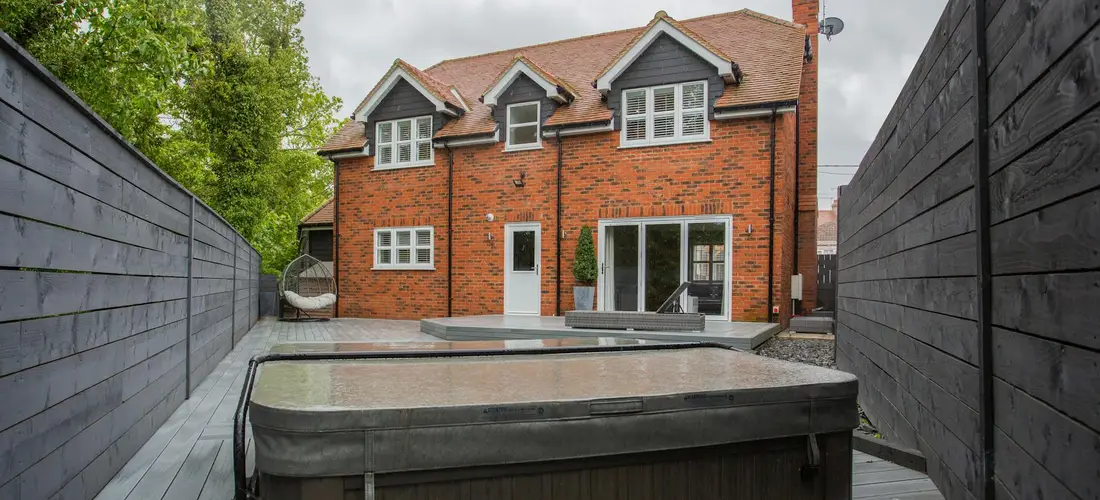
Now we get our hands dirty. This is where your plan meets reality, running copper from your breaker box to the slab where your spa will sit. I’ve wired a few of these myself, and the peace of mind from doing it right the first time is worth every ounce of effort.
Selecting the Correct Wire Gauge (AWG) and Conduit
The wire is the artery of your spa’s power. Too small, and it overheats, creating a major fire hazard. Your spa’s manual will dictate the exact amperage, which tells you the wire size. For a common 50-amp, 240-volt spa, you’re typically looking at 6 AWG copper wire. Never use aluminum wire for a hot tub hookup; the connection points can corrode and fail over time, leading to dangerous heat buildup. It’s crucial to understand how many amps your hot tub uses before selecting the wire size.
Distance is your other critical factor. If your electrical panel is more than 50 feet from the spa, you may need to upsize to 4 AWG to account for voltage drop. That low, steady hum of your circulation pump depends on stable voltage.
From Panel to Post: Sizing Conduit for Protection
Conduit is the rigid or flexible pipe that protects your wires from physical damage and moisture. Schedule 40 or 80 PVC is standard for buried runs. Here’s the pro move: don’t just fit the wires in snugly. The NEC requires conduit to have a certain percentage of free space. For three 6 AWG wires (two hots, one ground), a ¾-inch conduit is the absolute minimum, but I always step up to 1-inch. The extra space makes pulling the wires infinitely easier and allows for future upgrades or repairs without digging up your entire yard.
For the final above-ground flexible connection to the spa (the “whip”), you’ll use a liquid-tight flexible conduit. Match its diameter to your wire size and ensure the fittings are tight to keep water out.
Installing the Outdoor Disconnect and Weatherproof Enclosure
This is non-negotiable. You must have a disconnect switch within sight of the hot tub, no more than 5 feet away. It’s your emergency shutdown. When you’re finished, properly turn off the hot tub by switching the power at the disconnect. This guarantees a full, safe shutdown. This enclosure houses a GFCI (Ground Fault Circuit Interrupter) breaker for the spa. While your main panel has a breaker, this outdoor GFCI is your spa’s dedicated lifesaver, designed to trip in a fraction of a second if it senses current leaking into the water.
Mount this enclosure on a post or wall, ensuring it’s level and secure. Use a rain-tight enclosure rated for outdoor use. I always drill a small weep hole in the bottom to let any condensation escape, preventing corrosion on the terminals.
Bonding and Grounding: Completing the Safety Circuit
Grounding and bonding are often confused. Grounding sends stray fault current *safely into the earth* via a grounding rod. Bonding *ties all metal components together* so they are at the same electrical potential. This prevents you from becoming the path for current if there’s a fault.
Your spa shell will have a bonding lug. You must connect this, along with any metal within 5 feet of the tub (handrails, the outdoor disconnect box, even metal parts of the gazebo), with a solid 8 AWG or larger copper bonding wire. This creates a network where no single piece can become energized.
Connecting to the Grounding Electrode System
The grounding wire (usually the bare copper in your cable) connects back to the grounding bus bar in your main electrical panel. This panel is itself connected to your home’s grounding electrode system, which is typically metal water pipes and grounding rods driven deep into the soil. Your electrician will ensure this final, critical link to earth is solid. Never attach a separate ground rod just for the hot tub; it must be tied to the home’s single, unified system to prevent dangerous voltage gradients. This is part of the overall hot tub electrical safety and bonding procedures.
Navigate Codes, Permits, and HOA Guidelines
Ignoring this step can lead to failed inspections, fines, or being forced to rip out all your hard work. I learned this lesson early when a simple patio project got held up for weeks over a permit oversight.
National Electrical Code (NEC) Standards for Outdoor Electrical
The NEC, specifically Article 680 for Pools, Spas, and Hot Tubs, is your bible. It dictates everything we’ve discussed: wire size, conduit burial depth (usually 18 inches), GFCI requirements, bonding specs, and disconnect location. Your local inspector will use the NEC as their checklist, so familiarizing yourself with Article 680 shows you’re serious about a safe, professional installation. Key points they’ll eyeball: the proper burial depth for your conduit and correct bonding wire connections on all metal components.
Securing Local Electrical Permits and Approval
Call your local building department before you buy a single foot of wire. They will tell you the permit cost, required forms, and any local amendments to the NEC. The permit process isn’t a hurdle; it’s a quality assurance check. An inspector will come out after the conduit is buried (before wire is pulled) and again at final completion.
- Schedule the “rough-in” inspection after conduit and boxes are set.
- Schedule the “final” inspection after everything is wired, connected, and tested.
- Have your spa manual and a copy of the breaker you installed ready for the inspector.
Also, dig out your Homeowner’s Association covenants. Many HOAs have rules about equipment placement, fencing, and even the approval process for installing large items like a hot tub, so a quick review now can save a massive headache later. Submit your plans to them if required, right alongside your permit application.
Decide Between DIY and Hiring a Licensed Electrician

This is the fork in the road where many owners, eager to save money, make a costly mistake. I’ve seen the aftermath of DIY electrical jobs on hot tubs, and it’s rarely pretty. While you can absolutely handle the site prep and conduit runs, connecting high-voltage power to the tub’s control system is a hard line you should not cross. The risk of electrocution, fire, or frying a $2,000 circuit board is simply too high.
Safety Precautions and When to Absolutely Call a Pro
Your main job is safety preparation. Before any pro arrives, ensure your work area is completely dry and clear of debris. Turn off the main breaker to the entire house to eliminate any chance of live wires being exposed. Treat every wire as if it’s live until you’ve personally verified with a multimeter that it’s dead-this habit saved my bacon more than once in my technician days.
You must hire a licensed electrician if:
- Your main service panel is already at or near capacity.
- The installation requires a new sub-panel or upgrading your home’s service from 100 to 200 amps.
- The run from the panel to the tub site is over 50 feet, requiring precise voltage drop calculations.
- You are uncomfortable reading wiring diagrams or identifying correct wire gauges.
- Your local permitting office requires a licensed professional’s signature on the inspection card.
What a Professional Inspection and Installation Should Include
A proper electrician won’t just hook up wires and leave. A quality installation is a full-system service. They should:
- Inspect your main panel for corrosion, loose connections, or signs of overheating.
- Calculate the total electrical load of your home to ensure the new hot tub circuit won’t trip your main breaker.
- Install a dedicated GFCI (Ground Fault Circuit Interrupter) breaker of the correct amperage-usually 50 or 60 amps-for your specific tub model.
- Run the correct type and gauge of wire (typically 6 AWG copper in conduit) from the panel to an outdoor-rated disconnect box within sight of the tub, but at least 5 feet away.
- Connect the conduit to the hot tub’s control pack, sealing all connections against moisture.
- Verify correct voltage at the terminal block and ensure all pumps and heaters activate properly.
- Provide you with the completed electrical permit for your records.
A thorough pro will walk you through the disconnect box operation, showing you how to safely cut power for future maintenance, which is a gift for any DIY-minded owner.
Execute Final Checks Before Your Tub Arrives
The electrician has left, the conduit is neatly mounted, and you’re almost ready. Now comes the critical final verification. Don’t skip this step, assuming the pro did everything perfectly. A double-check is your best insurance policy against delivery-day delays.
Verifying the Circuit with a Multimeter Test
With the new GFCI breaker switched OFF, it’s time for a functional test. You’ll need a basic digital multimeter. Set it to measure AC voltage (V~) on a scale higher than 240V. First, test the multimeter on a known live outlet to confirm it works. Now, at the hot tub’s planned location, carefully measure between the hot terminals in the disconnect box. You should read 0 volts. Turning the GFCI breaker ON should now give you a reading between 220-240 volts; any significant deviation means a problem exists that needs the electrician’s immediate return. Finally, press the “TEST” button on the GFCI breaker. It should trip with a audible click, cutting all power and confirming the life-saving device works. Proper testing of your GFCI breaker is crucial for safety.
Labeling Your Panel for Clarity and Future Service
Open your main panel. Find the new breaker. Is it clearly labeled? “Hot Tub” or “Spa” is good, but I prefer more detail. I label mine with permanent marker as “BACKYARD SPA – 60A GFCI.” A precise label isn’t just for you; it’s for any future homeowner, electrician, or first responder who needs to quickly isolate power in an emergency. Take a moment to ensure all other breakers are legibly labeled too. This five-minute task of panel hygiene prevents immense frustration later when you’re troubleshooting a mystery outage or preparing for a filter change and need to kill the right circuit.
FAQs
What are the basic electrical panel requirements for installing a hot tub?
Your electrical panel must have a dedicated 240-volt circuit with a GFCI breaker that matches your spa’s amperage, typically 50 or 60 amps. It requires sufficient capacity, often a 200-amp service, and open breaker slots for the new circuit. Always verify compliance with local codes and have a licensed electrician assess for safety.
How do I properly install the electrical panel post for a hot tub?
Install a weatherproof outdoor disconnect post within sight of the tub, no more than 5 feet away. Mount it securely on a sturdy post or wall, ensuring it’s level and uses conduit for wire protection. Key steps include:
- Using a rain-tight enclosure rated for outdoor use.
- Running correct gauge wires from the main panel.
- Hiring an electrician to connect the GFCI breaker and test the system.
Where can I find a wiring diagram for my hot tub’s electrical panel?
Wiring diagrams are usually in your hot tub’s installation manual or available on the manufacturer’s website. They detail connections from the disconnect post to the spa’s control pack. If unsure, a licensed electrician can provide or interpret the diagram to ensure proper, code-compliant wiring for your specific model.
When should I replace my home’s electrical panel for a hot tub?
Consider replacement if your panel has 100-amp service or less, shows corrosion, frequent breaker trips, or no open slots. Upgrading to a 200-amp panel prevents overloads and supports safe hot tub operation. A professional evaluation is essential to determine if replacement is needed before installation.
What size should the electrical panel post be for my hot tub?
The post size depends on the enclosure and local codes. Typically, use a 4×4 wooden or metal post to support a weatherproof enclosure housing the GFCI breaker. Ensure the enclosure is large enough for wire connections-common sizes are 12×12 inches-and that conduit is appropriately sized, like 1-inch, for easy wire pulling and future maintenance.
The Final Connection
Before you light the tiki torches and grab your towel, there’s one last critical task. With the power safely restored, turn on your hot tub and run the jets for a full cycle. You must physically feel the water heating up and verify every jet, light, and control functions perfectly; this final operational check is your absolute best defense against a faulty connection revealing itself only when you’re in the water. Listen for the confident hum of the circulation pump and watch for any signs of a tripped breaker-this is your safety assurance moment.
Your new maintenance ritual starts at the panel. Once a month, open that panel door and run your eyes (and a flashlight) over the hot tub’s breaker and the surrounding terminals, looking for any signs of discoloration, corrosion, or a faint hum that wasn’t there before; this five-minute visual inspection catches 95% of developing electrical issues before they ever ruin a soak. I’ve seen a single loose lug connection, over months, slowly heat up and melt a breaker, all because no one ever looked. A proactive glance is free; an emergency service call is not. That same vigilance translates to hot tub electrical troubleshooting—common problems and practical solutions. The next steps will include a concise guide with quick, safe fixes.
You’ve done the hard part. The wires are run, the connections are tight, and the system is safe. Now, go adjust those jets, set the temperature, and finally step in. You’ve earned it. Kick back, relax, and enjoy the soak-you wired this victory yourself.
Further Reading & Sources
- The Complete Guide to Hot Tub and Spa Wiring Safety
- Hot Tub Safety Features – Spa Safety Tips | Marquis
- Hot Tub Safety Tips for your Home and your Family
- Hot Tub Setup: Electrical Requirements Simplified | Pates Pool & Spa
- What You Can Do to Stay Healthy in Hot Tubs | Healthy Swimming | CDC
- Learn Electrical Safety Tips for Maintaining Your Hot Tub
Charlie is a hot tub enthusiast with a passion for keeping your jets running smooth and your bubbles bursting with joy. With years of experience in hot tub and jacuzzi maintenance, Charlie knows that a happy tub means a happy you. Whether it’s dealing with stubborn filters or giving your spa a little TLC, Charlie’s here to share expert tips, tricks, and plenty of laughs to help you keep your bubbly retreat in tip-top shape. So, kick back, relax, and let Charlie handle the rest — because no one likes a cranky jacuzzi!
Outdoor Setup