
Stop Summer Hot Tub Chaos: Master Water Chemistry in Scorching Heat
Published on: February 25, 2026 | Last Updated: February 25, 2026
Written By: Charlie Bubbles
If your water is cloudy, smells like a strong chemical sting, or feels irritating on your skin, the brutal summer sun is frying your careful balance. The diagnosis is clear: extreme heat is rapidly consuming your sanitizer and sending pH levels on a rollercoaster. This is a nuisance that becomes costly fast, leading to damaged equipment and unsafe water if left unchecked.
What You Need:
- Fresh test strips or a liquid test kit
- pH decreaser (dry acid)
- Chlorine shock (non-chlorine or dichlor)
- A clean plastic bucket
- 15 focused minutes
I’ll show you exactly how to wrestle control back from the heat and fix this yourself, saving you a pricey service call.
Why Summer Heat Wrecks Your Water Balance
Summer doesn’t just heat your water; it aggressively attacks your chemical balance. The relentless sun and soaring temperatures accelerate every process in your tub, turning a stable environment into a daily chemistry project. Think of your spa like a slow-cooking pot left on high-everything evaporates faster, breaks down quicker, and unwelcome guests multiply at an alarming rate.
The Evaporation Effect on Chemical Concentration
As pure water molecules escape into the air, they leave everything else behind. This concentrates your Total Dissolved Solids (TDS)-calcium, magnesium, leftover chemicals, and bather gunk. High TDS makes your sanitizer sluggish, clouds the water, and can irritate your skin, turning your relaxing soak into a prickly experience. To see how much you’re losing, try the bucket test: place a bucket of pool water on the step and mark the water level inside and outside the bucket. Compare after 24 hours. The difference outside the bucket is pure evaporation loss.
UV Rays and Sanitizer Burn-Off
Sunlight is a sanitizer killer. Ultraviolet rays break apart chlorine or bromine molecules before they can do their job, a process called photodegradation. I’ve seen chlorine levels drop to zero in just a few hours of direct Texas sun. For chlorine users, cyanuric acid (CYA) is your sunscreen, shielding chlorine from UV rays; aim for a tight 30-50 ppm range. Too little CYA and your chlorine burns off; too much and it becomes lethargic and ineffective.
Warmer Water Welcomes Algae and Bacteria
Your ideal 102°F (39°C) tub is also the ideal breeding ground for microbes, which thrive in temperatures from 68°F to 104°F. Algae spores bloom, and biofilm can coat your plumbing in a slimy layer. This biological party means your sanitizer is working overtime just to keep pace, making daily testing an absolute must, not a weekly suggestion. Neglect it for a day in peak heat, and you might be facing a green, soupy mess.
| Chemical Task | Winter Frequency | Summer Frequency |
|---|---|---|
| Sanitizer Testing/Addition | Every 2-3 days | Daily, sometimes 2x/day |
| pH & Alkalinity Adjustment | Weekly | 2-3 times per week |
| Oxidizing Shock | Weekly | Weekly, plus after heavy use |
| Partial Water Drain/Refill | Every 3-4 months | Every 2-3 months (due to high TDS) |
The Core Adjustments for Summer Spa Maintenance
To fight back, you need a ruthless, simple routine. Follow this order every time: balance the foundation, then kill the germs. Getting this sequence wrong is like painting a house before sanding the walls-the result won’t last and you’ll waste product. Here is your weekly summer battle plan.
- Test Total Alkalinity (TA) and pH.
- Adjust Total Alkalinity to target range.
- Adjust pH to target range.
- Test and adjust Sanitizer level.
- Add an Oxidizing Shock.
Step 1: Tame Total Alkalinity First
Total Alkalinity is your pH’s anchor, preventing wild swings. In summer, aim for 80-120 ppm. That’s why total alkalinity matters in a hot tub—it keeps pH stable and minimizes drift. A proper TA level also helps protect equipment and skin by making sanitizers more effective. To raise TA by about 10 ppm in a 400-gallon tub, dissolve 1 tablespoon of sodium bicarbonate (plain baking soda) in a bucket of spa water and pour it around the perimeter with the jets on. To lower it, use a tiny amount of dry acid (sodium bisulfate), following package directions meticulously-it’s potent stuff.
Step 2: Dial in the pH Perfectly
With a stable TA, pH is easier to control. Summer demands a tighter range of 7.4-7.6. Low pH in hot water feels stingy on the eyes and corrodes metal components. High pH encourages scale to cement itself on your heater and makes your water look perpetually milky. Use pH increaser (sodium carbonate) or decreaser (dry acid) in small doses, retesting after 30 minutes of circulation.
Step 3: Guard Sanitizer Levels Relentlessly
Your sanitizer is the front-line soldier. In summer heat, keep chlorine between 3-5 ppm or bromine between 4-6 ppm. Test strips are your best friend here-I keep mine in a sealed container by the back door for quick morning and evening checks during a heat wave. That evening test is critical; it ensures you go into the night with enough firepower to fight bacteria until morning.
Step 4: Shock More Frequently
Shocking is oxidation, not just sanitizing. It burns off the organic waste from sweat, oils, and sunscreen that your daily sanitizer leaves behind. Use a non-chlorine shock (MPS) weekly to keep the water crisp, and plan a chlorine shock every other week for a deeper cleanse. Always shock after sunset or in the early evening; shocking in direct sun is like pouring money onto your patio as the UV rays instantly attack the oxidizing power.
Troubleshooting Summer-Specific Water Problems

When the mercury climbs, your water balance can go haywire faster than a pump with a clogged impeller. Use this table as your first line of defense to spot, diagnose, and fix summer’s most common headaches before your soak is spoiled.
| Problem | Likely Cause | Immediate Action |
|---|---|---|
| Cloudy, Milky Water | Fine debris bypassing the filter; sanitizer overwhelmed. | Add a clarifier, then deep-clean your filter. |
| Persistent White Foam | Phosphates from lotions, oils, and sweat. | Apply a phosphate remover and toss in a scum sponge. |
| Chalky Scale on Waterline | Evaporation concentrating calcium and raising pH. | Treat with scale inhibitor, mechanically remove deposits. |
| Chlorine Vanishes by Noon | UV sunlight and increased bather load burning it off. | Shock after each use and consider a cyanuric acid stabilizer. |
| pH Constantly Drifts Upward | Carbon dioxide off-gassing accelerates in the heat. | Add small, measured doses of pH decreaser. |
Cloudy Water Despite “Good” Numbers
You stare at a perfect test strip, but the water has the clarity of frosted glass. This is almost always caused by ultrafine particles-think sunscreen and pollen-that slip right through your filter. My go-to fix is a polymer-based clarifier; it acts like a microscopic net, clumping particles together so your filter can actually catch them. After adding clarifier, immediately clean your filter with a surfactant-based cleaner to dissolve the oils gluing gunk to the pleats. Check your filter’s micron rating; for summer, a 15-25 micron filter is your best defense against that haze.
Persistent Foam and Scum Line
That bathtub ring and fluffy foam aren’t just nuisances-they’re a banquet for bacteria, fed by phosphates in personal care products. A quality phosphate remover is a summer must-have, as it literally starves the foam at its source. Hot tubs, with warmer water and frequent spa products, are especially prone to phosphate buildup, so removing phosphates is key there too. For daily control, float a scum sponge to absorb oils before they break down. I learned this the hard way: enforcing a quick, rinse-only shower before soaking cuts down on foam and scum more than any chemical.
Scale Buildup on the Waterline
As water evaporates in the heat, it leaves behind a concrete-like crust of calcium carbonate. This scaling is a direct symptom of imbalanced water, where high pH and alkalinity let calcium hardness (aim for 150-250 ppm) fall out of solution. Understanding the causes of hot tub scale helps you prevent and remove it. Balancing pH, alkalinity, and calcium hardness targets the root causes. A liquid scale inhibitor added weekly helps keep minerals dissolved. For the existing white ring, a damp magic eraser melamine sponge wipes it away without abrasive scratching-just don’t use it on acrylic soft-shells.
Using Tools and Tech for Smarter Chemistry
Dumping in chemicals based on a hunch is a great way to waste money and corrode your heater. Precision tools, from simple strips to smart monitors, take the guesswork out and put control back in your hands. Let’s break down how each one can make your summer maintenance simpler and cheaper.
Getting the Most from Test Strips and Kits
Even basic test strips need respect to give you honest answers. I keep mine accurate with a strict routine.
- Always dip the strip in a calm area, away from the direct blast of a jet.
- Read the colors at the exact second listed on the bottle-not a moment later.
- Store the bottle in a cool, dry place like a kitchen cabinet, never in the humid tub cabinet.
These habits are essential parts of maintaining proper hot tub water chemistry for beginners. A quick guide can walk you through balanced pH, alkalinity, and sanitizer levels.
Old strips degrade and lie; if your bottle spent last winter in the garage, it’s time for a fresh one.
Leveraging a Hot Tub Chemistry Calculator
These free online tools are a game-changer for avoiding chemical overcorrection. You simply input your tub’s exact gallonage and your current test numbers. The calculator then tells you the precise ounce or gram amount of chemical to add, eliminating costly and damaging guesswork. Baking soda (sodium bicarbonate) is a common, beginner-friendly option for adjusting hot tub alkalinity. With these calculators, you can dial in the exact amount needed to balance your water. For example, if your 350-gallon tub needs a 20 ppm alkalinity boost, the calculator will specify exactly 2.8 ounces of sodium bicarbonate to do the job-no more, no less.
Considering a Water Chemistry Monitor
For those who want constant data, digital monitors offer a high-tech solution. In-line models provide real-time readings on an app, while handheld digital testers give you lab-grade accuracy from a water sample. The trade-off is cost and the need for regular calibration with reference solutions. For the tech-savvy owner, the peace of mind and prevented problems can be worth the investment over a scorching season.
Supplementary Strategies for Extreme Conditions
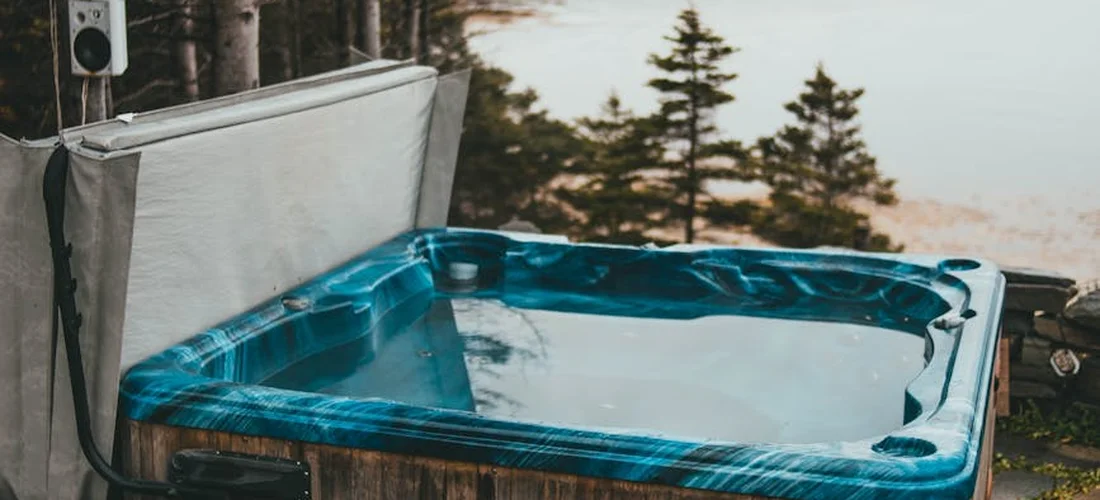
When the mercury climbs and the sun feels like a furnace, standard water care just won’t cut it. In brutal climates, I lean on physical barriers and alternative sanitizing systems to take the pressure off my chlorine or bromine, preventing that midday chemical fade and saving money. Think of it as building a fortress against the heat, not just fighting a daily battle.
Maximizing Your Cover as a Heat Shield
That vinyl cover isn’t just for leaves; it’s your first line of defense. I learned this the hard way in Arizona when a client’s spa water hit 106°F and the chlorine evaporated faster than I could pour it. Always lock your cover down securely during peak daylight hours to create a sealed, insulated environment that drastically slows evaporation and heat gain.
For an extra layer, consider these upgrades:
- Reflective Covers: A light-colored or silver-top cover bounces solar radiation away. I’ve measured a 5°F difference compared to a dark cover on the same summer day.
- Insulated Thermal Blankets: Floating a foam blanket directly on the water’s surface beneath the main cover is my go-to hack. It cuts heat transfer and evaporation by up to 50%, making your heater and chemicals work less.
The hum of the circulation pump works harder in the heat, but a proper cover strategy keeps that water from feeling like a simmering pot.
Exploring Mineral Sanitizers and Ozone
Relying solely on chlorine in a heatwave is like trying to fill a leaky bucket. Integrating a mineral sanitizer cartridge or an ozone generator can slash your primary sanitizer use by half, giving you a crucial buffer when the sun is trying to burn it off. I install these on my own tubs and for clients in extreme climates.
- Silver/Copper Mineral Cartridges: These slow-release cartridges, like those from Nature2, continuously emit ions that inhibit bacteria and algae. They typically last four months and let you maintain a lower chlorine level around 1-2 ppm instead of 3-5 ppm.
- Ozone Generators (CD or UV): A small ozone unit plumbed into your system acts as a powerful oxidizer, breaking down contaminants 24/7. An ozone system doesn’t replace sanitizer, but it means you’ll add chlorine far less often, and your water will have that crisp, clean feel without the heavy chemical sting.
Both systems are a upfront investment that pays off in reduced chemical costs and more stable water when it’s hot.
Adjusting Filtration Cycles for Cooling
Your filtration schedule is a secret weapon for temperature control. Most tubs are set to filter during the day, but that pulls in warm air. Reprogram your cycles to run during the cooler night or early morning hours; this simple change can lower your water temperature by several degrees and improve chemical mixing.
Here’s how I set mine up for a Texas summer:
- Access your control panel’s filtration timer settings (consult your manual).
- Set at least two cycles totaling 6-8 hours daily, but schedule them to start after sunset and end before noon.
- Ensure one cycle runs in the pre-dawn hours when air temps are lowest for maximum cooling effect.
The clarity of the water improves because chemicals are distributed evenly in the cooler, calmer night air, and your pump doesn’t have to fight the afternoon heat.
FAQs
Where can I find reliable forums to discuss hot tub chemistry with other enthusiasts?
Online forums like PoolSpaForum.com or TroubleFreePool.com are popular communities where hot tub owners share tips and troubleshoot issues. These platforms offer real-world advice on managing extreme summer heat, from sanitizer burn-off to evaporation control. They also emphasize prevention to help you avoid the most common hot tub problems. Always verify suggestions with your tub’s manual or a professional to ensure safe, effective care.
How do I use a hot tub chemistry adjustment calculator effectively in summer?
Input your tub’s exact gallonage and current test strip readings for pH, alkalinity, and sanitizer into a reputable online calculator. It will provide precise chemical doses, minimizing waste and overcorrection in high heat. Retest after 30 minutes of circulation, as summer temperatures can affect hot tub chemicals, requiring fine-tuning.
What should I look for in reviews of hot tub chemistry monitors?
Focus on reviews that highlight accuracy in outdoor conditions, ease of calibration, and durability during heatwaves. Prioritize monitors with real-time app alerts for sanitizer and pH levels, which are crucial for summer maintenance. Avoid models with reported sensor drift in hot weather, and consider brands offering reliable customer support for troubleshooting.
Is there a specific formula for balancing chemistry during an initial hot tub fill in summer?
After filling, test and adjust total alkalinity to 80-120 ppm using sodium bicarbonate, then set pH to 7.4-7.6 with increaser or decreaser. Add a startup sanitizer dose-typically 1-2 ppm chlorine or 4-6 ppm bromine-based on volume, and shock immediately to oxidize contaminants. Due to summer heat, test daily and stabilize with cyanuric acid if using chlorine.
What is the basic chemical equation for sanitizer breakdown in sunlight?
Ultraviolet rays cause photodegradation, where chlorine breaks down into chloride ions and oxygen. A simplified equation is: 2HOCl + UV light → 2HCl + O₂. This rapid breakdown in summer necessitates stabilizers like cyanuric acid and frequent testing. Weather, including heat and sun, can change sanitizer needs and pH. Understanding this process underscores why shading your tub and using covers are essential in extreme heat.
The Hot Tub Heat Lockdown
Before you slide into that perfect soak, do one last field check. Run the jets for 60 seconds to mix the water, then test with your strips or kit.
- Wait 30 seconds for the test results to develop fully.
- Do a visual scan for any stray debris that may have blown in.
- Test the water temperature with your hand-make sure it’s comfortable.
This final once-over ensures your hard work pays off in safe, blissful relaxation. It only takes a minute but confirms your chemistry is locked in and ready for you.
Your number-one defense against summer’s chemical chaos isn’t a miracle product; it’s a consistent, simple habit. During a heatwave, sanitizer gets consumed at double its normal rate, and pH will creep up without warning.
The Golden Rule: Check your pH and sanitizer levels every other day when temperatures soar above 90°F. This single act of vigilance stops problems before they start, saving you from costly chemical corrections and a murky tub.
You’ve battled the sun, the sweat, and the science. You’ve won. Now, go enjoy the reward of cool water on a hot night-you’ve earned it.
Further Reading & Sources
- Understanding Spa and Hot Tub Water Chemistry
- Water Chemistry Step-by-Step guide
- In-Depth Hot Tub Water Chemistry
- Hot Tub Water Chemistry 101
- Spa & Hot Tub Chemistry 101 from our Hot Tub Store
- Hot Tub Chemistry 101: What, When, and How to Add Chemicals
Charlie is a hot tub enthusiast with a passion for keeping your jets running smooth and your bubbles bursting with joy. With years of experience in hot tub and jacuzzi maintenance, Charlie knows that a happy tub means a happy you. Whether it’s dealing with stubborn filters or giving your spa a little TLC, Charlie’s here to share expert tips, tricks, and plenty of laughs to help you keep your bubbly retreat in tip-top shape. So, kick back, relax, and let Charlie handle the rest — because no one likes a cranky jacuzzi!
Water Chemistry