
Outdoor Jacuzzi Costs: How to Fix Your Budget Confusion in 3 Practical Steps
Published on: December 16, 2025 | Last Updated: December 16, 2025
Written By: Charlie Bubbles
If you’re looking at prices online and the spread from $5,000 to $20,000 makes your head spin, you’ve hit the classic planning paralysis. Unclear pricing is a financial nuisance that leads to overspending or hesitation, but unlike an electrical fault, it won’t trip your breaker-just your budget.
What You Need:
- Your backyard’s approximate square footage
- A calculator or smartphone app
- 15 minutes with a cup of coffee
- A notepad to jot down line items
From my years of installing and repairing spas, I’ll give you the real numbers and trade-offs so you can build a solid budget yourself, without a sales visit.
The Full Price Breakdown: From Tub to Troubleshooting
Total Investment Snapshot
- Total Cost Range: A complete, installed hot tub typically runs between $3,000 and $25,000+. The low end gets you a basic plug-and-play model, while the high end is for luxury, integrated spas.
- Budget Inflatable vs. Premium Acrylic: That $600 inflatable from a big-box store and a $15,000 acrylic spa from a dealer are worlds apart in durability, jet power, and how much they’ll cost you each month in electricity.
- The Sticker Price is a Mirage: The number on the price tag is just your entry fee. Ignoring installation and the hum of ongoing costs is the fastest way to blow your budget after the delivery truck leaves.
Beyond the Sticker Price: The Lifetime Cost
Buying a hot tub is like buying a car. You have the showroom price, the destination charge, and then a lifetime of gas and oil changes. Your spa’s lifetime cost rests on three pillars. So, are hot tub running costs expensive to run and maintain? We’ll break down energy use, upkeep, and replacement costs.
- Pillar 1: Purchase Price. This is the tub itself.
- Pillar 2: Installation. Delivery, a concrete pad, and a proper 220V electrical hookup by a licensed electrician.
- Pillar 3: Ongoing Care. The weekly chlorine sting, the monthly filter cleaning, and the quarterly shock treatment. Based on my years of balancing water chemistry, this third pillar is where most owners get surprised-skimping here leads to cloudy water and expensive pump repairs.
Buying Your Hot Tub: Price by Type, Size, and Muscle
Types and Their Price Ranges
-
Inflatable Spas: The Plug-and-Play Option
Cost: $300 – $1,500. You’ll find these at Costco or online.
Pros: Ultra-low upfront cost, no permanent install, easy winter storage.
Cons: Terrible insulation triples heating costs, pumps are weak, and the vinyl shell is prone to punctures. I’ve patched many with mixed results.
Typical Owner: A renter or casual user testing the hot tub waters without a major commitment.
-
Portable Acrylic Spas: The Mainstream Favorite
Cost: $4,000 – $12,000. This is the classic hot tub, sold through specialty dealers.
Pros: Durable acrylic shell, efficient full-foam insulation, powerful therapy jets, and dealer support for warranty and setup.
Cons: Requires a dedicated electrical circuit and a solid, level base. As a technician, I’ve seen their circulation pumps last 5-7 years before needing a $400 replacement-factor that into your long-term plan.
-
Swim Spas and Custom Builds: The Premium Tier
Cost: $15,000 – $40,000+. These are large, often partially in-ground units with a current for swimming.
Pros: Combines exercise and relaxation, can be seamlessly integrated into your deck, and offers top-tier features.
Cons: Installation is a construction project requiring excavation and contractors. The energy use is staggering without a premium variable-speed pump.
If you choose this tier, invest in the best insulation package available; your future self will thank you when the electric bill arrives.
How Size and Shape Change Your Budget
More seats mean more water to heat, filter, and chemically treat. Here’s how the numbers shift.
| Size (Seats) | Purchase Price Range | Chemical Use Impact | Monthly Energy Cost Estimate |
|---|---|---|---|
| 2-3 Person (Compact) | $4,000 – $8,000 | Low. Holds ~250 gallons. You’ll use about 1 lb of sanitizer monthly. | $20 – $40 |
| 4-6 Person (Standard) | $6,000 – $12,000 | Moderate. Holds ~400 gallons. Expect 1.5-2 lbs of sanitizer monthly. | $30 – $60 |
| 7+ Person (Large) | $10,000 – $20,000+ | High. Holds 500+ gallons. Can use 3 lbs of sanitizer monthly, and water balancing becomes more critical. | $50 – $100+ |
Jumping from a 4-person to an 8-person tub can easily double your chemical and heating expenses, a reality check I give all my consulting clients. There are a lot of myths about hot tub energy costs. In my guide busting 5 common myths about hot tub energy consumption costs, I explain what actually drives the bill and how to keep it under control.
Features That Add Cost (and Complication)
Every bell and whistle has a price tag and a potential future repair. Choose wisely.
- Jet Power & Multiple Pumps: More jets feel amazing, but each additional pump is another $300-$500 component that can fail. More jets also mean more plumbing connections, which are potential leak points.
- Insulation Quality: A superior full-foam insulation package adds $500-$1,000 upfront but slashes monthly energy costs by 30-50%. In cold climates, this is non-negotiable.
- Advanced Controls & Wi-Fi: Touchscreens and app connectivity add $1,000+ and introduce delicate electronics that dislike moisture and power surges.
- LED Lighting & Water Features: Ambient multi-color lights and waterfalls are beautiful but add complexity. I’ve replaced $250 LED light assemblies that failed due to a slight leak in the seal-a common issue.
- Cabinet Material: A synthetic cabinet might save $500 initially, but a true cedar or composite cabinet withstands weather far better, reducing replacement costs down the line.
Before you get dazzled by features, remember this rule from the repair bay: simplicity breeds reliability. The most frequent service calls are for the fanciest, most feature-laden spas.
Installation Costs: The Site Work They Don’t Always Mention

That shiny new tub has a price tag, but the real surprise for many folks is the foundation and hookups. From my time as a technician, I can tell you that skipping proper site prep is the fastest route to a leaking shell or a heater working overtime. In your new hot tub quickstart guide, we cover the essentials you need in the first day. We’ll walk you through the setup, fill, and initial startup so you can enjoy your backyard retreat. Let’s break down the three key steps that turn a box on a truck into your backyard retreat.
Step 1: Site Preparation and Base Pad
Think of this as building a throne for your spa-it needs to be perfectly level and strong. A wobbly base stresses the acrylic shell and plumbing, leading to cracks and leaks I’ve had to repair all too often. You have a few solid options, each with its own DIY appeal and cost.
- Concrete Slab (4-inch minimum): The gold standard. A professionally poured 4-inch slab costs $1,200 to $3,000. You can DIY if you’re handy with forms and a mixer, cutting material costs to $500-$800, but get the grade perfectly level.
- Reinforced Deck: Must be engineered to hold the wet weight (about 100 lbs per square foot). Building new can run $3,000 to $7,000. Retrofitting an existing deck is often a false economy if the structure isn’t sound-I’ve seen joists sag under the load.
- Compacted Gravel Base: A budget-friendly, DIY-able option. You’ll need a solid 4-6 inches of compacted crusher run or pea gravel over landscape fabric. Material costs are just $200-$500, but the manual labor with a plate compactor is intense.
Step 2: The Electrical Hookup: A Job for a Pro
This is not the place for YouTube tutorials. Messing with spa wiring isn’t just a code violation; it’s a surefire way to create a shocking hazard or fry a $400 circulation pump. You have two paths, and only one is truly plug-and-play.
- 120V Plug-and-Play: These cords plug into a standard outdoor GFCI outlet. Sounds easy, but they often lack the power for the heater and jet pump to run simultaneously, leading to lukewarm soaks.
- 240V Hardwired: The professional standard. Requires a dedicated 50-60 amp circuit run from your main panel by a licensed electrician. This setup delivers full power and is far more energy-efficient, letting the system heat and filter without strain.
- Cost factors add up fast: electrician labor ($65-$120/hr), a new breaker panel slot ($150-$400), trenching for underground conduit ($10-$15 per foot), and local permit fees ($100-$300). Total bills typically land between $1,200 and $2,500.
Step 3: Delivery, Placement, and Final Hookup
The big day arrives! But getting the tub from the curb to your pad isn’t always simple. I always advise homeowners to be on site for delivery to inspect for shipping damage immediately-once signed for, those claims get murky. Here’s what to expect.
- Delivery Fees: Standard curbside delivery is often included. Placement on your prepared base usually costs an extra $200-$500. For tight spaces without a clear path, crane rental can swing from $500 to $1,500.
- Final Mechanical Hookup: Your dealer should connect the plumbing, fill the tub, and perform a system start-up. This is when a good technician will test for leaks, prime the pumps, and give you a quick water chemistry lesson-listen closely!
- Before they leave, check the shell for cracks, ensure the equipment door seals tightly, and verify all jets and controls are functional. A proper start-up sets the stage for easier long-term maintenance.
Your First Year of Care: The Critical Run-In Period
Think of your new tub’s first year like breaking in a pair of boots-it sets the tone for everything that follows. Neglecting this run-in period is the fastest way to turn your investment into a cloudy, problematic money pit. I learned this the hard way when I ignored my own advice on a client’s tub and spent the next month chasing algae instead of enjoying soaks.
The Initial Chemical Start-Up Kit
Filling your tub with plain water is just the beginning; you’re building a balanced ecosystem from scratch. Skimping on any of these five chemicals during fill-up guarantees a struggle with water quality, scaling, or equipment damage down the line. From my years of balancing water in everything from small spas to commercial setups, here’s your non-negotiable shopping list for that first fill:
- Sanitizer (Chlorine or Bromine): This is your microbial bodyguard. I prefer bromine for its stability in heat, but chlorine is a potent and common starter. Expect a 5-pound container to cost $25-$40.
- pH Adjusters (pH Increaser & Decreaser): You’ll need both. Aim for a pH of 7.4-7.6 to protect your skin and equipment. A two-bottle set typically runs $15-$25.
- Alkalinity Increaser: This is your pH’s anchor. Get total alkalinity to 80-120 ppm first, or you’ll fight pH bounce all season. A small container costs about $10-$15.
- Calcium Hardness Booster: Prevents corrosive, soft water from damaging your shell and plumbing. Target 150-250 ppm. A basic product is around $10-$20.
- Sequestering Agent (Metal Gon): This one’s a silent hero. It binds metals in your fill water, preventing stains and cloudiness. A bottle is $10-$20, and it saves so many headaches.
For a typical 400-gallon tub, your initial chemical investment will likely land between $70 and $120. Buying a balanced start-up kit can save you a few bucks, but always check that it includes a sequestering agent-many budget kits omit this critical player. That choice matters when you compare DIY build time and ongoing maintenance to buying a pre-made tub. A quick cost-time-effort analysis can guide your decision.
Monthly Maintenance Supply Costs
Once the water is balanced, the real work begins. Consistent, simple care is far cheaper than emergency fixes. Setting aside an hour each week for testing and dosing is your best defense against the sting of chlorine imbalance or the funk of biofilm. Here’s what you’ll be replenishing monthly:
- Test Strips or Liquid Reagent Kit: Your eyes deceive you; test kits don’t. Strips ($10-$20 for a bottle) are fast, but a Taylor test kit ($50-$80) is my field-proven choice for precision.
- Sanitizer: Whether you use chlorine tablets or bromine cartridges, budget for 1-2 pounds per month. Cost: $15-$30.
- Oxidizing Shock (Non-Chlorine): Use this weekly to burn off contaminants the sanitizer misses. A monthly supply is about $10-$15.
- Filter Cleaner Spray or Soak: Clean filters monthly for optimal flow and energy efficiency. A bottle of cleaner lasts several months, averaging $5-$10 monthly.
All told, your ongoing monthly supply cost will average $30 to $50. Pro tip: buying sanitizer and shock in bulk from a pool supply store slashes your monthly average and ensures you’re never caught empty-handed.
Filter Replacement Schedule and Cost
Your filter is the tub’s kidney, and you can’t cheat its lifespan. I’ve pulled apart pumps clogged with debris from a single neglected filter, a repair that costs ten times what a new filter does. You’ll encounter two main types:
- Pleated Paper Cartridges: The common workhorse. They trap debris down to 10-20 microns. Clean them monthly with a hose and deep-soak quarterly.
- Ceramic Filters: A premium option that can filter down to 1 micron. They last longer but require careful cleaning to avoid cracking.
No matter the type, they wear out. Implement a rotation: buy two sets upfront and swap them every 3-4 months, giving the dirty one a thorough overnight soak. Even with perfect care, plan to replace pleated paper filters every 12-18 months and ceramic every 2-3 years. Replacement costs range from $50 for a basic paper cartridge to $150+ for a ceramic element. Mark your calendar for an annual filter replacement-it’s the simplest way to preserve that clear, inviting water and your pump’s quiet hum.
Long-Term Running Costs: Energy, Water, and Repairs
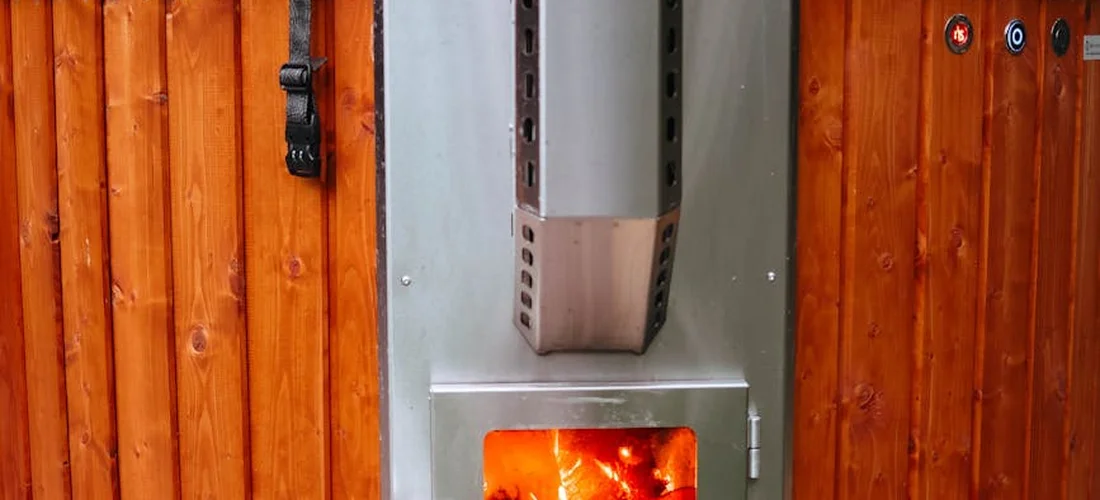
That initial purchase price is just the entry fee. The real story of hot tub ownership is written in your monthly utility bill and the savings account you tap for repairs. Planning for these ongoing costs is what separates a relaxing investment from a financial headache, especially when it comes to understanding the hidden costs of hot tub ownership.
Decoding Energy Efficiency and Your Bill
Listen for the hum of the circulation pump-that’s the sound of your money at work. The biggest factor in your monthly bill isn’t heating the water for your soak; it’s keeping it ready 24/7. A tub with full-foam insulation feels solid and silent on the outside, while a cheaper, thermally locked model might feel warm to the touch, which is heat (and cash) escaping.
Your cover is your first line of defense. A waterlogged, sagging cover is worse than no cover at all; it’s a heat sink. A tight-fitting, lightweight cover with a solid vapor seal traps warmth like a thermos. I test mine by lifting a corner on a cold day; if I feel a big rush of moist, warm air, I know the seal is failing and my bill is about to climb.
Monthly costs swing wildly. In a mild climate with a well-insulated tub, you might see a $15-$30 bump. In a cold northern winter with an older, less efficient model, it can easily hit $50-$80 or more. Premium, modern spas with programmable pump cycles and superb insulation aim for that lower range, while big party tubs with multiple pumps and basic shells live in the higher one. When budgeting, consider the average cost jacuzzi bathtub represents—the upfront price plus ongoing monthly operating costs. These ranges help you compare different tubs on the same ownership basis.
Planning for the Inevitable: Repair Fund Basics
Parts wear out. It’s not a matter of “if,” but “when.” The good news? Most common failures are DIY-friendly if you’re handy. I recommend setting aside $50 a month into a “spa fund.” When something breaks, you won’t panic.
- Heater Element: The most common failure. You’ll know it when the tub won’t heat. A replacement element costs $60-$150. A full heater assembly is $200-$400. DIY replacement takes about an hour.
- Circulation Pump (the 24/7 one): When its gentle hum stops, filtration stops. A new pump runs $150-$300. Swapping plumbing connections is straightforward.
- Topside Control Panel: Buttons get foggy or unresponsive. These are often plug-and-play, costing $200-$500. Make sure you get the exact model for your pack.
- Leaks: Most are at the pump unions or divertor valves. Fixing a leaky O-ring costs pennies. A major shell leak, however, is a different beast and may require a pro. A service call for diagnostics alone starts at $100-$150.
Labor doubles most repair bills, so learning basic diagnostics and wrench work is the ultimate cost saver. A pro visit for a heater replacement can easily total $500+.
Warranty Wisdom: What to Look For
The warranty is your blueprint for the manufacturer’s confidence. Read it like a detective before you buy.
- Shell Warranty: This is the big one. Look for a full, non-pro-rated warranty for at least 5 years, with 10+ years being excellent. A pro-rated warranty means you pay more as the tub ages.
- Component Warranty: Covers pumps, heaters, and controls. Two to five years is standard. The critical detail is whether it includes labor or is “parts-only.” A parts-only warranty often means you’re still paying a technician $150 an hour to install their free part.
- Labor Warranty: The gold standard, but usually short (1-2 years). This covers the technician’s time to fix anything defective.
Here’s the fine print that catches owners: many warranties require proof of professional annual maintenance. Changing your own filters and balancing your own water might void your coverage. I always photograph my clear, balanced water and keep a dated log of my chemical adds and filter cleans-it’s my DIY defense if a claim dispute arises.
Smart Financing and Final Checklist
Navigating Loan and Payment Options
Paying for your dream spa doesn’t have to drain your bank account in one go. You’ve got a few paths to consider, and the right one depends on your cash flow. Dealer financing can be convenient, often with promotional low or zero-interest periods for the first year. Home equity loans or lines of credit typically offer lower interest rates, using your home as collateral. Don’t overlook manufacturer promotions, which can include rebates or special financing directly through the brand.
My straightforward advice from the field is to read every line of the financing terms, especially for those alluring “no payments for 12 months” deals. The interest rates after that promotional period can be steep, and if the balance isn’t paid in full, you might get hit with retroactive interest on the entire original amount. A long-term loan on a depreciating asset is rarely a winning financial move.
Your Pre-Purchase Decision Checklist
Before you sign anything or hand over a deposit, run through this list. It’s saved me from costly mistakes more than once when advising clients.
- Measure Your Space and Access
Grab a tape measure. Check the exact spot for the tub, plus every door, gate, and pathway from the street to that spot. I’ve seen deliveries halted by a single narrow fence gate. Account for the required clearances on all sides for the service panel.
- Get Quotes for Full Installation
That advertised price is almost never the final cost. Get a written, itemized quote from your installer that includes delivery, the electrical hookup (parts and labor), the reinforced pad or decking, any necessary plumbing modifications, and the first fill of water and chemicals.
- Research Local Dealer Service Reputation
The brand matters, but the local dealer who services it matters more. Search online reviews specifically for their service department’s responsiveness and fairness. Call them and ask about their average wait time for a service visit. A great tub with terrible local support becomes a headache. On the big-box vs specialty-dealer question, service after the sale can matter more than price. A local specialist who both sells and services tubs often provides more reliable ongoing support than a big-box store.
- Calculate Your First-Year Budget (Purchase + Install + Care)
Let’s be honest: the spending doesn’t stop after the install. Add up your total purchase/install cost, then factor in your ongoing budget for sanitizers, balancers, test strips, electricity (expect a noticeable bump in your bill), and filter cleaning or replacement. Seeing this total first-year number prevents nasty surprises.
FAQs
What’s the real price difference between buying an outdoor Jacuzzi from Costco versus a specialty dealer?
The main difference is the product type and support. Costco typically sells lower-cost inflatable and basic plug-and-play acrylic spas, often priced from $600 to $4,000. A specialty dealer sells higher-end portable and custom acrylic spas ($4,000-$25,000+) with professional installation, strong warranties, and ongoing service support. While Costco offers value, dealer models generally provide superior insulation, more powerful jets, and long-term reliability.
How much does “outdoor jacuzzi cost near me” actually vary by location?
Local labor rates and permit fees are the biggest variables. The tub’s price is often fixed, but site preparation, electrical work, and delivery can swing widely. In high-cost urban areas, electrician rates and concrete work can be 20-40% higher than national averages. Always get 2-3 detailed, local quotes for the complete installation to understand your true regional cost. For context on what 2024 hot tub installation costs typically run, see our pricing guide. It breaks down regional differences, permit fees, and common add-ons to help you estimate total project cost.
What are the key cost factors for installing an outdoor Jacuzzi in Canada or the UK?
In colder climates like Canada and the UK, two factors significantly impact cost:
- Enhanced Insulation: A premium full-foam package is essential to control heating costs, adding $500-$1,000+ to the purchase price.
- Electrical Requirements: The mandatory 240V hardwired hookup is similar, but potential need for longer trenching in freezing ground or upgraded service panels can increase electrician fees substantially.
Always budget for a high-quality, insulated cover as your first defense against heat loss.
Why is the base construction so critical for a permanent outdoor Jacuzzi?
A proper base supports the immense weight (over 100 lbs per sq ft when filled) and prevents structural stress. An uneven or weak base is a leading cause of shell cracks and plumbing leaks, which are very costly to repair. Your main options are a 4-inch concrete slab (strongest), a professionally reinforced deck, or a deeply compacted gravel base, with costs ranging from a few hundred to several thousand dollars.
Are inflatable spas from retailers like Costco a good long-term value?
They are a low-commitment entry point but often poor long-term value. Their low upfront cost ($300-$1,500) is offset by very high ongoing energy costs due to poor insulation and shorter lifespans. For a primary, regularly used relaxation fixture, investing in a well-insulated acrylic spa from a dealer usually offers better durability, performance, and lower lifetime operating costs.
The 7-Day Soak Test
Before you sink into that first blissful soak, run your new Jacuzzi through its paces. Fire up every jet on high for 15 minutes—listen for the steady hum and feel for strong, even pressure. Check the heater by cranking it to 104°F and confirming it holds temperature. This final systems check uncovers any loose connections or quirks from installation, ensuring your inaugural dip is warm and worry-free. Additionally, perform a quick safety check before turning it on. Test the GFCI and verify the water level, keeping the area around the tub clear of clutter.
After fixing countless pumps and balancing water for years, I’ve learned one truth that slashes future costs. Commit to a weekly five-minute water test with a fresh strip, keeping pH between 7.4 and 7.6 and sanitizer in range-this routine prevents scale, corrosion, and biofilm that silently drain your wallet.
You’ve mastered the budget and tackled the setup. Your hard work is done. Now, go enjoy that well-deserved, bubbling retreat. Soak smart!
Further Reading & Sources
- Hot Tubs | Browse By Hot Tub Price | Jacuzzi.com | Jacuzzi®
- How Much Does an Outdoor Jacuzzi Really Cost? | Idler’s Home | Central California
- Hot Tub Prices Guide – Great Atlantic Hot Tubs
- How Much Do Hot Tubs Cost? (Costs, Features, & More.) | Jacuzzi®
- Outdoor Jacuzzi – Cost vs Value? – Bogleheads.org
- Hot tubs with prices: A comprehensive guide to costs | Jacuzzi®
Charlie is a hot tub enthusiast with a passion for keeping your jets running smooth and your bubbles bursting with joy. With years of experience in hot tub and jacuzzi maintenance, Charlie knows that a happy tub means a happy you. Whether it’s dealing with stubborn filters or giving your spa a little TLC, Charlie’s here to share expert tips, tricks, and plenty of laughs to help you keep your bubbly retreat in tip-top shape. So, kick back, relax, and let Charlie handle the rest — because no one likes a cranky jacuzzi!
Outdoor Setup