How to Cure Your Hot Tub Hangover: Stop Feeling Groggy After Soaking
Published on: September 19, 2026 | Last Updated: September 19, 2026
Written By: Charlie Bubbles
If you climb out feeling foggy-headed, sluggish, or with a slight headache instead of relaxed and renewed, you’ve just met the “Hot Tub Hangover.” This post-soak fatigue is your body signaling a problem, usually stemming from poorly balanced water or dehydration, and while it’s not an equipment emergency, it completely defeats the purpose of your spa.
What You Need:
- A tall glass of cool drinking water
- Fresh test strips for pH and sanitizer
- pH Decreaser or a box of baking soda
- About 15 minutes of focus
I’ve balanced water for years to prevent this exact issue, and you can permanently fix this draining feeling with a few simple checks, no technician required.
What Exactly Is a Hot Tub Hangover?
It’s that thick, foggy feeling that settles in after you climb out of the tub-a heavy fatigue that makes you want to nap instead of tackle your day. This isn’t about last night’s cocktails. A hot tub hangover is a distinct physical reaction to the immersion environment, marked by grogginess, a dull headache, and a noticeable lack of energy. On forums, owners describe it perfectly: feeling “wiped out,” “spaced out,” or “like I ran a marathon.”
The key is separating it from other issues. While an alcohol hangover involves a toxic byproduct called acetaldehyde, a tub hangover is your body’s direct response to heat, water chemistry, and physiology. True hot tub hangover symptoms are your body’s SOS signals, telling you something about the soak was off-balance.
Watch for these tell-tale signs the next time you get out:
- A lingering grogginess or mental fuzziness that lasts for hours.
- General muscle weakness or a feeling of being physically drained.
- Lightheadedness or a slight, persistent headache.
- Red, irritated eyes that aren’t just from brief splashing.
The Science Behind the Slump: Key Causes
Dehydration and Electrolyte Imbalance
This is the biggest culprit, and it’s sneaky. You’re surrounded by water, so you feel hydrated, but the 102°F heat is working on you. Your body sweats profusely in a hot tub to cool your core, accelerating fluid loss without the obvious signs you get from exercise. I’ve seen it in my own testing-you can lose a significant amount of water in a 20-minute soak. That dehydration can spill over into sleep, potentially affecting rest. If you soak near bedtime, plan for rehydration before lights out.
Your kidneys then work overtime, and you lose essential electrolytes like sodium and potassium through that sweat and urine. This electrolyte depletion directly scrambles the signals your nerves and muscles need to function, leading to that profound fatigue and weakness. Check yourself two hours after soaking: dark yellow urine and a dry, sticky mouth are dead giveaways you skimped on hydration.
- Drink a full glass of water before you get in.
- Keep a water bottle right on the tub’s edge and sip during your soak.
- Replenish after with water or an electrolyte drink, especially if you’re a frequent soaker.
Overheating and Vasodilation
Here’s where the physiology gets fascinating. Soaking in hot water causes your blood vessels to dilate-a process called vasodilation. This expansion lowers your blood pressure as your circulatory system works to distribute heat, which can trigger lightheadedness when you stand up. Your body is also burning energy trying to regulate its temperature, which contributes to the overall feeling of being spent.
Think of your body like a furnace in a heatwave; it’s expending a lot of effort just to keep from overheating. Soaking at excessive temperatures forces your body into overdrive, turning relaxation into an exhausting internal workout. I always advise clients to treat temperature like a thermostat, not a throttle.
| Safe, Sustainable Range | Rapid Overheat Zone |
|---|---|
| 100°F – 102°F | 104°F and above |
| Allows gradual acclimation. | Forces extreme vasodilation. |
| Limits intense sweating. | Dramatically increases dehydration risk. |
| Ideal for 15-30 minute soaks. | Limit to 10-15 minutes maximum. |
Chemical Exposure and Sensitivity
Improper water balance isn’t just bad for your tub; it’s hard on your body. When sanitizer levels are too high, or when chlorine/bromine binds with contaminants to form chloramines, the air at the water’s surface becomes irritating. Inhaling these concentrated byproducts can cause systemic inflammation and fatigue, mimicking a toxic hangover. Your red eyes are a classic sign of this chemical imbalance, not just “getting water in them.” Are there health risks or side effects to using a hot tub? Being aware of these risks helps you soak safely.
From my years of testing, I’ve learned that consistency beats intensity. A steady 3-5 ppm of chlorine or 4-6 ppm of bromine is far better for your body than spiking to 10 ppm one day and dropping to zero the next. Those wild swings create more irritating byproducts. High total alkalinity (above 120 ppm) can also make sanitizers harsher, while low pH makes the water itself acidic and potentially irritating.
- Test and adjust your water before every soak if you’re sensitive.
- Ensure proper ventilation-don’t soak under a fully sealed cover.
- Shower after soaking to rinse any chemical residue from your skin.
Water Chemistry Woes: Chemical Factors in Fatigue

Sanitizer Shock: Chlorine vs. Bromine
That groggy, thick-headed feeling can often be traced straight back to your sanitizer. I’ve learned this the hard way after breathing in too many chemical fumes in poorly ventilated pump rooms. Chlorine and bromine are essential for killing germs, but they’re potent substances your body notices.
Chlorine works fast and can be harsh; if levels spike, you might get that familiar “pool smell” and dry, itchy skin. Bromine is gentler on skin but more stable in heat, which means it lingers longer in the water and on your body after you get out. This longer-lasting residue might be a key player in your post-soak fatigue, as your system works to process it.
Testing is non-negotiable. Here’s my simple routine:
- Test sanitizer levels at least twice a week with a reliable test strip or liquid kit.
- Aim for 3-5 ppm for chlorine or 4-6 ppm for bromine.
- If levels are high, skip soaking until they fall back into range. You can speed this up by opening the cover for an hour.
- Once a week, use a non-chlorine shock (MPS). This burns off contaminants without adding more sanitizer, lightening the overall chemical load your skin absorbs.
Off-Balance Water and Its Effects
Think of your body like a finely tuned instrument. Soaking in water with a wild pH or alkalinity is like trying to play that instrument underwater—everything is harder. Water that’s too acidic or too alkaline is irritating. Your skin acts as a semi-permeable membrane, and your body must work overtime to counteract that irritation, leaving you drained.
Ignoring pH and alkalinity forces your sanitizer to work inefficiently, creating more chemical byproducts that you then soak in, doubling down on the fatigue factor. I keep two testing tools on hand: a liquid drop test kit for its precision on weekends and digital test strips for a quick daily check.
Keep your water in this happy zone for effortless soaking:
| Parameter | Ideal Range | Why It Matters |
|---|---|---|
| pH Level | 7.2 – 7.8 | Protects equipment and optimizes sanitizer. |
| Total Alkalinity | 80 – 120 ppm | Stabilizes pH, prevents wild swings. |
| Calcium Hardness | 150 – 250 ppm | Prevents scaling and cloudy water. |
Soaking Safely: Temperature and Time Limits
Finding Your Ideal Soak Duration
More soak time does not equal more relaxation. In fact, it’s often the opposite. Your core body temperature rises in the hot water, and your heart and circulatory system work harder to cool you down. Overdo it, and you’re inviting dehydration and exhaustion. Do hot tubs really dehydrate you? It’s something you should be mindful of, especially during longer sessions.
Set a kitchen timer or use your phone’s alarm before you get in-it’s the easiest way to prevent that “just five more minutes” trap that leads to an hour-long bake. My rule of thumb, backed by years of seeing woozy customers, is to follow a temperature-based guide.
- At 104°F (40°C), limit your soak to 15-20 minutes maximum.
- At 102°F (39°C), you can comfortably extend to 25-30 minutes.
- Always get out, cool down, and rehydrate thoroughly before even considering a second round.
Setting the Right Heat Level
We often crank the heat thinking it will soothe muscles faster. What it really does is shock your system. Lowering your default thermostat setting can be a game-changer for how you feel afterward.
I advise most owners to set their main soak temperature between 100°F and 102°F. This range provides profound muscle relief without pushing your body into overheating mode, letting you enjoy the benefits without the next-day penalty. If your tub tends to run hot, try a pre-soak cool-down.
- Take a brief, lukewarm shower before entering the tub. It lowers your skin’s starting temperature.
- Keep a cold glass of water (not a cocktail) on the tub ledge and sip constantly.
- In warmer months, consider soaking in the evening when the ambient air is cooler, reducing the thermal shock.
Quick Fixes for Post-Soak Grogginess
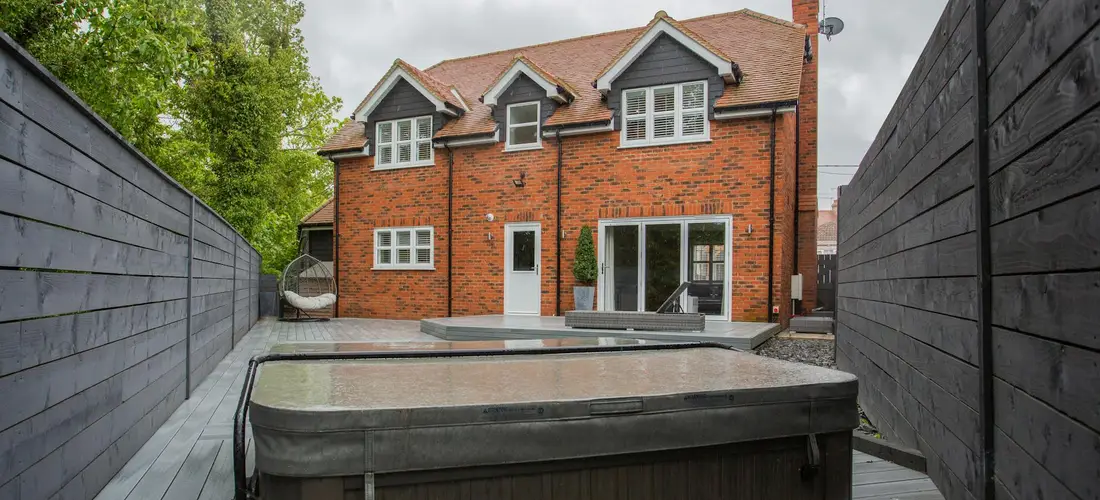
When your head feels thick and your energy bottoms out after a soak, you need fast, practical solutions. These immediate actions tackle dehydration and chemical exposure head-on, reversing that drained feeling before it ruins your evening.
Rehydration and Recovery Steps
Think of this like cooling down after a workout; your body needs help to reset. Replenishing fluids and minerals is non-negotiable for cutting through the fog.
- Drink electrolyte-enhanced water immediately after exiting. I always have a bottle within arm’s reach of my tub. The salts and minerals replace what you sweated out in the heat, far better than plain water alone.
- Take a lukewarm shower to normalize skin temperature and rinse chemicals. A brief, gentle rinse helps your core temperature drop steadily and washes away sanitizer residue that can linger on your skin.
- Rest in a cool, dim room to stabilize circulation and blood pressure. Give your body ten minutes of quiet. This allows your blood vessels, dilated from the heat, to return to normal without stress.
Addressing Chemical Residue
That dry, tight skin after soaking? It’s often a chlorine or bromine film. Left on your skin, this residue can continue to cause mild irritation and contribute to that overall blah sensation.
- Use a mild, fragrance-free soap in your post-soak shower. Lather up and pay special attention to areas like your neck, shoulders, and underarms. From my experience, a simple castile soap works wonders without adding more chemicals.
- Wash your swimsuit separately in a load with a cup of white vinegar. This breaks down the sanitizer trapped in the fibers. Tossing it in with your regular laundry just spreads those chemicals around.
Your Prevention Checklist: Soak Without the Hangover
Stop the problem before it starts with a few consistent habits. A little upfront effort makes the difference between a rejuvenating soak and a next-day crash.
Pre-Soak Preparation
What you do in the 30 minutes before you get in sets the tone. Treating your pre-soak routine like pre-flight check keeps your body in balance.
- Hydrate with 16 oz of water before entering the spa. Drink it about 20-30 minutes prior. This creates a fluid buffer, a trick I learned after one too many soaks left me with a pounding headache.
- Test water chemistry and adjust chlorine to 3-5 ppm or bromine to 4-6 ppm. Use fresh test strips. Soaking in perfectly balanced water means your skin and lungs aren’t fighting off irritation from the start.
- Set a timer for 15-20 minutes and lower the jet intensity. Marathon soaks and maxed-out jets are a fast track to exhaustion. Gentle hydromassage is far more sustainable.
Lifestyle and Maintenance Factors
Your tub’s mechanical health and your own choices are deeply connected to how you feel afterward. Ignoring maintenance or mixing in a cocktail multiplies your risk for that groggy penalty, especially when you disregard health and safety guidelines.
Avoiding Alcohol Consumption
This is the biggest amplifier of hot tub fatigue. Alcohol is a diuretic that accelerates fluid loss, compounding the dehydrating effects of the hot water and leading to dangerous blood pressure crashes.
- Save any alcoholic drinks for after you are fully cooled down and rehydrated. I’ve helped folks who felt violently ill or nearly passed out from combining the two. It’s simply not worth the risk.
Ensuring Proper Circulation and Filtration
A clean, well-circulated tub needs fewer chemicals, which means less for your body to process. The steady hum of a circulation pump is the sound of prevention, keeping your water fresh and reducing sanitizer demand.
- Run the circulation pump for at least one full hour every day. I put mine on a timer. This constant movement prevents stagnant pockets where bacteria breed, so you can use less chlorine or bromine.
- Clean your filter cartridge with a hose every two weeks and use a filter cleaner soak monthly. A clogged 30-square-foot filter can’t trap contaminants, forcing your system to work harder and allowing irritants to remain in the water.
FAQs
Is a “Hot Tub Hangover” the same as an alcohol hangover?
No, they are different. An alcohol hangover is caused by toxins like acetaldehyde. A hot tub hangover is a physical reaction to the soaking environment, primarily driven by dehydration, overheating, and chemical exposure. The symptoms can feel similar, but the causes and prevention methods are entirely different.
What’s the fastest way to cure a hot tub hangover?
Immediate rehydration is the fastest remedy. Drink an electrolyte-enhanced beverage and cool water. Follow this by taking a lukewarm shower to rinse off chemical residue and normalize your body temperature. Resting in a cool, dim room for 10-15 minutes can also help stabilize your circulation and clear the grogginess.
What symptoms differentiate a hot tub hangover from just being tired?
Key symptoms include a distinct mental fogginess or grogginess that lingers for hours, lightheadedness upon standing, and muscle weakness that feels like being drained. Unlike general tiredness, these are often accompanied by signs of dehydration (dark urine, dry mouth) or slight chemical irritation (red eyes).
I’ve seen “hot tub hannover” online-is that related?
This is almost certainly a common typo or autocorrect error for “hot tub hangover.” If you’re searching for information on post-soak fatigue, use the correct spelling. Searches for “hot tubs Hanover MA” or similar are unrelated, referring to local spa dealers in Hanover, Massachusetts, not the physiological condition. To cut through the confusion, spa professionals debunk 11 common hot tub myths in a guide that separates fact from fiction with practical tips.
Can water balance really make that much difference in how I feel?
Absolutely. Imbalanced water chemistry is a major contributor. High sanitizer levels or chloramines can cause systemic irritation when inhaled, while incorrect pH makes water harsh on your skin. Properly balanced water (pH 7.2-7.8, correct sanitizer levels) drastically reduces the chemical load on your body, preventing a significant part of the “hangover” feeling.
The 7-Day Freshness Protocol
Before you sink into that first soak after a reset, always give the water a final audition. Crank the jets for five minutes and take a deep breath right by the spillover. That air should smell clean and neutral, not like a chemical lab or a musty basement. This final sensory check is your green light.
My single, non-negotiable rule to keep the grogginess at bay forever is this: treat your weekly filter rinse with the same importance as taking out the trash-if you skip it, things get foul fast. A clean filter is the silent guardian of your water’s vitality, and neglecting it is the fastest path back to foggy-headed soaks.
You’ve done the hard work. The chemistry is balanced, the filters are clean, and the water sparkles. Now, go enjoy the reward. Your tub-and your head-will thank you tomorrow. Happy, clear-headed soaking.
Further Reading & Sources
- Hot Tubs: A Hangover Cure?
- The Hot Tub Hangover Cure | H2O Hot Tubs UK
- Best Hangover Cure: Soak in a Hot Tub?
- A Hot Bath Guide to Fixing Hangovers | Tub Therapy
- r/hottub on Reddit: Best hangover cure
- Can a hot tub cure a hangover? – Quora
Charlie is a hot tub enthusiast with a passion for keeping your jets running smooth and your bubbles bursting with joy. With years of experience in hot tub and jacuzzi maintenance, Charlie knows that a happy tub means a happy you. Whether it’s dealing with stubborn filters or giving your spa a little TLC, Charlie’s here to share expert tips, tricks, and plenty of laughs to help you keep your bubbly retreat in tip-top shape. So, kick back, relax, and let Charlie handle the rest — because no one likes a cranky jacuzzi!
Safety Tips