How to Safely Use a Hot Tub with Acrylic Nails or Tampons Without Worry
If you’re hearing the gentle hum of your circulation pump but hesitating to get in because of your manicure or period, let’s diagnose that hesitation right now. The sharp sting of imbalanced chlorine or the sustained heat can weaken acrylic adhesive and, while rare, potentially affect tampon integrity, but this is a manageable nuisance, not a dire emergency. With a few proactive steps, you can protect both your personal care and your spa’s water.
What You Need:
- A reliable test strip to check chlorine (1-3 ppm) and pH (7.2-7.8)
- Five minutes for a pre-soak nail check
- A fresh, properly inserted tampon for your soak
- Basic knowledge of your water’s balance
I’ve fixed countless pumps and balanced even more water, and I’ll give you the straightforward advice to enjoy your tub confidently, no service call required.
Acrylic Nails and Hot Water: The Real Risk of Nail Lift
Soaking in your spa feels amazing, but that warm, swirling water is actively working against your acrylics. The primary enemy isn’t a sudden snap, but a slow, persistent attack that weakens the bond. The prolonged heat causes both your natural nail plate and the acrylic polymer to expand and contract at different rates, creating microscopic stress fractures in the adhesive layer. Think of it like leaving a plastic container in the dishwasher cycle after cycle-eventually, the seal warps and fails.
How Chlorine and Bromine Attack Your Manicure
Your sanitizer is doing double duty, and your nails are collateral damage. Chlorine and bromine are potent oxidizing agents; their job is to break down organic contaminants, and they don’t distinguish between skin oils and the methacrylate used in your enhancements. This chemical process is a gradual erosion. Consistent exposure will cause the acrylic to become brittle, lose its shine, and can even lead to a yellowish discoloration as the sanitizer breaks down the material’s structure. I’ve seen nails go from flawless to foggy and frail after just a few weeks of regular, unprotected soaks.
For a visual comparison, here’s how different spa conditions affect acrylics:
| Condition | Effect on Acrylic Nails | Timeframe |
|---|---|---|
| Properly Balanced Water | Minimal slow degradation | Weeks |
| High Chlorine/Bromine (>5 ppm) | Rapid brittleness & discoloration | Days |
| High Heat (104°F/40°C) | Increased risk of adhesive lift | Per Soak |
| Unbalanced pH (High or Low) | Accelerated breakdown of acrylic | Week |
Signs Your Nails Are Compromised: Peel, Lift, or Cloud
Don’t wait for a full nail to pop off. Your manicure will send you distress signals long before a major failure. Catch these early signs to save your nails and prevent water from getting trapped underneath, which can lead to fungal issues.
- A White, Cloudy Appearance: This is often the first sign of chemical damage, indicating the acrylic is breaking down and becoming porous.
- A Subtle Lift at the Cuticle or Sides: Run your finger along the seam where the acrylic meets your skin. Any tiny catch or gap is a red flag. Water will wick into this space.
- Unusual Flexibility: Acrylics should be hard. If they start to bend or feel slightly soft, the polymer structure is compromised.
- Peeling in Layers: You might notice the top coat or color lifting in thin sheets, a direct result of chemical erosion.
If you see any lifting, it’s an open door for spa water-and all the bacteria and chemicals in it-to sit against your natural nail for days, creating a perfect environment for infection. The moment you feel that lift, it’s time for a nail tech visit.
Tampons in the Spa: Official Health Stance and Hidden Dangers
Let’s be perfectly clear: health authorities unanimously advise against using a hot tub while wearing a tampon. This isn’t an old wives’ tale; it’s grounded in microbiology and fluid dynamics. A tampon is designed to absorb, and in a hot tub, it will absorb the surrounding water. This action can pull bacteria-laden water into the vaginal canal, dramatically increasing the risk of infections like bacterial vaginosis or, in extremely rare cases, facilitate Toxic Shock Syndrome (TSS). The warm, moist environment of a used tampon is a breeding ground, and the hot tub just supercharges that process. Additionally, even using a hot tub during your period isn’t recommended for similar reasons.
Why Hot Water Amplifies Bacterial Growth
The 100-degree water you enjoy is also a paradise for microbes. Heat increases bacterial metabolic rates, meaning they reproduce faster. While your sanitizer works to control this, it cannot instantly sterilize the entire volume of water, and it certainly cannot decontaminate the interior of a tampon. The tampon’s absorbent material acts as a protective biofilm, shielding absorbed bacteria from the circulating chlorine or bromine, allowing them to multiply safely just inches from vulnerable tissue. Combine this with the potential for slightly diluted sanitizer levels (common in high-use periods) and you’ve significantly elevated the risk profile beyond a simple shower or bath.
Your safe alternatives are straightforward and non-negotiable:
- Use a menstrual cup, which forms a seal and does not absorb external water.
- Opt for a new, clean tampon immediately after your soak, not before.
- Choose a different spa day altogether. When in doubt, sitting it out is the wisest and safest choice for your long-term health.
Pre-Soak Prep: Shielding Your Nails and Skin
Think of your hot tub water as a powerful, warm solvent. It’s designed to break down organic matter, and unfortunately, that includes the bonds holding your fancy manicure together and the protective barriers on your skin. A little prep work is your best defense against a soggy, lifting nail disaster and a water chemistry nightmare. For beginners, a concise guide to safe, effective hot tub use offers a simple map for prep, soak duration, and water balance. Together, these basics help protect nails and skin while keeping water chemistry in check.
Your Chemical Defense Kit: Nail Polish and Sealants
A simple bottle of nail polish isn’t just for color-it’s a barrier coat. I always recommend a fresh top coat before a soak. For the ultimate armor, look to the techniques the pros use. A UV gel top coat, cured under a lamp, creates a much harder, less permeable shell than regular polish. My go-to trick from the salon is a ‘rubber base coat’ under your color; it adds incredible flexibility to prevent cracking when your nails expand in the heat.
Inspect the seal where your acrylic meets your natural nail. Any tiny lift is a tunnel for water to seep in, leading to that dreaded greenish discoloration (a sign of bacterial growth underneath). If you find a lift, skip the tub until you can get it sealed by your nail tech.
Your skin needs a shield, too. That fragrant body butter or heavy lotion will slough off in the water, coating your filter and demanding more sanitizer. Instead, do a quick rinse in the shower before you step out. Use a mild, fragrance-free soap to remove excess oils and lotions. Your skin will be clean, and your hot tub won’t have to work overtime. This practice is especially important for maintaining healthy skin while using hot tubs.
Post-Soak Care: Saving Your Nails and Your Sanitizer
The moment you step out is critical. Don’t just grab a towel-be strategic. Immediately dry your hands and nails thoroughly, paying special attention to the undersides. I keep a dedicated, super-absorbent microfiber towel by my tub for this. Trapped moisture under an acrylic nail is the primary culprit for fungal issues, so get those nails bone-dry fast.
Follow up with a few drops of cuticle oil. The heat and chemicals can be brutally drying. Rehydrating the nail and cuticle helps maintain flexibility and prevents the acrylic from becoming brittle and snapping. Think of it like moisturizing after a day in the sun.
Balancing Water After Oil and Lotion Contamination
Even with the best pre-rinse, some contaminants will enter the water. You’ll know it by the sudden need for more chlorine, a slick feel to the water, or bubbles that don’t pop easily. This oily film clogs filters and consumes your sanitizer, leaving your water vulnerable.
Here’s my field-tested recovery routine:
- Skim and Shock: First, physically remove what you can. Use your skimmer net. Then, hit the water with a double dose of your regular oxidizer (shock). This burns up the organic waste fast.
- Enzyme Attack: For a persistent oily film, I add a capful of a quality hot tub enzyme formula. These little cleaners break down oils and lotions at a molecular level, so your filter can trap them. It’s a game-changer.
- Filter First Aid: Your filter has taken the hit. The next day, pull it and clean it. Soak it in a filter cleaner solution (not just a rinse) to dissolve the embedded oils. A clogged filter strains your pump and wrecks efficiency.
- Test and Rebalance: After 24 hours of circulation, test your water. The contamination battle will have likely crashed your pH and alkalinity. Rebalance these first, then check your sanitizer level. You can’t have effective sanitizer without balanced pH-it’s like trying to wash dishes in cold, greasy water.
This whole process might feel like a chore, but it’s far cheaper than draining early or replacing a gummed-up pump. A little post-soak discipline keeps your water pristine and your machinery humming smoothly for years.
Hot Tub Hygiene Reset: Cleaning After Menstrual Use
If you’ve used your tub while menstruating, a quick hygiene reset keeps the water inviting for the next soak. Your hot tub’s chemistry works hard to handle organic introductions, but giving it a proactive clean-up prevents bigger issues down the line. For beginners, the Maintain Proper Hot Tub Water Chemistry guide can help balance pH and sanitizer between soaks. Regular testing between sessions keeps water clear and inviting.
I’ve balanced water for years, and the quiet hum of a clean circulation pump is a sound of success.
Filter Focus: Removing Contaminants and Oils
Body oils and lotions are common after any soak, but they can be more prevalent during menstrual use. A clogged filter makes your pump labor harder, spiking your energy bill and risking a costly repair.
Here is my field-tested filter routine for after use:
- Pull the filter cartridge within a few hours of exiting the tub.
- Blast it with a garden hose, aiming between the pleats to dislodge debris.
- Soak it overnight in a solution of filter cleaner and water-I mix one cup of citric acid powder per five gallons for a gentle, effective degrease.
- Rinse it until the water runs clear and let it air-dry completely in the shade.
For filters with stubborn buildup, a soak in a diluted trisodium phosphate (TSP) solution can work wonders. Phosphate buildup in hot tubs is common and can lead to cloudy water and scale. Knowing how to remove it helps keep water balanced. Always wear rubber gloves and eye protection when handling TSP or any heavy-duty cleaner.
Water Testing and Shock Treatment Protocol
This is where we tackle what the filter can’t catch. Shocking oxidizes organic waste, wiping the slate clean and restoring that fresh-water sparkle.
Follow this sequence precisely after menstrual use:
- Test Immediately: Dip a test strip. You’re looking for pH (7.4-7.6), alkalinity (80-120 ppm), and sanitizer level.
- Balance the Basics: Adjust alkalinity first with increaser, then fine-tune pH. This creates a stable foundation.
- Apply Shock: Use a chlorine-based shock, dosing to raise free chlorine to 10 ppm. This potent surge handles contaminants efficiently.
- Circulate and Vent: Run the jets with the cover off for 30 minutes. You’ll smell the chlorine working-that’s the oxidation process.
- Verify and Wait: Test again after 24 hours. Do not enter until free chlorine falls back to 3-5 ppm.
This protocol is your best defense against cloudy water and skin irritation. I never skip the post-shock circulation; it’s the key to letting the treatment permeate every gallon.
Skin and Nail Health: Recognizing Chemical Irritation
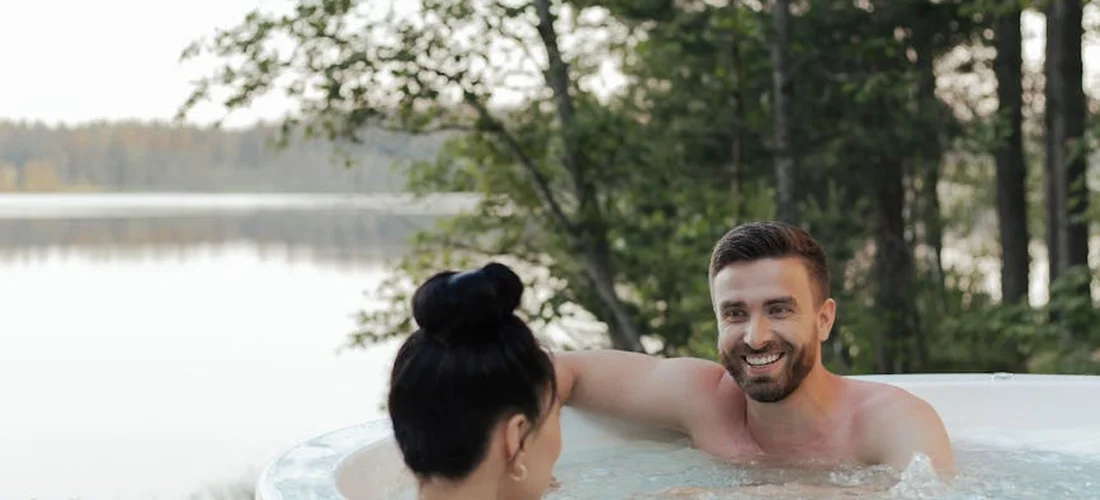
Acrylic nails and sensitive skin can react to imbalanced water. A slight sting or unexpected dryness is your tub telling you the chemistry is off.
I’ve seen acrylics become soft and lift after repeated soaks in hard, highly sanitized water.
Safe Soaking Habits for Sensitive Skin and Immune Systems
You can enjoy a relaxing soak without compromise. Consistent, gentle water maintenance is far more important than any single product for protecting your skin and nails.
Adopt these habits for safer soaking:
- Limit soaks to 20 minutes to minimize chemical exposure and heat stress on your skin and nails.
- Rinse off with plain water before entering to reduce the organic load you bring into the tub.
- Shower promptly after soaking to wash any residual chemicals from your skin and nail beds.
- Apply a plain, thick moisturizer like petroleum jelly to your hands and cuticles before soaking for a protective barrier.
- Test your water’s total dissolved solids (TDS) every 3-4 months; a reading over 1500 ppm means the water itself is harsh and needs changing.
For those with immune concerns, a well-maintained private tub is a controlled environment. Discuss regular soaking with your physician, but know that precise chemical balance is your strongest ally for safety. For hot tub owners, critical chemical safety practices—such as maintaining proper sanitizer levels and pH—are essential for safety. Keeping these steps consistent helps protect immune health while enjoying the tub.
Final Safety Checks: Before You Step Into the Bubbles
Alright, let’s get you soaking safely. Before you even dip a toe, spend two minutes on these checks. Rushing into a poorly maintained tub with acrylic nails or a tampon is asking for a frustrating-and potentially expensive-evening.
Inspect Your Acrylic Nails Like a Pro
Give each nail a firm but gentle tap. You’re listening for a hollow sound or feeling for movement, which means a lift or crack. I fixed a circulation pump last summer clogged with a glittery nail fragment. A single loose nail can scratch the spa’s shell or break off and wreak havoc on your filter and pumps.
- Visually scan for any cracks, chips, or separation from your natural nail bed.
- Run the pad of your finger along the edges to catch any hidden sharp points.
- If you find a flaw, grab a file and smooth it out immediately-don’t risk it.
Verify Tampon Security and Suitability
Hot water increases absorption and can sometimes compromise fit. Ensure your tampon is freshly inserted and the string is securely tucked, not floating freely. A dangling string isn’t just a personal nuisance; it can snag on parts and introduce fibers into the water system.
- Opt for a tampon with a higher absorbency rating than usual for the warm, watery environment.
- Gently tug on the string after insertion to confirm it’s seated properly and won’t shift.
- Remember, a tampon is not a waterproof seal; be mindful of your own comfort and hygiene.
Test the Water Chemistry-Non-Negotiable
Unbalanced water damages more than just your skin. High acidity can weaken acrylic nails, and improper sanitizer levels won’t control bacteria. I keep my test kit right by the tub. Your water must be balanced not just for comfort, but to protect the tub’s delicate acrylic shell and internal plumbing from corrosion or scale.
Here is your pre-soak chemical dashboard:
| Parameter | Target Range | Why It Matters Now |
|---|---|---|
| pH Level | 7.2 – 7.8 | Outside this range, sanitizer fails and water can degrade nail adhesive. |
| Sanitizer (Chlorine) | 3 – 5 ppm | This is your bacterial shield, crucial when introducing personal care items. |
| Total Alkalinity | 80 – 120 ppm | Stabilizes pH; low TA causes pH “bounce” that stresses all equipment. |
Perform a Quick Mechanical Scan
Turn on the jets and listen. The pump should hum steadily, not grind or whine. Look at the water surface for unusual debris or oily film. A quick visual and auditory check can spot small problems before they become pump-killers, saving you hundreds on repairs, especially if you are familiar with sounds your hot tub shouldn’t make.
- Confirm all suction covers are firmly in place and clear of obstructions.
- Check that the filter compartment is locked securely; a loose lid reduces efficiency.
- Ensure the temperature is set at or below 104°F for safe, comfortable soaking.
This whole process is faster than waiting for the jets to warm up. Making these checks a habit protects your investment, your health, and lets you truly unwind without a second thought.
What People Ask
How long can I safely soak in the hot tub with acrylic nails without causing damage?
It is best to limit your soak time to 20 minutes or less. Prolonged exposure to heat and chemicals accelerates the breakdown of the acrylic and its adhesive. Setting a timer can help you enjoy your tub while minimizing unnecessary stress on your manicure.
Are there specific water chemicals or sanitizers that are less harsh on acrylic nails?
All oxidizers (chlorine, bromine) will degrade acrylic over time. However, maintaining perfect water balance is your best defense. Ensure your pH (7.2-7.8) and sanitizer levels (1-3 ppm chlorine) are strictly in range, as imbalanced water-whether high or low-dramatically speeds up the chemical attack on your nails.
What should I do immediately if I feel an acrylic nail start to lift or loosen while in the hot tub?
Exit the tub and dry the affected nail thoroughly. Do not try to re-adhere it yourself. Apply a drop of nail glue to the lifted edge as a temporary seal if you have it, and avoid submerging that hand until you can visit your nail technician for a professional repair.
Do certain types of manicures (like dip powder or gel) hold up better in a hot tub than traditional acrylic?
Gel polish and dip powder coatings can offer a superior barrier against water penetration compared to a bare acrylic surface. However, the integrity of the underlying acrylic or natural nail extension is still vulnerable to heat and chemicals. A high-quality rubber base gel or a thick top coat provides the best combined protection.
Is it safer to have shorter acrylic nails if I use my hot tub regularly?
Yes, shorter nails are generally safer and more practical. They have less surface area for chemicals to attack and are less prone to catching on objects or creating leverage that can cause lifting. A shorter, well-maintained style will typically last longer with frequent hot tub use.
The Post-Soak Protocol
Before you step into that inviting warmth, give your tub one last courtesy check. Turn on the jets for a full minute-listen for the steady hum and watch the water swirl. This quick test ensures everything is circulating properly and flushes any loose debris from the shell. That final visual and auditory confirmation is your green light that the water is actively cleaned and ready for you. When you’re ready to begin the fill, follow the complete first-time water setup steps to ensure the right balance from day one. That way the water is ready for your first soak and your tub stays clean from the start.
Your golden rule for endless, worry-free soaks: always shock your hot tub with a non-chlorine oxidizer within an hour after exiting, which swiftly neutralizes oils, lotions, and other organics without compromising your acrylic nails or requiring harsh sanitizer spikes. This simple step tackles the invisible residue you leave behind, preventing cloudiness and bacterial regrowth that can affect water safety and balance. It’s one of the best chemical practices for keeping your hot tub safe.
You’ve done the homework. The water is balanced, the system is humming, and your mind is at ease. Now, go reclaim your soak-it’s time to relax.
Further Reading & Sources
- 7 Essential Things to Know About Having Your Period in Hot Tub
- Can You Wear a Tampon in a Hot Tub? – Sassy Style Redesign
- Hot Tub Safety: Swimsuits, Periods, and Tampons – Expert Q&A
- Can You Wear a Tampon in a Sauna? – Heavenly Heat Saunas
- Hot tub while on my period. Help! : r/TheGirlSurvivalGuide
- Can you use a tampon in a hot tub? – Answers
Charlie is a hot tub enthusiast with a passion for keeping your jets running smooth and your bubbles bursting with joy. With years of experience in hot tub and jacuzzi maintenance, Charlie knows that a happy tub means a happy you. Whether it’s dealing with stubborn filters or giving your spa a little TLC, Charlie’s here to share expert tips, tricks, and plenty of laughs to help you keep your bubbly retreat in tip-top shape. So, kick back, relax, and let Charlie handle the rest — because no one likes a cranky jacuzzi!
Safety Tips