
Can You Fill a Hot Tub with Soft Water? Why Foam, Corrosion, and Confusion Happen
Is your spa water suddenly foamy, feeling slick to the touch, or your heater keeps failing? The sting of imbalanced water isn’t just about chlorine; that peculiar slipperiness and unexplained foam often point directly to filling your tub with overly soft water. This isn’t a minor nuisance-it’s a corrosive issue that can silently eat away at your heater element and metal components, leading to very expensive repairs.
What You Need:
- Total Alkalinity & Calcium Hardness Test Strips
- A jug of calcium hardness increaser
- Metal sequestering agent
- 20 minutes for testing and adjustment
You can absolutely balance soft water for your spa, and I’ll show you how to protect your investment without a service call.
The Straight Answer: Yes, But With a Big Warning
You absolutely can fill your hot tub with soft water. I’ve done it at client’s homes when their whole-house softener was the only convenient source. The initial fill will feel luxurious. The real trouble starts about a week later, when the water’s aggressive thirst for minerals begins attacking your spa’s vital components from the inside out.
Soft water is “hungry” water. By removing calcium and magnesium, it becomes chemically unstable and will seek to replace those minerals by corroding metal parts and leaching materials from your plumbing. I once diagnosed a perfectly functioning heater that failed in two months because the soft, mineral-starved water ate through the copper heating element tube. The repair was simple; diagnosing the root cause saved the customer from a costly repeat failure.
The Seductive Pros of Soft Water in Your Spa
Don’t get me wrong-the benefits of starting with soft water are incredibly appealing, especially if you’ve battled crusty scale before. Here’s what pulls people in:
- Scale Be Gone: You’ll virtually eliminate the chalky, white calcium scale that crusts on heater elements, the shell, and inside plumbing. This means more efficient heat transfer and no more frantic descaling treatments.
- Silky Sensation: The water feels noticeably softer on your skin and hair. That dry, itchy feeling some get after a soak? Often minimized with a soft water fill.
- Chemical Clarity: Soft water allows your sanitizers (like chlorine or bromine) to work more effectively without fighting mineral interference. You might even use slightly less product.
- Foam Fighter: Soap-based scum and bather waste foam up less in soft water, leading to clearer water and less need for defoamers. This immediate improvement in water feel and clarity is the siren song that leads many owners to overlook the critical next step.
- Suds Savings: When you clean your filter or wipe down the shell, you’ll need far less detergent to get a good lather, saving you money and rinse time.
The Nasty Cons: Why Soft Water Can Be a Spa’s Enemy
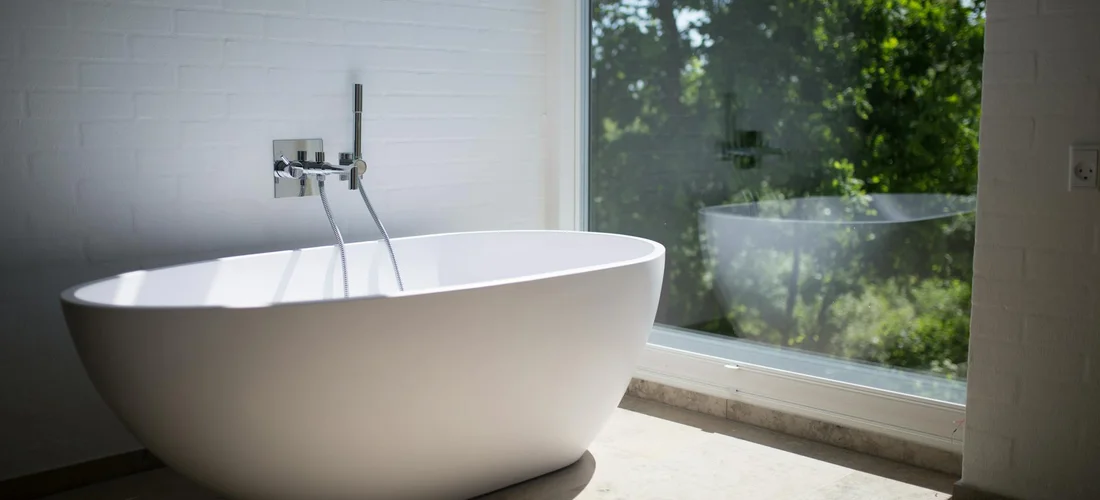
Soft water might feel great on your skin, but in your hot tub, it can start a real fight with your chemistry and components. I’ve balanced water for years, and soft water always demands extra attention to avoid turning your soak into a science project gone wrong. Temperature also matters; does water temperature affect hot tub chemicals? Heat can speed up reactions and shift pH balance and sanitizer demand.
The Foam Factory: Suds You Don’t Want
Fill with soft water and you might soon see a mountain of white, stubborn suds that no amount of jets can calm. This happens because soft water lacks the calcium and magnesium that normally help keep bubbles in check. Without these minerals, any tiny bit of soap, lotion, or body oil turns into a frothy spectacle that reduces water clarity and efficiency.
I remember a service call where a couple’s new tub looked like a cappuccino-the problem traced right back to their whole-house softener. Here’s how to tackle it:
- Use a defoamer as a quick fix, but remember it only masks the symptom.
- Shock your water weekly to oxidize the oils and organics that feed the foam.
- Rinse your swimsuits thoroughly without detergent before you get in.
- Consider a pre-filter on your hose to catch some contaminants during fill-up.
Corrosion: The Silent Heater Killer
This is the hidden danger that costs real money. Soft water is “hungry” and seeks out minerals, which can lead it to aggressively corrode metal parts inside your spa. Your heater element, often made of copper or stainless steel, is the most expensive target and can fail prematurely from this constant attack.
I’ve pulled out heater cores that were pitted and thin, all while the owner wondered why their tub wouldn’t heat. The low calcium hardness (often below 50 ppm in soft water) is a primary culprit. To guard your equipment, stay on top of maintenance and water balance.
- Test and adjust your calcium hardness to a spa-safe range of 150-200 ppm using a hardness increaser.
- Keep your pH perfectly balanced between 7.4 and 7.6; low pH makes corrosion far worse.
- Invest in a sacrificial anode if your spa has a metal heater shell, as it will corrode instead of your critical parts.
How to Safely Fill Your Tub with Softened Water
You can use soft water successfully, but you must take control of the chemistry from the very first gallon. Think of it like a recipe where you’re adding back key ingredients the softener stripped out.
Start by testing your softened fill water with a reliable strip or liquid kit. You’ll likely find very low calcium and possibly a low pH. Here is my field-tested process:
- Fill the tub as usual using your softened water line.
- Test Immediately: Check pH, Total Alkalinity (TA), and Calcium Hardness (CH). Expect CH to be near zero.
- Balance in This Order:
- Raise Total Alkalinity to 80-100 ppm with alkalinity increaser (sodium bicarbonate).
- Adjust pH to 7.4-7.6 using pH increaser (soda ash) or decreaser (dry acid).
- Increase Calcium Hardness to 150-200 ppm with a calcium chloride product.
- Add Your Sanitizer (like chlorine or bromine) only after the other levels are stable.
- Run the jets for a full hour to circulate and mix everything thoroughly before your first soak.
This method rebuilds the water’s stability. I keep a bucket of calcium hardness increaser in my truck specifically for homes with soft water systems, because forgetting this step is the most common DIY mistake I see. Test your water at least twice a week afterward, as soft water can drift more quickly. Your heater will hum contentedly, and your water will stay visually crisp without the foam.
Mastering Maintenance with Soft Water Chemistry
Filling your tub with soft water is like starting with a blank canvas-it’s pure, but it needs the right foundational elements to become a stable, swimmable masterpiece. Your soft water lacks the mineral skeleton that spa water needs to be balanced and non-corrosive.
The single most critical adjustment you must make is adding calcium hardness. Aim for a target of 150-200 ppm to protect your heater and plumbing from the aggressive, hungry nature of softened water. Without this mineral buffer, the water will literally leach calcium from your tub’s components, leading to pitting and premature failure. This is also where you’ll learn how to adjust water hardness in your hot tub.
I keep a container of calcium chloride, often sold as “Hardness Increaser,” in my service truck for every soft-water fill I handle. Here’s a quick guide to your options when using calcium hardness increaser:
| Product Type | Common Brand Example | Key Consideration |
|---|---|---|
| Calcium Chloride Flakes | Leisure Time Calcium Up | Dissolves fast. Pre-dissolve in a bucket to avoid cloudy water. |
| Liquid Calcium | Some commercial brands | Easiest to apply, but you pay a premium for the convenience. |
Your Soft Water Start-Up Checklist
Follow this sequence after filling. It’s the order I use to prevent one chemical from interfering with another.
- Test and Adjust Total Alkalinity (TA). Get this to 80-120 ppm first. It’s the stability foundation for your pH.
- Test and Adjust pH. Soft water often has low pH. Nudge it into the ideal 7.4-7.6 range using pH Increaser.
- Add Calcium Hardness Increaser. Bring it up to 150-200 ppm. Stir the water vigorously as you add it.
- Add Your Primary Sanitizer. Whether it’s chlorine or bromine, get it to the correct level for a shock.
Remember, soft water will make your pH more volatile; you’ll likely be adding pH Increaser more often than tub owners with hard water. Test it diligently for the first week to learn your tub’s new personality.
Fixing Soft Water Side-Effects: Foam, Corrosion, and Green Water

Even with perfect chemistry, soft water can present some unique headaches. Don’t worry-each one has a straightforward fix.
Battle of the Suds: Conquering Foam
That layer of bubbles on the surface is a classic soft water giveaway. The water is so “thin” that body oils, lotions, and detergents whip into foam easily.
A sudden foam party almost always means you need more calcium hardness and a thorough shock treatment to oxidize contaminants. The minerals help the water hold onto impurities so the filter can catch them, instead of them foaming up.
- Immediate Fix: Add a defoamer product. This is a band-aid, not a cure, but it clears the surface fast.
- Real Solution: Re-test and raise calcium hardness to 150 ppm minimum. Superchlorinate your water.
- Prevention: Rinse bathing suits in clean water only-no laundry soap. Shower before soaking.
The Silent Threat: Preventing Corrosion
This is the invisible danger. Aggressive, soft, low-pH water actively seeks out metals to dissolve. You might see staining on the shell or, worse, internal damage.
If your water has a bluish tint or you see rusty stains, you’re likely seeing low pH and alkalinity corroding metal components from within the plumbing.
- Check for Metals: Use a test strip for copper and iron. If positive, use a sequestering agent like Metal Gon.
- Bolster Your Buffers: Ensure Total Alkalinity is firmly at 100 ppm and pH is 7.6 to make the water less aggressive.
- Anode Check: If your hot tub has a sacrificial anode rod (many do), inspect it annually. Soft water will cause it to degrade faster.
Why is My Soft Water Green?
It seems backwards, but soft water can turn green faster. The sanitizer becomes too effective and unstable without calcium to moderate it, burning off quickly and leaving the water unprotected.
Green water in a soft-filled tub is a screaming sign that your sanitizer level has crashed to zero, allowing algae to bloom. You haven’t created a stable chlorine or bromine environment. Wondering why my hot tub water goes green and how to clear it? The answer starts with restoring sanitizer and balancing the water.
- Shock Aggressively with a chlorine or non-chlorine oxidizer to wipe out the algae.
- Verify and Adjust your calcium hardness back into the 150-200 ppm range immediately.
- Maintain Sanitizer levels religiously. Soft water doesn’t forgive missed doses.
Equipment and Long-Term Considerations
That silky, soft water feels great on your skin, but your hot tub’s guts are made of sterner stuff. The components inside your cabinet-the heater, pump seals, jets, and plumbing-are built for balanced, mineral-managed water. Filling with soft water changes the internal game completely.
I’ve pulled apart dozens of pumps and heaters over the years, and the damage from aggressive, unbalanced water tells a clear story. The primary risk with using soft water in your hot tub is corrosion, as the water’s low mineral content makes it “hungry” and aggressively seeks to pull minerals from any metal component it contacts. Your heater element, usually sheathed in copper, stainless steel, or Incoloy, becomes the easiest target on the menu.
What Soft Water Can Attack
- Heater Element: This is the most common and costly failure point. The corrosive water can pit and degrade the metal sheath, leading to a burnt-out heater. I’ve replaced more heaters in systems with untreated soft water than from any other single cause.
- Pump Seals and Housing: The seals that keep water from leaking out of the wet end of your pump are often ceramic or metal. Corrosion here leads to persistent drips inside the cabinet, which can cause other problems.
- Metal Jet Internals and Light Rings: Many jets have small brass or stainless components, and light fixtures often have a metal faceplate. All are susceptible to pitting and discoloration over time.
- Control System Components: While less common, stray corrosion can affect sensors and connections.
The Balancing Act for Your Hardware
Protecting your investment means turning that aggressive soft water into a friendly, balanced solution. It’s not just about adding a sanitizer. You must deliberately rebuild a stable foundation. You will need to manually increase your calcium hardness level to a minimum of 150 ppm to create a protective buffer that coats plumbing and prevents the water from leaching metals. Think of it as giving the water something safe to chew on so it leaves your heater alone.
Beyond calcium, your pH and Total Alkalinity become wildly unstable in soft water. The hum of the circulation pump will be constant as you chase these numbers. Expect to test and adjust your alkalinity and pH far more frequently during the first week of filling with soft water, as it lacks the carbonate buffers found in harder tap water. A digital test kit becomes your best friend here for precision. Understanding the advanced water balancing relationship between pH, alkalinity, and calcium hardness will help you anticipate these shifts. This awareness guides your adjustments for faster stabilization.
Filter and Plumbing Nuances
Your filter cartridges, typically 30 or 50-micron pleated fabric, have a different job in soft water. With little calcium to trap, they might not clog as quickly with scale, but they become the main line of defense for finer particulates. This means a different cleaning rhythm. Rinse your filters with a garden hose every two weeks without fail when using softened water, as the absence of scaling minerals means organic oils and body soils will be the primary contaminants binding to the pleats.
For plumbing, the concern shifts from scale blockage to potential for leaching from the PVC itself if the water chemistry becomes too acidic. Maintaining a rock-solid pH between 7.4 and 7.6 is non-negotiable for long-term pipe health.
Weighing the Long-Term Cost
Let’s talk time and money. Using soft water isn’t a simple set-it-and-forget-it solution; it’s a commitment to a more hands-on management style.
- Chemical Cost: You will use more balancing chemicals initially. A container of calcium hardness increaser and likely more pH and alkalinity adjusters will be regular purchases.
- Energy Efficiency: A well-balanced tub, whether filled with hard or soft water, heats efficiently. But an unbalanced soft water tub, with its corrosive potential, can shorten heater life-a $200-$400 replacement part and service call-which is the opposite of efficiency.
- Time Investment: Your testing routine in the first 7-10 days will be daily. After that, you must remain vigilant, testing at least twice a week. The payoff is impeccable water feel and no bathtub ring.
From my bench as a technician, the choice often comes down to the owner’s personality. The most successful hot tub owners who use soft water are meticulous detail-people who find satisfaction in perfect water metrics and don’t mind the upfront chemical tuning to protect their machinery. Our complete guide on hot tub water hardness, calcium, and magnesium explains why these numbers matter for balance and equipment longevity. If that sounds like you, and you’re ready to add that 150 ppm of calcium shield, you can make it work beautifully. If you prefer a more “fill and mostly forget” approach, starting with harder water and using a sequestering agent might save you future headaches.
Common Questions
Is there a quick list of the main pros and cons of using soft water in my hot tub?
The immediate pros include no scale buildup, silky water feel, and more efficient sanitizer use. The significant cons involve the water becoming chemically aggressive, which can lead to corrosion of heater elements and metal parts, increased foaming from body oils, and generally less stable water chemistry that requires more diligent testing and balancing.
Why did shocking my soft water hot tub turn the water green?
This often occurs because soft water lacks calcium hardness, which stabilizes sanitizer levels. A large chlorine shock in unbalanced, soft water can cause the chlorine to become overly aggressive and burn off too quickly or react with metals (like copper from corroded components) in the water. This crash in sanitizer level or the presence of oxidized metals can then allow algae to bloom or directly tint the water green.
What should I do immediately if my water turns green after shocking?
First, test and balance your foundational chemistry. Raise calcium hardness to 150-200 ppm, adjust pH to 7.4-7.6, and ensure total alkalinity is correct. Then, add a metal sequestering agent to bind any dissolved metals, and re-shock the tub to eliminate any algae. Finally, maintain your sanitizer level meticulously to prevent recurrence. For detailed instructions on these steps, check out the beginner’s guide to maintaining proper hot tub water chemistry.
How can I prevent my soft water from causing problems in the first place?
The key is proactive balancing right after filling. You must add a calcium hardness increaser to achieve 150-200 ppm to protect your equipment. Additionally, establish and maintain proper Total Alkalinity (80-120 ppm) and pH (7.4-7.6) from the start. This creates stable, non-aggressive water that won’t corrode parts or cause sanitizer to behave erratically.
What are the most common issues discussed on forums like Reddit regarding soft water and hot tubs?
Community discussions frequently highlight unexpected foaming, persistent cloudy water, and confusing chemical balance. Many users are surprised by the rapid onset of foam or the water turning green/cloudy after standard shocking procedures, often tracing it back to low calcium hardness. The consensus advice typically mirrors professional guidance: test and increase calcium hardness first, and be prepared for more frequent pH management.
Your Soft Water Soak: The 7-Day Check-In
Before you slide into that perfectly soft water, give the water a final once-over. Run the jets on high for a full minute and watch for any unusual foaming or cloudiness that wasn’t there before. This quick pre-soak test is your final safety net, catching any last-minute chemical imbalances before you and your skin make contact.
The single most important habit you can build with soft water is to test and adjust your alkalinity before you even look at the pH. Soft water has no buffering capacity, so pH will swing wildly if alkalinity isn’t anchored first. My golden rule for soft water is this: Balance Total Alkalinity to 80-100 ppm first, every single time you test, and the pH will follow into place with far less fuss and chemical waste.
You’ve navigated the nuances of soft water chemistry-the silky feel, the potential for corrosion, the dance of balancing. The work is done. Go ahead, turn on those jets, and sink in. You’ve earned it. Time to soak.
Further Reading & Sources
- How to Soften Hot Tub Water: Simple Steps for a Silky Soak | O-Care.com
- How to Adjust Calcium Hardness in a Hot Tub Perfectly
- Can You Use Softened Water in a Hot Tub? | Kinetico | Kinetico UK
- How to combat soft water issues in hot tubs | Aqua Warehouse
- The main problems with water in Hot Tub | DIY wood-fired Hot Tub
- How does water hardness effect my hot tub?
Charlie is a hot tub enthusiast with a passion for keeping your jets running smooth and your bubbles bursting with joy. With years of experience in hot tub and jacuzzi maintenance, Charlie knows that a happy tub means a happy you. Whether it’s dealing with stubborn filters or giving your spa a little TLC, Charlie’s here to share expert tips, tricks, and plenty of laughs to help you keep your bubbly retreat in tip-top shape. So, kick back, relax, and let Charlie handle the rest — because no one likes a cranky jacuzzi!
Water Chemistry