
Your Hot Tub Jets Are Weak? Your Diverter Valve is the Likely Culprit
Published on: February 20, 2026 | Last Updated: February 20, 2026
Written By: Charlie Bubbles
If one set of jets has become a sad trickle while another blasts full force, or turning the knob does absolutely nothing, your hot tub’s diverter valve has failed. A stuck or leaking diverter valve is almost never an electrical emergency, but it’s a fast track to lopsided therapy and frustrated soaks.
What You Need:
- Adjustable Pliers or Channel Locks
- New Valve Seal Kit or O-Rings
- Silicone Grease
- White Vinegar & an Old Toothbrush
- 15 Minutes of Your Time
We’ll map out the simple repair that gets your water pressure balanced and saves you a $200+ service call.
What Is a Hot Tub Diverter Valve and How Does It Work?
Think of your hot tub’s diverter valve as the water traffic director for your spa jets, deciding which group gets the powerful flow from the pump. This simple valve is what lets you customize your soak, targeting a stiff neck or a tired back with the turn of a handle.
Inside that plastic housing under the handle, a simple mechanical gate-often a ball or flapper-rotates when you turn the knob. This action opens water channels to one set of jets while simultaneously closing off the path to another, shifting the hydraulic pressure exactly where you want it.
From balancing water chemistry for years, I’ve seen how crucial a smooth-working valve is to even jet pressure and efficient pump operation. Here’s a simple text “diagram” of how the flow paths work in a common two-way diverter valve:
- Handle Turned Fully Left: The internal gate blocks the right port. All water flow and jet pressure are directed to the left-side jet bank.
- Handle in the Middle Position: The gate partially opens both ports. Water flow splits, sending roughly half the power to the left jets and half to the right.
- Handle Turned Fully Right: The gate now blocks the left port. Every drop of water is diverted to the right-side jet bank for a concentrated massage.
Spotting the Signs of a Bad Diverter Valve
Your hot tub will send you clear signals when the diverter valve starts to fail. Learning to spot these signs early is the key to a simple, inexpensive repair instead of a major plumbing headache. If you’re unsure whether any of these signals require professional service, our guide on warning signs your hot tub needs professional service can help.
Listen and feel for these common symptoms. A sudden drop in jet power on one side of the tub is often the first and most frustrating clue that something is wrong with the valve. If you suspect a flow issue, your hot tub control panel can help you diagnose flow errors and guide simple checks. In the next steps we’ll show you how to use the panel to diagnose flow errors and read its indicators.
- Weak or Dead Jets in One Section: When you turn the valve, one group of jets barely whispers while the others roar. This usually points to a clogged gate from calcium scale or a crack in the internal diverter.
- Water Leaking from the Valve Stem: A steady drip or seepage around the base of the handle is a classic sign. In my years fixing pumps, I’ve found this almost always means the O-rings on the valve stem have dried out and worn down.
- A Stiff or Loose Handle: A handle that’s hard to turn or spins freely without resistance screams trouble. Stiffness is often scale buildup on the shaft, while looseness usually indicates stripped plastic threads inside.
Don’t ignore strange noises coming from your spa’s plumbing. A loud roaring or high-pitched whistling when you engage the valve is the sound of water fighting a restriction, often from a broken gate or severe internal clog.
Connecting these symptoms to their root causes saves you time. For example, combined weak jets and a roaring noise typically signal a cracked gate, while a leaky stem with a loose handle points directly to failed O-rings and wear.
Addressing these issues promptly protects your pump and saves energy. A faulty diverter valve forces your pump to work harder, wasting electricity and straining the entire system-a costly problem regular maintenance can prevent.
Essential Tools and Parts for DIY Diverter Valve Repair
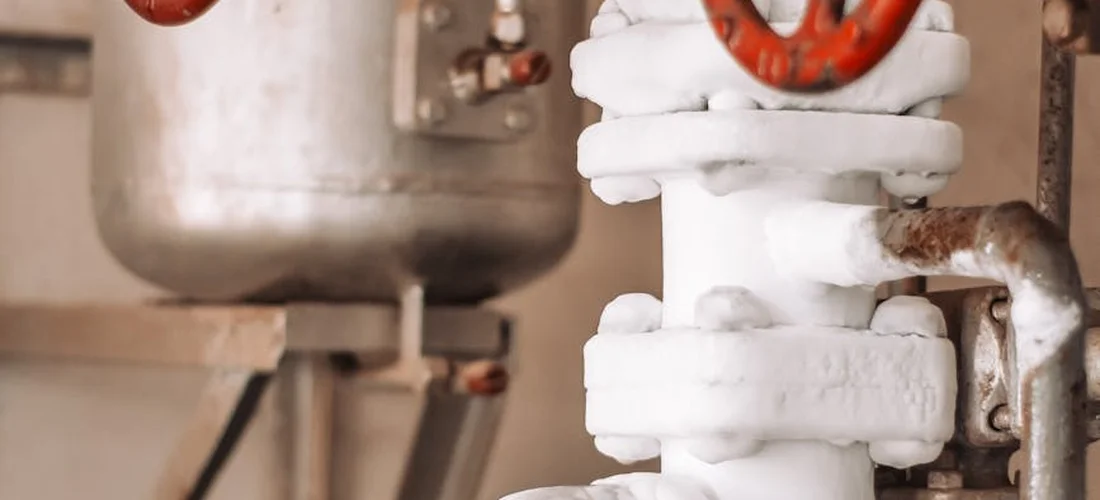
Before you start, gather your gear. Having everything at your fingertips saves a frantic trip to the hardware store mid-repair.
- Adjustable Wrench: A trusty 10-inch wrench is perfect for loosening union nuts.
- Screwdriver Set: Both flat-head and Phillips drivers for faceplate screws and handle setscrews.
- PVC Primer & Cement: Get clear primer and a medium-bodied, fast-set cement for pressure pipes. Don’t use the all-in-one glue; it’s not as reliable for pressurized spa lines.
- Silicone Grease: A tube of pure, plumber-grade silicone lubricant is non-negotiable for O-rings.
- Channel-Lock Pliers: Helpful for stubborn unions, but wrap the jaws in tape to prevent chewing up the plastic.
- Utility Knife & Emery Cloth: For cleaning old cement and smoothing pipe burrs.
For replacement parts, you have options.
- O-Ring Kits: A universal spa O-ring kit is a lifesaver. It contains the various-sized nitrile rings that keep water where it belongs.
- Diverter Valve Repair Kits: These are gold. A generic 1.5″ or 2″ spa diverter repair kit typically includes the internal gate, seats, and all seals. For common brands like Balboa or Waterway, a generic kit often works, but for integrated systems, a brand-specific kit guarantees a perfect fit.
Your first and most critical step is always to shut off all power to the hot tub at the breaker panel and verify it’s dead—this protects you from lethal electrical shock.
Step-by-Step: How to Fix Your Hot Tub Diverter Valve
Step 1: Isolate the Valve and Drain the Plumbing
With the power confirmed off, you need to stop water flow to the valve. If your tub has shut-off valves on the suction and return lines, close them. Most don’t, so you’ll need to drain the tub below the jet level. It’s essential to have a plan for emergencies like power outages, especially when dealing with hot tubs.
- Use a garden hose to drain the bulk of the water from the hot tub.
- Locate the drain port at the base of the equipment cabinet and open it to let the remaining plumbing water empty into a bucket or wet-dry vac.
- Relieve any trapped air pressure by briefly turning the power back on at the breaker to let the pump attempt to prime for just a second, then immediately shut it off again. This “burps” the lines.
Working on wet, pressurized lines is a guaranteed mess; taking these few extra minutes to drain properly keeps your workspace dry and manageable.
Step 2: Disassemble the Valve Body
Now, get to the valve itself. It’s usually found where two or more pipe lines converge before the pump or heater.
- Remove the control handle by finding the small setscrew on its side and loosening it with an Allen wrench or screwdriver.
- Unscrew the faceplate or decorative cover to reveal the valve body.
- Using your adjustable wrench, carefully loosen the large union nuts that connect the valve to the PVC pipes. Turn them counterclockwise. Don’t force it; if they’re stubborn, a little heat from a hair dryer on the nut can expand the plastic just enough.
- Gently separate the valve assembly from the pipes. Before you pull anything apart, snap a quick photo with your phone or use masking tape to label each pipe; this visual map is your best friend for correct reassembly.
Step 3: Inspect and Replace Worn Components
With the valve in hand, disassemble it according to its design-usually by separating two halves held together by bolts or a central clip.
- Inspect the diverter gate (the part that moves). Look for cracks, warping, or heavy calcium scale.
- Check the internal seats (where the gate seals). Grooves or erosion here cause leaks.
- Examine every single O-ring and seal. They become flattened, brittle, or develop tiny splits you can feel with your fingernail.
Even if only one seal looks bad, replace them all with the seals from your repair kit; mixing old and new seals invites a leak to come back in a few months. For scale, soak parts in a mild solution of muriatic acid and water (1:10 ratio) in a well-ventilated area, then rinse thoroughly. I’ve brought crusty gate assemblies back to life this way, saving the cost of a new part.
Step 4: Reassemble, Reconnect, and Pressure Test
You’re on the home stretch. Cleanliness and patience are key.
- Coat every new O-ring and seal with a generous layer of silicone grease. This ensures a smooth fit and long life.
- Reassemble the valve internals, making sure the gate moves freely and seats properly.
- If you had to cut any pipes, dry-fit everything first. When ready, apply PVC primer to the pipe ends and inside the valve sockets, then apply cement and push together with a slight twisting motion. Hold for 30 seconds.
- Hand-tighten the union nuts, then give them a firm quarter-turn with the wrench-over-tightening cracks the housing.
Do not fill the tub yet. Restore power at the breaker, turn on the pump, and listen. Watch the valve and connections closely for 60 seconds; any spray or drip means you must shut down, drain, and re-seal that connection. This dry pressure test prevents a major flood. Once it holds, refill the tub, purge air from the lines, and test the valve’s operation. Don’t forget to rebalance your water chemistry, as the fresh water has changed your baseline, especially after refilling.
When Repair Isn’t Enough: How to Replace a Diverter Valve
I’ve opened up panels to find diverter valves split open like a ripe melon, victims of a hard freeze or years of chemical neglect. You know a valve must be fully replaced when you see physical cracks in the PVC body or if it was originally installed with permanent solvent cement, making a seal kit useless. A glued-in valve won’t twist out; it has to be cut free.
Replacing a valve is a straightforward DIY job if you’re comfortable with PVC plumbing. Here’s my field-tested method:
- Kill the power at your home’s breaker panel. I never touch hot tub plumbing without confirming the electricity is off.
- Drain the tub so the water level is below the valve you’re working on. This prevents a messy flood.
- Use a sharp PVC tubing cutter to make clean, square cuts on the pipes leading into and out of the old valve. Leave about an inch of pipe on each side.
- Dry-fit your new valve. Match the port size exactly; common sizes are 1.5″ or 2″. A mismatch means a trip back to the store.
- Clean the pipe ends and new valve sockets with PVC primer. Then, apply a solid bead of clear PVC solvent cement to both surfaces, push together with a quarter-turn twist, and hold for 30 seconds. Always solvent-weld in a well-ventilated area; those fumes are potent and give me a headache every time.
- Allow the joint to cure for at least two hours before you refill the tub and restore power for a leak test.
Let’s talk money. A standard 2″ diverter valve typically costs $25 to $60. A repair kit with O-rings and a gasket is cheaper, around $10 to $25. If the valve body itself is compromised, buying a repair kit is wasted money; you need the whole assembly for a lasting fix. I keep a spare valve on my shelf for emergencies.
Smart Maintenance to Prevent Future Diverter Valve Problems
The sting of chlorine and the hum of the pump mean nothing if your water balance is off. Imbalanced chemistry is the slow killer of diverter valves. High calcium hardness (above 250 ppm) forms a crusty, white scale inside the valve that restricts movement, while a low pH (below 7.2) turns the water acidic and eats away at the vital rubber seals. Test your water weekly and adjust to keep things in the safe zone.
Mechanical parts need motion to stay happy. Once a month, while the pump is running, turn your diverter valve handle through its full range. This monthly exercise prevents the internal stem from seizing in one position, which is a common reason I get called out for repairs. It takes five seconds and saves a hundred dollars.
- Link weekly water checks to a visual inspection: When you dip your test strips, make it a habit to glance at the diverter valve base and handle for any beads of water or dampness. Catching a weep early is simple.
- Balance your water to protect your investment: Aim for 150-250 ppm calcium hardness and a pH of 7.2-7.8. This protects every plastic and rubber component in your system.
- Exercise the valve handle monthly: Move it from one stop to the other to keep the internal pathway clear and the O-rings supple.
Balancing Water Flow and Jet Performance After Repair
Once that diverter valve is moving freely again, you get to play conductor for your hot tub’s symphony of water. Turning the valve handle directly shifts the pump’s workload, changing the roar or hum you hear and the push you feel at the jets. Controlling which jets run—and turning off Jacuzzi jets when desired—can further tailor comfort and save energy. I’ve recalibrated many systems where a homeowner complained of weak heat; often, the diverter was set to send most water to a single jet bank, starving the flow past the heater sensor and causing short, inefficient cycles. For every action, there’s a hydraulic reaction-divert more flow to the foot jets, and the pressure feeding the heater loop drops, making it labor longer to maintain your set temperature.
Finding that sweet spot for a therapeutic massage is a dance between water and air. The diverter controls where the water goes, but the air controls define the jet’s texture. Start with the diverter in a neutral, 50/50 position and listen as you slowly introduce air-the jets should transition from a solid stream to a bubbly, turbulent rush without sputtering or losing force. With the right balance, you can tailor a targeted hydrotherapy massage by directing jets to zones like the shoulders or lower back. Fine-tuning the aeration and pressure makes the experience a personalized therapeutic tool. Here’s my field-tested method for dialing it in:
- Power on the circulation pump and set the main pump to high speed.
- Adjust the diverter valve until you feel consistent pressure from all active jet groups.
- Open the air controls incrementally for each jet zone, waiting for the sound to smooth out into a steady, aeriated flow.
If one seat feels like a firehose and another is lethargic, nudge the diverter handle until they equalize, then fine-tune with the air. Your shoulders will thank you.
A valve that glides without sticking does more than just improve your soak-it’s the heart of an efficient system. Free, unobstructed flow allows the filter to capture contaminants effectively and lets the pump operate at its intended pressure, slicing down on runtime and energy consumption. After fixing a seized valve on my own tub, I watched the filtration cycle complete 10 minutes faster, and the consistent water movement kept the sanitizer evenly distributed. That smooth operation translates directly to cleaner water, lower electricity bills, and less wear on every component from the pump seals to the heater element.
FAQs
Where can I find a diverter valve repair kit nearby?
Your best local sources are dedicated pool and spa supply stores, as they carry parts specific to hot tub brands. Large home improvement retailers may have universal O-ring kits, but for a complete repair kit with the internal gate, check with specialty dealers first. You can also call local hot tub service companies; many sell parts over the counter even if you’re doing the repair yourself.
Are shower or boiler diverter valve repair kits the same as for my hot tub?
No, they are not interchangeable. Kits for brands like Moen (shower) or Vaillant/Baxi (boiler) are designed for entirely different systems with different pressures, materials, and connections. Using a shower or boiler kit in your hot tub will not fit and could cause significant leaks or damage. Always use a kit designed specifically for spa or pool plumbing applications, as hot tub parts are not universal or interchangeable.
How do I know which hot tub diverter valve repair kit to buy?
First, identify the valve brand (like Waterway or Balboa) and its size (usually 1.5″ or 2″). Your best bet is to take a photo of the valve and its part number, if visible, to a spa shop. If unavailable, a universal spa diverter repair kit for the correct pipe size often works, but a manufacturer-specific kit guarantees all components fit perfectly.
Is it better to buy a full repair kit or just individual O-rings?
Purchase a complete diverter valve repair kit. Kits include the critical internal gate, seats, and all seals. Replacing only the O-rings while a worn gate or cracked seat remains will not solve common issues like weak jets or internal leaking. A full kit addresses all wear points at once for a lasting repair.
What if I can’t find a repair kit for my specific hot tub model?
Don’t panic. First, search online using the valve’s brand name and pipe diameter, not your hot tub model. Many valves are generic across brands. If that fails, a spa professional can often match the valve visually. As a last resort, replacing the entire valve assembly with a new, compatible unit is a reliable solution.
The 7-Day Check
Before you slip into that glorious, bubbling water, do one final check. Turn on the pump and run your hand over each jet bank you adjusted. Feel for that strong, even flow you worked to restore. This quick test verifies your repair holds under pressure and ensures no surprise airlocks have formed since you closed everything up.
Your new golden rule for diverter valve happiness is simple but non-negotiable. Every time you refill your tub or open the system, you must bleed the air from your circulation pump by loosening its bleeder valve until a solid stream of water appears. This one habit prevents 90% of the groaning, air-spitting, and weak flow that sends owners scrambling for tools. Pair it with a fresh filter o-ring every two years, and your valves will turn smoothly for a long, long time.
You’ve done the hard work. You diagnosed the issue, wrestled with unions, and learned the hiss of escaping air. Now, go turn on those jets, listen to that healthy hum, and finally get back to your soak. You’ve earned it.
Further Reading & Sources
- Amazon.com: Hot Tub Diverter Valve
- Hot Tub Diverters & O Rings – Arctic Spas
- Hot Tub Diverter Valves. Hot tub On / Off Valves. – Hot Tub Warehouse
- What is the fix for a leaking hot tub diverter valve?
- Spa Diverter Valves
- Hot Tub Diverter Valves – Parts
Charlie is a hot tub enthusiast with a passion for keeping your jets running smooth and your bubbles bursting with joy. With years of experience in hot tub and jacuzzi maintenance, Charlie knows that a happy tub means a happy you. Whether it’s dealing with stubborn filters or giving your spa a little TLC, Charlie’s here to share expert tips, tricks, and plenty of laughs to help you keep your bubbly retreat in tip-top shape. So, kick back, relax, and let Charlie handle the rest — because no one likes a cranky jacuzzi!
Equipment Checks