
Stop the Slip: How to Choose the Safest Hot Tub Steps and Handrails in 3 Steps
Published on: January 15, 2026 | Last Updated: January 15, 2026
Written By: Charlie Bubbles
If you’re clutching a shaky rail or taking a tentative step onto a slick surface, your body is screaming a warning. Your hot tub’s entry setup is an accident waiting to happen. This isn’t just about comfort; a bad step or wobbly handrail on wet decking is a major fall risk that turns your spa from a sanctuary into a hazard.
What You Need:
- A simple tape measure.
- Knowledge of your deck material (wood, composite, concrete).
- A clear picture of who uses the tub most.
- Five minutes to assess your setup.
I’ve installed dozens of these systems, and I’ll show you exactly how to secure your spa for good, without ever calling a pro.
Why Your Spa Needs Dedicated Steps and Handrails
Let me tell you about a service call I’ll never forget. I arrived to find a frantic homeowner and a film of leaves and mud clouding the water. The client had tried to hop the side, slipped on the wet acrylic, and took a nasty tumble. Nothing was broken, but their dignity and the tub’s pristine water were both casualties. A dedicated step isn’t just a convenience; it’s the primary defense against the most common and dangerous hazard at your spa—the wet, slick entry point. That is why preventing slips and falls around your spa with safe surfacing is essential. In our guide to safe surfacing, we cover practical options to keep decks and surroundings slip-free.
Poor access has real consequences. A slip can mean anything from a bruised hip to a serious head injury, especially for older users. Beyond the human cost, think about what gets introduced to the water during a fall: dirt, lotions, grass, and who knows what else from your clothes or deck. That single mishap can throw your perfect water balance into chaos, forcing a full shock treatment and filter deep-clean to combat the organic contamination.
We talk endlessly about alkalinity and sanitizer levels, and for good reason. Think of safety hardware the same way. Balancing your water protects the tub and your health from the inside; steps and handrails protect you and the tub from the outside. You wouldn’t run your spa without chlorine; don’t use it without a secure, designated way to get in and out. Both are non-negotiable pillars of responsible ownership.
Breaking Down Hot Tub Step Options
Fixed, Retractable, and Detachable Spa Steps
- Fixed Steps: These are your permanent, rock-solid solution. They typically bolt or anchor directly to your deck or the tub’s apron. I recommend them for permanent installations where space isn’t a concern. Their stability is unmatched, which is ideal for users who need extra confidence with each step.
- Retractable Steps: A brilliant space-saver for tighter decks. These units slide or tuck directly under the hot tub skirt when not in use. The hinge mechanism is critical here-look for robust, stainless steel hardware. A flimsy hinge on a retractable step is a failure point waiting to happen, so never compromise on build quality for this style.
- Detachable Steps: These offer maximum flexibility. Not attached permanently, you can lift them away for thorough deck cleaning, rearranging furniture, or storage over the winter. They’re fantastic, but their portability means you must be diligent about placing them on a perfectly level surface every single time to prevent wobbling.
Material Showdown: Aluminum, Resin, and Wood
Aluminum Steps: Lightweight and Durable
- Pros: Incredibly resistant to rust and corrosion from pool chemicals. They often boast the highest load ratings, easily handling 400 lbs or more. Their light weight makes moving detachable models a one-person job.
- Cons: Bare aluminum can get scorching hot under a summer sun and become slippery when wet. Most quality models have integrated treads, but if yours doesn’t, adding a permanent anti-slip tape is mandatory.
Resin Steps: Weatherproof and Affordable
- Pros: Molded plastic resin steps are kings of slip resistance. Their textured surface provides grip even with wet feet. They’re virtually maintenance-free-no painting, sealing, or fear of rust. You’ll find great value here.
- Cons: Prolonged UV exposure can cause fading or brittleness over many seasons. Always check the manufacturer’s weight capacity, as it can vary more widely than with metal frames. That molded-in color is great until it isn’t, so consider a shaded location to prolong its life.
Wood Steps: Aesthetic but High-Maintenance
- Pros: Nothing beats the classic, natural look of cedar or redwood steps against a wooden deck. You can also custom-build them to fit a unique space perfectly, which is a huge advantage for non-standard installations.
- Cons: This is a relationship. Wood requires annual sealing or staining to prevent water damage, rot, and splinters. Even then, constant moisture and chemical splash-back will take a toll. They are also the heaviest option by far.
Key Features to Vet in Safety Steps
- Non-Slip Treads: This is the feature. Look for deeply textured, raised patterns or permanently bonded abrasive mats. Run your hand over it-it should feel gritty, not smooth.
- Weight Capacity: Do the math for all potential users. Aim for a minimum of 300 lbs, but 400-500 lbs gives you a much safer, more durable margin.
- Weatherproof Construction: For metal, powder-coated or anodized finishes resist corrosion. For resin, UV-inhibited blends resist sun damage. For wood, only use pressure-treated or naturally rot-resistant lumber.
- Hinge Mechanism: On folding models, inspect the hinge. It should be robust, move smoothly without pinching, and use stainless steel pins or bolts. Plastic hinges on main supports are a red flag.
Selecting the Right Hot Tub Handrail
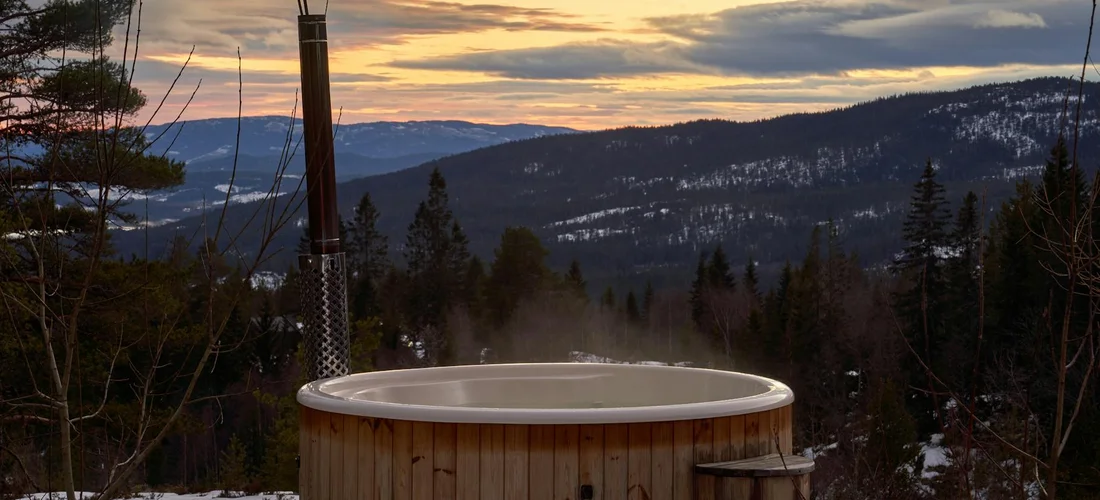
Picking a handrail isn’t about looks alone; it’s about trust. I’ve steadied many a wobbly rail after a homeowner’s near-fall. Your handrail is the first and last thing you grab, so it must inspire confidence every single time.
Stainless Steel vs. Powder-Coated Handrails
This choice boils down to battling the elements versus custom comfort. After years on service calls, I’ve seen how each material ages. Stainless steel is your go-to for a no-nonsense, decade-long fight against rust and chemical corrosion.
- Stainless steel offers exceptional corrosion resistance and structural strength. It laughs off chlorine splash and won’t weaken in sun or snow. The cool, smooth metal can feel slippery if your palm is wet.
- Powder-coated rails provide color options to blend with your patio and a textured finish for superior grip. The coating is like a durable skin, but it can chip if scraped by hard objects, requiring occasional touch-ups.
Installation Types: Weighted vs. Fixed Mount
Installation method decides your commitment level. I always ask owners, “Is this forever, or just for now?” Weighted bases offer freedom, while fixed mounts deliver unshakable, permanent support.
- Weighted bases use sand or water ballast for no-drill, portable stability. They’re perfect if you rent or like to change your layout. Just ensure the base is broad and heavy enough-I aim for 60+ pounds-to resist tipping when you lean hard.
- Fixed mount rails bolt directly into your deck or spa shell for a permanent, ADA-compliant solution. This involves drilling, but the reward is a rock-solid anchor you can depend on for years without a hint of wiggle.
Must-Have Traits for Easy Grip Rails
Skip the fancy extras and focus on these core features. I judge a rail by how it feels in a wet, soapy hand. A perfect rail disappears in your grip because it feels so natural and secure.
- Slip-Resistant Grip Diameter: Target 1.25 to 1.5 inches. This range accommodates most hand sizes without straining.
- Adjustable Height: Allows customization for different users and entry points, a simple feature that prevents awkward bending.
- Load Rating: Never accept less than 250 pounds. This rating is your safety margin for dynamic weight during entry and exit.
- Safety Standards Compliance: Look for marks from ANSI or ASTM. This independent testing proves the rail meets rigorous safety protocols.
Your Practical Purchase Checklist
Use this list like my field notepad to avoid costly mistakes. I’ve saved clients hundreds by catching fit issues before purchase. Measuring twice and checking once applies just as much to hot tub accessories as it does to plumbing cuts. To apply that mindset to hot tub replacement covers, measure accurately—length and width, plus any corner radii. Double-check before you buy to ensure a snug, proper fit.
For Steps: Ensuring Slip Resistance and Stability
- Measure your tub’s height and deck space. Steps must bridge the gap comfortably. A step that’s even an inch too high forces an unsafe, large stride.
- Test tread texture-look for deep grooves or abrasive surfaces. The best treads feel like a sturdy doormat underfoot, channeling water away from your soles.
- Verify weight capacity exceeds the heaviest user. Add a 100-pound buffer to the heaviest person’s weight for a safe, durable margin.
- Ensure compatibility with your tub shape (round, square). Curved steps for round tubs prevent dangerous gaps where a foot could slip through.
For Handrails: Gauging Support and Fit
- Determine needed rail length based on tub entry point. The rail should let you establish balance before you lift a foot, not just as you’re stepping in.
- Check base design for your surface (wood, concrete). Weighted bases need a flat surface; fixed mounts require specific concrete anchors or lag bolts for wood.
- Opt for easy-grip rails with minimal maintenance. Think about your climate: stainless wipes clean easily, while powder-coat may need waxing to protect the finish.
- Consider indoor vs. outdoor spa safety needs. Outdoor rails need UV-resistant materials; indoor rails must resist humid, steamy air without degrading.
Installing Steps and Handrails: A Handyman’s Guide

Getting your new safety gear from the box to the tubside is the most satisfying part. I’ve installed more of these than I can count, and the secret is all in the prep work. A rushed job here leads to wobbly steps or, worse, a leak in your spa cabinet. Remember: safety equipment should be near the hot tub for quick access. Keep items like a waterproof first-aid kit and a non-slip mat within arm’s reach of the tub.
Step Installation: Leveling and Securing
Your goal is a rock-solid, trip-free entrance. The enemy is always an uneven patio or deck. Grab your level, a rubber mallet, a pencil, and your mounting hardware-often concrete anchors or long deck screws.
- Dry-Fit First: Never just start drilling. Place the steps exactly where you want them. Have a helper sit in the tub while you check the step height against the tub lip. It should feel like a natural stair, not a big step up.
- Chase Level, Not Flush: Lay your level across the steps front-to-back and side-to-side. If your ground is uneven (and it usually is), use plastic or composite shims under the step base to achieve perfect level. Shimming before anchoring prevents stress cracks and keeps the unit from rocking later.
- Secure from the Inside: Once level, mark your drill points through the pre-mount holes. Drill pilot holes, then drive in your anchors or screws. Tighten everything down evenly, double-checking for level after each turn. That solid *thunk* when you step on it is what you’re after.
Handrail Installation: Drilling and Anchoring
Drilling into your expensive hot tub surround is nerve-wracking. I once nicked a PVC line doing a rush job-a mistake I only made once. For this, you’ll need a variable-speed drill, a drill bit matching your anchor size, a wrench, 100% silicone sealant, and a stud finder or keen eye. These are just a few of the essential hot tub repair tools every DIYer should have.
- Power Down & Plan: First, turn off the power to your spa at the breaker. No exceptions. Position the handrail’s mounting bracket where it feels most natural. Use a stud finder or tap the area to listen for solid wood framing behind the acrylic lip-this is your ideal anchor point.
- Mark and Mind the Guts: Mark your drill holes with a pencil. Now, critically, avoid drilling directly below the spa’s control panel or directly above the equipment bay, as plumbing and wires often run there. When in doubt, drill a small pilot hole first to check depth.
- Seal Against the Seep: After drilling your final holes, squirt a dab of silicone sealant into each one before inserting the anchor. This seals the conduit against water intrusion that can rot the frame. Mount the bracket, tighten firmly, and apply a neat bead of silicone around the bracket’s edge for a waterproof seal.
Maintaining Your Safety Accessories for Longevity
Steps and rails face a brutal environment: sun, chlorine, constant wetness, and body oils. Neglect them, and that grippy surface turns slick, or metal starts to corrode. A tiny bit of routine care keeps them safe and looking new for years.
Cleaning Non-Slip Treads and Rails
I add this to my weekly water check routine-it takes two minutes. Body oils and lotions are the primary culprits that break down slip-resistant textures and attract algae.
- Weekly Wash: Use a soft brush and a solution of mild dish soap and warm water. Scrub the treads and the handrail thoroughly, then rinse with a hose or bucket. It cuts the grease and prevents a biofilm buildup.
- Chemical Caution: Avoid bleach, abrasive cleaners, or pressure washers. They will degrade the plastic polymers and erode the textured surface, making it smooth and dangerous over time.
- Monthly Inspection: While cleaning, feel for worn-down spots on the treads. Check hinge bolts on folding steps for tightness and lubricate with a dry silicone spray if they start to stick.
Seasonal Inspection and Storage Tips
When the seasons change, give your safety gear a full once-over. This proactive habit has saved me from mid-winter failures more than once.
- Pre-Winter Prep: Give everything a deep clean. Check for hairline cracks in plastic steps, especially near stress points. Look for rust on any metal components or screws; sand and touch-up with paint if needed. Apply a UV protectant spray designed for plastics to prevent winter sun damage.
- Smart Storage: If you have removable steps or rails, store them for the winter. A dry garage or shed is perfect. Storing them eliminates weather wear and tear, easily doubling their service life. Prop them up, don’t lay them flat, to prevent warping.
- Annual Stress Test: Once a year, tighten every bolt and screw you can find. Then, put your full weight on the handrail and step on the outer edge of each step, checking for any flex or movement. If it moves, find and tighten the loose component immediately.
Common Questions
Are handrails necessary if I already have sturdy steps?
Yes, for maximum safety, they are considered a complementary pair. Steps address the height challenge, while handrails provide crucial upper-body stability and balance support during the transition in and out. Using both significantly reduces the risk of a slip or fall by giving users multiple points of contact.
How do I properly calculate the weight capacity I need for steps?
Do not simply match the weight of your heaviest user. You must add a significant safety margin. A good rule is to take the weight of the heaviest person who will use the tub and add at least 100 pounds to account for dynamic force, wet conditions, and long-term wear. Look for steps rated for a minimum of 400-500 lbs for a durable, safe choice, and ensure that your overall hot tub deck can support this weight.
What’s the best way to maintain slip resistance on step treads over time?
Regular cleaning is essential to prevent a buildup of body oils, lotions, and algae that can make surfaces slick. Use a mild soap and soft brush weekly. Avoid harsh chemicals or pressure washers, which can degrade the textured surface. Periodically feel for worn spots and consider applying a permanent anti-slip tape if the original treads become smooth.
Can hot tub steps be adjusted for users of different heights?
The steps themselves are typically a fixed height. If your hot tub sits on sloped ground, make sure the step base is level and securely supported. Your focus should be on selecting a step whose top platform correctly matches your tub’s entry height. A level setup helps reduce wobble and keep the entry path stable. For accommodating different users, prioritize handrails with an adjustable height feature. This allows each person to set the rail to a comfortable and secure gripping position.
How can I ensure a weighted-base handrail won’t tip over?
Stability depends on the base’s design and weight. Ensure the base is broad and low-profile to prevent tipping. Follow the manufacturer’s instructions to fill it completely with sand or water, and place it on a perfectly level, solid surface. For ultimate confidence, a fixed-mount installation is the only way to guarantee zero movement.
Your Final Safety Check
Before you celebrate with a long-awaited soak, give your steps and handrails a final, real-world test. Turn on the jets, get the water churning, and step onto the stair treads as if you were entering after a long day. Feel for any wobble, listen for creaks, and test your grip on the rail under the slight motion of the water. This final “wet test” is the only way to confirm your installation is truly secure for actual use.
Safety hardware is only as good as your commitment to it. From my years of servicing tubs, I’ve found that loose fittings are the number one cause of otherwise great steps and rails becoming hazards. Make it a non-negotiable ritual to check and tighten every screw and bolt on your steps and handrails at least once every season, and you’ll prevent nearly every stability problem before it starts. This takes five minutes but builds a foundation of confidence that lasts for years.
You’ve done the hard work. Now, step in securely, relax completely, and enjoy that well-earned soak. You’ve built more than just support-you’ve built peace of mind.
Further Reading & Sources
- Amazon.com: Hot Tub Steps With Handrail
- Hot Tub Spa Steps, Stairs & Handrails | SpaDepot.com
- Hot Tub Storage Steps With Handrail™ from Step2
- Spa Steps and Hot Tub Handrails
- Hot Tub Steps – (Plastic Spa Steps) | Master Spa Parts
- Spa Steps With Handrail | Wayfair
Charlie is a hot tub enthusiast with a passion for keeping your jets running smooth and your bubbles bursting with joy. With years of experience in hot tub and jacuzzi maintenance, Charlie knows that a happy tub means a happy you. Whether it’s dealing with stubborn filters or giving your spa a little TLC, Charlie’s here to share expert tips, tricks, and plenty of laughs to help you keep your bubbly retreat in tip-top shape. So, kick back, relax, and let Charlie handle the rest — because no one likes a cranky jacuzzi!
Safety Tips