
DIY Hot Tub vs. Pre-Made: How to Choose the Right Path in 3 Clear Steps
Published on: January 11, 2026 | Last Updated: January 11, 2026
Written By: Charlie Bubbles
If you’re sketching wooden tub designs one minute and comparing warranty terms on pre-built models the next, you’re stuck in the decision loop. This hesitation is a planning issue, not a plumbing emergency, but letting it linger wastes your time and money.
- A honest look at your weekend availability
- Your total project budget, written down
- A notepad for comparing hard costs and hidden efforts
I’ll help you cut through the noise with a straight-from-the-workshop comparison so you can decide confidently, no salesperson required.
Understanding the Core Choice: Build It Yourself or Buy It Ready?
What is a DIY Hot Tub?
Think of a DIY hot tub as a custom aquatic project you assemble from individual, off-the-shelf parts. It’s a hands-on endeavor where you become the engineer, plumber, and electrician, sourcing every component yourself to create a functional spa. You gain absolute control over the design, but you also shoulder every single responsibility for its performance and safety.
Common builds I’ve seen range from rustic to industrial. Many folks start with a large wooden stock tank, the kind used for watering livestock. Others construct a box from rot-resistant lumber like cedar or build a shell from concrete blocks and mortar. The most inventive project I ever helped troubleshoot used a repurposed industrial food-grade mixing vessel, which required some serious creative plumbing to get the jets positioned right.
Beyond the shell, you’re piecing together a life-support system: a separate circulation pump, a stand-alone heater, a filter canister, and miles of PVC pipe. You decide the jet placement, the pump horsepower, and even the control system, which might be a simple switch or a complex aftermarket control pack.
What is a Pre-Made or Prefab Hot Tub?
A pre-made hot tub is a complete, factory-sealed system delivered to your home. Every part—the acrylic shell, the jets, the pumps, the heaters, and the digital brains—is designed to work together as a single, integrated unit. You’re buying a finished product, not a collection of potential. To help you understand how it works, this do hot tubs work complete guide breaks down each component and shows how they coordinate to keep the system running smoothly.
These come in two main flavors. Plug-and-play models are lower-power units that often plug into a standard household outlet, making setup easier but limiting jet power and heating speed. Full-featured acrylic spas are the classic hot tub, requiring a dedicated 220V electrical circuit but offering robust performance. The beauty of a prefab tub is its turnkey nature; you fill it, balance the water, and it’s ready to soak, backed by manufacturer warranties that cover the entire system. The design and engineering work is already done for you. Understanding hot tub electrical requirements helps you choose the right model. Plug-and-play units typically run on 110V, while full-featured spas usually require a dedicated 220V circuit.
Cost Analysis: Comparing Upfront Price and Long-Term Spending
Calculating Total DIY Hot Tub Cost
Budgeting for a DIY build means accounting for every nut, bolt, and wire. The initial shell or structure is just the beginning. You must price each mechanical component separately, and forgetting just one can bring your entire project to a halt. Here’s a realistic breakdown from my own parts-hunting adventures.
- Material Costs:
- Shell/Structure: A new 8-foot wooden stock tank runs $800-$1,200. Lumber for a cedar box can easily hit $500-$1,500.
- Pump: A decent 1.5 to 2 HP circulation pump designed for continuous duty will cost $250-$500.
- Heater: A 5.5 kW stainless steel heater element and housing can be $200-$400.
- Filter: A filter canister with a 50 square foot cartridge is about $150-$250.
- Plumbing: Schedule 40 PVC pipes, fittings, valves, and primer/cement: $100-$200.
- Essential Tools: If you don’t own them, factor in a saw, a quality drill, PVC cutters, and a non-contact voltage tester. Using the wrong PVC cement can lead to leaks that only show up under pressure, a lesson I learned the hard way on an early project.
- The Control System: This is the brain. A basic generic spa pack with a digital topside controller starts around $500. Trying to wire switches and timers yourself is cheaper but risky and far less convenient.
- Hidden & Necessary Expenses:
- Permits: Your local building department may require electrical and construction permits.
- Insulation: Rigid foam board and foil wrap are critical for efficiency, adding $100-$300.
- Water Care: A professional-grade test kit and initial chemical set is a non-negotiable $80-$120.
A realistic total for a functional, safe DIY tub often lands between $2,500 and $4,500, not counting your labor, which will be substantial. For the average cost of a Jacuzzi bathtub, expect higher numbers due to jets and professional installation.
Understanding Pre-Made Hot Tub Pricing
Prefab pricing is more straightforward but has its own layers. You’re paying for convenience, integrated design, and that factory warranty. Prices form clear tiers that generally reflect size, jet count, and insulation quality, which directly impacts your long-term energy bills.
- Entry-Level (3-4 person, basic features): $3,000 – $5,000. Often thinner insulation and fewer jets.
- Mid-Range (5-7 person, good insulation, more jets): $5,000 – $8,000. This is the sweet spot for most families.
- High-End (7+ person, premium materials, advanced therapy): $8,000 – $15,000+. Features like waterfalls, advanced lighting, and superior full-foam insulation.
The sticker price is rarely the final price. You must add essential delivery and setup costs that are often quoted separately. These include professional delivery and placement ($200-$500), electrical installation by a licensed electrician ($800-$1,500 for a dedicated 50-amp GFCI circuit), and a properly reinforced concrete or reinforced patio pad ($500-$2,000 if you don’t have one). Brand reputation also plays a huge role, with established names commanding a premium for proven reliability and customer service.
Construction Time and Labor: Your Hours Versus Waiting Days

Realistic Timeline for Building a DIY Hot Tub
Building your own spa is a calendar-eating project, not a quick weekend bolt-together. You must budget your time in phases, because rushing any step guarantees a leak or a shock hazard later.
Phase 1: Planning and Sourcing Materials (1-2 weeks)
This phase is all about lists and legwork. You’re designing the tub shape, calculating water volume, and hunting for components. Finding a reliable pump, a properly sized 240V heater, and quality cedar or redwood can take over a week, especially if you’re comparing prices and specifications online. Don’t forget the little things: 50-square-foot filter cartridges, schedule 40 PVC, and true union ball valves.
Phase 2: Physical Construction and Assembly (2-4 weekends)
Now the sawdust flies. You’ll be cutting lumber, building the supporting frame, and installing the insulating foam liner. The hum of a table saw will become your weekend soundtrack as you ensure every joint is square and every screw is driven to the correct torque. This stage is physically demanding and often stretches longer if weather interrupts or a cut doesn’t go as planned.
Phase 3: Plumbing, Electrical Wiring, and System Testing (1-2 weekends)
This is where your creation comes to life-or where hidden flaws appear. You’ll glue PVC pipes with clear primer and cement, wire the control box, and integrate the components. Always pressure-test your plumbing with air before the final water fill to spot any faulty solvent-weld joints immediately. The first system power-up is a tense moment of truth.
I learned this the hard way on an early build. After the first fill, I noticed a persistent drip from a pump union I’d overtightened, cracking the fitting. The sting of chlorine in my eyes from the test water mixed with frustration as I spent a whole evening draining, cutting, and re-gluing a small section of pipe. It was a vivid lesson in measured force and patience.
Delivery and Setup Time for a Pre-Made Spa
Buying pre-made swaps your labor for logistics. The clock starts when you sign the order form. Factory lead times can vary from a few days to several months, depending on the model and time of year you order.
Your job during this wait is critical site preparation. A perfectly level, reinforced concrete slab or reinforced deck area is non-negotiable; a tub full of water weighs thousands of pounds and will find any weakness. You must also have a licensed electrician run the dedicated 50-amp GFCI circuit to the exact spot beforehand.
On delivery day, the process is fast. A truck arrives, often with a crane or a specialized cart to move the spa into place. Within a few hours, the tub is positioned, filled, and the dealer may start the pumps for a basic check. The real work for you begins after they leave: balancing the alkalinity to 80-120 ppm, adjusting calcium hardness, and introducing sanitizer for that first, perfect soak.
Skill and Effort: Evaluating the Required Hands-On Work
Building Effort and Expertise for a DIY Project
This path demands a broad and confident skill set. You are the architect, plumber, and electrician. Basic carpentry is just the start; you need to understand plumbing with solvent-weld PVC, where a dry fit is never enough and primer color matters for a solid seal.
- Plumbing: Creating leak-free loops for the circulation pump, heater, and jets.
- Electrical: Safely housing connections in a weatherproof sub-panel and understanding low-voltage control wiring.
- Integration: Problem-solving how the pump, heater, and air blower interact, often using homemade control panels.
Matching pump flow rates to heater demands and jet sizing requires real tinkering. You will spend hours diagnosing a weak jet stream only to find a kinked air hose or a clogged filter from the initial fill.
Hiring a certified electrician for the final 240V hookup is not a suggestion-it’s a life-saving necessity to prevent a lethal hazard in a wet environment. I’ve seen DIY panels that scared me, with exposed terminals just a splash away from disaster.
Installation Effort for a Pre-Made Hot Tub
Here, your effort shifts from creation to coordination and careful follow-through. The heavy lifting is typically handled by the delivery crew with their equipment. Your primary tasks are the meticulous site prep and being the project manager for the electrical installation.
You’ll level the ground, coordinate the electrician’s schedule, and then meticulously follow the manufacturer’s manual for the initial startup. Dealers often handle placement and a basic wet test, but they rarely stay to teach you water chemistry.
The hardest physical labor is usually guiding the spa cart into its final position or helping the crane operator with spotting. Once it’s filled, your ongoing effort is all about maintenance: testing water clarity, cleaning filters monthly, and ensuring energy efficiency by keeping the cover sealed.
Component Quality and System Design
DIY Hot Tub Parts and Customization Potential
When you build your own spa, you hand-pick every component. That means you can spec a pump that matches your exact vision for water movement. I always aim for a two-speed pump with a flow rate around 50 gallons per minute on high speed. That robust flow ensures your jets have punch and your filter gets proper circulation. For filtration, skip the cheap cartridge and use a pleated filter with a 10 to 20 micron rating. It traps the fine stuff that makes water cloudy. Your heater is the heart of the warmth; a 5.5 kW stainless steel element is a reliable workhorse for most wooden tub designs. Choosing each part yourself lets you prioritize durability over cost, something I learned after a cheap pump left me high and dry on a cold night. It’s important to understand how different heating systems work and their efficiency before making a decision.
The control system is a major fork in the road. You can build a custom panel with individual timers and switches, which is fantastic if you love tinkering with electronics. The downside? You’re solely responsible for every connection being waterproof and safe. A pre-wired pack from a spa parts supplier is the simpler path. It comes with a weatherproof box and a simple control pad, but you sacrifice the ability to fine-tune pump cycles or add unique lighting later. From my bench, a pre-wired pack is the smarter choice for most DIYers because it bundles safety certifications you just can’t replicate at home.
The best part of DIY plumbing is using standard schedule 40 PVC pipe and slip fittings. Every joint is accessible with clear primer and cement. When a seal fails years down the line-and it will-you won’t be hunting for a special tool. You’ll just cut out the old section and glue in a new one. This modular design means adding a second suction line or a dedicated filter bypass is straightforward. Standard parts turn a repair from a nightmare into an afternoon project with a trip to any hardware store.
Pre-Made Hot Tub Build Quality and Integrated Features
Factory-built tubs start with a molded acrylic shell. This creates a seamless, non-porous basin that’s incredibly easy to wipe clean. The plumbing is pressure-tested and sealed at the factory, drastically reducing the chance of leaks behind the cabinet. Jet placement isn’t random; engineers balance the hydraulic system so pump pressure is evenly distributed, giving you a consistent massage from every seat. That engineered balance is hard to beat with a homebrew system, and it eliminates frustrating “dead” jets with no power. Learn more about how Jacuzzi tubs and jets work for a consistent and relaxing experience.
Energy efficiency is where modern pre-made tubs shine. They’re fully foamed with dense insulation that locks heat into the shell and plumbing lines. Pair that with a high-density, vapor-proof cover, and you’ll barely hear the heater click on. This tight thermal envelope can cut your monthly electricity bill in half compared to an uninsulated DIY wood tub. That constant, low hum of the efficient circulation pump is the sound of money staying in your pocket. Curious how much electricity a hot tub uses? Energy efficiency explains it: better insulation and a tight cover curb standby losses.
This integration has a trade-off: the equipment compartment. Everything is packed into a tight space, often with proprietary fittings and unique board layouts. Replacing a common part, like a pressure switch, can feel like solving a puzzle because you have to disassemble half the cabinet to reach it. What you gain in sleek design, you can lose in easy serviceability, a fact I’ve lamented while contorting myself to reach a buried pump.
Lifespan, Repairs, and Long-Term Care
Durability and Repair Complexity of a DIY Build
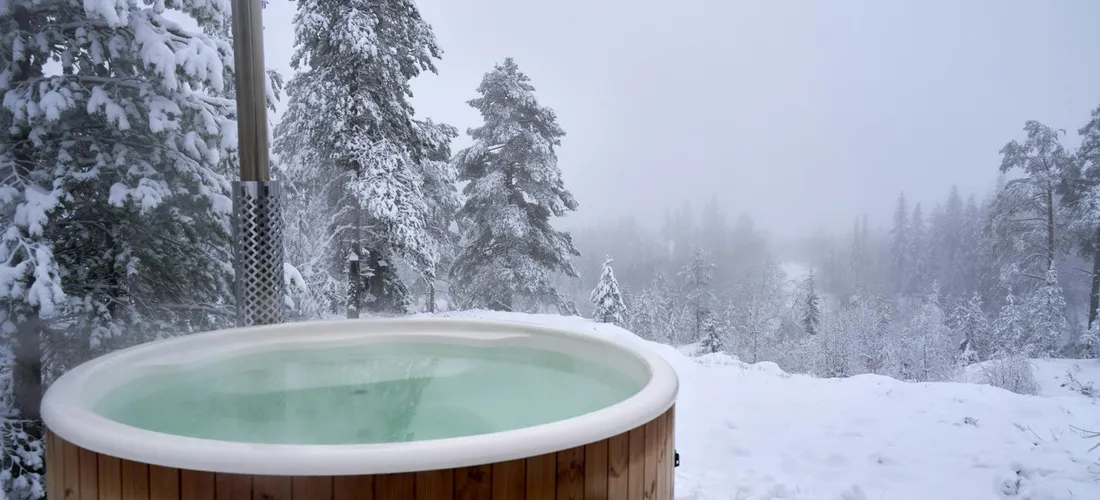
Material choice dictates longevity. For a wooden tub, heart redwood or western cedar are champions. They resist rot and insects naturally but still need a fresh stain sealant every two years. The silicone sealant between boards has a lifespan of about 5 to 7 years before it becomes brittle and needs reapplication. Wood-fired hot tubs work with proper care, delivering a steady, satisfying soak. They’re worth considering for buyers who value natural materials and off-grid heating, as long as ongoing maintenance and costs are part of the plan. Planning for this periodic refresh is part of owning a living, breathing wooden hot tub.
Because you built the system, you have the ultimate repair manual: your memory. You know which 90-degree elbow is behind that panel and exactly which wire powers the heater. Tracking down a leak is methodical, not mysterious. Swapping a pump is just disconnecting three wires and two unions. This intimate knowledge makes you your own best technician, turning complex repairs into simple swap-outs.
DIY systems rarely have automated chemical dispensers. This places the burden of water balance squarely on your shoulders. You must adopt a rigorous, weekly testing routine. Check that total alkalinity first-aim for 80-120 ppm-then adjust pH to a safe 7.4 to 7.6. Neglecting this routine even once can lead to the sting of imbalanced chlorine or scale clouding your beautiful water.
Pre-Made Hot Tub Longevity and Maintenance Logistics
Warranties offer a safety net but read the fine print. A typical structure might be a 5-year shell warranty, a 3-year component warranty on the pump and heater, and only 1 year of labor coverage. This means after year one, you’re paying the service call fee even for a covered part. That labor clause is why I always advise owners to learn basic diagnostics themselves.
Certain parts fail more often. Heater elements can corrode or burn out after several seasons of use. The small 24/7 circulation pump is a common leak point, usually at the shaft seal. Pressure switches, which tell the system there’s enough water flow, can get gunked up and fail. Learning to recognize the symptoms of these failures saves you from a cold tub and an emergency service charge.
When something breaks, you’ll face the OEM versus generic parts decision. An original equipment manufacturer pump seal might cost $75 and ship in a week. A generic mechanical seal with the same dimensions could be $15 and available today. The catch? The generic might not last as long in the specific chemical environment of your tub. For critical parts like heaters, I often spring for the OEM part; for simple seals, a quality generic does the job.
Making Your Decision: Aligning Choice with Lifestyle
Who is the DIY Hot Tub Ideal For?
This path sings to the tinkerer, the person who hears a pump’s irregular hum and reaches for a multimeter, not a phone book. Your ideal builder has welded PVC, wired GFCI breakers, and knows the difference between a gate valve and a ball valve from hands-on experience. I’ve been there, elbows deep in plumbing schematics, because total cost control matters more than a fast timeline.
Advanced tool skills are non-negotiable. You’ll need to proficiently use a pipe cutter, a soldering torch for copper lines (or know your PVC cement cure times), and a voltage tester. A flexible schedule is key, as sourcing parts and solving unforeseen leaks can turn a weekend project into a month-long labor of love.
The real reward is in the puzzle. There’s a deep satisfaction in solving the hydraulic riddle of balancing flow to multiple jets, feeling the water pressure equalize through your own calibrated valve adjustments. I recall a build where aligning three separate pump outputs felt like conducting an orchestra; when the jets finally surged in unison, the clarity of that success was better than any store-bought manual.
You value knowing every seal, every wire, and every pipe. This knowledge makes future repairs, like swapping a heating element or cleaning a clogged jet, straightforward and cheap. You embrace the initial water chemistry headache as a solvable equation, not a hassle.
Who Should Choose a Pre-Made Hot Tub?
Choose this route if your goal is reliable relaxation, not a project portfolio. The ideal buyer wants a feature-complete spa delivered and bubbling within days, not months, with professional installers handling the heavy lifting. You prefer spending your evenings soaking, not soldering.
You value the security blanket of a comprehensive warranty that covers the shell, equipment, and labor. When a circulation pump fails, you want a certified technician to fix it, not a DIY diagnosis in the rain. This peace of mind is worth the premium.
Factory-sealed systems offer a massive head start on water balance. The plumbing is sanitized and sealed at the factory, which drastically reduces the initial microbial bloom and chemical demand when you first fill it. You’ll still need to test and adjust, but you avoid the extreme chemical sting and cloudiness that can plague a fresh DIY plumbing loop.
Think of it like buying a tuned car versus building an engine from scrap. Your time is spent on maintenance rituals-like weekly filter rinses and adding sanitizer-not on engineering. This lets you focus on energy efficiency settings and consistent water care from day one, which I’ve seen prolong shell life and cut electricity bills.
FAQs
What is the cost range for a DIY hot tub control system?
The cost varies significantly based on complexity. A basic, pre-wired spa pack with a topside controller starts around $500-$800. Building a custom control panel from individual components like contactors, timers, and switches can be cheaper upfront but requires advanced skill. Remember to factor in the essential, non-negotiable cost of a licensed electrician for the final high-voltage hookup for safety.
What’s the difference between a DIY hot tub control board and control panel?
The control board is the main logic center, often a purchased spa pack that manages heater, pump, and safety cycles. A control panel typically refers to the user interface (the topside buttons) or a custom enclosure you build housing all switches and relays. In advanced DIY builds, you might reverse-engineer a board’s logic to create a custom panel, which is a complex electronics project.
Is reverse-engineering a pre-made hot tub control panel feasible?
While technically possible, it is an advanced electrical engineering task with significant risks. It involves deciphering proprietary communication protocols (like RS-485) between the topside panel and the main board. Mistakes can damage components, void warranties on any used parts, and create serious electrical hazards. For most DIYers, purchasing a compatible aftermarket control system is safer and more reliable.
What is a “control panel sniffer” and how is it used in DIY projects?
A “sniffer” is a diagnostic tool that intercepts and logs data signals between a hot tub’s control panel and main board. In DIY, it’s used to understand command protocols for integrating non-standard components or creating custom controllers. This approach is for experts comfortable with serial data analysis and low-voltage circuitry, not for beginners, due to the complexity and risk of system damage.
How do I integrate DIY controls into my hot tub shell safely?
Safety is paramount. All control enclosures must be weatherproof (NEMA 4X or equivalent) and mounted away from direct splash zones. Use conduit for all wiring runs from the equipment area to the shell. Always include a properly sized GFCI breaker as the first point of disconnect. Finally, have your complete system inspected and the final connection made by a licensed electrician before filling the tub.
The Ultimate Test: Fire It Up
Before you celebrate, run the jets and test all functions for a solid hour. This final shakedown is your last chance to catch a slow drip from a union fitting or a pump that groans under load. Listen for the healthy hum of the circulation pump and watch for crystal water surging through every jet. Feel the heat building steadily on your hand. This operational test isn’t just a formality; it’s the critical safety and performance check that separates a project from a working hot tub. Make sure to follow it with an appropriate break-in period, as outlined in your new hot tub’s first 24-hour quickstart guide.
From my years of fixing neglected tubs, I can tell you one habit makes all the difference. Commit to a 15-minute weekly ritual: rinse your filters with a hose, test your sanitizer level, and glance at the equipment pad for any moisture. Also, plan to change the hot tub water on a regular schedule—roughly every 3–4 months depending on usage. Fresh water plus a clean filter keeps sanitizer effective and the water crystal clear. This simple routine catches 90% of problems when they’re cheap and easy to fix, preventing chemistry headaches and costly component failures down the line.
The hard work is done. The tools are put away. All that’s left is to turn down the lights, step into your perfectly balanced water, and let the jets work out the kinks-both in the tub and in your shoulders. Now go break in that new tub.
Further Reading & Sources
- 18 Ingenious DIY Hot Tub Plans & Ideas Suitable for Any Budget
- 14 Inexpensive DIY Hot Tub Plans • Insteading
- Build a Hot Tub – The DIYers Guide
- DIY Hot Tubs – Instructables
- 12 Relaxing And Inexpensive Hot Tubs You Can DIY In A Weekend – DIY & Crafts
- Build your own DIY Hot Tub – Learn the easy way
Charlie is a hot tub enthusiast with a passion for keeping your jets running smooth and your bubbles bursting with joy. With years of experience in hot tub and jacuzzi maintenance, Charlie knows that a happy tub means a happy you. Whether it’s dealing with stubborn filters or giving your spa a little TLC, Charlie’s here to share expert tips, tricks, and plenty of laughs to help you keep your bubbly retreat in tip-top shape. So, kick back, relax, and let Charlie handle the rest — because no one likes a cranky jacuzzi!
Hot Tub Reviews