Stop Essential Oils from Wrecking Your Hot Tub: Safe Scents vs. Plumbing Disaster
If you see an oily sheen on the water, smell a perfume that clings to your skin, or hear your circulation pump straining, you have essential oils coating your pipes and clogging your filter. This isn’t an electrical hazard, but it’s a fast track to sluggish jets, a burned-out pump, and a very expensive plumbing bill.
What You Need:
- Isopropyl alcohol (90%) or a citrus-based degreaser
- A replacement filter cartridge or a filter cleaning solution
- White vinegar and soft microfiber cloths
- 30 minutes and a pair of gloves
I’ve cleaned this mess out of dozens of spas, and I’ll teach you how to fix it yourself-no service call needed.
The Straight Truth About Oils and Your Spa’s Plumbing
Let me be straight with you. That bottle of peppermint oil might smell amazing, but your hot tub’s plumbing sees it as a slow-moving disaster. I learned this the hard way early in my career, pulling apart a pump seized solid with a waxy, lavender-scented gunk. Essential oils are hydrophobic, meaning they flee from water and cling to every surface inside your spa’s closed loop. Your circulation system is designed for water and balanced chemicals, not for concentrated plant extracts.
Think of it like pouring maple syrup into your car’s gas tank. It might seem harmless, even natural, but the mechanics simply can’t handle it. From the filter canister to the smallest O-ring, oils create a coating that disrupts everything from water flow to heater efficiency. I’ve balanced water in hundreds of tubs, and the ones with oil issues always have the same costly symptoms.
Why Pure Essential Oils Are a Recipe for Expensive Damage
You wouldn’t dump cooking oil into your bathtub and expect the drain to stay clear. Your hot tub’s plumbing is far more sensitive. Pure essential oils are potent, undiluted concentrates. When you add them directly to the water, they don’t dissolve; they form a microscopic film that builds up over time. This isn’t a maybe—it’s a guarantee of problems. To use essential oils safely in a hot tub or jacuzzi, opt for spa-safe, diluted products designed for tubs and follow the manufacturer’s instructions.
I compare it to letting grease harden on a frying pan. That sticky residue is what you’re introducing to your spa’s heart. This film traps dirt, reduces sanitizer effectiveness, and forces every component to work harder, spiking your energy bill. A repair for oil-damaged parts can easily cost more than the tub itself.
Your Filtration System Is the First Victim
Your filter is the workhorse, trapping debris as small as 10 to 30 microns. The moment oils enter, they coat those delicate pleats. A clogged filter can’t do its job, leading to cloudy water and putting a strain on your circulation pump that you’ll hear as a constant, labored hum. The pump has to fight to pull water through the gummed-up material.
Here’s what happens step-by-step:
- The oil film adheres to the filter fibers.
- Pores clog, reducing water flow dramatically.
- Your pump strains, consuming more electricity.
- Debris and bacteria slip past, clouding the water.
To check for oil damage, pull your filter after a week. If it feels slick or has a persistent scent, that’s your red flag. You can try a filter cleaner with a degreaser, but repeated oil exposure will permanently reduce its lifespan. I keep a spare filter on hand for this very reason.
The Silent Attack on Seals and Gaskets
While the filter shows obvious signs, the real sabotage happens out of sight. Your spa is full of rubber seals, plastic washers, and PVC connections. Essential oils are solvents that break down these materials, causing them to swell, become brittle, and finally fail. I’ve replaced more pump shaft seals leaking due to eucalyptus oil than I care to count.
These are the critical parts at risk:
- Pump Seal: The most common failure point. A leak here can kill the pump motor.
- Diverter Valve Gaskets: Oils cause them to deform, leading to pressure loss in your jets.
- Heater Union O-rings: Degradation here can cause a major leak near electrical components.
- Cover Gasket: Compromised seals let heat escape and debris in.
The attack is silent because the damage occurs molecule by molecule, long before you see a drip on the ground. Once a seal hardens and cracks, the only fix is a full replacement. Trust me, hunting for a slow leak from a shriveled O-ring is a frustrating way to spend an afternoon. Use products formulated for spas instead; your plumbing will thank you.
If You Must Use Oils: The Only Semi-Safe Method
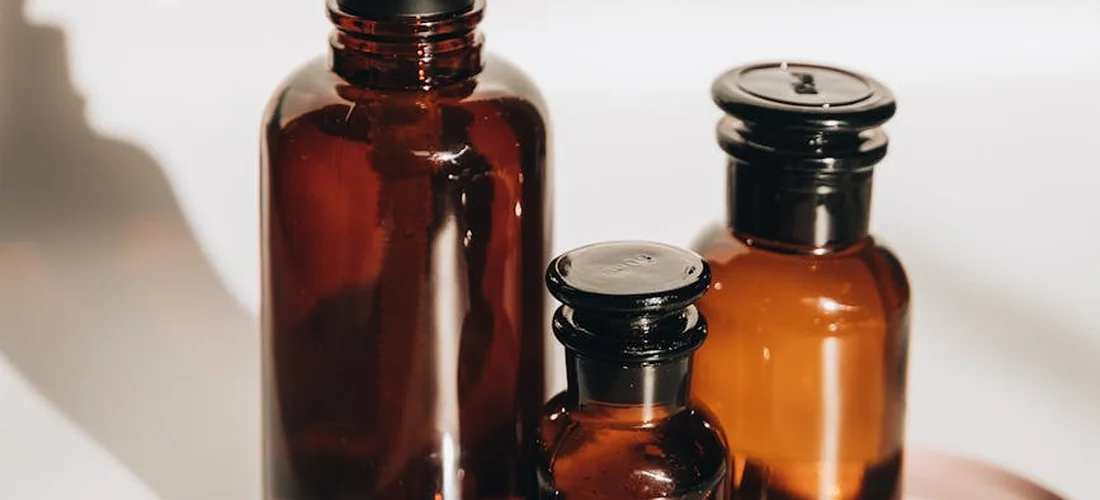
I’ve seen the allure of a lavender-scented soak, but I’ve also scraped its gummy residue from a pump seal, costing a homeowner a $300 service call. If you insist on using essential oils, this single method is the least likely to clog your filters or coat your plumbing with a stubborn film.
The Controlled, Contained Float
This isn’t about adding drops directly to your water; it’s about isolation. You must use a dedicated, sealable floating aromatherapy diffuser made for pools and spas-look for one with a silicone gasket.
Here is my step-by-step field-tested protocol for minimizing risk:
- Prep Your Mixture: In a small glass, combine 1 ounce of high-proof (90%+) isopropyl alcohol with 5-8 drops of your preferred essential oil. The alcohol acts as a carrier and helps the oil vaporize without separating.
- Load the Diffuser: Pour the mixture into your sealed float chamber. Ensure the lid clicks shut securely. Any leakage is an immediate game-over.
- Deploy with Care: Place the float in the center of your tub, away from active jets and the filter intake. Do not add any other chemicals at this time.
- Set a Timer: Limit your aromatic soak to 20-30 minutes. Prolonged exposure increases the chance of volatile oils entering the system.
- Immediate Aftercare: Remove the float the moment you exit. Run your jets on high speed for a full 15 minutes to help disperse any microscopic residues.
- Inspect and Document: Check your filter pressure gauge within 24 hours. A rise of 2-3 PSI above normal means oils are already capturing debris, signaling a needed filter clean.
This method is a compromise, not a solution. I use it maybe twice a year for a special occasion, as even this controlled approach adds a contaminant my water balance doesn’t need.
The Critical Warnings
Citrus and pine oils are particularly potent at degrading PVC seals and O-rings. Never use cheap, undiluted oils or products labeled “for diffusion only,” as they contain additives that permanently cloud acrylic shells.
From my toolbox: after a client ignored these steps, I had to disassemble their circulation pump and soak the impeller in a 10% trisodium phosphate solution overnight to dissolve the clog. It’s a messy, preventable repair.
Smart, Spa-Safe Alternatives for Aromatherapy
You can enjoy wonderful scents without gambling with your spa’s health. These alternatives are engineered to work within the harsh environment of hot, chemically treated water, dissolving fully and leaving no residue. For a personal touch, you can also craft your own DIY hot tub aromatherapy scents at home, choosing safe blends that suit your preferences. It’s easy to tailor fragrances while keeping your spa chemical-friendly and worry-free.
1. Spa-Specific Aromatherapy Beads
Products like Spa Marvel Scent Pearls or Leisure Time Aromatherapy Beads are my top recommendation for integrated scent. These polyethylene beads release fragrance slowly over 7-10 days and are completely compatible with chlorine, bromine, and mineral systems.
How to use them:
- Drop one bead directly into your skimmer basket or filter compartment.
- The water flow dissolves the bead uniformly, scenting the entire tub.
- They contain no oils, so they won’t affect your pH or total alkalinity.
2. Mineral Sanitizer Fragrance Sticks
If you use a cartridge-based mineral sanitizer like Nature2 or Frog, you can add scent directly to that ecosystem. Fragrance sticks insert into the same cartridge, using the water flow through the minerals to disperse a subtle aroma for up to four weeks.
This is a brilliantly efficient method because it leverages existing hardware. It’s a set-and-forget option that doesn’t require remembering to add a product each week.
3. The External Ambiance Approach
Create a scented environment around your tub, not in it. A standard household essential oil diffuser placed on a stable, dry surface several feet from the water provides all the aromatherapy benefits with zero plumbing risk. This approach fits into our ultimate guide to hot tub aromatherapy scents, safety, and benefits. Learn how to choose safe blends and maximize mood-boosting effects without compromising tub safety.
For a natural DIY twist, I often hang a mesh bag of dried botanicals like eucalyptus or lemongrass from my pergola. The rising steam from the hot tub carries the natural essences, creating a sensory experience without a single drop entering the water. This little ritual sets the stage for a perfect outdoor hot tub ambiance. Pair it with soft lighting and comfortable seating to complete the mood.
Comparing Your Options
| Alternative | Key Benefit | Best For | Pro Tip |
|---|---|---|---|
| Scent Beads | Complete dissolution; no residue | Consistent, weekly scenting | Store in an airtight container; moisture makes them clump. |
| Mineral Sticks | Long-lasting (1 month) | Users of mineral sanitizer cartridges | Pair with a fresh sanitizer cartridge for maximum effect. |
| External Diffusion | Zero water chemistry impact | Flexible, on-demand scenting | Use a battery-powered diffuser for safety away from outlets. |
Your hot tub’s hum should be a sound of relaxation, not a prelude to a pump failure. Choosing a spa-safe alternative protects your investment and keeps your water chemistry balanced for the next soak. For beginners, this quick guide to safe, effective hot tub use helps you start right. It covers basic safety, water care, and hassle-free operation.
Troubleshooting Oil-Related Hot Tub Problems

That Lingering Oil Smell and Surface Slick
You know that moment when you dip your hand in and pull back a shiny, rainbow film? I’ve been there, and it usually means essential oils are sitting on the surface, not mixing in. That slick is more than a nuisance; it’s a barrier that locks in odors and starves your water of oxygen, making your sanitizer work overtime. Oils don’t dissolve in water-they float. To fix it, start by skimming the surface with a fine mesh net or even a paper towel laid gently on the water. Follow up with a dose of enzyme-based clarifier, which acts like a pac-man for oils, breaking them down so your filter can catch them.
From my time balancing water in hard Texas heat, I learned that a lingering smell often points to oil trapped in the filter. Pull your filter and give it a hot soak with a filter cleaner designed to cut grease-ordinary rinsing won’t touch it. If the smell persists, your total dissolved solids (TDS) might be over 1500 ppm, signaling it’s time for a fresh fill, not just another chemical adjustment.
Cloudy Water and Sudden Foam After Oil Use
Cloudy water and a foam party you didn’t invite are classic signs of emulsified oils. Think of it like shaking oil and vinegar-they mix temporarily but never truly unite. When oils break into tiny droplets, they scatter light, causing cloudiness, and reduce water’s surface tension, whipping up foam with every jet pulse. Your first move is to hit the water with a double dose of oxidizer shock. This burns off the organic oil particles. Then, add a defoamer; but use it sparingly, as it’s a band-aid, not a cure.
I remember a client who used lavender oil and called about “bubble bath” foam. The fix was straightforward: we shocked the water, cleaned the filter, and adjusted the alkalinity to between 80-120 ppm to help particles clump for easier filtration. Always check your filter’s micron rating-a 30-micron pleated filter catches far more than a cheap 50-micron sponge. Common hot tub filter problems—such as clogs, low flow, or oil saturation—are usually fixed by cleaning or replacing the filter. Regular maintenance, including checking micron ratings and maintaining proper chemical balance, helps prevent them.
Reduced Jet Pressure and Pump Hum
When your jets feel weak and the pump emits a strained hum, oil has likely coated your plumbing. I’ve opened pumps where vanilla-scented gunk had thickened like syrup on the impeller. This buildup restricts flow, making the pump labor harder, which spikes your energy bill and risks a costly burnout. First, check your filter; a clogged one is the usual suspect. If cleaning it doesn’t restore pressure, oils may be lining the pipes.
For a DIY fix, turn off the power and use a plumbing flush product. I prefer those with citric acid or specialized degreasers. Running a flush cycle before draining can save you from a full pipe replacement by dissolving that sticky residue from the inside out. Listen to your pump-a healthy hum is steady, but a grinding or whining noise means stop, inspect, and possibly call a pro before you do more damage.
The Post-Oil Deep Clean: Restoring Your Water and System
After any oil incident, a thorough clean is non-negotiable. I treat it like resetting a kitchen after frying—everything needs degreasing. Start by draining the tub completely, but first, add a line flush product and let it circulate for an hour to loosen oil from hidden plumbing. Pay special attention to the jets and their plumbing lines—the goal is to flush and degrease the entire system. A clean jets plumbing system ensures proper flow and helps prevent hidden oil buildup as you refill. While it’s draining, mix a solution of warm water and white vinegar or a spa-specific shell cleaner to scrub every surface, paying extra attention to the waterline ring where oils love to cling.
Your filter is ground zero. Soak it overnight in a filter cleaner with degreasing agents. Never use household dish soap, as it creates more foam and leaves residues that destabilize your water chemistry for weeks. Rinse it until the water runs absolutely clear. For the plumbing, consider a second flush with a product like Ahh-Some, which I’ve seen purge orange globs of oil from jets.
Refill with fresh water and balance in this order:
- Adjust total alkalinity to 80-120 ppm.
- Set pH between 7.4 and 7.6.
- Add calcium hardness increaser if below 150 ppm.
- Introduce your sanitizer, like chlorine or bromine.
Test the water with a reliable drip kit, not strips, to ensure accuracy-this meticulous rebalance prevents future cloudiness and protects your heater from scale. Finally, add a clarifier weekly to catch any residual oils. This deep clean isn’t just about clarity; it’s about efficiency, saving your pump and heater from oil-induced strain.
FAQs
Is there any type of essential oil that is safe to put directly in my hot tub water?
No. Pure essential oils, regardless of type, are hydrophobic and will not dissolve in your spa water. They will always create a film that coats your plumbing, filter, and seals, leading to eventual damage. Even oils marketed as “natural” or “therapeutic” pose the same risk to your spa’s mechanical components. If you’re after a bubbly soak, skip bubble bath in your hot tub. Bubble bath products can introduce oils and detergents that worsen film buildup and damage seals.
Why does my hot tub smell like perfume or oil even after I’ve stopped using them?
A persistent perfumed smell indicates that oils have adhered to your filter media and plumbing surfaces. The hot water continually releases the trapped scent. This is a clear sign that your filter needs a deep clean with a degreaser and your plumbing may require a flushing agent to remove the residue.
I’ve seen advice on Reddit about using certain oils. Is it trustworthy?
Advice on forums like Reddit is often anecdotal and risky. Many users share “what works for them” without understanding the long-term, cumulative damage oils cause to seals and pumps. Always prioritize guidance from spa manufacturers and chemical experts who have seen the costly repairs firsthand.
What is the best treatment for oil smell and residue inside my hot tub system?
The most effective treatment is a multi-step process: use a line flush product to circulate through the plumbing, deep clean your filter with a degreaser, scrub the shell, and then perform a complete drain and refill. Timing matters: for typical use, drain and refill every 3–4 months, or sooner if the water won’t balance after cleaning. Heavy use or high bather load may necessitate more frequent refills. After refilling, rebalance your water chemistry meticulously to restore proper sanitation.
What is a hot tub oil absorber and does it work?
An oil absorber is a product designed to remove oils and lotions from the water’s surface, often resembling a sponge or pad. While it can help remove incidental body oils, it is not a solution for concentrated essential oil contamination. It cannot repair damage already done to filters or internal seals.
The 7-Day Check: Keeping Your Soak Safe and Sound
Before you sink into that first aromatherapy soak, do a final systems check. Run the jets on high for ten minutes, then turn them off and let the water settle. Look for any rogue oily rainbows on the surface and take a deep sniff. The scent should be a pleasant background note, not an overwhelming perfume. This last-minute verification is your final guard against unseen residues that could irritate your skin or cloud your water.
The absolute key to enjoying scents without the headaches is consistent, simple maintenance. Your golden rule for safe essential oil use is this: always follow a scented soak with a thorough filter cleaning and a system-flushing jet cycle using a dedicated plumbing cleaner every single time. This one habit dissolves residues before they ever get a chance to harden into a clog.
You’ve done the work to understand the risks and the safe methods. Now, go enjoy that hard-earned, perfectly balanced, and wonderfully fragrant soak. You’ve got this.
Further Reading & Sources
- Essential Oils and Hot Tubs – The Great Soak Hot Tub Company
- Can I Use Essential Oils in My Hot Tub? | All Season Pools and Spas
- How to Incorporate Aromatherapy into Your Hot Tub Experience – Aqua Living
- How to Use Aromatherapy in Your Hot Tub to Create an at-Home Day Spa – Hot Spring Spas
- Can I Use Essential Oils in My Hot Tub? – Backyard Oasis
- Best Hot Tub Aromatherapy: Safe Scents and Products
Charlie is a hot tub enthusiast with a passion for keeping your jets running smooth and your bubbles bursting with joy. With years of experience in hot tub and jacuzzi maintenance, Charlie knows that a happy tub means a happy you. Whether it’s dealing with stubborn filters or giving your spa a little TLC, Charlie’s here to share expert tips, tricks, and plenty of laughs to help you keep your bubbly retreat in tip-top shape. So, kick back, relax, and let Charlie handle the rest — because no one likes a cranky jacuzzi!
Safety Tips