
Hot Tub Parts Interchangeability: Stop Wasting Money on the Wrong Fit
Published on: April 18, 2026 | Last Updated: April 18, 2026
Written By: Charlie Bubbles
If you’re holding a failed pump motor or a cracked jet faceplate, wondering if the part from your old tub or a generic online store will work, you’ve hit the common repair roadblock. This is a parts compatibility puzzle, and while it won’t electrocute you, it can drain your wallet and patience if you guess wrong.
What You Need:
- Your hot tub’s exact make, model, and serial number.
- A digital caliper or precise tape measure.
- Your smartphone for instant forum and diagram checks.
- A flat-head screwdriver to pop off a panel and verify.
I’ve matched countless pumps and seals over the years, and I’ll teach you to do the same so you can fix it today without a costly service call.
The Universal Truth: Some Parts Swap, Others Don’t
Many owners think a pump is a pump and a filter is a filter, assuming everything under the acrylic shell is generic. I’ve been in that hopeful mindset myself, rummaging through bins at the hardware store. The reality is more nuanced. Think of it like car parts: windshield wiper fluid is universal, but a transmission built for a Ford won’t fit a Toyota.
Your hot tub’s brand and generation are the master keys to compatibility; a part from a decade-old Jacuzzi® rarely drops into a new Hot Spring® model without some serious modification. The plumbing layout, control system language, and physical dimensions create a unique ecosystem. A direct swap is often a dream, but a strategic, informed replacement is almost always possible.
Truly Universal Hot Tub Parts You Can Swap With Confidence
Let’s start with the easy wins. These are the items you can buy from any pool and spa supplier, big-box store, or online retailer without losing sleep over compatibility. They are the consumables and simple hardware that keep the water moving and balanced.
Water Care & Testing Essentials
Chemistry doesn’t care about your tub’s logo. The principles of water balance are constant, so the tools and chemicals are too. For beginners, a hot tub water chemistry beginner’s guide covers testing, balancing, and treatment. It helps you keep water safe and crystal clear.
- Test Strips & Reagents: Any brand will measure pH, alkalinity, and sanitizer levels. I keep a Taylor test kit in my truck for precise readings, but strips from any store work for daily checks.
- pH Increaser (Soda Ash) & Decreaser (Dry Acid): These are pure chemicals. A pound of sodium bicarbonate from the spa shop is identical to the one from the pool section of your local mega-store, and usually cheaper.
- Sanitizers (Dichlor, Bromine Tablets, MPS Shock): As long as you follow the dosage for your tub’s volume, the source brand is irrelevant. My one safety rule: never mix chlorine and bromine types in the feeder itself, as they can create hazardous compounds.
- Sequestering Agents & Clarifiers: These water conditioners are formulated to work in any body of water. A bottle of metal remover will bind iron whether you have a Costco tub or a master-crafted model.
Filtration System Components
This is where you can save real money. Filter cartridges are standardized by their connection type and dimensions, not by the hot tub brand. Plus, the micron size and filter type matter. Choosing the right micron size and filter type ensures proper fit and performance.
- Pleated Filter Cartridges: Find the number on your old filter’s end cap (like “EC-1602” or “7750”). Match that number, or just measure the height and width of the pleated section and the inner hole diameter. A 25 sq. ft. filter with a 1.5″ threaded center hole is a 25 sq. ft. filter, period.
- Filter O-Rings & Gaskets: These are simple seals. Measure the old one’s cross-thickness (like 1/4″) and inner diameter, then buy a silicone spa lubricant and a generic o-ring kit. I’ve fixed more leaks with a $10 kit than with any single branded part.
- Filter Cleaning Soak: Any brand of filter cleaner or degreaser will work. For a DIY soak, I use trisodium phosphate (TSP) from the paint aisle-it strips oils brilliantly without damaging the fabric.
Hardware & Simple Mechanical Bits
The nuts and bolts of your tub are overwhelmingly standard industrial components.
- Jets: Most adjustable and directional jets use a standard 2-1/2″ or 2-7/8″ threading. If it twists out, you can almost certainly find a direct-fit replacement that isn’t brand-labeled. Pop one out, measure the threads, and you’re shopping with confidence.
- Air Controls & Diverter Knobs: These are often simple friction-fit or threaded knobs. The stem size is typically universal. That cracked air control knob can be replaced with a generic one that matches the stem diameter.
- PVC Fittings & Plumbing (90s, Tees, Unions): Spa plumbing is standard schedule 40 PVC. A 1.5″ slip union from a plumbing supply house is identical to the one in your tub’s cabinet. Keep a few on hand for emergency repairs.
- General Purpose O-Rings & Gaskets: For pump seals, drain plugs, and valve lids, a metric or SAE o-ring kit is a lifesaver. Match the size, lubricate with silicone, and reassemble.
Sticking with these universal parts for your routine maintenance is the smartest way to cut costs without compromising performance or safety. You’re not cutting corners; you’re buying the same raw materials the original manufacturer used, just without the branded packaging and markup.
The “Maybe” Zone: Parts That Sometimes Work Across Brands
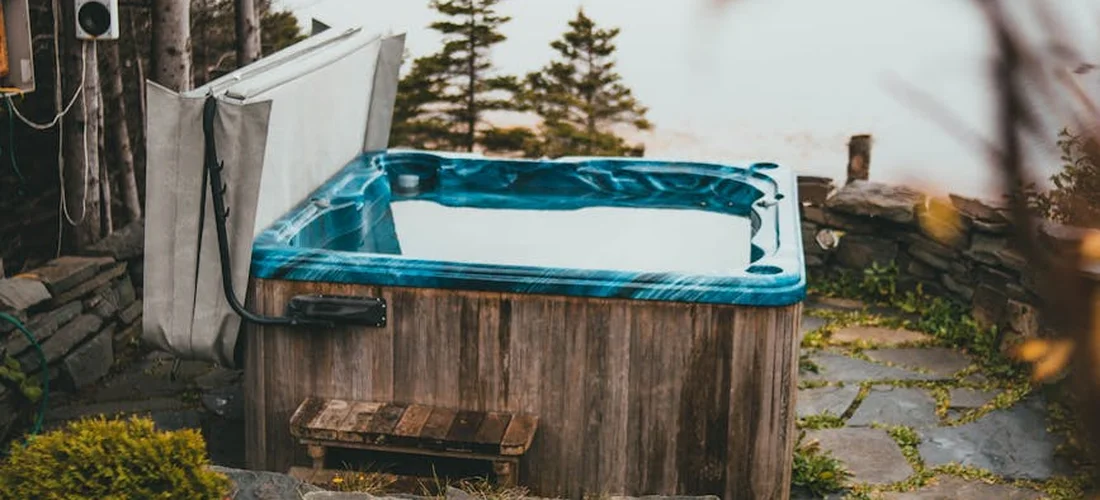
This is where your DIY spirit and a tape measure can really pay off. Many parts look similar, and sometimes they are. The secret isn’t a universal standard, but the fact that only a handful of major manufacturers supply the entire industry with key components. I’ve saved hundreds by knowing where to look.
Pumps and Motors
The pump’s wet end (the plastic part with the impeller) is often brand-specific. But the motor bolted to it? That’s a different story. Many hot tubs use standard 56-frame motors from companies like Century or A.O. Smith. You can frequently swap just the motor if the shaft seal fails or the bearings go out, matching horsepower, voltage, and frame type. I once fixed a noisy Jacuzzi pump with a motor meant for a Sundance, because both used a 5HP, 56-frame, 230v motor with a proprietary seal plate adapter.
Key matching points:
- Voltage (115v or 230v)
- Horsepower (HP) and Service Factor (SF)
- Frame size (e.g., 56-frame)
- Shaft length and diameter
- Rotation direction (often reversible)
Heaters
The stainless steel tube itself is fairly generic. The real compatibility lies in the control system and form factor. Many brands use “drop-in” style heaters from Balboa or Gecko. If the physical dimensions, inlet/outlet positions, and voltage match, a heater from a different brand’s equivalent series might just plug and play. The critical part is the control board communication; a 240v, 6kW heater with a standard pressure switch and thermostat might work across multiple setups, but you must verify the plug connectors are identical.
Jets and Jet Bodies
This is a mix of hope and thread pitch. The industry uses a few common sizes for the outer flange, like the standard 2-3/8″ opening. Where you get into trouble is the thread pattern on the jet body screwed into the tub shell-some are coarse thread, some are fine, and the depth varies. I keep a drawer of old jets to test-fit. A jet from a Marquis often fits in a Hot Spring, but a Watkins jet system won’t accept a generic brand. Always test-fit without glue first, especially since different types of hot tub jets serve various purposes.
Jet Face Inserts
These are the most interchangeable part of all! The rotating or directional bezels that snap into the jet body are frequently universal, especially the common 2-3/8″ size. Want more massage? Swap out a fixed eyelet for a spinning spinner insert. It’s the cheapest upgrade you can make.
Filter Housings and Skimmer Baskets
The filter canister (the part you twist open) is usually proprietary to the plumbing layout. But the internal filter cartridge is where you have options. Most 50 square foot filters are interchangeable if the height and top gasket match, regardless of the brand name on the pleated paper. For skimmer baskets, it’s all about dimensions. Measure the diameter and depth of your existing basket; you’ll often find a perfect match from a generic supplier that costs half the price of the OEM part.
The “Rarely” List: Brand-Specific Components
Some parts are designed from the ground up to be a locked ecosystem. These are the components where using an off-brand part is a guaranteed headache, or worse, a call to an electrician. I learned this the hard way early in my career, trying to force a square peg into a round, very expensive hole.
- Control Systems & Topside Panels: The brain of your tub. A Balboa control panel will not talk to a Gecko pack, and the wiring harnesses are completely different. The software and communication protocols are proprietary.
- Proprietary Jet Systems: Think Jacuzzi’s ACE Salt System or Hot Spring’s Moto-Massage DX. These are patented, complex assemblies with unique housings and water channels. You cannot retrofit these into another brand’s shell.
- Specialized Shell Components: This includes integrated waterfalls, specific LED light lens assemblies that clip into a molded shell niche, and certain suction covers that are part of a unique molded floor.
- Custom Molded Pumps or Manifolds: Some high-end brands use pumps with bespoke mounting brackets or integrated valve manifolds that are part of the structural plumbing. A standard pump simply won’t fit in the space.
Always, always cross-reference the part number with the manufacturer’s diagram before buying a “universal” substitute for these items. The hum of the pump might be generic, but the intelligence commanding it is not.
How to Find and Verify a Compatible Replacement Part
Tracking down the right part feels like a treasure hunt, but with less pirate gold and more PVC glue. From my years fixing spas, I can tell you that a methodical search beats frantic guessing every single time.
Follow this hands-on checklist before you buy anything.
- Shut Off Power and Water: Always start here for safety. Flip the breaker and isolate the spa from any water source.
- Remove and Inspect the Old Part: Get it in your hands. Look for model numbers stamped on the housing, and note how it’s plumbed or wired.
- Document Everything with Photos: Use your phone to snap clear pictures of the part, its connections, and the surrounding equipment bay. This visual record is priceless.
- Cross-Reference with Reputable Suppliers: Enter the OEM part number into websites of trusted spa part dealers; they often list compatible alternatives.
Decoding Your Hot Tub’s Data Plate
That faded metal tag is your spa’s birth certificate. I’ve balanced water chemistry for hundreds of tubs, and correct parts start with the data plate’s unflinching facts. You’ll usually find it riveted inside the equipment compartment door or on the cabinet frame.
Here’s how to interpret the crucial entries:
| Label on Plate | What It Means | Parts It Affects |
|---|---|---|
| Model Code (e.g., J-345) | The exact series and style of your tub. | Control panels, topside controls, and specific jet assemblies. |
| Serial Number | The unique ID for your unit, often encoding the manufacture date. | Helps identify design changes mid-model year that impact part fit. |
| Voltage/Amperage | The electrical diet your spa requires to run safely. | Heaters, pumps, and circuit boards must match exactly. |
| Pump HP & Service Factor | The true working power of the motor, not just the marketing number. | Replacement pumps must have matching HP and SF to avoid burnout. |
| Max Working Pressure | The highest water pressure the plumbing is rated for. | Ensures any replacement pump or heater core won’t stress the pipes. |
I once helped a friend replace a circulator pump using only the horsepower listed on the failed unit. We missed the different service factor on the data plate, and the new pump overheated in two days, costing him another repair. The plate doesn’t lie.
The Risks of Forcing Incompatible Parts
Jam in the wrong part, and you’re not fixing a problem-you’re renting it with a security deposit of future headaches. Forcing a fit ignores the engineered harmony between the pump’s hum, the heater’s cycle, and the water’s clarity.
Here’s what actually happens when parts aren’t universal:
- Catastrophic Electrical Failure: A pump with mismatched voltage can send a surge through the control system. I’ve seen the acrid smoke of a fried motherboard, a $500 mistake that started with a $100 pump.
- Silent, Costly Leaks: Using the wrong thread sealant or a slightly different O-ring compound leads to slow leaks. These undermine your foundation and breed mold, often going unnoticed until the wood is soft.
- Chemical Warfare in Your Water: An incompatible circulation pump creates poor flow. Sanitizer then sits idle in one area, while biofilm builds in another, forcing you to overuse chemicals and breathe that irritating chlorine sting.
- Energy Money Pit: A heater not rated for your tub’s volume or a clogged filter from wrong micron ratings makes the system work overtime. Your utility bill climbs while your soak time gets colder.
- Total System Breakdown: One off-spec part can cascade. A stressed pump overheats, tripping the high-limit switch, which fools you into replacing the sensor, not the root cause.
My hard-learned advice is to treat your spa like a precision instrument. The satisfying click of a perfectly seated filter or the steady pressure from a matched jet pump is worth the extra research.
Smart Sourcing: Where to Look for Universal and OEM Parts
Finding the right part feels like a treasure hunt. Knowing where to look saves you time, money, and a massive headache. Let’s map out the best spots for both OEM and universal components.
Sticking with the Original: OEM Parts Sources
When you need a circuit board, a specific jet face, or a proprietary heater assembly, you’re usually hunting for an OEM part. Your first stop should be your local authorized dealer. They have direct access to the manufacturer’s parts system and can often get you the exact piece with a serial number. Building a relationship with a good local dealer is invaluable for those complex repairs where you need expert advice alongside the part.
Don’t have a local dealer, or is theirs closed? The internet is your friend. Most major manufacturers have an official “parts lookup” portal on their website. You enter your hot tub’s model and serial number, and it shows you an exploded diagram with every single part number. From there, you can often order directly or find an authorized online retailer. Websites like Hot Tub Outpost or Spa Parts Depot are authorized sellers for many brands and have massive inventories, but if you’re unsure about where to buy parts, check out this guide for reliable sources.
The Aftermarket Advantage: Universal Parts Havens
This is where the DIY fun really begins. For pumps, filters, and most plumbing, I almost always check universal suppliers first. My go-to spots are established online retailers like SpaDepot.com or HotTubWorks.com. They have powerful filters on their sites that let you search by dimensions, horsepower, and connection type, not just by brand. There are different filter types—are you picking the right one for your tub? In the next steps, I’ll help you decide which filter type you need.
I’ve also had fantastic luck with general pool and spa supply stores. The one near me in Dallas has aisles of PVC fittings, sealants, and generic jet inserts. For basic items like O-rings, diverter valves, or even standard 2″ plumbing unions, these local shops can’t be beat for instant gratification. Never underestimate the value of holding a part in your hand to compare thread patterns and diameter before you buy. Pairing those parts with a compact tool kit makes most repairs straightforward. The essential hot tub repair tools every diyer should have can save time and frustration.
My Field-Tested Source List
- Authorized Dealer: Best for brand-specific electronics, custom acrylic shells, and complex assemblies. Use your serial number.
- Manufacturer Website: Use their parts portal to get the official part number, then price-shop that number online.
- Major Online Spa Retailers: The powerhouse suppliers. Ideal for pumps, heaters, filters, and covers with robust compatibility charts.
- General Pool Supply Stores: Perfect for plumbing basics, test strips, chemicals, and replacement filter cartridges (just match the micron rating and dimensions).
- Industrial/Electrical Suppliers: My secret weapon for items like pressure switches, 3-prong cord caps, and GFCI breakers. Often higher quality and lower cost than “spa-branded” versions.
Here’s a pro tip from my toolbox: for any part that involves water flow or pressure-like a pump seal or a flow switch-I always keep the old part until the new one is successfully installed. Laying them side-by-side is the only surefire way to confirm you have a perfect match before you’ve torn everything apart. That simple habit has saved me from making a costly return trip more times than I can count.
Quick Answers
Are hot tub pumps universal and interchangeable?
Not entirely. The wet end (plastic housing) is often brand-specific, but the motor itself frequently is not. Many brands use standard 56-frame motors. You can swap just the motor if you match the voltage, horsepower, service factor, frame size, and shaft specifications exactly.
Can I use a heater from a different brand of hot tub?
Sometimes, but it requires careful verification. Many brands use similar “drop-in” style heaters from suppliers like Balboa or Gecko. Compatibility depends on the physical dimensions, inlet/outlet positions, voltage, and-critically-the electrical plug connectors and control system communication.
Why are control panels and topside controllers not interchangeable?
These are the proprietary “brains” of your spa. Different manufacturers (e.g., Balboa, Gecko, Watkins) use unique software, communication protocols, and wiring harnesses. A control panel from one brand cannot communicate with the pack from another, making them brand-locked.
What is the safest way to test if a part is compatible before I buy it?
Always cross-reference the OEM part number from your tub’s manual or data plate with reputable supplier websites. For physical parts like jets or fittings, the safest method is to remove the old part and compare it directly to the new one’s specifications for thread size, diameter, and shape before final installation. It’s especially important for parts such as valves and union gaskets which are crucial for preventing leaks; you can find more detailed instructions in our guide to hot tub valve and union gasket replacement.
What’s the worst that can happen if I install an incompatible part?
Forcing the wrong part can lead to electrical failure (fried circuit boards), persistent leaks, improper water flow causing sanitation issues, and significantly higher energy bills. Incompatible parts can also cause a cascading system failure, turning a simple repair into a very costly one.
The Two-Step Victory Lap
Before you slide into that perfect, hot water, there’s one last crucial ritual. With all parts installed and the cabinet closed, fire up the tub. Listen for the confident hum of the pump and feel for strong, even jet pressure. Let it run for a full cycle. This is your moment to confirm everything works in harmony and to spot any last-minute drips before they become a problem. This final systems check is non-negotiable; it’s the difference between a repair you trust and an unexpected, soggy surprise.
The real secret to avoiding a repeat performance isn’t just about finding the right part-it’s about not needing to find parts at all. Consistent, simple care is your best defense. My golden rule, forged from replacing too many clogged pumps and heaters? Give your filters a thorough, monthly cleaning with a filter cleaner like Tri-Flow, not just a hose rinse, and you’ll protect every pump, heater, and seal in the plumbing loop from premature wear. Clear filters mean unrestricted flow, which keeps components cool, efficient, and far less likely to fail.
You just finished a solid afternoon of repairs. You navigated part numbers, wielded a wrench, and made your spa whole again. That’s a win. So go ahead-lower the lights, sink into the water, and enjoy the quiet hum of a system you understand. You’ve earned that soak. Here’s to many more, with a little mechanical empathy keeping everything running smoothly.
Further Reading & Sources
- Hot Tub | Spare Parts – Wave Spas
- Hot Tub Parts – Hot Tubs
- Hot Tub Parts Products – Hot Tub Parts
- Hot Tub Parts Replacement: The Essential Guide
- Hot Tub & Spa Parts | SpaDepot.com
- Your Source for Hot Tub Supplies & Parts | Easy Spa Parts
Charlie is a hot tub enthusiast with a passion for keeping your jets running smooth and your bubbles bursting with joy. With years of experience in hot tub and jacuzzi maintenance, Charlie knows that a happy tub means a happy you. Whether it’s dealing with stubborn filters or giving your spa a little TLC, Charlie’s here to share expert tips, tricks, and plenty of laughs to help you keep your bubbly retreat in tip-top shape. So, kick back, relax, and let Charlie handle the rest — because no one likes a cranky jacuzzi!
Replacement Parts