
Jacuzzi Audio System Dead? How to Connect and Use Built-in Speakers in 3 Steps
Published on: October 1, 2026 | Last Updated: October 1, 2026
Written By: Charlie Bubbles
If you press the audio buttons on your hot tub control panel and are met with silence or a weak, crackling hum, your source device isn’t talking to the spa. This diagnosis points to a failed Bluetooth handshake or incorrect input selection-a low-voltage nuisance, not a dangerous electrical fault, but it completely defeats the purpose of a premium soak.
What You Need:
- Your Jacuzzi’s top-side control panel or remote
- A charged phone, tablet, or music player with Bluetooth
- The spa’s owner’s manual (a quick online search for your model number works)
- 5 Minutes of focused time
Follow my guide below to pair your device and control the speakers yourself, saving the cost and wait of a professional service call.
Understanding Your Hot Tub’s Audio System
Let’s start by getting to know what’s built into your spa. That smooth sound isn’t coming from a regular Bluetooth speaker you tossed on a chair; it’s a purpose-built, marine-grade audio system. Marine-grade means every component is designed to resist moisture, temperature swings, and the chemical-laden air around your tub, which would destroy ordinary electronics in a season.
- These systems are fully sealed and waterproof. The speakers use materials like polypropylene cones and rubber surrounds that won’t degrade, and all connections are protected to prevent corrosion.
- Speaker and control panel placement varies by model. You’ll often find speaker grilles integrated into the waterfall bar, the top-side cabinet, or discreetly in the skirt. The main control source is usually a button or touchpad on your top-side control panel, right next to the jet and temperature controls.
- The typical setup has a few key parts:
- Speakers: The final output, usually 2-4 of them, wired in pairs.
- Amplifier Module: The brain and brawn, hidden inside the equipment cabinet. It powers the speakers and handles the input signals.
- Wiring Harness: Thick, insulated cables that run from the amp, through the tub’s frame, to the speakers.
- Control Source: This is the interface on your main spa panel that turns the system on, off, and controls pairing.
- Before you go poking around for loose wires or checking connections, you must shut off the power to the entire hot tub at the household GFCI breaker-this is non-negotiable for your safety. The amplifier runs on line voltage, and working on a live system is extremely dangerous.
Getting Connected: Bluetooth and Auxiliary Inputs
Step-by-Step Bluetooth Pairing
Connecting via Bluetooth is usually straightforward, but following the right order prevents frustration. Always start with the hot tub’s system first, then move to your phone or tablet. This is especially important when dealing with smart hot tubs that feature connectivity and modern technology.
- Step 1: Power on the audio system using the designated button on your spa’s main control panel. You should hear a faint chime or see a small LED indicator light up.
- Step 2: Activate the system’s Bluetooth discovery mode. This often involves holding the same audio button for 3-5 seconds until the indicator light begins to flash rapidly.
- Step 3: Now, go to the Bluetooth settings on your smartphone or device. Look for a listing named similar to “J-ACUZZI Audio” or your spa’s model number, and select it to pair.
- Step 4: Once connected, the spa’s light will typically turn solid. Open your music app and start playing a song at a low volume to confirm the audio is routing through the tub’s speakers and not your phone.
Using Wired Auxiliary Inputs
For a rock-solid connection without any chance of dropout, the AUX input is your best friend. This is the same reliable 3.5mm jack you’d find on a car stereo, and it delivers consistently clear sound.
- The AUX input jack is almost always located under a small, hinged, or removable flap on the top-side control panel. It’s designed to be accessible but protected when not in use.
- You’ll need a standard 3.5mm male-to-male stereo audio cable. Keep it short-a 3-foot cable is usually plenty and prevents a tripping hazard.
- While the jack itself is sealed, the cable plug is not. I recommend using a cable with a molded rubber boot near the plug for extra strain relief, and always coil the cord up and tuck it under the cover when finished to keep the connection point as dry as possible.
Managing Multiple Device Connections
These systems are designed for simplicity, not complexity. In nearly all cases, your hot tub’s audio system can only maintain one active audio connection at a time, whether via Bluetooth or AUX. This limitation is just one of the many considerations when enhancing your hot tub experience with lighting and sound features.
- If you want to switch from one paired Bluetooth device to another, you must first disconnect the current device. This usually means going into the Bluetooth settings on the connected phone and selecting “Forget This Device” or turning that phone’s Bluetooth off entirely.
- Then, you’ll need to put the spa’s audio system back into pairing mode (the fast-blinking light) so the new device can find and connect to it.
- Be aware that other strong, nearby Bluetooth signals can occasionally cause interference or confusion during the pairing process. If you’re having trouble, try moving other tablets or laptops farther away while you establish the connection.
Mastering the Daily Controls

Power, Volume, and Source Selection
- To turn the audio on without firing up the jets, look for a dedicated ‘Audio’ or ‘Source’ button on your topside control panel. I’ve fixed many “broken” systems where the owner simply had the main pump mode overriding the speakers-a separate power circuit is common.
- Volume is typically adjusted with buttons on that same spa-side panel or via a waterproof remote. Crank it up slowly; sound travels differently over water and you don’t want to blast your neighbors.
- Switching between Bluetooth and a physical AUX cable usually involves holding the ‘Source’ button until the indicator light changes. For a solid connection, I always plug in the AUX cable firmly before selecting it as the source to prevent corrosion-driven static.
Adjusting Sound Quality Settings
- Access sound menus by pressing a combination like ‘Function’ and ‘Volume Up’ for 3 seconds-check your manual, as it varies by model. Digging into these menus feels like balancing alkalinity: small adjustments make a big difference.
- For open-air spa sound, start with bass at 60% and treble at 70% to compensate for the hum of the circulation pump and ambient noise. This baseline cuts through the gentle water sounds without becoming tinny or overwhelming.
- Most built-in spa systems use a simple preset equalizer. If you crave concert-hall sound, you might need an external amplifier, but I find the built-in setup perfect for casual listening.
Fixing Common Audio Problems
Bluetooth Connection Troubleshooting
- Keep your phone or tablet within 30 feet of the spa’s control pack, avoiding concrete walls that can block signals.
- Power cycle the entire hot tub at the GFCI breaker for 30 seconds to reset the audio module, then restart your device. This simple reboot solves more connection gremlins than you’d think.
- On your phone, forget the spa’s Bluetooth pairing and rediscover it. Old profiles can cause stubborn dropouts.
- Ensure no other family device is still connected to the spa, as most systems only pair to one source at a time.
No Sound or Poor Sound Quality
- Double-check the volume level on both your audio device and the spa controls-it sounds obvious, but I’ve been fooled by a silent phone output before.
- Inspect any AUX cables for green corrosion or bent connectors; moisture is the enemy. A quick spray with electrical contact cleaner has saved many a muddy audio signal for me.
- Scan the control panel for a mute symbol; sometimes it’s engaged by accident during cleaning.
- A sudden loss of sound can indicate a tripped GFCI or amplifier issue-check power first. I always trace the audio system’s dedicated fuse before assuming the speakers are blown.
Essential Care for Speakers and Electronics
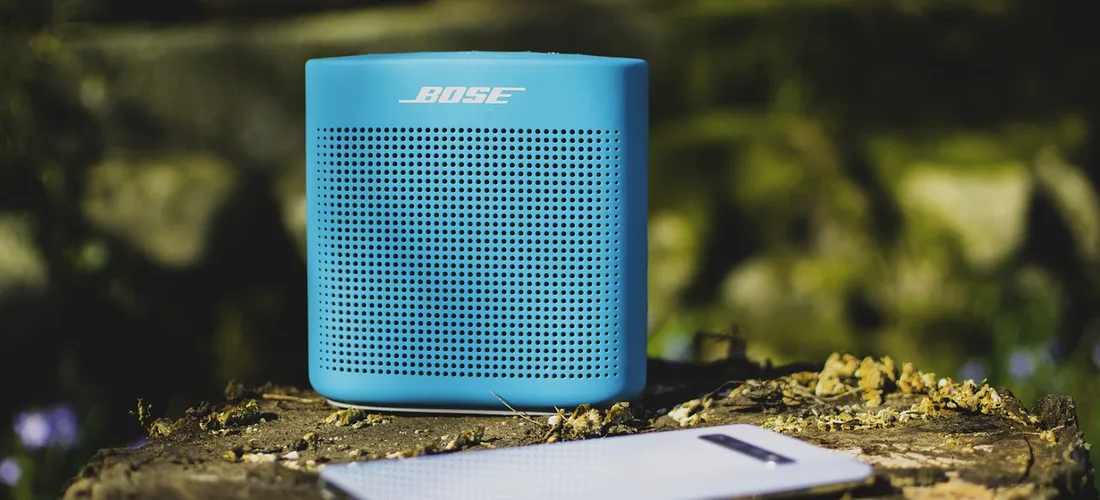
Cleaning and Protecting Waterproof Speakers
That satisfying bass from your spa’s speakers can turn muddy fast if grilles get clogged with sunscreen residue and airborne spa chemicals. I learned this the hard way after a customer’s left-channel speaker started buzzing from a film of body oil and calcium scale. Regular, gentle cleaning preserves sound clarity and extends the life of these water-resistant components. Should you hear sounds your hot tub shouldn’t make, that’s a sign to dig a little deeper. Our diagnostic guide on sounds your hot tub shouldn’t make outlines common culprits and quick checks.
Your cleaning toolkit should be simple and non-invasive. Always disconnect the audio system or put the spa in a soft-off mode before wiping anything down to prevent accidental button presses or short circuits. When you enter maintenance mode, use the cleaning and purification controls carefully to avoid bypassing safety prompts. This helps ensure the spa remains in good working order while you clean.
- Safe Cleaners: Use a soft cloth dampened with mild, soapy water (a drop of dish soap in a quart of water works) or a 50/50 solution of white vinegar and distilled water for light mineral deposits.
- Soft Cloths Only: Microfiber or a soft-bristled brush designed for electronics is perfect for dislodging dust from speaker mesh without pushing it inward.
- Gentle Motion: Wipe the grilles in a circular motion during your weekly shell wipe-down; this prevents a major cleanup later.
What you avoid is just as critical. Never use a pressure washer or hose sprayer near the speaker housing, as forced water can defeat the waterproof seals. Abrasive pads, magic erasers, and harsh chemicals like bleach or tile cleaner will degrade the plastic and fabric, leading to costly damage.
Off-Season and Long-Term Maintenance
When you’re not soaking, your audio system still needs protection from the elements. Sun exposure is a silent killer of plastics and wires, causing brittleness and connection failures over time. A well-fitted, insulated spa cover is your first line of defense, shielding speakers and spa from UV rays and moisture.
Think of the equipment bay as the brain of your operation. During my annual pre-winter check, I always pop the side panel and look for signs of condensation or pests that could nest near low-voltage audio wiring. Keep this compartment dry and ventilated; a small, battery-operated dehumidifier can work wonders in humid climates.
- Proactive Inspection: If you’re already having a technician service your pump or heater, ask them to quickly inspect the audio amplifier connections and wiring for corrosion or chew marks from rodents.
- Power Management: For long storage periods, follow your spa’s manual for winterization, which may include disconnecting power entirely to prevent phantom drains on the audio board.
Upgrades and Replacement Parts
Compatible Accessories and Enhancements
Maybe you want to stream music from your phone or add deeper sound. You can often bypass older proprietary systems with a simple, marine-grade 3.5mm auxiliary cable plugged into the control panel’s audio-in port. For wireless freedom, a Bluetooth transmitter that supports the aptX Low Latency codec will minimize the annoying audio lag between your video and the spa speakers.
Adding external waterproof speakers is a major project. This isn’t a simple plug-and-play upgrade; it involves running new, shielded cable through conduit, tapping into the existing amplifier, and ensuring all new components are rated for wet environments. For direct replacements like a blown speaker unit, always source the part number from your spa’s manual. Using a generic “waterproof” speaker from an electronics store usually leads to impedance mismatches that can fry your spa’s amplifier.
- Recommended Parts: Stick to manufacturer-certified replacement speakers and control boards to guarantee compatibility and maintain water seal integrity.
- Sound Enhancement: For better sound without surgery, consider a floating, waterproof Bluetooth speaker placed away from the jets; it’s a hassle-free compromise.
When to Call a Professional Technician
Some problems shout for a pro’s touch. If you hear crackling that follows a specific jet pump’s cycle, it could point to a grounding issue in the equipment bay that requires a multimeter to diagnose. Internal wiring damage, visible water inside the speaker dome, or complete audio silence from all channels often signals amplifier failure.
Accessing these components is tricky. The low-voltage wiring for audio is typically bundled with other control lines deep within the spa cabinet, and mistaken disconnection can disable your filtration system. A certified technician has the wiring diagrams and experience to navigate this safely.
For any repair inside the equipment bay, always shut off power at the breaker first-treating 240V service with respect is non-negotiable. Call a pro when you’re facing spliced wires, suspect board-level issues, or when the solution isn’t clearly a loose external connection. It’s cheaper than replacing an entire audio pack.
FAQs
How do I turn the audio system on and off?
Look for a dedicated ‘Audio’ or ‘Source’ button on your spa’s top-side control panel. Press it to power the audio system on or off independently of the jets. Remember, the audio often runs on a separate circuit, so ensure the main system has power at the breaker. If you need to manage the jacuzzi jets as well, look for a separate ‘Jets’ or ‘Jet’ control on the panel to turn them off without interrupting the audio. This way you can enjoy music while controlling jet activity.
What should I do if my device won’t connect to the speakers?
First, perform a full power cycle by turning off the hot tub at its GFCI breaker for 30 seconds to reset the audio module. Then, on your phone, forget the spa’s Bluetooth pairing profile and try rediscovering it. Also, ensure no other device is actively connected, as most systems only support one connection at a time. This can often help resolve any electrical issues that might be affecting the hot tub’s performance.
Are there any special care instructions for the speakers?
Yes, clean speaker grilles weekly with a soft, damp cloth and mild soapy water to remove sunscreen and chemical residue. Never use abrasive pads, harsh chemicals, or a pressure washer, as these can damage the waterproof seals. Over time, biofilm can form on hot tub surfaces and in plumbing if regular cleaning is neglected. Regular cleaning, along with keeping the cover on, helps remove and prevent biofilm buildup and keeps water quality high. Always ensure the cover is on when not in use to protect components from UV rays and moisture.
How do I control bass, treble, or other sound settings?
Access to these settings varies by model. Typically, you hold a combination of buttons (like ‘Function’ and ‘Volume Up’) on the control panel. Consult your owner’s manual for the specific key sequence. Once in the menu, you can make small adjustments to bass and treble to compensate for the outdoor environment.
Is the audio system waterproof or water-resistant?
The built-in audio system is marine-grade and fully waterproof. Speakers and connections are sealed to resist moisture, temperature swings, and chemical exposure. While the components are protected, it’s still important to keep the control panel dry and avoid direct, high-pressure water streams on any housing.
The Final Soundcheck
Before you call it a day and cue up your favorite playlist, give the system one last real-world test. Turn on the jets and let the tub run for a minute. Listen closely—can you hear your music clearly over the hum of the pump and the rush of the water? This is the true test of your setup, ensuring your connections hold under pressure and the sound balance is just right for an actual soak. If you find the noise too distracting, check out our guide on quieting a noisy hot tub pump.
Make it a habit to gently wipe down the control panel and any exposed speaker grilles with a damp cloth every time you test your water chemistry; this simple act prevents sticky residue build-up and protects the sensitive electronics from corrosion, ensuring your tunes keep flowing all season long. Also, follow jacuzzi safety tips and do a quick check before turning it on. This simple pre-turn check helps prevent electrical issues and keeps your spa experience safe.
The hard work is done. Now, press play, sink back, and let the soak symphony begin.
Further Reading & Sources
- Play Hot Tub Music From Your Smartphone | Jacuzzi.com | Jacuzzi®
- Spa & Poolside – AquaticAV
- Audio and speaker installation for jacuzzi and hot tub
- Hot Tub Speakers & Hot Tub Speaker Replacements | Easy Spa Parts
- Hot Tub Speakers – Best Buy
- Built-In Speaker Hot Tubs You’ll Love | Wayfair
Charlie is a hot tub enthusiast with a passion for keeping your jets running smooth and your bubbles bursting with joy. With years of experience in hot tub and jacuzzi maintenance, Charlie knows that a happy tub means a happy you. Whether it’s dealing with stubborn filters or giving your spa a little TLC, Charlie’s here to share expert tips, tricks, and plenty of laughs to help you keep your bubbly retreat in tip-top shape. So, kick back, relax, and let Charlie handle the rest — because no one likes a cranky jacuzzi!
Hot Tub Reviews