
Stop! Why Your Next Bath Bomb Could Clog Your Hot Tub
You see a silty residue on your seats, your filter pressure is climbing fast, and your circulation pump sounds like it’s struggling. The diagnosis is simple: you or a guest used a bath bomb meant for a bathtub in your sensitive hot tub plumbing. This isn’t an electrical emergency, but it’s a fast track to clogged jets, a filthy filter, and a major chemical imbalance.
What You Need:
- The Bath Bomb Package (check the ingredients)
- Your Hot Tub Water Test Strips
- A Clean Filter Cartridge on standby
- 5 Minutes to Read This
I’ll show you how to spot the risky ingredients, clean up the mess, and get your water chemistry back in line without a service call.
What Exactly Are Bath Bombs and Why Do People Use Them?
Picture this: a colorful, fragrant sphere fizzing violently in your bathtub, releasing clouds of shimmering color and a soothing lavender scent. That’s the allure of a bath bomb. At their core, most bath bombs are a simple, dry mix of two main actors: baking soda (sodium bicarbonate) and citric acid. When these two get wet, they react in a satisfying fizz, creating carbon dioxide gas that breaks the bomb apart and disperses the other goodies.
Those “other goodies” are where the trouble for your spa begins. Here’s a typical ingredient list you might find:
- Baking Soda & Citric Acid: The foundational fizz.
- Epsom or Sea Salts: For muscle relaxation.
- Various Oils (like coconut or sweet almond): To moisturize skin.
- Fragrances & Essential Oils: For aromatherapy.
- Artificial Colorants: For that Instagram-worthy water.
People toss them in for a multisensory experience-to soften skin, ease aches, and turn a simple soak into a mini spa retreat. I get it; the fizzy sound and pretty colors are fun. But in a personal bathtub, you drain all that cocktail after one use; in a hot tub, you’re asking that 400-gallon system to digest it. From my years balancing water, I can tell you that’s a recipe for immediate chemistry chaos and long-term mechanical headaches.
The Real Risk: How Bath Bombs Wreak Havoc on Spa Water Chemistry
Think of your hot tub water as a carefully balanced recipe. A bath bomb isn’t a gentle sprinkle of spice; it’s dumping in a random, unmeasured cup of every ingredient in your pantry. The immediate effects might seem harmless, but the lingering damage to your water balance and equipment is a sure thing. Let’s break down the two biggest chemical crimes they commit: throwing off your chemical balance and affecting health.
The pH Rollercoaster: Citric Acid and Baking Soda Effects
Your spa water thrives in a narrow pH band, ideally between 7.4 and 7.6. That citric acid in bath bombs is a potent pH decreaser-it sends acidity soaring. The baking soda, meanwhile, is a pure alkalinity increaser. They don’t cancel each other out; instead, they send your water on a wild, unpredictable swing that stresses every part of the system. I’ve seen pH crash to 6.8 or spike above 8.0 from a single bomb.
Here’s what that rollercoaster feels like for your tub:
- Low pH (Acidic Water): This stings your eyes, corrodes metal heater elements, and eats away at pump seals. It’s like running vinegar through your plumbing.
- High pH (Basic Water): This scales up your heater and pipes with chalky calcium deposits, clouds the water, and makes your sanitizer nearly useless.
Correcting this requires aggressive testing and re-balancing. You’ll be dumping in pH decreaser or increaser, chasing a stable point, and likely burning through test strips to get back to that sweet spot. It’s a frustrating, avoidable game I’ve played too many times for clients.
Sanitizer Sabotage: Oils and Organics vs. Chlorine or Bromine
This is the silent killer. Your chlorine or bromine has one job: zap contaminants to keep water safe. Bath bombs deliver a massive buffet of oils, lotions, and organic compounds. Every drop of moisturizing oil becomes a meal for bacteria, and your sanitizer must work overtime to consume it all, leaving none left to protect you. It’s called creating a high “chlorine demand.”
You’ll see and feel this sabotage unfold:
- The water gets a greasy, slick feel and a cloudy, dull appearance.
- A foamy scum line appears at the water’s edge.
- Your sanitizer level reads zero within hours, even after a fresh dose.
- That faint, unpleasant “wet dog” odor signals bacteria are winning.
I once had to fix a pump that failed because oils from bath products coated the insides and overheated the motor. Fighting this means shocking the tub with a heavy sanitizer dose, which can then irritate skin, and likely cleaning or replacing filters clogged with gunk. It’s a costly, time-consuming cycle that undermines the very relaxation you’re after.
Beyond the Water: Physical Damage to Your Hot Tub Components

Think of your hot tub’s plumbing like your own circulatory system-it needs clean blood to function. Bath bombs introduce foreign particles that act like sludge in your arteries. From my years servicing pumps, I’ve pulled filters caked with a waxy, colorful gunk that started as someone’s “relaxing” bath bomb. That residue doesn’t just vanish; it travels, clogging filters and reducing performance. I’ve included pictures to show you what nasty, clogged filters look like.
Residue Buildup: Clogging Filters and Coating Heaters
The fizzing action releases powders, oils, and often glitter that your filter must capture. A standard 30-micron pleated filter can clog in a single use. When a filter is clogged, your circulation pump strains, humming louder and working harder, which spikes your energy bill and risks burnout. The finer particles slip through, coating the heater element with an insulating layer. I’ve measured temperature drops of 5-10 degrees because a coated heater couldn’t transfer heat efficiently to the water.
Here’s what happens inside your tub after a bath bomb dissolves:
- Oils and Butters: Form a slick film on the waterline and inside pipes.
- Mica Powders and Glitter: Act like fine sand, abrading pump seals and settling in filter pleats.
- Undissolved Solids: Clump together, creating debris that blocks jet nozzles and reduces flow.
For a DIY fix, always check and rinse your filter immediately after any accidental bath bomb use to prevent a total blockage.
Seal and Surface Damage: Dyes and Oils vs. Plastics and Rubber
Your tub’s shell and seals are not designed for cosmetic chemistry. The vibrant dyes in bath bombs can stain acrylic surfaces, leaving a faint tint that requires abrasive polishing to remove. I once had to replace a set of jet faceplates because purple dye etched into the plastic, a lesson in how permanent these colors can be. More insidiously, the carrier oils and synthetic fragrances break down the polymers in rubber seals and O-rings.
This degradation is slow but certain. Oils cause seals to swell, become brittle, and eventually fail, leading to leaks. A small leak from a degraded seal can waste hundreds of gallons and undermine the structural foam around your plumbing. Always use sealants and glues designed for wet environments, like clear PVC cement, for any repairs, but prevention is cheaper.
Skin Deep: Can Bath Bombs Cause Irritation in a Shared Spa?
Shared water means shared chemistry. What feels soothing to one person can cause a rash for another. Bath bombs often contain pH buffers, artificial fragrances, and colorants that clash with your carefully balanced sanitizer. The sudden pH swing from a dissolving bomb can neutralize your chlorine, letting bacteria flourish and causing skin irritation for everyone in the tub. I’ve tested water after a bomb was used and seen pH levels jump to 9.0, far from the ideal 7.4-7.6 range.
These products are not formulated for prolonged, heated immersion in a recirculating system. The “tingling” sensation some report isn’t always therapeutic; it can be a sign of chemical imbalance or a mild allergic reaction to unlisted ingredients. For families with sensitive skin or children, introducing unknown compounds is a risk. Maintaining a stable 3-5 ppm chlorine level is your best defense against post-soak itchiness.
Safe Alternatives: Enjoying Aromatherapy Without the Mess
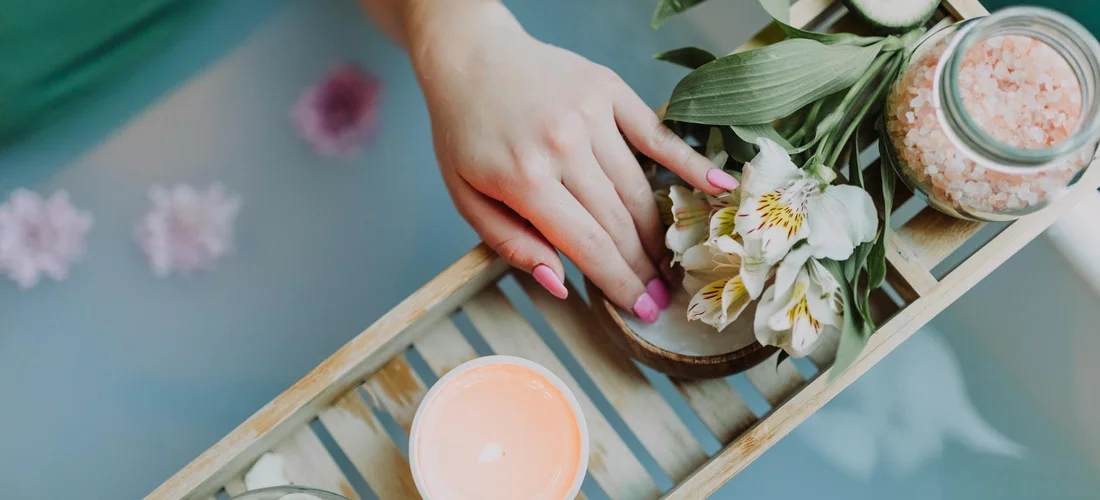
You can still create a luxurious soak without gambling with your tub’s health. The key is using products designed to dissolve completely and not interfere with your water chemistry. I keep my own water balanced and clear by using alternatives that add benefits without the baggage. If you’re aiming for a jacuzzi tub that delivers a better bath experience, these same principles apply. A few simple tweaks can elevate your soak without compromising tub health.
Spa-Approved Mineral Soaks and Salts
Look for products labeled specifically for hot tubs or spas. These are pure mineral blends that dissolve without leaving oils or films. Magnesium chloride flakes, for instance, can ease muscle tension and dissolve cleanly, without affecting your sanitizer’s effectiveness when used as directed. Even simple, fragrance-free Epsom salt (magnesium sulfate) can be used sparingly—think one cup per 400 gallons—and followed by a shock treatment to maintain clarity. It’s important to use Epsom salt correctly to avoid any issues.
Safe soaking ingredients to look for:
- Magnesium Chloride: Highly soluble, supports muscle relaxation.
- Dead Sea Salts: Mineral-rich, but ensure they are pure and unscented.
- Sodium Bicarbonate (Baking Soda): Can be used in tiny amounts to adjust alkalinity, not for fragrance.
Always dissolve any salt or mineral additive in a bucket of warm water first before pouring it into the tub to prevent any granules from settling in the plumbing. This is especially important when using mineral sanitizer systems to ensure they work effectively.
External Aromatherapy Options
Skip the water entirely and set the mood around your tub. This protects your equipment and lets you control the intensity. An essential oil diffuser placed on a stable surface nearby fills the air with scent without a single drop touching your water. Choose energizing citrus or calming lavender oils based on your mood. For a more permanent setup, consider low-wattage, waterproof LED lights that change color; they provide the visual appeal of dyes without any residue.
These methods are energy-efficient and eliminate the risk of chemical conflicts. Your filter will thank you with a longer life, and you’ll avoid the sticky feeling of oils on your skin after a soak.
If You Must: A Step-by-Step Guide to Minimizing Damage
Look, I get it. That fizzy, fragrant bath bomb is calling your name. If you absolutely cannot resist, treat it like a controlled experiment where your hot tub’s health is the variable. From my years balancing water and tearing apart pumps clogged with glitter and oil, here’s the only way I’d ever consider doing it. If you go that route, choose a bubble bath that’s labeled for spa use and use only a tiny amount. Afterward, test and adjust your sanitizer and pH to keep the tub healthy.
- Choose the Least Offensive Bomb. Skip anything with glitter, heavy oils, or intense colorants. Pick a small, simple, fragrance-only bomb. The fewer extras, the fewer headaches.
- Contain the Chaos. Never drop the bomb directly into the tub. Place it inside a fine-mesh lingerie bag or a dedicated filter sock. This traps most solids before they dissolve and race through your plumbing.
- Pre-Treat Your Water. Before the bomb fizzes, ensure your alkalinity (80-120 ppm) and pH (7.4-7.6) are perfect. Balanced water is more resilient and can handle the incoming acid or surfactant load a bit better.
- Shorten the Soak. Limit your bath bomb session to 20 minutes or less. The longer it stews, the more oils and gunk coat your pipes and filter.
- Run the Jets on High. After you get out, crank the jets for 15 minutes with the cover open. This helps aerate and begin breaking down residues before they settle.
- Commit to the Cleanup. This isn’t a one-and-done. Using a bomb means you’ve signed up for the immediate restoration steps that follow. No shortcuts.
I learned this the hard way after a client’s “lavender dream” bomb seized up a circulation pump with waxy sludge, a repair that cost more than a year’s worth of proper sanitizer.
The Aftermath: Cleaning and Restoring Your Hot Tub Post-Bath Bomb
The party’s over. Now comes the real work to save your system from the lingering effects. Acting fast is the difference between a quick recovery and a weekend-long plumbing purge.
Immediate Action: Shock and Filter Cleaning
As soon as you’re out of the water, your mission is to oxidize the foreign organics and protect your filter. You need to hit the water with a double dose of chlorine or non-chlorine shock, right now. The standard dose won’t cut it; you’re battling oils and lotions.
- Add shock at sunset or with the cover off. Circulate the water for a full hour.
- Remove your filter cartridge immediately. Hose it down with a strong, focused stream to dislodge visible debris.
- Soak the filter overnight in a filter cleaner solution. Don’t skip this-the oils from the bomb bind to the pleats like glue.
- Test your water after 24 hours. Expect pH to swing and sanitizer to be zero. Re-balance meticulously.
I always keep a spare filter cartridge for this exact scenario, so I can swap in a clean one while the dirty soaks, keeping the tub operational.
Deep Clean: Draining and Flushing the Plumbing
If the water stays cloudy or you smell a persistent waxy odor, the bomb’s ingredients are lurking in your pipes. A full drain and flush is the only way to evict these stubborn tenants from your plumbing lines.
- Drain the hot tub completely. Use a sump pump to save time and your back.
- While empty, wipe down the shell with a soft cloth and a mild, spa-safe cleaner to remove any scum line or residue.
- This is the critical step: Refill the tub just enough to cover the intake vents. Add a dedicated plumbing flush product, following the bottle’s directions precisely.
- Run all jets on high for 30-60 minutes. This forces the cleaner through every pipe, dissolving oils and calcium-heavy deposits.
- Drain the tub again. You’ll likely see gray, sudsy water or flecks of debris come out-this is the proof it’s working.
- Perform a final rinse by filling the tub with fresh water, running the jets for 15 minutes, and draining one last time before your final, chemical-free refill.
Flushing isn’t optional after a bath bomb; it’s preventative medicine for your pumps and heaters, saving you from costly repairs down the line. The hum of a clean circulation pump is a sound of victory.
## Common Questions
Are bath bombs ever safe to use in my hot tub or jacuzzi?
For proper spa care, the general answer is no. Bath bombs are formulated for single-use bathtubs that are drained afterward. In a hot tub, their ingredients are circulated, heated, and filtered repeatedly, which leads to chemical imbalances and physical residue that can damage components. Unlike bubble bath or shampoo that are not suitable for hot tubs either, bath bombs introduce significant and avoidable risk to your water chemistry and equipment.
How can I assess if a specific bath bomb is safe for my spa?
You must scrutinize the ingredient list. Immediately avoid any product containing glitter, mica powders, heavy oils/butters (like coconut or cocoa butter), or artificial colorants. Even “natural” bombs with citric acid and baking soda will disrupt your pH and alkalinity. If the bomb contains anything other than plain, dissolvable salts and perhaps a minimal fragrance, it is not spa-safe.
What should I look for in a UK bath bomb safety assessment for hot tubs?
In the UK, look for certifications or claims specifically stating the product is formulated for “hot tubs,” “spas,” or “whirlpool baths.” A true spa-safe product will have undergone testing for full solubility and chemical compatibility. Be extremely wary of standard retail bath bombs, even from reputable UK brands, as they are almost universally designed for draining bathtubs, not recirculating spa systems. For hot tub owners, critical chemical safety practices are essential to keep water safe and equipment in good condition. The next steps will outline these practices in detail.
What are the absolute safest alternatives to bath bombs for my jacuzzi?
The safest methods keep additives out of the water entirely. Use an external essential oil diffuser for fragrance. For in-water additives, only use products explicitly labeled for hot tubs, such as pure, fragrance-free mineral soaks like magnesium chloride. Even then, dissolve them in a bucket first and always follow with testing and shock treatment.
I accidentally used a bath bomb. What’s the first thing I should do?
Act immediately to minimize damage. First, remove and thoroughly rinse your filter cartridge. Then, test and aggressively re-balance your water chemistry, focusing on pH and alkalinity. You will need to super-chlorinate (shock) the water to oxidize the introduced oils and organics. Be prepared to clean your filter again within 24 hours as residue continues to be captured.
The Post-Soak Safety Scan
Before you ease into that inviting water, power on the jets for a solid five-minute cycle. Listen to the hum of the circulation pump and watch for any odd bubbles or lingering flecks of glitter. This stirs everything up and gives you a true read. Then, test your water. Dip that strip and confirm your pH and sanitizer levels are where they need to be. That last-minute verification is the difference between a relaxing soak and an irritating surprise for your skin and eyes.
I have pulled apart pumps clogged with waxy blobs and cleaned filters caked in colorful powder. One practice prevents nearly all of it. Make it your non-negotiable rule to thoroughly rinse your filters within 12 hours of using any bath bomb. The oils and binders in bombs settle and harden quickly; a prompt rinse with a garden hose stops them from becoming a permanent, flow-choking filter coating. That habit also maps to addressing common hot tub filter problems and their fixes. From clogged cartridges and reduced flow to mineral buildup, simple cleaning and timely replacement keep your system running smoothly.
The maintenance is done. The water is balanced and inviting. You’ve earned this. Go ahead, lower yourself in, and let the warm, clean water do its magic.
Further Reading & Sources
- How to Use Bath Bombs Without Clogging Your Drains | J.W. Freeman Plumbing
- Do Bath Bombs Clog Drains?
- Are Bath Bombs Bad For My Plumbing? | Garvin’s Plumbing and Sewer
- Are Bath Bombs Safe for Plumbing – Do they Clog Drains, Septic Tanks & – Body & Earth Inc
- Bath Bomb Drain Clogs: Causes & Solutions – Robinson Plumbing
- How to Use Bath Bombs Without Clogging Your Drain | Tub Therapy
Charlie is a hot tub enthusiast with a passion for keeping your jets running smooth and your bubbles bursting with joy. With years of experience in hot tub and jacuzzi maintenance, Charlie knows that a happy tub means a happy you. Whether it’s dealing with stubborn filters or giving your spa a little TLC, Charlie’s here to share expert tips, tricks, and plenty of laughs to help you keep your bubbly retreat in tip-top shape. So, kick back, relax, and let Charlie handle the rest — because no one likes a cranky jacuzzi!
Safety Tips