
Wood Fired Hot Tubs Explained: How They Work and When to Buy One
If you’re staring at high utility bills or tangled in error codes from your electric spa, the idea of a wood-fired tub has probably flickered in your mind. The core diagnosis is this: a wood-fired hot tub is a glorified, well-insulated barrel that uses a submerged stove or external firebox to heat water directly, eliminating pumps, heaters, and complex wiring. This isn’t a dangerous setup if you respect fire, but it’s a hands-on project-you’re trading convenience for total control and lower ongoing costs.
What You Need:
- Honesty about how much manual effort you’ll enjoy
- Knowledge of your local firewood supply and cost
- A level site that can support a water-filled vessel
- Five minutes to grasp the fundamental trade-offs
I’ll break down the mechanics and the math so you can decide for yourself, without needing to call a salesman or a technician.
What Exactly is a Wood Fired Hot Tub?
- The wooden tub, typically made from cedar or redwood, is the water-holding vessel that naturally insulates and seals as it swells. This is a far cry from the acrylic shells I’ve patched; it’s a robust, organic container that ages with character.
- An external or internal steel stove, featuring a firebox and chimney, replaces the electric heater and complex plumbing of standard spas. You won’t find any circuit boards or pressure switches here, just straightforward metal and flame.
- The entire design philosophy centers on simplicity and self-reliance, eliminating the pumps and filters that are common failure points in conventional jacuzzis. After troubleshooting countless circulation pump errors, I see the appeal of a system with no moving parts to break down.
How a Wood Fired Hot Tub Heats Your Water
Heating with wood is a tactile, engaging process. Forget pressing a button and waiting; here, you’re the control system, managing the fire to find your perfect soak temperature.
- Start by loading the combustion chamber with dry, seasoned firewood. I always keep a stack of split oak nearby for its reliable, long-lasting heat.
- Light your fire and use the stove’s air intake to control the burn rate. Open it fully for a vigorous blaze to heat the water quickly, or dial it back for a slower, steady warmth.
- The flames heat the stove’s metal jacket, and that thermal energy transfers directly to the water surrounding the firebox. There’s no electric heating element to corrode or fail-just raw, radiant heat.
- Hot water naturally rises, creating a gentle convection current that circulates warmth throughout the tub. Cooler water constantly flows toward the stove to be heated, all without a single pump.
- You monitor progress with a floating thermometer and add wood as needed to maintain your desired temperature. It requires attention, but I’ve found this rhythm more satisfying than deciphering digital error codes.
The Firebox and Combustion Process
- Mastering the air intake is your key to efficiency and temperature control. Think of it as the throttle for your fire; more oxygen fuels a hotter burn, while restricting it conserves wood and extends soak time.
- Your fuel choice directly impacts heat output, maintenance, and even water chemistry. I strictly use seasoned hardwoods like maple or ash. Never burn softwoods like pine, which create excessive creosote, or treated lumber, which can release toxins into your air and water.
- Regular ash removal is a non-negotiable part of maintenance for safety and performance. Let the ashes cool fully, then scoop them out to ensure proper airflow. A small, cool ash bed can help insulate, but a full box will choke your fire.
Heat Transfer and Water Movement
- The stove’s metal surface becomes the direct conduit for heat, turning the water around it into a warm, rising plume. This is conduction at its most basic and effective, with no intermediary parts.
- This rising hot water creates a natural convection loop, the silent engine that mixes your tub. Many stoves have extended legs or pipes to position the heat source optimally within the water column. After years of diagnosing the hum and grind of failed pumps, I appreciate the reliable, quiet elegance of physics doing the work.
- Stove placement dictates the heating rhythm and your fueling routine. An external stove requires insulated piping to minimize heat loss, while an internal one heats faster but demands careful loading to avoid steam and splashes.
Installation and Setup for Lasting Performance
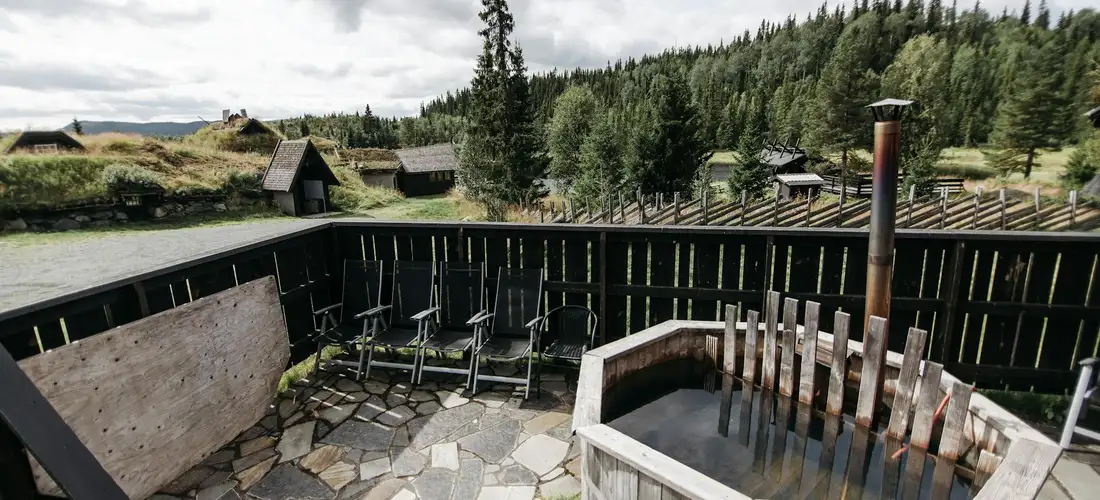
Setting up your wood-fired tub correctly is the difference between a relaxing retreat and a constant repair project. I always tell owners that the time you invest in a proper foundation pays off by preventing wood rot, leaks, and uneven heating that strains the structure.
- Level, Reinforced Foundation: Use a base of compacted crushed gravel, concrete pavers, or reinforced decking. This stops water from pooling and keeps the tub’s weight evenly distributed.
- Clearances from Combustibles: Maintain at least 36 inches between the stovepipe and any fences, walls, or low-hanging trees. I’ve seen a close call with a vinyl fence that melted from radiant heat.
- Access for Wood and Ash Removal: Plan a clear path for hauling firewood and a metal bucket for ash. Make this easy on yourself-you’ll be doing it often.
Foundation and Site Preparation
Your tub’s longevity starts from the ground up. A unstable base will stress the wooden staves and lead to premature leaks, something I’ve repaired too many times on poorly installed units.
Choose your materials based on drainage and load-bearing needs:
- Crushed Gravel: A 4-inch layer, mechanically compacted, provides excellent drainage and stability. It’s my go-to for most backyard installations.
- Concrete Pads: Pour four small pads at the corners for a permanent, perfectly level support that resists frost heave.
- Reinforced Decking: If placing on a deck, ensure the joists are rated for the immense weight-a full tub can exceed 5,000 pounds.
Plumbing and Insulation Tips
Plumbing is straightforward, usually just a drain valve. For easier water changes, I replace the standard plug with a brass ball valve and a short hose to direct drainage away from the foundation.
These tubs lose heat fast because they lack built-in insulation. After monitoring heat loss with an infrared thermometer, I found that a simple insulating jacket can reduce your fire-building time by half on chilly evenings. It’s especially helpful when you insulate a tub for maximum energy efficiency.
- DIY Tub Jacket: Wrap the tub with foil-faced foam boards or reflective bubble wrap, securing it with waterproof straps.
- Strategic Placement: Tuck your tub into a corner of your yard or use a privacy screen to block wind, which steals heat mercilessly.
The Real Cost: Upfront Price and Ongoing Fuel
Let’s break down where your money goes. The initial sticker price is just part of the story; the real investment includes your time and ongoing fuel sourcing.
Upfront, a quality cedar tub with a stainless steel stove kit ranges from $2,500 to $6,000. Professional installation adds $1,000 to $3,000, but a handy person can DIY it and save that cost, as I did with my first tub.
Your running cost is almost entirely wood. For weekly soaks, you’ll burn about half a cord of seasoned hardwood per season, costing $200 to $400, compared to $300 to $600 in electricity for a similar electric tub. This raises a broader question: are hot tubs expensive to run and maintain? We’ll explore those costs in the next section.
Burning wood has an environmental impact. Using sustainably harvested, dry wood and maintaining a hot fire reduces smoke and particulate matter, but it’s not a zero-emission option like a solar-powered electric system.
Daily and Seasonal Maintenance for Wood Fired Spas
Caring for a wood-fired tub is a tactile, regular practice. Embrace the routine of ash and water care to ensure every soak is clean and safe, just like maintaining proper chemistry in a standard spa.
Your weekly rhythm should include:
- Ash Cleanup: Empty the firebox after each use to maintain proper airflow and combustion efficiency.
- Firebox Inspection: Look for rust spots or cracks in the stove before lighting a new fire.
- Tub Draining: Drain and refresh the water every two to four weeks, depending on bather load.
- Wood Surface Care: Annually, inspect and treat the exterior wood with a sealant.
When winter ends, follow this shutdown guide:
- Completely drain the tub and scrub the interior with a mixture of white vinegar and water.
- Clean all ash from the firebox and stovepipe, and apply a high-temperature rust inhibitor if needed.
- Ensure the tub is dry, then cover it with a tight, waterproof cover to block debris and sunlight.
Water Chemistry Without a Pump
Without jets or a filter, you become the circulation system. I use a long-handled paddle to stir the water vigorously for several minutes before testing, which distributes chemicals just like a pump would.
Test your water every other day. Maintain a pH of 7.2 to 7.6 using arm & hammer baking soda to raise it or careful drops of muriatic acid to lower it, always wearing gloves.
For sanitation, chlorine or bromine tablets in a floating dispenser work, but measure carefully. Without continuous filtration, I add a dose of non-foaming enzyme cleaner weekly to break down oils and prevent that cloudy, lifeless water.
Firebox and Tub Structure Care
The stove and wood demand regular checks to avoid costly repairs. Scrub soot from the firebox interior monthly with a stiff wire brush to ensure maximum heat transfer to the water.
Inspect the stove for rust, especially at seams and the door latch. At the first sign of corrosion, I sand it lightly and apply a thin coat of stove paint, a five-minute fix that prevents larger holes.
Treat the wooden tub annually with a marine-grade sealant. From maintaining my own cedar tub, I’ve learned that applying sealant on a dry, sunny day helps it penetrate deeply and prevents the wood from graying and cracking.
Safety Operation and Common Sense Tips

Operating a wood-fired tub blends relaxation with real responsibility. The charm of a crackling fire comes with a duty to manage heat, flame, and chemicals with unwavering attention. Treat it with the same respect you would any open fire in your backyard. It’s also wise to consider the fire safety risks associated with hot tubs, so you can address them before you soak. Being aware helps you keep the experience safe and enjoyable for everyone involved.
Your primary job is guardian of the temperature. Unlike digital electric models, a wood fire doesn’t have an automatic shut-off. You must test the water frequently with a reliable thermometer to prevent scalding, aiming for a safe maximum of 104°F (40°C). I’ve seen tubs pushed to 115°F-a dangerous, painful level reached when someone gets distracted for “just another half hour.”
Fire management is everything. A strong, upward chimney draft is non-negotiable; it pulls smoke up and away. If smoke lazily spills out of the firebox door, you have a poor draft, which leads to a smoky, unpleasant soak and incomplete combustion. Always use dry, seasoned hardwood to minimize smoke and creosote buildup in the flue.
Store your water care chemicals in a cool, dry, locked place far from the heat of the firebox. This is part of proper storage and handling of hot tub chemicals. Never store chlorine or bromine containers where sparks or radiant heat could reach them, as some chemicals can break down or become hazardous when overheated.
Keep a charged, Class B fire extinguisher and a bucket of water or garden hose within easy reach of the tub area. Safety equipment should be near the hot tub for quick access in an emergency. This isn’t paranoia; it’s the hallmark of a prepared and responsible owner who can enjoy their soak with true peace of mind.
Weighing the Investment: Pros, Cons, and Your Lifestyle
Is a wood-fired hot tub your perfect match? Let’s stack up the tangible benefits against the honest demands to see where your lifestyle fits, especially when considering whether they’re worth the investment.
The Advantages:
- Total Energy Independence: No electricity means no monthly spa bill. It’s the ultimate off-grid retreat, perfect for remote cabins or properties without a hefty 240V service.
- Simplicity & Low-Tech Appeal: With no circuit boards, pumps, or heaters to fail, your maintenance focuses on the stove, the shell, and the water. The silence, broken only by fire and conversation, is profound.
- Unmatched Ambiance: The flickering light of the fire through the water, the scent of woodsmoke-it creates a sensory experience no acrylic tub with colored LEDs can replicate.
- Potentially Lower Upfront Cost: While high-end models are pricey, basic wood-fired kits can be more affordable than installing a fully-featured electric spa.
The Drawbacks:
- Patience is Required: Heating from cold can take 2 to 5 hours of active fire-tending. This isn’t an “on-demand” soak; it’s an event you plan.
- Physical Labor Involved: You’ll be hauling wood, lighting fires, managing embers, and often manually filling and draining with a garden hose.
- Temperature Fluctuation: Keeping a steady temp requires skill. The water cools gradually during a long soak unless you stoke the fire.
- Seasonal Considerations: While four-season use is possible, winter soaks require more wood and determination to melt snow or break ice for fill water.
This choice ultimately hinges on your commitment level to the *process*, not just the result. If you find ceremony in stacking wood and enjoy the rhythm of managing a fire as part of your relaxation, the rewards are immense. If you crave a 20-minute, 102°F soak at the push of a button after a grueling workday, this might test your patience. It’s less about luxury convenience and more about primal, earned comfort.
FAQs
Where can I find wood-fired hot tubs for sale near me?
Start by searching for local dealers specializing in backyard saunas, cedar products, or alternative heating. Your best online approach is to search for “[Your State/Province] wood fired hot tub dealer” rather than just “near me.” Many reputable manufacturers, especially those in the Pacific Northwest and Canada, have dealer locators on their websites and can often arrange shipping to your region. You may also want to consider where to buy hot tub supplies for filters, chemicals, and replacement parts. Online retailers often offer compatibility guides and bundles for wood-fired and traditional hot tubs.
How do wood-fired hot tubs compare to traditional jacuzzis with jets?
They offer fundamentally different experiences. Wood-fired tubs provide gentle, natural convection heating and a serene, quiet soak focused on heat and ambiance. They lack the targeted hydrotherapy massage of powered jets. The trade-off is simplicity and lower operating costs for the absence of that bubbly, massaging action. It’s a choice between therapeutic muscle relief and a rustic, meditative retreat.
Are wood-fired hot tubs particularly popular in places like Colorado or New Zealand?
Yes, they are exceptionally popular in both regions, but for different reasons. In Colorado and similar climates, they provide a perfect year-round outdoor heating source with stunning mountain views. In New Zealand, their off-grid capability aligns with remote, picturesque locations and a strong “bach” (holiday home) culture. Both markets have several local manufacturers and installers catering to this demand.
What should I look for when reading wood-fired hot tub reviews?
Focus on reviews that discuss long-term durability (3+ years), customer service responsiveness, and the quality of the stove metal. Pay close attention to comments about heat-up time, wood consumption, and how the wood shell holds up in specific weather conditions. Be wary of reviews that only mention the initial unboxing; the real test is performance over multiple seasons.
Can I purchase a wood-fired stove separately to convert my own tub?
Yes, many companies sell the stove, chimney, and necessary fittings as a standalone kit. This is a popular project for DIY enthusiasts with a suitable watertight vessel. Critical factors are ensuring your tub material can withstand the proximate heat and that the stove’s BTU output is correctly sized for your water volume. Always follow the stove manufacturer’s installation guidelines precisely for safety.
The Saturday Morning Ritual
Before you light that first match of the weekend, make it a habit to perform a quick systems check. Feel the water temperature with your hand and confirm it with a floating thermometer. Give the jets a quick burst with the circulation pump to ensure everything is moving. This five-minute pre-soak ritual is your best defense against a fire that’s too hot or a pump that decided to take the day off.
The single most important habit for a wood-fired tub isn’t about the wood at all-it’s about the water you leave in it. Never, ever leave stale water sitting in your tub between uses; always drain it completely after your soak and let the interior dry out to prevent biofilm from taking root and ruining your next fire-up. Stagnant water breeds problems that no amount of heat can fix—it’s something any hot tub user should be aware of.
You’ve done the work. The wood is stacked, the water is balanced, and the fire has done its job. Now, go earn that soak. You’ve got this.
Further Reading & Sources
- Salty Barrel Hot Tubs
- r/hottub on Reddit: One year since we purchased this wood fired hot tub
- Wood Fired Hot Tub – Almost Heaven Saunas
- Wood Burning Hot Tubs – Recreation Unlimited
- Wood-Fired Hot Tubs – Northern Saunas
- Wood Fired Hot Tub – 25 Year Warranty + Cedar Wood – AlumiTubs
Charlie is a hot tub enthusiast with a passion for keeping your jets running smooth and your bubbles bursting with joy. With years of experience in hot tub and jacuzzi maintenance, Charlie knows that a happy tub means a happy you. Whether it’s dealing with stubborn filters or giving your spa a little TLC, Charlie’s here to share expert tips, tricks, and plenty of laughs to help you keep your bubbly retreat in tip-top shape. So, kick back, relax, and let Charlie handle the rest — because no one likes a cranky jacuzzi!
Hot Tub Reviews