
How to Fix Chemical Safety Mistakes in Your Hot Tub Before They Cause Harm
If you smell a sharp chlorine odor the moment you lift the cover or your skin feels itchy after a soak, you’re seeing the warning signs. You are likely adding sanitizer haphazardly or ignoring protective gear, a practice that risks chemical burns, respiratory irritation, and damage to your tub’s plumbing. I’ve felt the sting of misbalanced pH on my own hands and seen pumps fail from acid corrosion, so treat this as an urgent safety issue, not just a cloudy water problem.
- What You Need:
- Chemical-resistant gloves and safety goggles
- A reliable test kit (strips or liquid) for pH and sanitizer
- A well-ventilated area for handling chemicals
- Five minutes of focused reading
Follow my field-tested advice below, and you’ll manage your spa chemicals safely and effectively, without ever needing to call in a professional.
The Essential Chemicals for Your Spa and What They Do
Think of your hot tub water like a recipe-too much or too little of any ingredient and the whole batch is off. You need a handful of key chemicals to keep it safe, comfortable, and easy on your equipment. Neglecting this balance is a fast track to itchy skin, a broken heater, or water so cloudy you can’t see the jets.
Here’s your shopping list of core chemical types:
- Sanitizer: This is your germ fighter. You’ll choose either chlorine or bromine as the primary killer of bacteria and viruses.
- pH Adjusters: These are usually pH Increaser (sodium carbonate) and pH Decreaser (sodium bisulfate). They control whether your water is acidic or basic.
- Alkalinity Increaser: Typically sodium bicarbonate, it acts as a buffer to stop wild pH swings.
- Calcium Hardness Adjuster: Calcium chloride increases water hardness to protect your tub’s shell and plumbing from becoming corrosive.
- Shock Oxidizer: A potent, fast-acting oxidizer (like potassium monopersulfate or chlorine-based shock) that burns off organic waste and refreshes your sanitizer.
- Cyanuric Acid Stabilizer: Used with chlorine pools and some spas, it acts like sunscreen for chlorine, slowing its breakdown from UV rays.
You’ll find these in a few common forms. Granules dissolve fast for quick adjustments. Tablets go in a floating dispenser for slow, steady sanitizer release. Liquids, like bleach, are less common for spas but are an option. I always keep a stash of granular pH decreaser and shock because they’re my go-to tools for weekly corrections.
Chlorine vs. Bromine: Picking Your Fighter
Your big choice is between chlorine and bromine. Both get the job done, but they have different personalities. Here’s a quick comparison to help you decide: Wondering what’s the difference between bromine and chlorine in hot tubs? This quick overview will highlight how each sanitizer performs in warm water so you can compare them at a glance.
| Feature | Chlorine | Bromine |
|---|---|---|
| Cost | Generally cheaper upfront. | Often more expensive per dose. |
| Stability in Heat | Breaks down faster in hot water. | Remains more stable at high temps. |
| Odor | That classic “pool smell” (which is actually chloramines). | Softer, less pungent odor. |
| Best For | Spas used frequently with diligent testing. | Spas used infrequently or by those sensitive to chlorine odor. |
Let me break down what each chemical really does in plain English. Your sanitizer is the security guard, eliminating contaminants. pH balance is crucial; if it’s too low (acidic), it eats away at your heater element and seals. Too high, and it lets scale form and makes your sanitizer lazy. Alkalinity is the bodyguard for your pH, keeping it from bouncing around every time you add a chemical. Calcium hardness prevents the water from getting “hungry” and leaching minerals from your tub’s surfaces. Shock is like a reset button-it clears out the dead organics that make water dull. And cyanuric acid, while helpful outdoors, can lock up chlorine if overused, a mistake I’ve corrected in dozens of tubs.
Gearing Up: Your Personal Protective Equipment (PPE) Kit
Handling spa chemicals isn’t like cooking. One deep breath of powdered chlorine dust or a splash of pH decreaser in your eye can ruin your week. Your PPE kit is not optional gear; it’s your first line of defense against painful chemical burns and respiratory irritation. Here’s what you must have on hand every single time you open a chemical container:
- Chemical-Resistant Gloves: Nitrile gloves are my favorite. They’re tough, disposable, and protect your skin from direct contact with concentrates.
- Safety Goggles: Not sunglasses, not reading glasses. Proper sealed goggles that stop liquid or dust from getting in.
- Long Sleeves: A simple old shirt works. It keeps granules from bouncing onto your forearms.
- Dust Mask (N95): Essential for pouring any powdered chemical like calcium increaser or dry acid. You do not want that in your lungs.
Let me tell you why skipping this is a bad idea. pH decreaser (dry acid) can cause immediate skin burns. Chlorine granules release fumes that sting your eyes and throat. Alkalinity increaser might seem harmless like baking soda, but in concentrated form, the dust can irritate your airways for hours. I learned this the hard way early in my career. I was in a hurry to balance a client’s water, poured chlorine granules without a mask, and got a face full of fine dust. The coughing fit was intense, and my sinuses burned for a day. It was a stupid, preventable mistake that taught me to never rush safety.
Gear up every time. Store your chemicals in a cool, dry, locked place away from kids and pets. Always add chemicals to water, never water to chemicals, to prevent violent reactions and splashing. This simple ritual takes 30 seconds but saves you from potential trips to the clinic and keeps your spa maintenance a pleasure, not a hazard.
Safe Storage Solutions for Hot Tub Chemicals
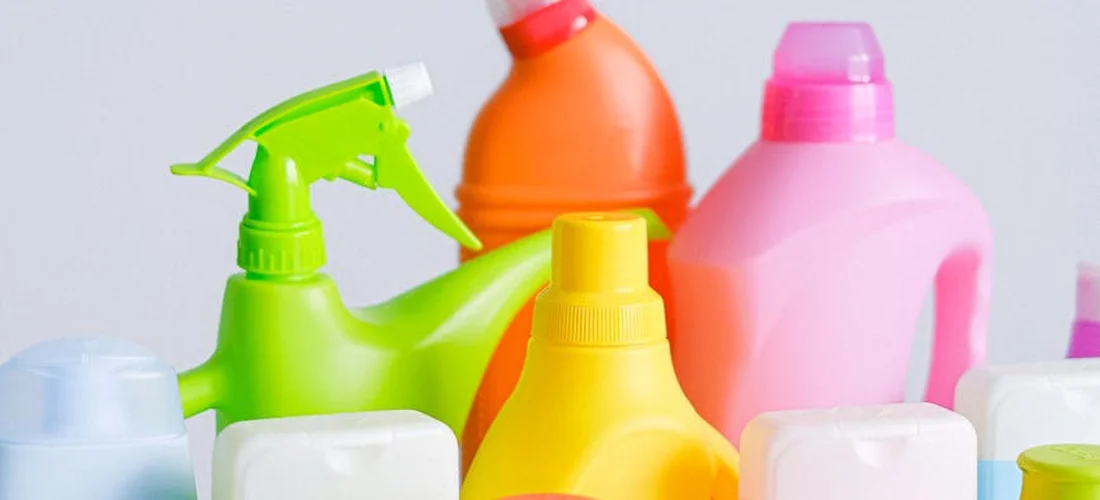
Think of chemical storage like gun safety-it’s all about preventing accidents before they happen. A forgotten bucket of shock treatment left in a damp corner taught me that improper storage can lead to degraded products, dangerous fumes, or even a small fire.
- Keep every chemical in its original, labeled container. Those labels have the expiry date, safety warnings, and precise instructions you’ll need later.
- Find a cool, dry, locked cabinet away from sunlight. Heat from your garage or a sunny patio can make chemicals unstable and less effective.
- Never store chemicals near the spa equipment or other pool supplies. Vapors can corrode metal parts and accidental spills can cause cross-contamination.
The one rule I’ve seen broken with scary consequences: never mix different chemicals together outside of the water. Combining dry chlorine and acid, for example, can create a toxic gas in seconds. Always add them separately to the tub.
Your perfect storage locker should be:
- Well-ventilated to let any escaped fumes drift away.
- Completely out of reach of kids and pets-a lock is non-negotiable.
- Dry and cool, like a basement storage room, not a humid shed or hot garage.
The Right Way to Test and Dose Your Water
Water testing is your hot tub’s annual physical-skip it, and small issues become expensive repairs. For beginners, a guide to maintain proper hot tub water chemistry can walk you through quick tests and simple adjustments. I’ve balanced water for hundreds of tubs, and the clarity and gentle feel of perfectly balanced water is worth the two minutes it takes.
Choosing Your Test Method
You’re basically choosing between speed and precision. Test strips are the fast food of testing: dip for two seconds, compare the colors. Liquid test kits, with their vials and droppers, are like a home-cooked meal-more effort, but far more accurate for critical readings like pH and alkalinity.
Test your sanitizer level daily, right before you plan to soak. For the full picture, test pH, total alkalinity, and calcium hardness every week. This weekly habit catches imbalances early, saving you from dumping and refilling the entire tub prematurely.
Interpreting Results and Adjusting
Here’s your target cheat sheet. Miss these ranges, and you’ll feel it in your skin and see it on your equipment.
- Sanitizer: Chlorine at 3-5 ppm; Bromine at 4-6 ppm.
- pH: 7.2 to 7.8. This is the sweet spot for comfort and equipment life.
- Total Alkalinity: 80-120 ppm. Think of this as pH’s anchor-adjust it first.
- Calcium Hardness: 150-250 ppm. Prevents the water from becoming greedy and eating away at your shell or pipes.
Dosing chemicals safely is a simple dance. Get the steps wrong, and you risk a chemical splash or uneven treatment.
- Always add chemicals to water, never water to chemicals. Pouring water onto a concentrated powder can cause a violent reaction.
- Use a dedicated, clean measuring scoop for each product to prevent cross-contamination.
- Add chemicals slowly, directly into the spa water while the circulation pump is running.
- Let the pump hum for at least 20 minutes after adding to fully disperse the chemicals.
- Retest the water after an hour to confirm your adjustments hit the mark.
Step-by-Step: Adding Chemicals Without the Drama
The low hum of your circulation pump isn’t just background noise-it’s your best friend for safe, even chemical distribution. I’ve seen too many people just toss powder into a quiet tub, creating corrosive pockets that damage the shell.
Always start with the jets on high to create a swirling vortex; this actively dilutes the chemical as you add it, protecting your tub’s surfaces and your skin. For beginners, a beginner’s guide to safe and effective hot tub use can help you get started with proper temperature and chemical routines. Following these basics will support a safe, enjoyable soak.
The Safe Procedure (Every Single Time)
- Circulate: Power on the jet pump for a vigorous, high-flow mix.
- Pre-Dissolve: For dry chemicals (like most pH adjusters or granular shock), fill a clean 5-gallon bucket halfway with water from the hot tub. Add the measured chemical to the bucket water and stir until fully dissolved. This prevents granules from settling on and damaging the spa floor.
- Add Slowly & Smartly: Walk slowly around the tub, pouring your pre-mixed solution or liquid chemical directly onto the water’s surface. Keep it away from the skimmer opening and jet intakes. Pouring near a jet can suck concentrated chemical directly into the plumbing.
- The Mandatory Pause: After adding one chemical, let the jets run for at least 15 full minutes before adding the next type. This gives the water time to fully integrate the first agent, preventing dangerous in-line reactions.
Handling the Heavy Hitters: Acid and Shock
Muriatic acid (a liquid pH decreaser) and dry chlorine or non-chlorine shock demand extra respect. I keep a dedicated pair of chemical-resistant gloves and goggles just for these two.
For acid, always add acid to water, never water to acid, to prevent a dangerous thermal reaction-use your pre-dissolve bucket, and work upwind of any fumes.
When adding oxidizer shock, ensure your tub’s air blowers are OFF, as they can aerosolize the chemical. Add it in the evening to let it work without being degraded by sunlight.
The Non-Negotiable Rule
Your hot tub is for soaking, not chemistry. Never, under any circumstances, add chemicals while people or pets are in the water; chemical burns and inhalation risks are immediate and severe. Finish your maintenance routine, let the chemicals circulate for a full cycle (at least 30 minutes), and only re-enter after testing confirms safe levels. General health and safety guidelines for hot tub use apply here to help keep everyone safe. Following them helps ensure a healthier, safer soak.
When Things Go Wrong: Spills and Exposure Response
Even with care, accidents happen. I once knocked over a container of pH increaser (a strong base) in my garage. Having a plan stopped a bad moment from becoming a disaster.
Chemical Exposure: Your First-Aid Shortlist
- Skin Contact: Immediately remove contaminated clothing. Rinse the affected area under cool, gently flowing water for a minimum of 15 minutes. Don’t scrub.
- Eye Contact: This is a medical emergency. Hold eyelids open and rinse continuously with lukewarm water for at least 15-20 minutes. Seek immediate medical attention after beginning irrigation, and bring the chemical’s Safety Data Sheet (SDS) with you.
- Inhalation: Move to fresh air immediately. If breathing is difficult, call for emergency help.
- Ingestion: Do NOT induce vomiting. Rinse the mouth with water and call poison control or emergency services right away.
Containing and Cleaning a Spill
Speed and proper gear are everything. Your spill kit should include goggles, a respirator mask (N95 for dust, chemical cartridge for acids/bases), chemical gloves, absorbent clay (kitty litter), baking soda, white vinegar, and heavy-duty disposal bags.
- Ventilate: Open all doors and windows. Turn on exhaust fans if indoors.
- Suit Up: Don your full Personal Protective Equipment (PPE) before approaching the spill.
- Contain: Surround the spill with an absorbent material like clay litter to prevent it from spreading. For liquids, pour the absorbent over the spill.
- Neutralize & Collect:
- For acid spills (pH Down), sprinkle baking soda over the damp absorbent until fizzing stops.
- For base spills (pH Up, most sanitizers), carefully apply a dilute white vinegar solution.
Scoop all waste into a dedicated hazardous waste bag.
- Dispose: Do not put this waste in your regular trash. Contact your local waste management authority for instructions on disposing of hazardous chemical waste from homeowners. They often have designated drop-off days.
The Dangers of Mixing Chemicals and Improper Balance

Let’s get straight to the point: ignoring chemical safety can ruin your equipment and ruin your soak. From my time fixing pumps clouded by scale and heaters corroded to nothing, I can tell you that water balance isn’t just a suggestion-it’s the foundation of every trouble-free tub.
Volatile Reactions
I want you to picture this: a homeowner once called me in a panic after mixing a powdered chlorine shock with a dry acid product in a bucket, creating a yellowish-green gas that made them cough. That was chlorine gas, a toxic irritant that forms instantly when chlorine and acid meet in a dry state, and it’s a perfect example of what not to do in your spa care.
- Mixing chlorine (like dichlor or calcium hypochlorite) with acid (like muriatic acid or sodium bisulfate) doesn’t just create ineffective water-it can create a dangerous fume that harms your lungs and damages equipment.
- Always add each chemical to the water separately and slowly. Never combine them in a dry bucket or container, and always add granules or liquid to water, not the other way around, to prevent violent reactions.
Risks of Ignoring Water Balance
If your water isn’t balanced, every other chemical you add is basically wasted effort. I compare it to trying to bake a cake with the oven set wrong-no matter how good your ingredients are, the result will be a mess.
- Low pH (below 7.2) is corrosive. It aggressively eats away at your heater’s copper elements, pump seals, and metal fittings. I’ve replaced heaters that looked like Swiss cheese from sustained acidic water.
- High pH (above 7.8) causes scaling. You’ll see chalky, white deposits clogging your jets and coating the heater, which forces it to work harder, hike up your energy bills, and leave your water looking perpetually cloudy.
- Improper sanitizer levels are an invitation for trouble. Too low, and slimy biofilm builds up in the plumbing; too high, and you’ll deal with the sting of chlorine on your skin and red, irritated eyes after a short soak.
That strong chemical odor people complain about? It’s not from chlorine. That pungent smell and eye irritation are almost always from chloramines, which are formed when chlorine binds to oils and sweat in water that has poor pH balance. No amount of chemical treatment will fix that—you just need to reset the water. A well-balanced tub should have almost no chemical scent at all.
FAQs
What chemicals are needed for hot tub maintenance?
Essential chemicals include a sanitizer (chlorine or bromine), pH adjusters (increaser and decreaser), alkalinity increaser, calcium hardness adjuster, and shock oxidizer. These work together to kill bacteria, balance water chemistry, protect equipment, and keep the water clear and comfortable for soaking.
How should hot tub chemicals be stored safely?
Store all chemicals in their original, labeled containers in a cool, dry, and locked cabinet away from sunlight and moisture. Never mix different chemicals outside the water, and keep them out of reach of children and pets to prevent accidents and degradation. It’s especially important to apply these practices when handling hot tub chemicals.
How often should hot tub water chemistry be tested?
Test sanitizer levels daily before use. For complete balance, check pH, total alkalinity, and calcium hardness at least once a week. Regular testing helps catch imbalances early, avoiding skin irritation and equipment damage.
What personal protective equipment (PPE) should be worn when handling hot tub chemicals?
Always wear chemical-resistant gloves, sealed safety goggles, long sleeves, and a dust mask (N95). This PPE protects against skin burns, eye injuries, and inhalation of harmful fumes or dust from concentrated chemicals.
What should be done in case of chemical exposure or spill?
For skin contact, rinse immediately with cool, flowing water for 15 minutes. For eye exposure, rinse continuously and seek medical help right away. If a spill occurs, ventilate the area, contain it with absorbent material like kitty litter, and dispose of it as hazardous waste following local regulations.
Your Pre-Soak Safety Protocol
Before you even think about sliding into that warm water, make it a non-negotiable habit to run the jets on high for a full five minutes and dip a fresh test strip. In the post-installation phase, run the hot tub water treatment setup to balance sanitizer, pH, and alkalinity to the recommended targets. This quick calibration helps prevent irritation and makes your first soak more comfortable. This final check isn’t a suggestion-it’s your last line of defense against chemical irritation or imbalance that can happen while the tub sits. Always verify your sanitizer level, pH, and alkalinity are in their ideal ranges immediately before use, and wait at least 30 minutes after adding any chemicals before soaking.
Preventing problems is always easier than fixing them. The single most powerful habit you can build is a simple, unwavering testing schedule. Get into the rhythm of testing your water every Tuesday and Friday morning-consistency here prevents nearly every common chemical headache before it has a chance to start. This tiny time investment saves you money on corrective chemicals and guarantees the water is always inviting.
You’ve done the work. The chemistry is balanced, the water sparkles, and the only thing left is to relax. Go enjoy that perfect, worry-free soak. You’ve earned it.
Further Reading & Sources
- Hot Tub Chemicals Guide – Keep Your Hot Tub Water Clean
- A Guide to Hot Tub Chemicals: What you REALLY need to know
- Hot Tub Chemical Guide | Water Care Made Easy | Expert Advice from Outdoor Living
- What Chemicals Should I Put In A Hot Tub | Hot Spring Spas
- Hot Tub Chemicals: What You Need and How To Add Them
- Hot Tub Chemicals for Dummies: An Easy Guide to Balanced Waters | O-Care.com
Charlie is a hot tub enthusiast with a passion for keeping your jets running smooth and your bubbles bursting with joy. With years of experience in hot tub and jacuzzi maintenance, Charlie knows that a happy tub means a happy you. Whether it’s dealing with stubborn filters or giving your spa a little TLC, Charlie’s here to share expert tips, tricks, and plenty of laughs to help you keep your bubbly retreat in tip-top shape. So, kick back, relax, and let Charlie handle the rest — because no one likes a cranky jacuzzi!
Safety Tips