From Weak Whispers to Powerful Jets: Your Hot Tub Air Blower Master Class
Published on: February 9, 2026 | Last Updated: February 9, 2026
Written By: Charlie Bubbles
You crank the air control, lean back, and wait for that deep, massaging surge… but get a disappointing sputter of bubbles. Your hot tub’s air blower isn’t living up to its promise. This weak performance is almost always a simple setup or maintenance issue, not a broken blower. While the blower itself is safe, always turn off the hot tub’s power at the breaker before you inspect or touch any components.
What You Need:
- Your hot tub’s owner’s manual
- 5 minutes for a quick system check
- A Phillips-head screwdriver (maybe)
- The willingness to feel for an air leak
Let’s get those therapeutic bubbles roaring without a costly service call.
What is a Hot Tub Air Blower and How Does It Work?
Think of your hot tub air blower as a powerful kitchen whisk for your water. Just as a whisk beats air into cake batter to make it light and fluffy, the blower forces air into the plumbing to create that luxurious cloud of bubbles. It’s a separate system from the main water pump. The blower’s sole job is to inject volumes of air, creating that effervescent, bubbling experience that feels light and tingly on your skin. A simple way to picture it: a motor pulls in outside air and pushes it through a dedicated air line that connects to special venturi fittings in the tub walls or floor.
Air Blower Basics: More Than Just Bubbles
Let’s get familiar with the parts and terms. That distinct hum you hear when you press the “air” button is a durable, fan-cooled motor inside a plastic housing. It’s rated by CFM (Cubic Feet per Minute), which tells you its power-common models range from 70 to 120 CFM. This process is called aeration. The air travels through a rigid air tube, often protected by a one-way check valve to stop water from backing into the blower. The magic happens at the venturi, a special jet fitting that uses water pressure to help suck in the air for a more efficient, bubbly mix. I’ve fixed dozens where a failed $15 check valve was the only thing stopping the bubbles, saving owners a costly service call.
Air Blower vs. Jet Pump: Understanding Your Spa’s Systems
It’s easy to confuse them, but they are fundamentally different. If you’re wondering whether different types of hot tub jets have distinct functions, you’re in the right place. We’ll cover how each jet type contributes to the overall experience. The jet pump is for deep tissue massage; the air blower is for light, effervescent relaxation. Here’s a breakdown:
| Feature | Air Blower | Jet Pump |
|---|---|---|
| Function | Moves air only. Creates bubbles. | Moves water only. Creates targeted pressure. |
| Power Source | Plugged into a dedicated 120V or 240V circuit. | Wired to the main spa control pack. |
| Effect on Water Temp | Cools water rapidly due to aeration. | Can slightly warm water as it circulates through the heater. |
| Typical Use | Short sessions for a relaxing bubble bath effect. | Longer sessions for targeted hydrotherapy massage. |
Remember this rule: jets move water for massage, blowers move air for bubbles. Confusing them leads to misdiagnosed problems—especially when trying to adjust hot tub jets for a targeted hydrotherapy massage.
How the Systems Work Together for Optimal Therapy
Their synergy is what makes a soak perfect. First, you engage the jet pump. Its powerful impeller pulls water from the tub, through the filter and heater, and fires it back out the jet nozzles for a deep, kneading massage. Next, you activate the air blower. It sends a rush of air into those same jet lines (or separate bubble ring holes), transforming the solid stream of water into a churning, aerated mix. The combined effect surrounds you with both forceful hydrotherapy and millions of light, effervescent bubbles. Using them in sequence lets you customize your soak from an invigorating massage to a gentle, fizzy float. Knowing how jacuzzi tubs jets work reveals why the combinations feel so distinct, and it guides you in dialing in optimal pressure. When you understand the pump, heater, and air system, you can fine-tune your experience for that perfect balance of massage and bubbles.
The Pros and Cons of Using Your Air Blower
That button promises instant relaxation, but it comes with trade-offs a smart owner should know. Balancing the thrill of the bubbles with their practical impact is key to enjoying your tub without headaches. If you’re considering using bubble bath in your hot tub, choose products designed for spa use and follow label directions. A quick guide on safe bubble bath use in hot tubs can help you avoid foaming and residue.
Why You’ll Love the Aeration: Key Benefits
- Enhanced Sensory Relaxation: The light, all-over tingle of bubbles is profoundly calming, offering a different texture from the punching jets.
- Natural Water Oxygenation: It physically agitates the surface, helping to gas off contaminants and introduce fresh oxygen, which can make the water feel “fresher.”
- Sanitizer Circulation Aid: While not a replacement for your circulation pump, the turbulent action helps move chlorine or bromine into every nook, especially in dead spots.
- Quick Mood Changer: With one button, you transform a still, hot soak into a lively, bubbling retreat-perfect for shifting the atmosphere.
For me, the true benefit is that fizzy, champagne-like feel you simply can’t get from jets alone.
The Not-So-Fun Side: Drawbacks and How to Manage Them
- Rapid Heat Loss: Aeration cools water fast-expect a 2-5°F drop in 15 minutes. Mitigation Tip: Use the blower in shorter bursts and only when you’re in the tub enjoying it.
- Spikes in pH: Introducing air constantly drives pH up, which can make your water chemistry frustratingly unstable. Mitigation Tip: Test and adjust pH and alkalinity more frequently on days you use the blower heavily.
- Foam Creation: Agitation can whip any oils, lotions, or old detergent in suits into a foamy mess. Mitigation Tip: Rinse suits in clean water and use a defoamer as a quick fix, but clarify your water to remove the source.
- Higher Energy Consumption: That motor uses significant electricity. Mitigation Tip: Treat it like a luxury feature, not a default setting, to keep utility bills in check.
The biggest mistake I see is owners leaving the blower on for hours, wondering why their heater runs constantly and their pH is always high.
Operating Your Air Blower Safely and Efficiently
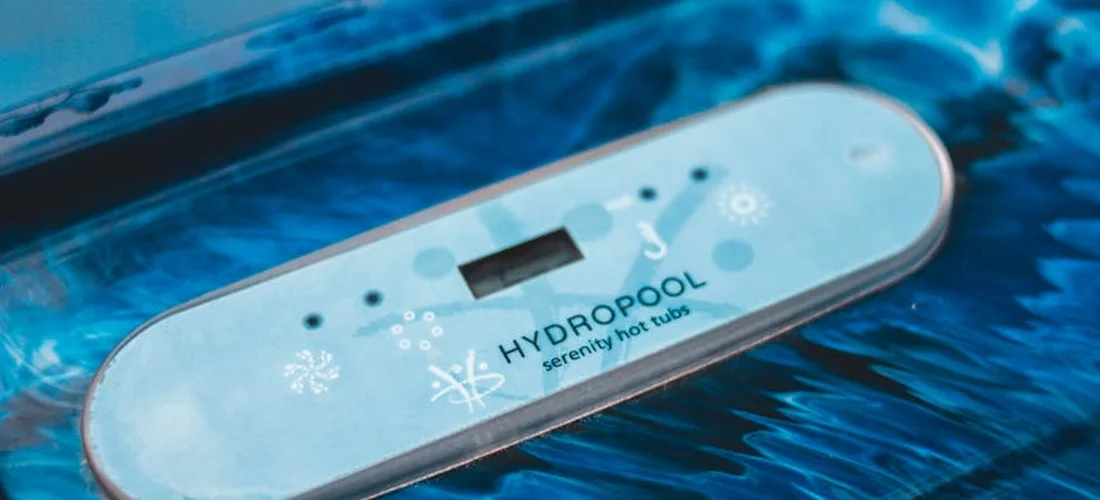
Hitting that blower button for a deep tissue massage is a joy, but respect the power at your fingertips. Mixing 120-volt electricity with water demands your full attention; a moment of carelessness can lead to shock or equipment failure. Let’s get you bubbling safely and smartly.
Safety First: Electrical and Water Precautions
Before you soak, do a quick safety walkaround. That GFCI outlet next to your tub is a lifesaver—literally—so press its test button monthly to ensure it cuts power instantly (especially for your hot tub). Follow this checklist every time you plan to use the blower:
- Visually inspect the blower housing for cracks, rust, or moisture before powering on the spa.
- Ensure the equipment compartment cover is fully seated; only remove it for service with the breaker off.
- Never operate the blower if you spot frayed wires, melted insulation, or a damaged power cord.
How to Turn On and Use Your Blower Correctly
Doing this in the right order protects your pumps and heater. Starting with a low water level can suck air into the plumbing, causing a dry fire that kills your heater element. Here’s the exact sequence I use in my own routine:
- Confirm water is at least one inch above the highest filter pleat to ensure proper flow.
- Power on the hot tub at the main control panel and let the circulation pump run for two minutes.
- Press the dedicated air blower button on your spa’s topside control; you’ll hear the motor engage.
- Enjoy the vigorous bubbles, but limit sessions to 15-20 minute bursts to preserve heat and motor life.
Timing and Energy Efficiency Tips
That blower motor is a power hog, and it cools water fast by churning the surface. For peak efficiency, activate the blower immediately after the heater shuts off, so you’re not wasting energy reheating the water you just chilled. If your power company offers off-peak rates, schedule your bubbly soaks during those windows to cut costs.
Routine Maintenance to Keep the Bubbles Flowing
Your air blower depends on the entire system being clean and balanced. Ignoring simple upkeep invites the dreaded day when you press the button and hear only a weak groan instead of a satisfying rush of air. Consistent, minor care prevents major headaches and expensive service calls.
Monthly Blower and Air System Check-Up
Put this quick inspection on your calendar. Catching a faint whistling sound or a slight drop in pressure early can save you from a full blower replacement down the line. Every month, I perform these four checks:
- Listen for unusual noises: a grinding bearing or high-pitched whine signals internal wear.
- Feel the airflow from several jets with your palm; consistent, strong pressure means all is well.
- Visually check the blower’s air intake screen for spider webs, leaves, or debris blocking airflow.
- Verify the check valve in the air line isn’t stuck; it should allow air out but block water backflow.
Keeping Air Pathways Clear: Filter and Vent Care
A restricted air path makes the blower motor strain, overheating its windings. Using a filter with a 30-50 micron rating traps oils and grit without creating excessive drag on the water pump, which supports steady blower operation. Keep airways pristine with these steps:
- Clean your spa filter cartridge every four weeks with a hose and filter cleaner, or soak it in a vinegar solution.
- Every quarter, scrub the air venturi jets inside the tub with a soft brush and a 50/50 white vinegar-water mix to dissolve calcium.
- Ensure the manual air control valves, usually near the topside, turn freely and aren’t clogged with scale.
Water Chemistry’s Role in Blower Longevity
Bad water eats equipment from the inside out. I’ve opened blowers where high pH scale clogged the air passages like arterial plaque, and low sanitizer let slime grow right up the tubing. Maintain a pH between 7.2 and 7.6 and total alkalinity at 80-120 ppm to prevent corrosive conditions. Keep your chlorine at 3-5 ppm or bromine at 4-6 ppm to stop organic gunk from fouling the system.
Troubleshooting Common Air Blower Problems
That moment you press the button for a bubbly massage and get… nothing but silence and still water is uniquely frustrating. Before you imagine a huge repair bill, let’s run through a logical checklist. I’ve chased down more blower gremlins than I can count, and you’d be surprised how often the fix is simple.
No Bubbles at All? Start With This Checklist
Follow these steps in order. They start with the easiest, no-tools-needed fixes and work toward the more involved ones.
- Check the GFCI Breaker. Go to your home’s electrical panel or the outdoor outlet. Find the breaker for the hot tub and the little “Test” and “Reset” buttons on the outlet itself. A tripped GFCI is the single most common cause of total power loss. Push “Reset” firmly.
- Verify the Control Panel Setting. Many modern tubs have “Silent” or “Economy” modes that disable the air blower to save energy. Make sure your tub is in a standard “Ready” or “Filter” mode. Consult your manual-it’s not always obvious.
- Inspect for a Tripped High-Limit Switch. If the tub overheated, a safety switch near the heater might have tripped. Let the tub cool completely for an hour. Power the entire spa down at the breaker for 60 seconds, then turn it back on. This often resets the system.
- Look for a Clogged Air Intake. Find the blower’s fresh air intake, usually a small vent or pipe near the equipment compartment. Clear away leaves, spider webs, or insect nests. A blocked intake starves the blower of air, preventing it from starting or causing it to overheat instantly.
Solving Noise Issues: Humming, Popping, or Whining
A noisy blower is a cry for help. Each sound tells a different story. Listen closely-is it a buzz, a bang, or a screech?
- Loud Humming or Buzzing (No Air Flow): You hear the motor strain but get no bubbles. This usually means the impeller is seized or the bearings are locked. Dirt or moisture is the culprit. The motor is trying to turn but can’t.
- Popping or Gurgling in the Pipes: This isn’t the blower itself, but a backflow of water. Your check valve-a one-way gate in the air line-has failed. Water is seeping back into the blower housing, causing that soggy, percussive sound.
- High-Pitched Whining or Screeching: Worn-out motor bearings are screaming for relief. The sound will get worse over time until the bearing seizes completely, often with a burning smell.
For a seized impeller, sometimes tapping the blower housing lightly can free it, but it’s a temporary band-aid. A failed check valve is a cheap, easy swap. For bad bearings, replacement is almost always the answer.
Why Does My Blower Shut Off Automatically?
If your blower runs for a minute or two then quits, it’s likely protecting itself from melting. Overheating is the trigger. Here’s what to do:
- Let it Cool. Turn the blower off and wait 30 minutes. Try it again. If it runs longer, you confirmed an overheating issue.
- Clean All Vents and Intakes. Ensure nothing is blocking airflow to or from the blower unit inside the cabinet.
- Check the Installation. The blower should be mounted horizontally, not vertically, and the air hose should have a gentle, downward slope away from it to prevent water pooling.
- Consult Your Manual for a Thermal Cut-Off. Some blowers have a manual reset button on the unit itself. After a cool-down period, you may need to press this small, red button to restart the motor.
Continuous automatic shut-offs are a major warning sign; running a blower that’s overheating can damage the motor windings beyond repair.
Replacing a Worn-Out or Failed Air Blower

There comes a point when repair isn’t cost-effective or safe. Knowing when to swap the entire unit saves you time, money, and repeated headaches. As a rule, if the repair cost approaches half the price of a new blower, just replace it.
Signs It’s Time for a New Blower Unit
Don’t throw parts at a lost cause. Look for these definitive red flags:
- You’ve completed the full troubleshooting checklist and still have zero power or air flow.
- You smell an acrid, burning scent from the motor housing-a sure sign of cooked internal components.
- Visible damage: cracks in the housing, significant corrosion, or water sloshing inside the unit.
- The blower is over 5-7 years old and has started failing repeatedly. Like all motors, they have a finite lifespan.
Choosing the Right Replacement Blower
You can’t just grab any blower off the shelf. Mismatching specs can lead to weak performance or electrical hazards. Here’s your cheat sheet:
- CFM Rating (Cubic Feet per Minute): Match this to your old blower. It’s printed on the label. A higher CFM isn’t better if your jet system can’t handle it.
- Voltage: This is critical. Most common are 110V/120V (plug-in) and 220V/240V (hardwired). Using the wrong voltage will destroy the new motor instantly.
- Physical Dimensions & Mounting: Measure your old unit. Ensure the new one fits the space and uses the same screw pattern.
- Hose Connection Size: Typically 1.5″ or 2″. A mismatched size requires adapters and invites air leaks. Many replacement kits wisely include a new check valve-install it to prevent future water backflow.
Navigating Warranties and Professional Help
Before you buy anything, dig out your hot tub’s warranty paperwork. A blower failing within a 3-5 year manufacturer’s warranty might be covered. If the tub is new, always call the dealer first.
Hire a certified technician if you’re uncomfortable with wiring or if the tub is still under warranty-DIY electrical work can void coverage. If you’d rather have a pro handle it, you can find a qualified, reliable hot tub repair technician in your area. For everyone else, sourcing a direct OEM replacement part from your tub’s manufacturer is safest, but generic models from reputable spa part suppliers work perfectly if you match all the specs we just covered.
DIY Installation of a New Hot Tub Air Blower
For the handy owner, swapping out an air blower is a straightforward project that rewards patience. Precision with your plumbing and respect for the electrical system are the twin pillars of a successful, safe installation. I’ve installed and repaired dozens of these units; the hum of a new blower kicking on without a hitch is a sweet sound.
Gathering Your Tools and Parts
Lay out all your materials first-fumbling for a tool mid-job is how mistakes happen. My golden rule is to verify every connection twice, which is why a multimeter leads my tool list.
Essential Tools:
- Multimeter (non-negotiable for safety checks)
- Wire strippers and crimping tool
- Phillips and flat-head screwdrivers
- PVC primer and clear PVC cement (clear is for pressure lines)
- High-grade Teflon tape (the pink or yellow kind for gas/water)
- Adjustable wrench or channel locks
- Utility knife
Required Parts:
- New hot tub air blower (match the voltage and CFM rating)
- New inline check valve (a cheap part that prevents disaster)
- Replacement flexible vinyl hose or rigid PVC pipe (if old line is cracked)
- Waterproof wire connectors and possibly conduit
Step-by-Step Installation Process
Follow this sequence exactly. Working live on a hot tub is an extreme risk; treat the breaker as your first and most critical step. This is especially important when you are upgrading or installing a new hot tub circuit.
- Total Power Down. Switch the hot tub’s dedicated breaker to OFF. Use your multimeter on the blower’s terminal wires to confirm zero voltage. I tape the breaker in the off position for good measure.
- Remove the Old Unit. Take a phone photo of the wire connections. Disconnect the wires and unscrew the blower from its mount. Cut the old air pipe a few inches from the blower using a hacksaw or pipe cutter.
- Fit the New Check Valve. This one-way valve stops water from siphoning back. The arrow printed on the valve must point toward the hot tub’s jets, directing air forward. Dry-fit, then prime and cement it into the plumbing line.
- Mount and Connect the New Blower. Secure the blower to its base. Connect the wires using your photo reference and secure with waterproof connectors. Attach the air hose or pipe to the blower outlet, using Teflon tape on threads or cement for PVC.
- Power Up and Initial Test. Restore power at the breaker. Turn on the blower via the control panel for 30 seconds. Listen for a steady, powerful exhaust note and feel for strong airflow at the jets.
Post-Installation Steps: Testing and Water Balance
Your job isn’t done after the first test cycle. Run the blower for a full 15-minute cycle, meticulously feeling and listening for the faintest hiss at every joint—a tiny air leak can waste energy and strain the pump. It’s also a good idea to check whether the pump itself is noisy, as that can indicate other issues.
Now, address the water. Introducing a torrent of new air will rocket your pH upward, as the agitation drives out carbon dioxide just like whipping cream incorporates air. I always test the water immediately after the first real soak with the new blower.
Have your test kit ready. Expect to add a dose of pH decreaser and a bump of sanitizer to compensate for the increased oxidation; target 7.4-7.6 pH and maintain your normal chlorine or bromine level. This keeps the water comfortable and protects your freshly installed equipment from scale.
Common Questions
Where is the best place to find a hot tub air blower for sale?
The best sources are hot tub manufacturer dealers for OEM parts and reputable online spa part suppliers for compatible models. Always have your blower’s make, model, voltage, and CFM rating handy to ensure a correct match. Purchasing from a specialized retailer ensures you get the right part and proper technical support—especially since hot tub parts are not always interchangeable or universal.
Why would a hot tub air blower stop working completely?
A complete failure is often due to a tripped GFCI breaker, the spa being in an “Economy” mode that disables the feature, or a clogged air intake. Electrical issues or a seized motor are less common but possible causes. Always start with the simple checks, like resetting breakers and verifying control settings, before assuming the blower itself is broken.
What does a hot tub air blower check valve do, and why is it important?
The check valve is a one-way gate installed in the air line. Its critical job is to allow air to flow toward the jets but prevent water from siphoning back into the blower unit. A failed check valve is a common culprit for gurgling noises and can lead to water damage inside the blower motor, causing it to fail.
What are the signs that I need a hot tub air blower replacement?
Clear signs include a burning smell from the motor, visible cracks or corrosion on the housing, water inside the unit, or a complete lack of operation after all troubleshooting steps. If the blower is over 5-7 years old and experiences repeated failures, replacement is often more cost-effective than continual repairs.
Why does my hot tub air blower keep shutting off by itself after a few minutes?
Automatic shut-off is typically a built-in safety response to overheating. This can be caused by blocked air vents around the blower unit, a faulty thermal cut-off switch, or improper installation that traps heat. Let the unit cool completely and ensure its intake and exhaust paths are completely clear of any debris.
Your Weekly Blower Health Check
Before you step into that wonderfully frothy water, give everything a final once-over. Turn on the jets and the air blower. Listen for its confident hum and watch the bubbles rise. Feel the water temperature with your hand-it should be inviting, not scalding. I always do this. It’s the last safety gate, confirming everything you just fixed is working in harmony and your water chemistry is still in its happy zone.
Here’s the one habit that stops most air blower problems before they start. Make rinsing your filters with a garden hose a non-negotiable part of your weekly water check; clean filters allow the pumps to breathe easy, preventing the strain and overheating that can kill a blower’s performance. A clogged filter makes the whole system work three times harder, and that stress travels right back to the component asking for air.
You’ve done the work. The system is purring, the water is balanced, and the only thing left to do is sink in. Go enjoy that well-earned soak. You’ve got this.
Further Reading & Sources
- Hot Tub & Spa Air Blowers – SpaDepot.com
- Hot Tub Blowers | Spa Blowers. – Hot Tub Warehouse
- Amazon.com: Spa Air Blower
- UL Approved Spa-Duty Air Blowers Available from Recreonics
- Pool & Spa Blowers | Vita Pool Supply
- What is a Hot Tub Blower?
Charlie is a hot tub enthusiast with a passion for keeping your jets running smooth and your bubbles bursting with joy. With years of experience in hot tub and jacuzzi maintenance, Charlie knows that a happy tub means a happy you. Whether it’s dealing with stubborn filters or giving your spa a little TLC, Charlie’s here to share expert tips, tricks, and plenty of laughs to help you keep your bubbly retreat in tip-top shape. So, kick back, relax, and let Charlie handle the rest — because no one likes a cranky jacuzzi!
Equipment Checks