
How to Clear a Hot Tub Air Lock and Silence That Angry Pump Hum
Published on: March 18, 2026 | Last Updated: March 18, 2026
Written By: Charlie Bubbles
You flip on the jets and hear a loud, straining hum from the equipment bay, but feel nothing from the water. The water level is correct, and the filters are clean. That persistent hum with zero water movement is the definitive sign of an air lock, a pocket of trapped air blocking flow to your circulation pump. This isn’t a immediate danger to you, but letting the pump run dry can burn out the motor in minutes-your first move is always to turn off the hot tub’s power at the breaker.
- What You Need:
- Adjustable wrench or channel-lock pliers
- Standard garden hose
- Flat-head screwdriver
- Five minutes and a bit of patience
I’ve cleared dozens of these in the field, and I’ll show you how to fix it yourself before you even think about calling for help.
What Is a Spa Air Lock?
Think of an air lock as a traffic jam inside your hot tub’s plumbing, where a stubborn bubble of air blocks the steady flow of water. This pocket of trapped air most often gets stuck in the high points of the pipes, usually after you’ve drained and refilled the tub or if a loose fitting is secretly sucking in air.
In my years of fixing pumps, I’ve found that air locks love to form when the fill hose isn’t fully submerged, letting air hitch a ride into the system. You’ll know it by the distinct, irregular gurgle that replaces the pump’s normal, soothing hum.
This isn’t just a noisy nuisance; it forces your pump to strain against compressible air instead of moving liquid water. That extra workload spikes your energy bill and can cook a pump motor much faster than normal wear and tear. Noisy pump problems can cause major headaches.
Spot the Signs: Symptoms of a Hot Tub Air Lock
Your hot tub has a direct way of communicating problems, and an air lock shouts through a few unmistakable symptoms. Catching these early is the key to preventing costly damage to your equipment. Listen for unusual sounds—they can signal trouble before it worsens. For a quick reference, our “sounds your hot tub shouldn’t make” diagnostic guide explains which noises to watch for and what they mean.
- The Sound of Struggle: Listen for a persistent sputtering, gulping, or knocking noise coming from the equipment area-it sounds utterly different from the consistent rush of healthy water flow.
- Jets That Surge and Fade: When you activate the jets, they may pulse weakly or some jets might not work at all, as the air pocket interrupts the water pressure.
- A Pump Basket Full of Bubbles: Visually check the pump’s clear strainer housing; if you see a churning foam of air bubbles or the basket looks emptier than usual, air is in the mix.
- Unexpected Error Messages: Modern control panels are quick to flag flow issues. Watch for alerts like “FLO” (flow error), “DRY,” or an overheat warning (“OH” or “HOT”) on the display.
- The Heat That Doesn’t Hold: If your water temperature won’t rise or fluctuates wildly, the heater may be cutting off because the trapped air is preventing proper water circulation across its sensor.
I once helped a neighbor who was ready to replace a “dead” pump, but the strainer basket was just full of air from a recent filter change. Recognizing that simple sign saved them over $500 and took five minutes to resolve with a basic bleeding technique.
What Causes Air Locks in Hot Tubs?
Air doesn’t just magically appear in your plumbing. It gets there for specific, fixable reasons. Knowing the root cause helps you prevent the next episode. From my years kneeling beside spas, here are the five most common culprits.
- Low water level (the #1 culprit). This is the king of all causes. Your pump’s suction line (the pipe that pulls water in) needs to be fully submerged. If the water dips below the skimmer mouth, that pipe starts gulping air instead of water, creating a perfect air lock.
- Running the pump dry after draining or a leak. It happens to the best of us. You drain the tub for a cleaning, forget, and flip the breaker back on. That dry pump screams to life, pulling nothing but air into the system instantly. Even a small leak that lowers the water mid-cycle can have the same effect.
- Rapid water temperature changes causing air to come out of solution. Think of warm water like a soda; it holds dissolved gases. When you heat it up quickly or experience a big outdoor temperature swing, that air can fizz out of solution and get trapped at the highest point in your pipes-hello, air lock.
- A faulty or stuck check valve. Some systems have a one-way check valve on the heater or between pumps. If its seal fails or it gets debris stuck in it, air can sneak past when the pump is off. I’ve found tiny pebbles or even bits of old filter media holding these valves open, creating a recurring nightmare.
- Improper winterization or opening procedures. If air was blown into the lines for winterizing and not fully purged during spring startup, that air is still in there. Conversely, if you filled the tub too fast without bleeding the lines, you can trap air pockets.
Your Tool Kit: How to Clear an Air Lock in Your Spa
Don’t panic. Clearing an air lock is a hands-on, satisfying fix. Grab a flat-head screwdriver, a pair of adjustable pliers, and a garden hose. Let’s get that water flowing.
Step 1: Safety First – Power Down
This is non-negotiable. Go to your home’s main electrical panel and turn off the breaker that feeds your hot tub. You will be working around water and electrical components; cutting all power is the only safe way to proceed. Verify the power is off by trying to turn on the spa lights or jets from the control panel—nothing should happen.
Step 2: The Main Burping Method
Locate the union connections on your pump(s). These are the large plastic nuts that connect the pump to the plumbing. Place a towel underneath to catch a little water. Using your hands or pliers (wrap them in tape to avoid scratches), carefully loosen the union on the pump’s outlet side (the pipe going to the heater or jets). Just one or two turns until you hear a sharp hiss—that’s the air lock escaping.
Water will trickle out. The moment the hiss stops and you get a steady stream of water, tighten the union back up snugly. This “burp” releases the pressure differential holding the air pocket in place, allowing water to fill the void. It works 90% of the time.
Step 3: The Secondary Prime (For Stubborn Cases)
If burping didn’t work, the air pocket is stubborn. Now, locate the drain plug on the bottom of your pump’s volute (the wet end housing). Have your hose ready. Loosen this plug with a screwdriver. You’ll get a gush of water-that’s okay. While water is flowing out, turn your garden hose on low and gently feed fresh water *into* the pump basket housing.
You’re manually forcing water up through the pump to push the air backward and out the drain hole. Once you see a solid stream from the drain with no sputtering, quickly re-tighten the plug. This method physically floods the cavity.
Step 4: Restart and Test
Double-check that all unions and plugs are tight. Turn your electrical breaker back on. Head to your control panel and start the jet pump. Listen closely. The initial hum might be a little louder, but it should smooth out within 10-15 seconds as water fully primes the impeller. Place your hand over a jet to feel for a strong, consistent flow instead of a weak, sputtering pulse. Success is a smooth, powerful hum and steady water pressure. If it’s still gasping, repeat Step 2, as there may be more than one pocket.
Troubleshooting Persistent Air Lock Problems
Sometimes, a simple bleed doesn’t cut it. When that familiar gurgle turns into a stubborn silence, you need a systematic approach. I’ve found that persistent air locks often point to a deeper issue in your plumbing or pump, requiring a hands-on inspection to solve.
When the Pump Just Hums
That low, steady hum from your pump is a classic distress signal. It’s trying to spin, but the air pocket is creating a solid block it can’t push past. First, immediately turn off the pump at the breaker to prevent motor burnout-I’ve saved myself a $300 repair by acting fast on this.
Here’s my field-tested sequence:
- Confirm the water level is well above the skimmer intake.
- Locate the pump union fitting (the large plastic nut connecting the pump to the plumbing) and loosen it slightly until you hear a hiss of air escaping.
- Tighten it back up once water dribbles out, then restore power.
If the hum continues, the impeller itself might be jammed with debris. You’ll need to shut off power again and manually rotate the impeller shaft through the pump’s rear vent to free it.
Inspecting Valves and Plumbing
Air sneaks in through the smallest gaps. Grab a flashlight and trace every inch of wet plumbing. Check the diverter valve seals first; a worn O-ring on a 1.5-inch Jandy valve is a frequent, sneaky culprit for introducing air.
Look for:
- Cracked glue joints: Especially on suction-side pipes before the pump.
- Loose drain plugs: On the pump housing or heater manifold.
- Failing pump seal: A slight drip from the seal behind the impeller can pull air in when the pump is off.
I once fixed a monthly air lock mystery by simply replacing a brittle, old check valve diaphragm that was letting air slip past on startup. That systematic check aligns with the identify fix hot tub leaks complete guide. It provides a step-by-step approach to identifying and fixing leaks.
Considering a Professional Air Lock Plunger Tool
For truly stubborn cases, a specialized tool can be a game-changer. This is a handheld plunger with adapters that seal over your skimmer or jet face. By creating a forceful vacuum and pressure pulse, it can dislodge an air lock that manual bleeding can’t touch, and it’s safer for your plumbing than excessive force.
You can rent one from a pool supply shop. It’s worth the $25 fee when you’re facing a potential service call. I keep one in my van for jobs where the tub is lower than the pump, a setup always prone to air. Remember, it’s a troubleshooting aid, not a substitute for fixing the leak that caused the air in the first place.
Preventing Future Air Locks in Your Hot Tub
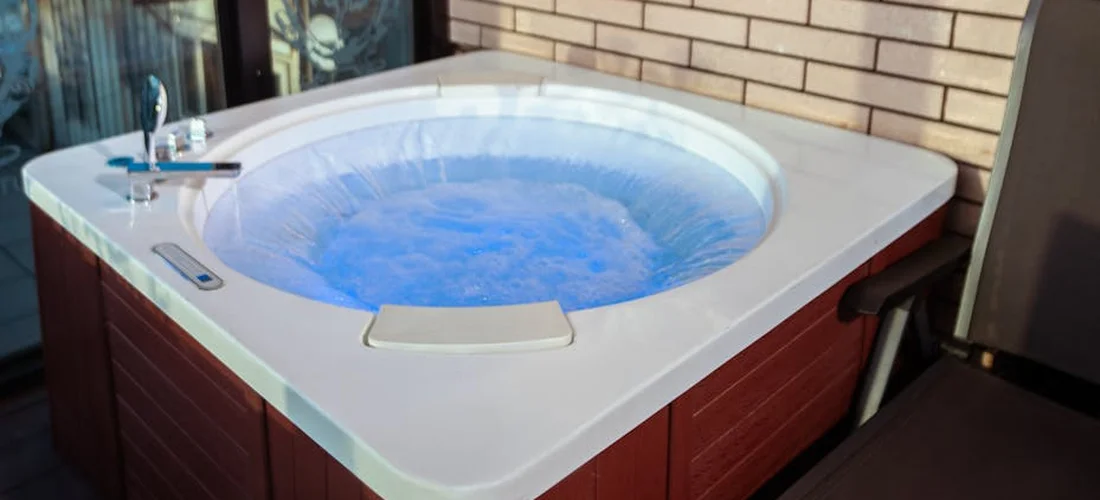
An ounce of prevention is worth a gallon of murky, non-circulating water. Making these few habits part of your routine will save you countless headaches and keep that soothing hum of the circulation pump consistent.
- Always maintain proper water level above the skimmer. I aim for the middle of the skimmer opening.
- Never run the pump when the tub is drained or below the intake. This is the fastest way to suck air into the system.
- Bleed air after refilling by running jets with the air controls open for a full minute until the water flow is smooth.
- Schedule regular checks of pump seals and valve diaphragms for wear. I do this every time I drain and clean the tub, about every four months.
Understanding the Cost of an Air Lock Fix
Hearing that telltale gurgle and sputter from your pump can send your mind racing to dollar signs. Here’s the good news: resolving a basic air lock is frequently a DIY task with a price tag of zero, relying more on know-how than your wallet. I’ve cleared dozens just by bleeding the lines, saving owners the cost of a service call.
The DIY Route: Your Time is the Main Investment
If the air is trapped in an accessible spot, like the pump housing, your cost is essentially your time. You’ll need to power down the tub at the breaker, gather a bucket and a rag, and methodically bleed the air from the system. The satisfying hiss of escaping air costs nothing, though you may lose a few gallons of water to top things off. Beyond the immediate effort, hidden costs of hot tub ownership can creep in through energy use, routine maintenance, and potential repairs. Are you prepared to navigate those hidden costs?
I keep a dedicated, inexpensive bleeder key in my toolbox for this very job. Investing in a $5 tool once beats fumbling with adjustable wrenches every time your tub gets a case of the bubbles.
When Costs Creep In: Parts and Replacements
Persistent air locks often signal a worn component that’s allowing air to be sucked into the plumbing. Ignoring this can lead to pump cavitation, which damages the impeller and turns a cheap seal fix into a $300 pump replacement. The hum of the pump changes when it’s starving for water, a sound I’ve learned to diagnose quickly.
- Pump Seal Kit: $20-$40. A failed seal is the most common part failure causing air ingestion.
- Filter Housing O-Ring: $8-$15. A dry, cracked ring on your filter canister is a stealthy air leak.
- Plumbing Primer & Cement: $12-$20. For repairing a hairline crack in a PVC pipe, use a clear, fast-setting formula.
Calling a Professional: The Labor Premium
If you’re not comfortable or the air lock is stubborn, a technician’s invoice will have distinct line items. A standard trip charge alone typically ranges from $75 to $125, with hourly labor adding $80 to $150 on top of any parts. For a complex air lock intertwined with a flow error on the heater, the total can easily surpass $250.
I tell my clients that a pro’s value is in accurate diagnosis and warranty on parts. Paying for one hour of expert time can be smarter than buying three wrong parts yourself and still not solving the issue.
The Hidden Costs of Neglect
An air lock isn’t just a nuisance; it stresses the entire hydraulic system. Letting it persist can cause your heater to overheat and cycle off, wasting energy and spiking your power bill. Balanced water, with calcium hardness around 150-200 ppm, also lubricates seals and prevents the corrosion that leads to leaks.
From my experience, the sting of chlorine is nothing compared to the sting of an avoidable repair bill. Committing to a simple monthly check of pump seals and filter O-rings is the ultimate cost-saving habit for any tub owner. Always remember to isolate electrical power before any hands-on work-safety is a non-negotiable part of the budget. That naturally leads to the question: are critical chemical safety practices essential for hot tub owners? Covering proper chemical handling, dosing, and storage can prevent accidents and costly damage.
FAQs
What is the most immediate action I should take if I suspect an air lock?
Your first and most critical step is to immediately turn off the power to your hot tub at the circuit breaker. This prevents the pump from running dry and burning out its motor while you diagnose and fix the issue. After the power is safely off, you can proceed to check the water level and inspect the system for electrical problems.
Can an air lock damage my hot tub?
Yes, an air lock can lead to significant damage if left unresolved. The most immediate risk is the circulation pump overheating and burning out from straining against air instead of water. It can also cause the heater to malfunction, trigger system error codes, and lead to inefficient chemical circulation and potential bacterial growth in the stagnant water.
When should I consider using a specialized air lock plunger tool?
A professional-grade air lock plunger is best for stubborn cases where standard bleeding methods fail, especially in spas where the plumbing layout creates hard-to-reach high points. It’s also a useful tool if you have recurring air locks and suspect a small, elusive leak on the suction side of the pump that’s drawing in air.
What is typically included in a hot tub air lock repair kit?
A basic DIY kit isn’t a single product but a collection of common tools and parts. This typically includes:
- Adjustable wrenches or channel-lock pliers (padded to avoid scratching fittings).
- A flat-head screwdriver for drain plugs.
- Replacement O-rings or seal kits for the pump and filter housing.
- Plumbing tape and PVC cement for minor leak repairs.
What is the general cost difference between a DIY fix and a professional service call?
A successful DIY air lock clearance typically costs nothing but your time, as it often just involves bleeding the lines. A professional service call, however, starts with a trip charge (usually $75-$125) plus hourly labor ($80-$150/hr). The total cost rises if parts like pump seals or valves need replacement, easily reaching $200-$400.
The 7-Day Check-In
Before you slide into that freshly cleared tub, give the system one last verification. Turn on the jets and listen for that steady hum-no sputtering or gasping. Feel the water flow from every jet port. Wait a few minutes and check that the water is heating properly, giving you that consistent warmth you’ve been missing. If the hot tub isn’t heating, refer to our quick troubleshooting guide in the next steps. It can help pinpoint common culprits in heating problems, such as the thermostat or heater. This final systems check isn’t just about comfort; it confirms you solved the root issue and your spa is truly ready for a safe, relaxing soak.
To stop an air lock from ever haunting your spa again, your mission is simple. Make a clean filter your non-negotiable weekly habit: rinse it with a powerful spray from a garden hose every seven days, and give it a proper deep clean in filter solution once a month. A clogged filter is the number one cause of low flow that leads to air getting sucked into the lines. Keep that water moving freely, and you keep the air out.
You fought the sputter and won. Now, go enjoy the silence of smooth, powerful jets and the warmth you’ve restored. You’ve earned it.
Further Reading & Sources
- How to Fix Hot Tub Air Lock
- Signs of a Hot Tub Air Lock & How to Fix It | Seaway Pools
- How To Fix a Hot Tub Air Lock
- How To Fix A Hot Tub Pump Air Lock – with video – Arctic Spas
- Hot Tub Air Lock Symptoms & How to Fix It – Spa Parts Experts
- r/hottub on Reddit: Hot tub newbie here, need help dealing with a possible air lock issue, can’t find access panel.
Charlie is a hot tub enthusiast with a passion for keeping your jets running smooth and your bubbles bursting with joy. With years of experience in hot tub and jacuzzi maintenance, Charlie knows that a happy tub means a happy you. Whether it’s dealing with stubborn filters or giving your spa a little TLC, Charlie’s here to share expert tips, tricks, and plenty of laughs to help you keep your bubbly retreat in tip-top shape. So, kick back, relax, and let Charlie handle the rest — because no one likes a cranky jacuzzi!
Equipment Checks