
How to Fix a Clunky Pool and Hot Tub Combo with Integrated Design
Published on: February 22, 2026 | Last Updated: February 22, 2026
Written By: Charlie Bubbles
If you’re managing two separate sets of chemicals, hearing the distinct hum of multiple pumps, or your hot tub looks like a forgotten afterthought beside your pool, your problem is a lack of hydraulic and aesthetic integration, turning relaxation into routine maintenance. This isn’t typically a dangerous issue like a live electrical fault, but it’s a costly nuisance that wastes energy, chemicals, and your precious time.
- What You Need:
- A clear weekend for the project
- Basic plumbing tools: adjustable wrench, PVC cutter, and heavy-duty cement
- Your pool’s pump and filter specifications
- A tape measure and some graph paper
I’ve plumbed these systems together myself, and I’ll show you how to connect your hot tub to your pool’s circulation for a single, efficient system you can maintain yourself.
Planning Your Integration: Codes, Safety, and Feasibility
Understanding Local Zoning and Permit Requirements
Before you dream of bubbling jets, you need to navigate the red tape. I’ve watched too many eager owners buy a spa first, only to discover their backyard plan violates a code. Always check with your local building department before any purchase or excavation; it’s the single biggest step to avoid costly rework. Permit needs vary wildly, but generally cover electrical work, plumbing, and structural changes to your property.
Common permits you’ll likely encounter:
- Electrical Permit: For running dedicated power to the spa location.
- Building Permit: For any new construction, like a concrete pad or in-ground excavation.
- Fence or Barrier Permit: Some areas mandate specific fencing around pools and spas for safety.
Here’s my field-tested process for checking codes:
- Call your city or county building department. Ask specifically about “swimming pool and spa” codes.
- Inquire about setback rules-how far the tub must be from property lines, septic fields, or structures. Five to ten feet is common.
- Dig into your Homeowner Association (HOA) covenants. They often have stricter rules on appearance, noise, and placement than the city does.
- Get everything in writing. A verbal “should be okay” from an official won’t help you during an inspection.
Prioritizing Electrical and Physical Safety
This isn’t just about compliance; it’s about preventing tragedy. The combination of water and electricity demands respect. You must hire a licensed electrician for all spa wiring-this is not a DIY project for anyone but a certified pro. They’ll ensure your installation meets the National Electrical Code (NEC), which is non-negotiable.
The heart of electrical safety is the GFCI (Ground Fault Circuit Interrupter) breaker. This device monitors current flow and can cut power in a fraction of a second if it detects a fault. For most hot tubs, you’ll need a dedicated 50-amp or 60-amp GFCI breaker installed in a weatherproof enclosure.
Beyond electricity, physical safety features protect your family:
- Anti-entrapment covers: These drain covers are designed to prevent hair and body entrapment, a silent hazard.
- Slip-resistant coping and surfaces: Wet feet and smooth stone are a bad mix. Choose textured materials for the spa rim and surrounding deck.
- Lockable safety covers: A sturdy, locking thermal cover prevents unsupervised access and helps with energy efficiency.
- Clear water: Properly balanced, sanitized water isn’t just comfortable; it lets you see the bottom clearly for safety. That crystal view comes from diligent testing, not luck.
Choosing Your Spa Type: Design and Functional Impact
Integrated In-Pool Spas vs. Adjacent Above-Ground Units
This choice defines your maintenance routine and upfront cost. An integrated spa shares water and systems with your pool, while a standalone unit operates independently. From my time balancing water chemistry, I can tell you that shared water simplifies some tasks but complicates others.
| Spa Type | Pros | Cons |
|---|---|---|
| Spillover Spa (Integrated) | Seamless look; uses pool heater and filter; water circulation from the spillover can be aesthetically pleasing. | Complex plumbing tied to pool system; harder to maintain a different water temperature than the pool; chemical balancing must satisfy both bodies of water. |
| Pedestal Spa (Built-In) | Dedicated equipment for precise temperature and jet control; often easier maintenance access than a fully integrated design. | Higher initial cost due to separate plumbing and equipment pad; requires more space for mechanicals. |
| Standalone Above-Ground Tub | Easiest to install and access for pump/filter repairs; complete temperature and chemical independence from the pool; often more cost-effective. | Can look like an afterthought; requires its own concrete pad and electrical hookup; you’ll manage two separate chemical regimes. |
Your decision hinges on how much you value a unified design versus simplified, independent maintenance. Remember, every joint and valve in complex plumbing is a potential future leak to hunt down.
Evaluating Materials and Foundation Needs
What your spa is made of, and what it sits on, determines its longevity and your repair bills. I’ve seen acrylic shells crack from poor support and concrete spas bleed calcium for years.
Durable shell materials for in-ground or built-in combos:
- Acrylic: Smooth, non-porous surface that resists algae. Very durable but can be scratched. It’s what most high-end molded spas use.
- Fiberglass Composite: Lighter than acrylic and equally strong. Excellent for one-piece “drop-in” spa shells.
- Gunite (Concrete): The most customizable option, finished with plaster or tile. It’s incredibly durable but requires meticulous water balancing to prevent scale and staining. I’ve spent hours acid-washing neglected gunite spas.
Foundation is not an area to cut corners. For in-ground spas integrated with a pool, the foundation is part of the pool’s structural shell-typically steel-reinforced concrete engineered for your soil type. For adjacent above-ground tubs, you need a perfectly level, crushed gravel base topped with a minimum 4-inch thick concrete pad, reinforced with rebar or wire mesh. A slab that heaves or cracks can strain plumbing and crack the spa cabinet.
Merging the Mechanics: Plumbing, Filtration, and Circulation
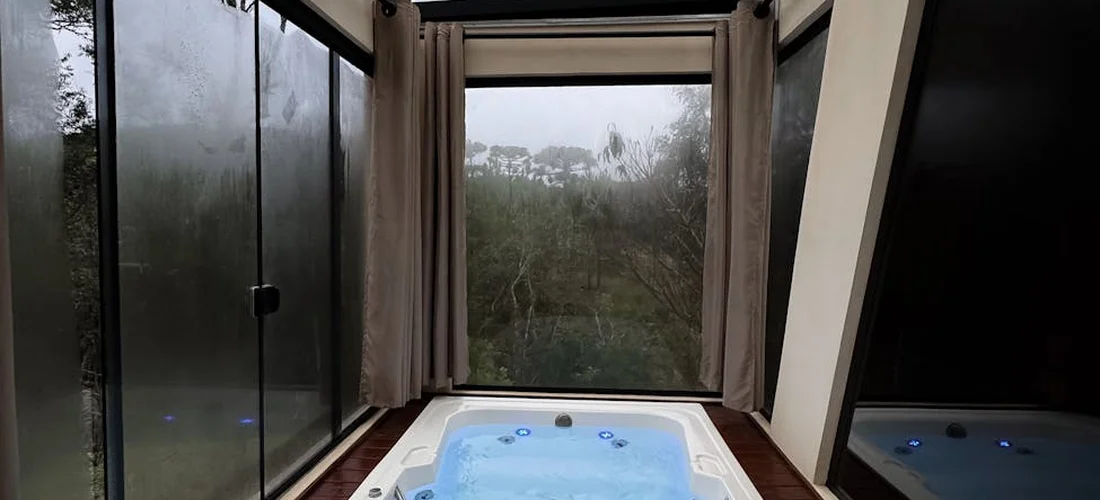
Designing a Shared or Separate Equipment System
Deciding to share equipment between your pool and hot tub is a big plumbing puzzle. I’ve retrofitted a few setups, and the hum of a perfectly balanced system is worth the effort. Adding a hot tub to an existing pool comes with its own set of challenges but also rewards.
Assess Plumbing Compatibility in 4 Steps
- Trace and measure every pipe. You need to know the exact diameter and length of runs from the pool to the equipment pad and to the proposed hot tub location.
- Test the existing flow rate. Hook up a flow meter to your main return line. If it reads below the manufacturer’s spec for your pump, you have restrictions to clear first.
- Inspect for aging infrastructure. Old PVC gets brittle and glued joints can fail. If you see hairline cracks or heavy scale buildup, replace those sections before connecting anything new.
- Plan your valve placements. You must install independent shut-off valves for the hot tub suction and return lines. This lets you isolate it for repairs without draining the pool.
Your Plumbing Tool Kit
- PVC Primer & Cement: I use a clear primer followed by a medium-set cement for Schedule 40 pipe. The purple primer is messy, but it shows you’ve covered the joint properly.
- Digital Flow Meter: This isn’t optional for balancing. A basic model that clips onto the pipe gives you the gallons-per-minute data you need.
- Pipe Cutter and Deburring Tool: A sharp, ratcheting cutter makes clean squares cuts. Always deburr the inside edge to prevent turbulence that strains the pump.
Pump Sizing and Valve Strategy
Your existing pool pump likely isn’t sized for the extra head pressure of a hot tub loop. Calculate the Total Dynamic Head by adding the friction loss from all the new pipe, fittings, and the hot tub’s jets. For shared systems, I almost always recommend upgrading to a variable-speed pump; it provides the flexible flow rates each body of water needs while slicing your energy use. Install a three-way Jandy valve right after the pump to seamlessly switch suction between the pool, the hot tub, or a blend of both. If the hot tub control panel shows a flow error, diagnosing the flow path becomes the logical next step. The upcoming steps will guide you through that process.
Optimizing Water Flow and Filter Management
Once the pipes are connected, the real work begins: making the water move right. Poor circulation leads to cold spots and chemical nightmares.
Balancing Circulation for Two Bodies of Water
Think of your hot tub as a small, thirsty side pool. Adjust the return line valves to send about 30-40% of the total pump flow to the hot tub. You want to see gentle movement on the pool’s surface and a strong, consistent current in the hot tub. A definitive guide on hot tub diverter valves explains how they fix flow issues and helps you dial in valve settings for smoother operation. If the hot tub jets feel weak, you might need to partially close the pool return valve to redirect pressure.
Filter Management for a Combined System
Your filter now protects both the pool and hot tub. I prefer a large cartridge filter with a 20 to 25-micron rating. It captures fine bather waste without the pressure spike of a dirty DE filter. Clean shared filters every two weeks during heavy use; the hot tub’s oils and lotions will clog them faster than pool water alone. Soak cartridges in a solution of one part muriatic acid to ten parts water for an hour to dissolve scale, then rinse until the water runs clear. If you’re troubleshooting a stubborn clog, a targeted chemical soak can help clear a clogged hot tub filter. See the next steps for a step-by-step guide.
Solving “No Bubbles” or Weak Jet Issues
When the hot tub jets blow water but no air, the problem is almost always in the air line. Locate the air control valve, often on the top-side control panel. Check that the tiny screen inside isn’t clogged with debris. I’ve fixed many jets by simply unscrewing the air bleeder valve and blowing out the line to dislodge a spider web or dead insect. If that fails, the venturi inside the jet body itself may be scaled shut and need replacement.
Electrical Integration and Energy Efficiency Tactics
Ensuring Adequate Power and Safe Wiring
Water and electricity are a dangerous mix. I always treat every wiring job like I’m working on a live circuit, because safety is never a guess.
Calculating the Total Electrical Load
- List every motor and heater. Write down the amp draw from the pool pump, hot tub pump, heater, blower, and any lights. Find this on the equipment’s data plate.
- Add up the concurrent loads. The pump and heater often run together. Use the sum of their amp draws as your baseline for circuit sizing.
- Factor in the inrush current. Pump motors can draw up to three times their rated amps for a few seconds on startup. Your breaker must handle this surge.
- Always leave a 20% buffer. If your total calculated load is 40 amps, install a 50-amp circuit. This prevents overheating and nuisance trips.
Non-Negotiable Wiring Safety
Run all power lines in Schedule 80 PVC conduit, buried at least 18 inches deep. Every piece of equipment, from the pump to the control box, must be on a dedicated GFCI-protected circuit breaker. I seal all conduit connections and junction boxes with silicone caulk designed for outdoor use. This keeps condensation out and prevents the green corrosion that kills control boards.
Implementing Cost-Saving Operational Practices
An integrated system’s biggest win is on your utility bill. With smart habits, you can soak more and pay less.
Practical Efficiency Tips
- Share a Single Heater. A high-efficiency heat pump or gas heater can serve both. Use a thermostatic mixing valve to send 104°F water only to the hot tub loop when needed.
- Double Up on Insulation. A floating thermal blanket on the pool and a thick, fitted cover on the hot tub are essential. Without a cover, a hot tub loses most of its heat to the night air, forcing the heater to cycle constantly.
- Automate with Timers. Program your variable-speed pump to run the filter cycle for the pool at low speed overnight. Set a separate timer to circulate the hot tub for just an hour before you plan to use it.
Integrated vs. Separate: The Energy Reality
Running two independent systems often means two pumps, two heaters, and two filters all drawing power. By sharing a pump and heater, I’ve seen homeowners cut their related energy use nearly in half. The key is the variable-speed pump’s ability to run at a low, efficient speed for filtration and then ramp up only for the hot tub’s jet cycle. A separate hot tub pump runs at full blast all the time, which is like leaving a window open while your AC is on. Energy-efficient upgrades are a natural next step for maximizing savings. If you’re wondering which upgrades are must-haves for energy efficiency, you’re on the right track.
Deck, Coping, and Waterproofing for Lasting Durability
Selecting Materials for Style and Easy Care
Choosing the right decking isn’t just about looks; it’s about creating a safe, low-maintenance zone that stands up to chlorine splash and wet feet. I’ve slipped on slick concrete after a rainstorm, and let me tell you, it’s no fun. Composite decking is a champ for resisting stains and fading, and its textured surface offers decent grip. Poured concrete is durable and cost-effective, but you must add a broom finish or exposed aggregate for slip resistance. Natural stone, like travertine or bluestone, is beautiful and naturally cool underfoot, but it requires sealing to prevent etching from pH-imbalanced water.
For waterproofing, a quality penetrating sealer is non-negotiable for stone and concrete; I’ve had great results with silicone-based sealers like Siloxa-Tek 8500 for their long-lasting repellency. For composite, a simple soap and water clean is usually enough, but a UV-protectant spray can keep colors from fading in brutal sun.
Preventing Leaks and Structural Damage
The most common leak I find isn’t from the plumbing, but from the joint where the spa shell meets the coping. Water sneaks in there, erodes the base, and before you know it, you’ve got a soggy, expensive problem. Start with a clean, dry joint. Use a high-quality polyurethane sealant, like Sikaflex-1a, which remains flexible through freeze-thaw cycles. Apply it in a continuous bead, tool it smooth with a wet finger, and let it cure fully before getting it wet.
Make a monthly inspection routine: get on your hands and knees and look for hairline cracks in the sealant, discoloration on the deck, or any soft, spongy spots that signal water damage underneath. Catching a failing seal early saves thousands in repairs later. Listen for the hum of the circulation pump-if it suddenly sounds strained, it might be pulling air from a leak.
Creating a Unified Maintenance Routine
Balancing Water Chemistry for a Combined System
When your spa and pool share water, you’re managing two different environments with one set of chemicals. The spa’s hotter water burns off chlorine faster and drives pH up more quickly. My method is to test the spa water directly, as it’s the chemical canary in the coal mine. Use a reliable digital tester or fresh liquid test kits, not just strips.
- Test Total Alkalinity first (aim for 80-120 ppm)-it’s your pH’s anchor.
- Adjust pH to between 7.4 and 7.6 using muriatic acid or soda ash.
- Check sanitizer level; for chlorine, keep it at 3-5 ppm, but remember, after a 20-minute spa party, you might need to shock.
The bather load per gallon in a spa is astronomically higher than in a pool, so expect to add oxidizer shock after every few uses to clear out body oils and sweat. Always add chemicals to water, never water to chemicals, and wear gloves and goggles-I learned that lesson the hard way with a bleach splash.
Weekly and Seasonal Care Checklists
A unified system means one checklist to rule them all. This saves you time and keeps everything humming.
Weekly Tasks:
- Skim surface debris from both pool and spa with a net.
- Check and empty the pump basket in the main equipment pad.
- Visually inspect filter pressure gauges; a rise of 10 psi over clean pressure means it’s backwash or clean time.
- Wipe the spa waterline with a damp rag to prevent scum buildup.
Seasonal Shifts:
- In spring, deep-clean your cartridge filters with a TSP alternative soak.
- For winterizing, I lower the water below the skimmer, blow out the spa jet lines with a shop-vac, and add plumbing antifreeze. Don’t just drain and walk away; trapped water in a jet body can crack it when it freezes.
Troubleshooting Common Pool-Hot Tub Combo Issues

Solving Flow, Heating, and Jet Problems
When jets go weak or the heater won’t kick on, it’s usually a flow issue. Start simple. Is the pool water level high enough? Then, check the filter-a clogged filter is the number one cause of low flow. If that’s clean, move to the pump. An air lock in the spa suction line can starve the pump; to fix it, I often loosen the pump lid union slightly with the pump running to let the air bleed out until a solid stream of water appears. For uneven heating, ensure the diverter valve directing water to the spa is fully open. Listen for the pump’s prime; a dry strainer pot will cause a cavitating screech that tells you to check for a blocked suction line.
Addressing Aesthetic and Functional Wear
Faded LED lights are often a corroded ground wire connection at the fixture. Cracked tiles need to be dug out and replaced with waterproof epoxy grout. For a vinyl liner tear near the spa, a patch kit with clear vinyl adhesive applied to a dry, clean surface works wonders. To renew a chalky acrylic spa surface, use a dedicated acrylic polish and UV protectant, not automotive wax, which can cloud the finish. I keep a tube of clear silicone sealant for minor seal repairs around light niches and skimmer faces-it’s a quick fix that prevents big water intrusion problems.
Troubleshooting Common Pool-Hot Tub Combo Issues
When your combined system acts up, it often feels like a mystery with too many suspects. My first step on any service call is to listen: the hum of the pump, the hiss of an air leak, or the silence of a stalled heater tells me more than any error code. Let’s break down the usual culprits.
Solving Flow, Heating, and Jet Problems
These three issues are usually connected. Poor flow means poor heating and wimpy jets. Think of your water as the delivery truck for heat and pressure.
Low Flow or No Flow
This is your most common headache. The water just isn’t moving. Here’s my diagnostic sequence:
- Check the Obvious: Is the pump basket full of leaves? Is the pool water level high enough? A low level lets the skimmer suck air, killing prime.
- Inspect the Filter Gauge: A pressure reading 10+ PSI over the clean baseline means a clogged filter is strangling your flow. Time for a backwash or a deep clean.
- Bleed the Air: Air locks are notorious in combo systems. Open the air bleed valve on your filter top until a solid stream of water shoots out. I’ve fixed more “broken” pumps this way than any other method.
- Prime the Pump: If the pump basket is dry, it lost prime. Fill the basket housing with a garden hose, slam the lid on tight, and restart the pump. You should never let the pump strain dry for more than a minute, as it can destroy the mechanical seal in seconds.
- Look for Suction-Side Leaks: Cracked pump lid O-rings, loose drain plugs, or a leaking valve can let air in. Listen for a sucking sound or spray soapy water on connections; bubbles will get pulled in.
Uneven or No Heating
The hot tub side is lukewarm, but the pool heater seems fine. Frustrating!
- First, Verify Flow: The heater won’t fire without proper flow. Complete the steps above.
- Check the Diverter Valve: This valve directs water to either the pool returns or the spa jets. If it’s only partly turned to the spa, you’re starving the heater. Ensure it’s fully engaged in “Spa” mode.
- Feel the Pipes: With the heater on, feel the pipe coming out of it. It should get warm within a few minutes. If the inlet pipe is warm but the outlet is cold, you likely have a stuck internal bypass valve or a failed heating element.
- Balance Your Water: Scaling from high calcium (above 400 ppm) can coat the heater element like a kettle full of limescale, insulating it. Low pH (below 7.2) can corrode it. I’ve pulled out heater tubes crusted with so much scale they looked like fossilized coral-a completely preventable $500 mistake.
Weak Spa Jets
You want a massage, not a gentle tickle. Weak jets usually mean the pressure is going somewhere else.
- Adjust the Air Intake Valves: Those little knobs near the spa? Turn them to let in more air for a chunkier, more powerful jet feel.
- Check for a Partially Open Diverter: Again, if water is still being sent to the pool returns, your spa jets lose power.
- Clean the Jet Nozzles: Debris like pebbles or hair can get lodged inside. Unscrew the jet face and clear any blockages.
- Inspect the Pump Impeller: If flow is low everywhere, a clogged impeller could be the cause. Power down, isolate the pump, and check the impeller for wrapped debris.
Addressing Aesthetic and Functional Wear
Sun, chemicals, and time take their toll. While these fixes don’t always affect operation, they protect your investment and keep your oasis looking sharp.
Fading or Failed Underwater Lighting
LEDs last years but don’t last forever. Before you assume the light is dead:
- Check the breaker and GFCI.
- Ensure the light circuit is turned on at the control panel.
- For incandescent bulbs, condensation inside the lens means the seal failed. The entire fixture must be replaced to prevent a hazard.
- For LED arrays, a single color failing often points to the driver (transformer) going bad, not the light itself. Always hire an electrician for any light fixture repair-120 volts in water is nothing to experiment with.
Cracked Tiles or Damaged Coping
This is often a moisture issue behind the tile. For a lasting fix:
- Remove all loose material and clean the area with a brush and white vinegar.
- For small cracks, use a color-matched, waterproof epoxy grout or a two-part epoxy putty made for underwater repairs.
- For larger areas, you may need to re-adhere tiles with a polymer-modified thinset mortar rated for submerged use.
Vinyl Liner Repair
A tear in a attached spa vinyl liner can be fixed without draining. Use a underwater vinyl repair kit. The key is to cut the patch in a rounded shape (never square), apply the adhesive, and smooth out all air bubbles from the center outward.
Acrylic Spa Surface Scratches or Oxidation
A cloudy, chalky finish means the gel coat has oxidized. You can renew it:
- Deep Clean: Use a non-abrasive acrylic cleaner to remove oils and biofilm.
- Wet Sand: For deep scratches, use 1000-grit, then 1500-grit, and finally 2000-grit wet/dry sandpaper. Keep the surface soaked.
- Polish & Protect: Use a heavy-cut marine rubbing compound with a buffing pad, followed by a fine polish. Finish with a UV-resistant acrylic sealant. This is a weekend project that requires patience, but it can make a 10-year-old spa look brand new from the surface up.
FAQs
What factors affect the cost of integrating a hot tub with a pool?
The cost varies based on spa type (e.g., in-ground spillover vs. above-ground), materials like acrylic or concrete, and the extent of plumbing and electrical work. Permits, excavation for in-ground units, and equipment upgrades such as variable-speed pumps also influence price. For long-term savings, consider energy-efficient features and shared systems to reduce ongoing expenses.
Is an above-ground hot tub combo a good option for existing pools?
Yes, it offers flexibility and lower upfront costs compared to integrated designs. Installation involves placing it on a level concrete pad with dedicated electrical hookups. However, it may look less seamless and require separate maintenance for chemicals and equipment from the pool.
Why might my integrated hot tub have no bubbles, and how can I fix it?
This is usually caused by clogged air intake valves or blocked venturi jets. Check and clean the air control valves and screens for debris like insects or scale. If issues persist, inspect the jet bodies for obstructions and ensure proper water flow through the shared circulation system.
Can inflatable hot tubs be integrated with a pool design?
No, inflatable hot tubs are not suitable for permanent integration due to their standalone pumps and portable nature. They lack compatibility with pool plumbing and filtration systems. For a temporary setup, place them nearby, but for a unified design, opt for built-in or drop-in spas. If you’re considering an inflatable option, ensure you evaluate the features, pros, and cons carefully.
What should I consider when adding a sauna to my pool and hot tub setup in an urban area?
Focus on space limitations, local zoning permits, and electrical capacity for heating elements. Proper ventilation and moisture-proof materials are essential to prevent damage. In areas like the Upper West Side, consult with professionals to ensure compliance with building codes and structural integrity for a safe addition.
The 7-Day Integration Check
Before you celebrate, do one last live test of the entire system. Fire up the pool pump and the hot tub jets separately, then together if they’re linked. Listen for the steady hum of good flow and feel for consistent pressure at all inlets. Check the water temperature in both vessels-it should be stable and safe. I once missed a loose union fitting during a final check, and it led to a slow leak that damaged a deck; this five-minute pre-soak ritual saves you from costly surprises. For quick diagnosis in minutes, follow the ultimate hot tub troubleshooting flowchart. The next steps will guide you through the flowchart to pinpoint and fix issues efficiently.
With integrated plumbing and shared water, maintenance simplifies to one non-negotiable habit. Test and balance the combined water’s alkalinity and sanitizer levels every single week-this unwavering routine prevents corrosion in shared pipes and keeps both bodies of water sparkling and safe. My years on the job taught me that consistency here is cheaper than a new pump.
Alright, the work is done and the water is perfect. Time to soak in your beautifully unified backyard escape. Enjoy it!
Further Reading & Sources
- Hot Tub Repair Guide: Expert Tips & Troubleshooting FAQ
- Hot Tub Repair – A Beginners Guide to Caring for Your Hot Tub | All Season Pools and Spas
- Restoring or Repairing a Hot Tub or Spa – Build a DIY Hot Tub
- Hot Tub & Spa Leak Repair – SpaDepot.com
- Amazon.com : Marlig Fix-A-Leak Pool and Spa Leak Sealer – 32 oz : Swimming Pool Clarifiers : Patio, Lawn & Garden
- Spa & Hot Tub Maintenance A Basic Guide – Trouble Free Pool | Trouble Free Pool
Charlie is a hot tub enthusiast with a passion for keeping your jets running smooth and your bubbles bursting with joy. With years of experience in hot tub and jacuzzi maintenance, Charlie knows that a happy tub means a happy you. Whether it’s dealing with stubborn filters or giving your spa a little TLC, Charlie’s here to share expert tips, tricks, and plenty of laughs to help you keep your bubbly retreat in tip-top shape. So, kick back, relax, and let Charlie handle the rest — because no one likes a cranky jacuzzi!
Outdoor Setup