
Hot Tub Installation Timeline: From Delivery to Bubbles in 7 Days or Less
Published on: January 30, 2026 | Last Updated: January 30, 2026
Written By: Charlie Bubbles
If your hot tub is sitting in the driveway while your patio isn’t ready, or the electrician’s schedule is a mystery, you’re experiencing the most common install snag. The diagnosis: a mismatched sequence of tasks is adding weeks to your project. This isn’t a safety hazard, but it’s a major patience-drain that wastes weekends and money.
-
What You Need:
- A tape measure and a 4-foot level
- Your local utility company’s contact info
- One focused weekend
- This step-by-step timeline
Use this guide to control the clock and manage every phase yourself, bypassing the wait for hired contractors.
The Full Installation Timeline: What to Expect From Start to Finish
Think of the installation not as one big job, but as three distinct blocks of time. If everything is perfectly planned, a professional install often wraps up in one to two full working days, but the total timeline from decision to first soak is almost always one to three weeks. The pre-installation planning is where you control the clock, while the actual delivery and hookup depend on your crew’s schedule and complexity.
- Pre-Installation (You, the Homeowner): 3-10 days. This covers securing permits, prepping the site, and arranging for an electrician. This phase can stretch out if you hit permit snags or bad weather.
- Delivery & Placement (The Crew): 2-4 hours. The tub arrives, is moved to its permanent home, and is leveled. This is the fast, exciting part.
- Electrical Hookup & Startup (The Electrician & Technician): 4-8 hours. Wiring the tub to code, filling it, testing all systems, and initiating the first water chemistry balance.
Phase 1: Critical Pre-Installation Planning and Site Prep
This phase is the absolute foundation of your project, both literally and figuratively. Rushing or skimping here is the single biggest cause of delays, extra costs, and headaches once the tub is full of water. I’ve seen more than one gorgeous tub sit unused for weeks because the pad wasn’t ready or the electrician wasn’t scheduled. To avoid repeating those mistakes, here are 5 hot tub placement mistakes that will cost you time and money.
Securing Permits and Understanding Electrical Requirements
Don’t fear the permit process-it’s a safety net. Your local building department needs to ensure the electrical work, especially, won’t burn your house down. Always, always get a licensed electrician familiar with the National Electrical Code (NEC) and local amendments for outdoor tubs. This isn’t a DIY plug-and-play project. In our complete guide on whether you need an electrician to install a hot tub, we spell out when professional help is necessary. It also outlines permit steps, NEC considerations, and what to expect from an inspection.
- GFCI Protection: A dedicated 240V circuit (typically 50 or 60 amps) protected by a Ground Fault Circuit Interrupter is non-negotiable. This device can sense a current leak as small as 5 milliamps and shuts off power in a fraction of a second.
- Conduit and Wire Gauge: Your electrician will run weatherproof conduit from your main panel to a disconnect box within sight of the tub, then to the tub’s pack. They’ll use the correct gauge copper wire-often #6 AWG for a 50-amp service.
- The Permit Reality: Applying can take a day, approval might take a week, and the inspector must visit *after* the wiring is done but *before* the tub is energized. Factor this into your electrician’s schedule.
Preparing a Solid Foundation and Ensuring Site Access
The ground under your tub must be perfectly level and capable of supporting over 100 pounds per square foot-forever. A sinking corner will strain the shell and plumbing. I use a simple 4-foot level on a straight board to check for flatness in all directions; even a half-inch dip can cause problems. If your site has sloped ground, you’ll need to build a level pad or deck to keep the tub stable. A level hot tub on sloped ground prevents uneven stress and leaks.
Your three main foundation options are:
- Reinforced Concrete Pad (4 inches minimum): The gold standard. Permanent and perfectly level if poured correctly.
- Interlocking Paver Stones on Compacted Gravel: A great DIY option. Use a plate compactor on 4-6 inches of crushed stone, then lay level pavers.
- Prefabricated Spa Pad (Engineered Plastic): Fast and effective on level ground. Ensure it’s rated for your tub’s full weight (water + people).
Now, measure your access path! Clear a path at least 3 feet wide from the street to your site, removing gates, low eaves, or delicate landscaping. The delivery crew will use a specialized dolly, but they aren’t magicians. Tight turns and steep stairs add hours of labor.
Assessing Drainage and Weather Impact
Water from rain, splash-out, or the cover needs somewhere to go. You don’t want a moat around your tub. Grade the surrounding area so it slopes gently away from the foundation by at least a quarter-inch per foot. This prevents erosion and freezing puddles under the cabinet.
Weather is your wildcard. Never schedule a concrete pour or an electrician to work in the rain; muddy sites are dangerous and lead to poor workmanship. Have a tarpaulin ready to cover a fresh concrete pad if an unexpected shower pops up. If you’re in a cold climate, plan your installation for a stretch of above-freezing weather to avoid issues with freezing pipes during the fill and test.
Phase 2: The Installation Day Schedule
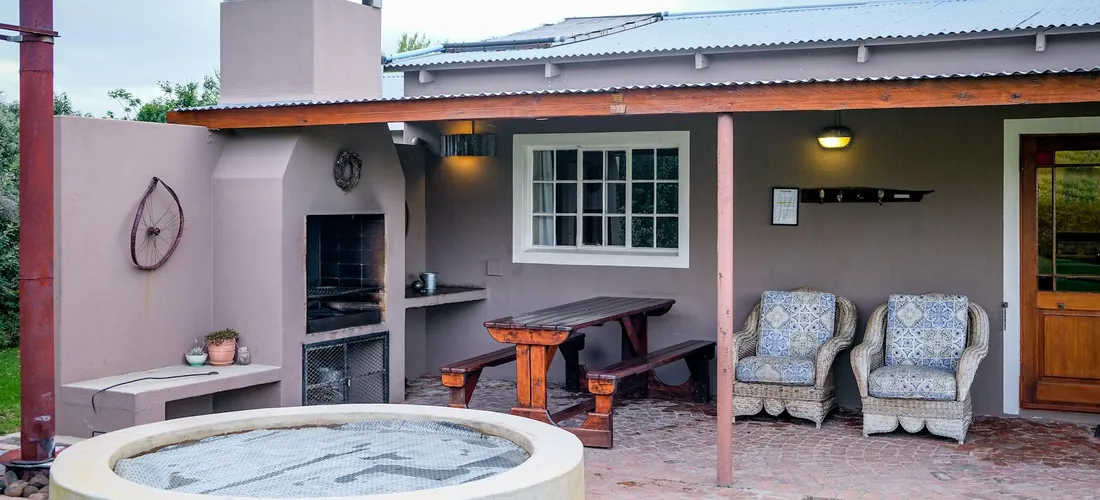
This is the big day-when your backyard gets its new centerpiece. A professional crew can typically wrap this entire phase in 4 to 8 hours, but I always tell folks to clear the whole day. Patience is your best tool today; rushing a step here can lead to leaks, errors, and costly call-backs next week.
Step 1: Delivery, Placement, and Final Leveling
The truck arrives, and the real work begins. Even with a perfectly prepared pad, I’ve seen tubs shift on the dollies and need a final micro-adjustment. The crew will carefully maneuver the spa into its forever spot, often using PVC pipes as rollers.
Once positioned, they break out the levels. This isn’t a one-and-done check. They’ll verify level from multiple angles and across the middle-a tub that’s off by even half a bubble can cause one jet to spit air and another to feel weak, creating a lopsided soak. Shims made of composite or plastic are tapped under the base frame until everything is perfectly true.
Step 2: Professional Electrical Hookup and Safety Checks
Here’s where you step back. A licensed electrician will complete the final connections from your disconnect box to the tub’s control pack. They’re not just plugging in wires; they’re performing a series of critical safety validations — especially after preparing your home’s electrical panel for a new hot tub.
- Verifying correct voltage (110V/120V or 220V/240V) at the terminal block.
- Confirming proper grounding and bonding to prevent stray voltage.
- Testing the GFCI (Ground Fault Circuit Interrupter) in your disconnect box-this lifesaving device must trip within milliseconds if a fault is detected.
- Securing the conduit and making a watertight seal where it enters the equipment compartment.
I cannot overstate this: never attempt this step yourself unless you are a qualified electrician. The combination of water, high amperage, and human bodies is unforgiving.
Step 3: Plumbing Connections, Water Fill, and Initial Testing
With power ready, the team moves to water. If you have a salt system or ozone generator, its plumbing loop will be connected now. They’ll attach a fresh water hose to your fill port-always using a potable water hose, not the old green garden hose that’s been laying in the sun.
- Pre-fill the Filter Cavity: Before filling the tub, they’ll pour water into the filter canister. This prevents an air lock in the plumbing that can strain the circulation pump on its first start.
- Slow and Steady Fill: They’ll fill the tub, usually with the hose resting in the filter compartment to minimize air bubbles. The gurgle of water filling the shell is a sweet sound!
- The Moment of Truth – Power On: With water level above the highest jet, the electrician applies power. The control panel will light up. The technician will start the jets briefly to purge air from the lines-expect some spluttering and coughing from the jets as the system primes itself.
- Leak Check: They’ll spend a good 20 minutes inspecting every union, pump seal, and heater connection in the equipment bay for any sign of a drip. A single drop per minute can waste hundreds of gallons a year.
Phase 3: Startup Procedure and Your First Water Balance
The tub is full and humming. Now, the most crucial chemical dance begins. Getting this initial balance right is the single biggest factor that determines whether you’ll have an easy-care tub or a constant battle with foam, scale, and cloudiness. Don’t just dump in chlorine and call it a day. As part of this hot tub water chemistry guide, we’ll cover the basics of balancing pH, alkalinity, and sanitizers. Starting with the right chemistry makes maintenance easier and water stays clear.
The Initial Chemical Startup: A Foundation for Easy Care
Think of this like baking. You need the right ingredients, in the right order, for the recipe to work. The installer or your dealer will often provide a start-up kit. If you’re just starting your hot tub’s initial setup, this quick-start guide walks you through the essential steps. Here’s the exact sequence I use in my own tub:
- Balance Alkalinity (80-150 ppm): This is your pH’s anchor. Use alkalinity increaser (sodium bicarbonate) or decreaser (dry acid) to get it in range. If alkalinity is wild, pH will bounce around like a ping-pong ball.
- Adjust pH (7.2-7.8): Now tweak the pH with increaser (soda ash) or decreaser. Aim for the low 7s (7.2-7.4). Perfect pH makes your sanitizer more effective and protects your heater from corrosive, acidic water or scale-clogging alkaline water.
- Add Calcium Hardness (150-250 ppm for acrylic): This protects your shell and plumbing. Too low, and water becomes “hungry,” trying to leach calcium from your heater element. Too high, and you’ll get cloudy water and scaling.
- Introduce Your Sanitizer: Add the initial dose of chlorine (granular dichlor) or bromine (tablets in a floater). Follow your tub’s manual for the shock dose amount based on gallons.
- Optional “Spa Perfect” Steps: Now you can add a metal sequestrant (if you have well water) and a clarifying enzyme or defoamer if needed.
Let the filtration run for a full 24-hour cycle after this startup. You’ll smell the clean sting of chlorine, a sign the system is working.
Running Safety Checks and Understanding Your Control Panel
Before your first soak, take ten minutes to become one with your control panel. With the cover off and jets running, walk through this list:
- Jet Function Test: Toggle each pump and jet control. Do all the designated jets turn on with the right pressure?
- Heater Verification: Set the thermostat to your desired temperature (usually around 100°F-102°F). Listen for the faint click of the heater relay engaging. You should feel warm water returning from the jets within minutes.
- Light and Audio: Test any LED lights and stereo Bluetooth pairing.
- Circulation Pump Check: Find the quiet hum of the 24/7 circulation pump. This is the heart of your system, filtering and heating water constantly.
- Cover Your Investment: Finally, practice latching the thermal cover properly. A tight seal is your best friend for heat retention and energy efficiency, saving you real money every month.
This hands-on familiarization is more valuable than any manual; knowing the normal sounds and feels lets you instantly detect when something is off later. Now, with chemistry set and systems go, you’re ready for a well-earned, trouble-free soak.
Common Factors That Stretch the Installation Timeline
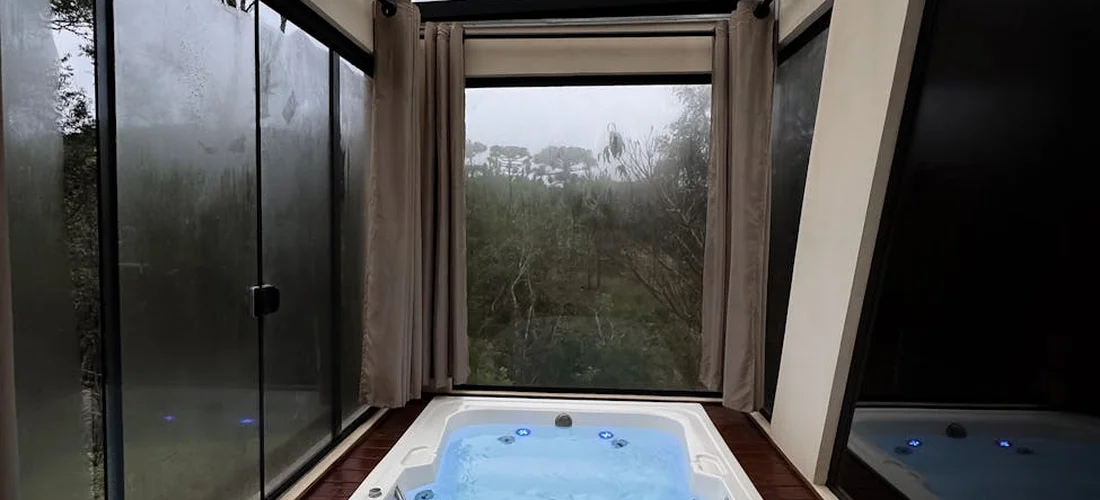
A perfectly smooth, one-day install is the dream, but reality often has other plans. I’ve shown up to jobs where what the homeowner described over the phone didn’t match what I saw in their backyard.
Poor or incomplete site prep is the single biggest delay I encounter; it can add anywhere from a few hours to several days while you scramble to get materials or hire help.
Site Preparation Snags
Your installer arrives expecting a ready pad. Finding these issues sends them right back to the truck.
- Unlevel Ground: A base that’s off by more than an inch requires serious correction. We can’t just shim it.
- Inadequate Base Material: Gravel must be the right type (crushed, not round) and properly compacted. Soft spots are a disaster.
- Access Obstacles: A narrow gate, steep steps, or overhanging tree limbs can turn a simple carry into a complex rigging operation.
- No Dedicated Circuit: If an electrician hasn’t already run the required 220V line from your panel to the site, the project stops dead.
The Electrical Hurdle
This is a two-part process often handled by different pros, and scheduling is tricky.
Coordinating the electrician’s schedule with the tub delivery is a classic headache, as their timeline is rarely dependent on yours. When issues pop up with a jacuzzi tub, it’s smart to know when to call a professional for repair to prevent bigger problems. If you notice persistent leaks, unusual noises, tripping breakers, or the unit won’t heat properly, contact a licensed jacuzzi tub repair technician promptly.
- Your main panel may need an upgrade to handle the new 50-amp load.
- Local code might require a disconnect box within sight of the tub, adding more wiring.
- Inspections can bottleneck everything. The electrical work often must be permitted and signed off before the tub can be powered.
Weather and Logistics
Mother Nature and supply chains don’t care about your weekend plans.
A steady rain doesn’t just make us uncomfortable-it halts electrical work, turns your site to mud, and creates unsafe lifting conditions.
- Heavy rain or lightning forces a full stop.
- Unexpected frost can prevent proper concrete curing if you’re pouring a pad.
- Freight delays are common. Your specific tub model could be on a truck stuck somewhere.
Post-Installation Maintenance: The First 48 Hours Are Critical
The installer drives away, the water is in, and the jets are humming. Your job is just starting. Think of the first two days as the break-in period for your tub’s chemistry and plumbing.
Neglecting the initial chemical balance is like skipping the break-in oil change on a new car-you might not see immediate damage, but you’re shortening the system’s life.
The Initial Fill & Purge (Day 0)
Before you even add chemicals, you need a clean slate. I never just fill a tub.
- Use a pre-filter on your hose to remove heavy metals and sediment.
- Fill the tub through the filter compartment to minimize air locks in the plumbing.
- Once full, add a plumbing purge product. It foams up and scours biofilm from the factory pipes. You’ll be shocked at what comes out.
- Drain, rinse, and refill. Yes, it wastes water, but starting fresh is non-negotiable.
Chemical Balancing Bootcamp (Hours 0-24)
Now for the chemistry. Follow this order religiously.
Always balance Total Alkalinity first, as it acts as a shock absorber for your pH; trying to adjust pH first is a frustrating game of ping-pong. In a hot tub, TA stability dampens pH swings caused by bathers and chemicals. This matters because consistent pH and alkalinity protect skin, keep sanitizer effective, and prevent corrosion.
- Test and Adjust Total Alkalinity (TA): Aim for 80-120 ppm. Use increaser or decreaser as needed. Wait an hour with the jets on.
- Test and Adjust pH: Target 7.4-7.6. Use pH Up or Down. Wait another hour.
- Add Calcium Hardener: If your water is soft. Aim for 150-200 ppm to protect the shell and heater.
- Introduce Your Sanitizer System: For chlorine or bromine, add the initial dose per your tub’s volume. For salt systems, add the salt and start the generator.
Monitoring and Fine-Tuning (Hours 24-48)
The system is now active and reacting. Stay vigilant.
- Test the water at least twice daily. Expect to add small amounts of sanitizer.
- Leave the cover off for 20-30 minutes after adding chemicals to allow gases to vent.
- Check for proper jet action, consistent heat rise, and any unusual sounds. A faint hum is normal; a grinding noise is not.
Those first few chemical additions will feel like you’re using a lot, and you are-you’re establishing a stable baseline, which always consumes more product than routine maintenance.
Cost Considerations: Installation vs. Long-Term Upkeep
The installation bill is a one-time shock. The upkeep is a silent, constant trickle. Budget for both.
Proactive maintenance is always cheaper than repair; a $30 bottle of purge fluid and disciplined testing can prevent a $500 heater replacement.
| Cost Category | Typical Initial/Installation Cost | Ongoing Annual Cost | DIY Savings Tip |
|---|---|---|---|
| Water & Chemistry | Included in Fill | $300 – $600 | Buy chemicals in bulk online. Use a pre-filter to extend water life. |
| Energy | Circuit Wiring | $300 – $1000+ | Invest in a high-quality, full-foam insulated cover. Lower temp when not in use. |
| Filter Care | Included Filter | $50 – $150 | Rotate two filters. Clean monthly with a proper filter spray, not a hose. |
| System Components | N/A | $100 – $500 (avg.) | Learn to replace common parts like heater elements and O-rings yourself. |
The real financial pitfall isn’t the upfront cost-it’s the slow creep of neglect. Letting the water go hazy once might just cost you extra chlorine. Letting it happen repeatedly breeds scale that cooks onto your heater, a fix that costs ten times more than the preventative chemicals.
I keep a simple logbook by every tub I service; jotting down test results and what you added takes 30 seconds but gives you priceless data to spot trends and save money.
FAQs
What are the most common unexpected delays during an installation?
The biggest delays often occur before the tub even arrives. Unprepared sites needing leveling, last-minute electrical panel upgrades, and waiting for permit inspections are top culprits. Additionally, poor access for the delivery crew or waiting for specialized contractors to become available can add days or weeks. Do this when your hot tub delivery arrives: run through a full inspection checklist to confirm all components are present and undamaged. Address any issues with the carrier before the setup proceeds.
Why does the electrical hookup often take extra time?
This step involves coordination between you, a licensed electrician, and the local inspector. Delays happen if your main electrical panel needs an upgrade to handle the new circuit or if the electrician’s schedule is busy. The work cannot be completed until after the final electrical inspection is passed, which is outside your direct control.
Can I install my hot tub in any weather?
No, weather significantly impacts the timeline. Heavy rain halts work, creates muddy and unsafe sites, and prevents concrete from curing. It’s best to schedule delivery and electrical work during a forecasted dry spell, and in colder climates, to ensure temperatures are above freezing to prevent pipes from freezing during the fill.
What should I do immediately after the installers leave?
Your critical role begins. You must vigilantly monitor and balance the water chemistry, testing the water multiple times in the first 48 hours. Also, familiarize yourself with the control panel, listen for normal system sounds, and ensure the cover seals tightly to retain heat and maintain efficiency.
Is a faster, DIY installation worth the potential risks?
While DIY can save on labor costs upfront, rushing or incorrectly performing complex steps like the electrical hookup or initial chemical balance is risky. Errors can lead to safety hazards, voided warranties, component damage, and ongoing maintenance nightmares, ultimately costing more in repairs. Professional help for critical phases is a wise investment.
The 7-Day Check: Your Post-Installation To-Do List
Before you slip into that first, glorious soak, give your new spa a final operational once-over. Turn on the jets at high speed and listen for any unusual grinding or whistling – the only sound should be a steady, powerful hum. Walk the perimeter one last time, feeling for dampness on the dry ground. This final visual and auditory inspection is your best defense against discovering a slow leak or a faulty pump after you’ve already filled the tub with chemicals and heated the water. If any unusual sounds show up, consult our hot tub sounds diagnostic guide to identify likely causes. These quick checks help you tell a normal hum from issues that need attention.
Here is your immediate checklist to run through in the days following installation:
- Day 1: Verify water temperature is climbing and the control panel shows no error codes.
- Day 2: Test your sanitizer and pH levels, adjusting as needed-don’t wait for the water to turn cloudy.
- Day 3-7: Make running the filtration cycle for at least 8 hours a non-negotiable daily habit.
The single most important habit you can build from day one is to run your circulation pump for a minimum of 8 hours every single day, without fail, to prevent water stagnation and keep every internal component lubricated and clear. I’ve seen more pumps fail from simple inactivity than from hard use; think of it as taking your tub for a short daily walk.
The hard work is done. The water is balanced, the cover is on, and your backyard retreat is officially ready. Go enjoy that well-earned soak.
Further Reading & Sources
- What Are Hot Tub Installation Requirements? – Hot Spring Spas
- Hot Tub Prep and Installation – The Home Depot
- A Comprehensive Guide to Installing a Hot Tub | Jacuzzi®
- Hot Tub Installation Information & FAQs | Jacuzzi.com | Jacuzzi®
- Hot Tub Installation – Strong Spas
- Your Step-by-Step Guide to Installing a Hot Tub | Sundance® Spas
Charlie is a hot tub enthusiast with a passion for keeping your jets running smooth and your bubbles bursting with joy. With years of experience in hot tub and jacuzzi maintenance, Charlie knows that a happy tub means a happy you. Whether it’s dealing with stubborn filters or giving your spa a little TLC, Charlie’s here to share expert tips, tricks, and plenty of laughs to help you keep your bubbly retreat in tip-top shape. So, kick back, relax, and let Charlie handle the rest — because no one likes a cranky jacuzzi!
Outdoor Setup