How to Spot and Avoid Unsafe Public Hot Tubs in 3 Steps
If you step up to a tub and the water is murky, the surfaces feel slimy, or you’re hit with an overwhelming chemical sting, that hot tub is broadcasting a clear hygiene failure and you should not get in. This isn’t just about cloudy water-it’s a direct health risk from bacteria like pseudomonas that cause “hot tub rash” or worse.
What You Need:
- A keen eye for detail
- Your phone’s camera or flashlight
- 5 minutes of observation
I’ll show you how to perform a professional-grade safety inspection yourself, so you can soak with confidence or walk away knowing you dodged trouble.
The Real Dangers: What Can Go Wrong in a Public Hot Tub?
Common Pathogens and Infections
Steam rising off the water might feel inviting, but public tubs can host a zoo of microbes if not maintained. I’ve pulled apart filters clogged with biofilms that smelled like rotten eggs, a sure sign of trouble. The sting of chlorine should be faint, not absent; a missing bite often means pathogens are throwing a party.
Here are the usual suspects you can’t see:
- Pseudomonas aeruginosa: This bacteria causes “hot tub rash,” an itchy red pustular rash that hits areas covered by your swimsuit. It thrives in warm, poorly sanitized water.
- Legionella pneumophila: Inhaled from mist or steam, this can lead to Legionnaires’ disease, a severe pneumonia. I’ve seen outbreaks linked to spas where water temperature was kept too low for the sanitizer to work.
- Norovirus: The classic “stomach bug” spreads easily in water from accidental fecal contamination, leading to vomiting and diarrhea.
- Mycobacterium avium: A hardy bacteria that resists chlorine, it can cause lung infections, especially in folks with weakened immune systems.
Your skin and lungs are the main entry points. Any open cut or scrape is a welcome mat for these invaders, so heed that “shower before entering” sign.
Understanding Outbreak Risks
A single poorly managed spa can sicken dozens. Outbreaks aren’t just bad luck; they’re a failure of system checks. From my years balancing water, the recipe for an outbreak always mixes high bather load with low chemical diligence.
Consider these risk multipliers:
- Bather Overload: Every person adds sweat, lotions, and skin cells. A tub packed with people can overwhelm the sanitizer in minutes, not hours.
- Sanitizer Neglect: Chlorine or bromine levels can plummet faster than you think. I’ve measured public tubs at 0 ppm chlorine, which is basically asking for trouble.
- Failed Filtration: A dirty or old filter can’t trap contaminants. I recall a hotel spa where the cartridge filter hadn’t been changed in a year; the water was hazy with debris.
- Inadequate Turnover: If the pump isn’t moving all the water through the filter frequently enough, dead zones form where germs multiply.
The hum of the circulation pump should be constant. If you don’t hear that steady flow, or see still water, consider it a red flag and skip the soak.
The Science of Spa Sanitation: How Clean Water Should Be
Sanitizer Levels: Chlorine and Bromine
Sanitizer is your first line of defense, and it needs to be potent. I prefer chlorine for its fast action, but bromine holds up better in heat. You must test levels before you dip a toe; assume nothing about public water quality.
Here’s your quick reference guide:
| Sanitizer | Ideal Range (ppm) | Pro Tip from the Field |
|---|---|---|
| Chlorine | 3-5 ppm | Free chlorine is key. Combined chlorine (chloramines) above 0.5 ppm causes that harsh smell and eye irritation. |
| Bromine | 4-6 ppm | It’s more stable in heat, but you still need an oxidizer shock weekly to reactivate it. I’ve saved money by using non-chlorine shock with bromine systems. |
Carry test strips. If the chlorine or bromine level reads zero, or the water has a cloudy look, walk away-no soak is worth a week of illness.
Critical Water Balance Parameters
Sanitizer can’t work if the water chemistry is out of whack. Think of it like a recipe; get the base ingredients wrong, and the main spice won’t taste right. I’ve fixed pumps choked by scale because the calcium hardness was let soar for months.
Balance these three factors for safe, clear water:
- pH (7.2-7.8): Aim for the sweet spot of 7.4 to 7.6. Low pH corrodes equipment and stings eyes; high pH clouds water and cripples sanitizer power.
- Total Alkalinity (80-120 ppm): This is your pH buffer. Keep it in range to prevent wild pH swings that stress the entire system.
- Calcium Hardness (150-250 ppm): Too low leaches minerals from plaster; too high causes scaling on heaters and pipes. I use a hardness increaser sparingly.
Test these weekly with a good kit. Ignoring water balance is the fastest way to turn your relaxing soak into a costly repair project.
Filtration and Turnover Rate
The filter is the kidney of your hot tub, and it needs to work efficiently. I’ve cleaned cartridges with filter cleaner so potent it dissolved years of gunk in minutes. A clean filter ensures every gallon gets scrubbed, saving energy and extending pump life. Sometimes, though, even a clean filter can still run into issues. These are common hot tub filter problems, and we’ll cover how to fix them in the next steps.
Key points for clean water:
- Filter Type & Micron Rating: Most cartridges are 25-50 micron. Pleated filters catch more debris. For public spas, they should use commercial-grade filters, often 10-20 micron, changed regularly.
- Turnover Rate: All the water should pass through the filter every 30 minutes. In a public tub, with heavy use, it might need to be every 15 minutes. Slow turnover means contaminants linger.
- Maintenance Schedule: Filters need hosing off weekly and a deep chemical soak monthly. I mark my calendar for filter cleans-it’s that important.
Listen for the pump. The steady hum of a circulation pump working hard is the sound of water being protected; silence or sputtering is a warning sign.
Your Pre-Soak Inspection: A 5-Step Visual Check
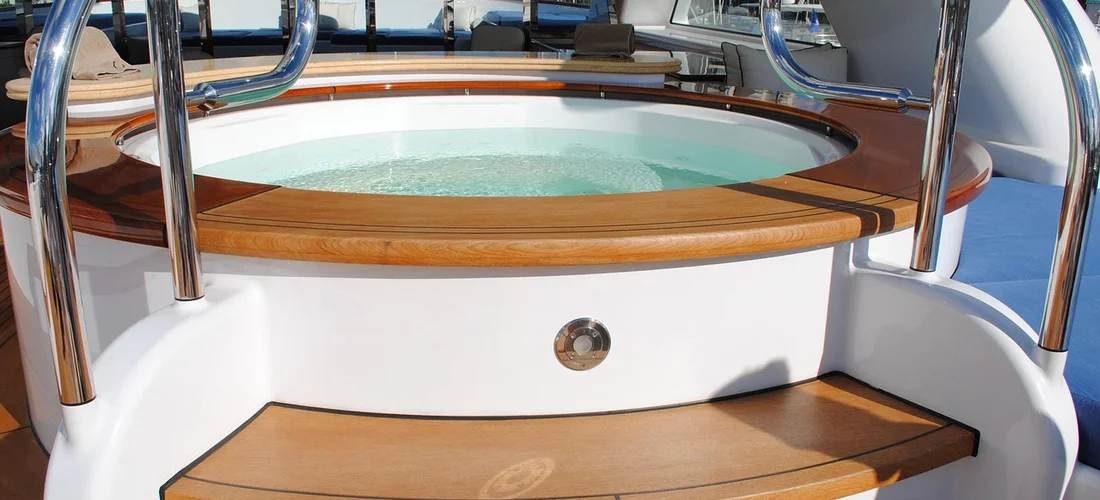
Before you even think about dipping a toe, do this quick visual sweep. I learned this routine from years of servicing both private and public tubs, and it’s saved me from more than one questionable soak.
Step 1: Look for the Latest Inspection Sticker
Your first move is to scan for a health department inspection sticker, usually on the equipment panel or a nearby wall. A sticker dated within the last month is a green light, while an expired or missing one is a major warning sign that routine checks are overlooked. I’ve walked away from resort tubs where the sticker was so faded and old, it was clear no one was minding the store.
Step 2: Assess Water Clarity and Surface
Kneel down and look across the water’s surface and deep into the tub. You want to see the bottom jets clearly, with no cloudiness, foam, or scum lines. If you can’t see the drain cover at the deepest point, the filters are likely overwhelmed or the chemistry is out of whack. Run a finger along the waterline if possible; a slick feeling means biofilm is present, which sanitizer can’t penetrate.
Step 3: Sniff the Air Around the Tub
Take a good whiff a few feet from the tub. A faint, clean scent is fine, but a strong chemical odor is a problem. That harsh chlorine smell isn’t sanitizer-it’s chloramines, waste products that form when chlorine is busy breaking down sweat and oils, and they can irritate your eyes and lungs. I remember a gym Jacuzzi that smelled like a laundry bleach spill; a test strip confirmed the chlorine was actually zero, and all that smell was spent chemical.
Step 4: Check Equipment and Surroundings
Glance at the equipment bay. Is the circulation pump humming steadily? Are there puddles or signs of leaks? Look for clean, dry decking and a covered filter compartment. Neglected surroundings often mirror neglected water care, as a broken pump means no filtration and stagnant water. From fixing countless pumps, I know a silent pump is a dead pump, and that water isn’t being cleaned.
Step 5: Observe Bather Load and Etiquette
Watch the tub for a few minutes. How many people are in it? Are they showering before entering? A tub packed over its capacity or with bathers who skip rinsing off will overwhelm the sanitizer faster than it can work, creating a hygiene risk for everyone. High bather load is the fastest way to turn that clear water into a cloudy bacterial soup.
Reading the Water: Chemical Clues to Hygiene
Visual checks are great, but the real story is in the chemistry. Balancing water is my daily bread, and these clues tell you what’s really happening.
Using Test Strips for a Quick Check
I always carry a small bottle of test strips in my bag. They give you a snapshot in seconds.
- Dip a strip into the water for the time specified-usually one second.
- Shake it off gently and wait another 15 seconds.
- Compare the pads to the bottle’s chart under good light.
For a public spa, you want to see free chlorine between 3-5 parts per million (ppm) or bromine at 4-6 ppm, with a pH of 7.4 to 7.6. If the strip shows zero sanitizer, that water is unprotected, no matter how clear it looks.
Interpreting Sanitizer Demand and pH Shifts
Sanitizer demand refers to how quickly chlorine or bromine gets used up. If you test and the level is low, it’s working overtime. A high sanitizer demand means the water is under attack from organic waste, and it may not be safe until the balance is restored. pH shifts are equally telling; a reading above 7.8 drastically weakens chlorine’s power, while below 7.2, the water becomes corrosive. I’ve seen pH swing wildly after a busy weekend, requiring immediate adjustment to keep the water healthy and the equipment from scaling up.
Behind the Scenes: What Good Facility Maintenance Looks Like
Documented Cleaning and Filter Cycles
You should look for a logbook or digital record at the facility-it’s a telltale sign they’re on top of things. A well-maintained public tub will have its filters pulled and hosed down daily, with a deep chemical soak using a filter cleaner every single week. I’ve walked into hotel pump rooms where the calendar was marked for filter changes just like clockwork, and that consistent care is what keeps the water from getting that hazy, lifeless look. It’s also important to know how often you should change your hot tub filter to keep the water clean. The exact cadence depends on usage, water quality, and filter type. Filters are the kidneys of your hot tub; a clogged 35-micron cartridge can’t trap body oils or cosmetics, letting contaminants recirculate right back to you.
In my years servicing pumps, I learned that silence isn’t always golden. The hum of a circulation pump should be steady, not labored, which often points to a clean filter allowing proper flow. Ask the staff how often they backwash sand filters or replace cartridge sets-if they can’t answer, consider it a red flag waving in the chlorinated breeze.
Proper Disinfection Procedures and Shock Treatments
Sanitizer levels aren’t a suggestion; they’re a strict requirement. A safe public tub will maintain 3-5 ppm of chlorine or 4-6 ppm of bromine, with pH locked between 7.2 and 7.8. Think of shock treatments as a weekly reboot for the water, using a non-chlorine oxidizer or a heavy dose of chlorine to burn off the combined chloramines that make your eyes sting. I’ve balanced water for large communal spas where the bather load is high, and without a shock after peak hours, the water turns dull and irritable.
Proper disinfection means more than just dumping in chemicals. Facilities should use test strips or a digital reader multiple times a day, recording each result to track trends and prevent problems before they start. Here’s what a rigorous disinfectant routine involves:
- Testing sanitizer and pH levels at least three times during operational hours.
- Shocking the water nightly after closing, especially following busy weekends.
- Using stabilizer in outdoor tubs to protect chlorine from sun degradation, but keeping it below 50 ppm.
Occupancy Limits and Water Replacement Schedules
Overcrowding a tub is a fast track to cloudy, unsafe water. A good rule of thumb is one person per 15 square feet of water surface-any more and the sanitizer gets overwhelmed. I’ve seen tubs where the water felt slimy because too many bodies overloaded the system, a clear sign the occupancy limit was ignored. Facilities should post this limit clearly and enforce it; it’s not just about comfort, it’s about chemistry.
Water doesn’t last forever, even with perfect chemistry. Every well-run facility will drain, scrub, and refill their tubs every 60 to 90 days, without exception, to reset total dissolved solids and prevent scale buildup. This schedule saves energy too, as fresh water heats more efficiently than old, mineral-laden water. From a cost perspective, regular water replacement is cheaper than constantly battling algae or damaged heaters.
Protecting Yourself: Personal Best Practices

Shower Before and After Soaking
Rinsing off for just sixty seconds with soap and water before you enter strips away sweat, lotions, and deodorant that foul the water. This simple act is the single biggest favor you can do for everyone in the tub, reducing the chemical demand and keeping the sanitizer potent for real threats. I always shower first; it’s a habit from my DIY days when I saw how much gunk one unshowered user can add to the filter. Beyond this, avoiding the most common hot tub cleaning mistakes is the natural next step. It helps keep water sparkling and sanitizer effective.
After soaking, hit the showers again to wash off any lingering chemicals or microbes. Use lukewarm water and a mild soap to help your skin’s natural barrier recover from the hot, chlorinated environment. That post-soak rinse prevents dryness and irritation, making your soak both enjoyable and smart.
Limit Soak Time and Avoid Submerging Your Head
Keep your dips to 15-20 minutes max, especially in public tubs where heat and chemical concentrations can stress your body. Prolonged soaking can lead to dizziness or nausea, and it increases your exposure to any contaminants that might be present. I tell folks to set a timer on their phone-it’s an easy way to stay safe without guessing.
Never put your head under the water in a public tub. The jets and bubbles create aerosols that can carry bacteria like Legionella, and inhaling them is the primary risk for respiratory infections. Keep your mouth and nose above the surface, and if you smell a strong chemical odor, step out-it’s likely chloramines, a sign of poor water balance.
Post-Soak Skin and Suit Care
Once you’re out, dry off thoroughly and moisturize with a gentle, fragrance-free lotion to combat the drying effects of sanitizers. Your skin has just been through a lot, so treat it kindly to avoid that tight, itchy feeling later. I keep a small bottle of moisturizer in my gym bag specifically for after hot tub sessions. This routine also helps prevent hot tub rash and folliculitis by keeping your skin barrier intact. If irritation appears, address it promptly.
Your swimsuit needs care too. Rinse it in cold water immediately after use, then machine wash it separately to remove chlorine or bromine residues that can break down the fabric. Here’s my routine to make suits last, especially after using them in hot tubs where the chemicals can be harsher.
- Soak the suit in a sink with a half-cup of white vinegar for 15 minutes to neutralize chemicals.
- Wash on a gentle cycle with a mild detergent, no fabric softener.
- Air dry away from direct sunlight to prevent fading and elastic damage.
This isn’t just about longevity; a clean suit won’t introduce old contaminants to your next soak. Taking these few extra steps ensures your gear stays hygienic and ready for the next relaxing dip.
Red Flags: When to Walk Away
Trust your instincts on this one. If a public tub looks or feels off, your best move is to find a different way to relax. Choosing to skip a dubious soak is the ultimate DIY fix-it costs nothing and protects your health.
Immediate Visual and Olfactory Warnings
Your eyes and nose are the best tools you have for a quick safety check. Water that isn’t crystal clear is water that isn’t chemically balanced, and that’s a breeding ground for trouble.
Look for these visual deal-breakers before you even think about dipping a toe:
- A cloudy or murky appearance: You should be able to easily see the main drain at the bottom. If you can’t, the filter is likely failing or the sanitizer level is zero.
- Persistent foam or an oily film: That bathtub ring of suds isn’t from soap; it’s a cocktail of body oils and lotions that consumes sanitizer and shields bacteria.
- Green, yellow, or murky brown tints: Green often signals algae, while brown can mean rust or dirt infiltrating the system from poor maintenance.
- Floating debris or sediment: Spotting leaves, hair, or grit means the surface isn’t being skimmed daily, a basic housekeeping failure.
Next, take a cautious sniff near the water’s surface. That sharp, eye-watering chlorine smell isn’t a sign of cleanliness; it’s the stench of chloramines, which form when chlorine binds to sweat and oils.
- An overpowering chemical odor: Well-managed water has a faint, clean scent. A potent bleach-like sting means the chemistry is fighting a losing battle.
- A musty, earthy, or rotten egg smell: This can indicate biofilm buildup in the plumbing or, in severe cases, dangerous bacterial growth like Pseudomonas.
Signs of Poor Management and Neglect
The condition of the equipment and area around the tub tells you everything about behind-the-scenes care. I’ve balanced water for years, and sloppy housekeeping always leads to sloppy water chemistry. For beginners, a quick guide to maintaining proper hot tub water chemistry helps you start right. Regular testing and balancing keep both the tub and its surroundings in good shape.
Scan for these telltale signs of a poorly managed facility:
- A silent circulation system: Hold your hand over a jet. You should feel a strong, consistent flow and hear the steady hum of the pump. No flow or sound means stagnant, untreated water.
- Missing or damaged access panels: Exposed wires or pipes are a serious electrical hazard and show a blatant disregard for basic safety protocols.
- Dirty or degraded filters in plain sight: If the filter compartment is open, look for cartridges that are falling apart or caked with dirt. A clean, pleated filter with a 30-50 micron rating is essential.
- No visible water testing station: Reputable pools and tubs have test kits or digital readers out in the open. If you don’t see them, assume the pH and sanitizer levels aren’t being checked multiple times a day.
- Overall dilapidation: Cracked coping, burned-out lights, or peeling vinyl siding are red flags. If management ignores the shell, they are certainly ignoring the critical water balance.
From my experience fixing pumps, I know neglect is a cascade. A single clogged filter can crash the entire sanitation system, allowing pH to swing and pathogens to multiply in a matter of hours. This isn’t just a hygiene issue-it’s an energy drain, as pumps and heaters strain to work in a dirty system.
Frequently Asked Questions
What does a public hot tub’s inspection sticker actually tell me?
An inspection sticker shows the last time a health inspector officially verified the tub’s water quality and equipment. A current sticker (typically within the last 1-2 months) indicates regulatory oversight. A missing or expired sticker is a major red flag that routine professional checks may be neglected, placing the burden of safety entirely on your own inspection.
Why does a strong chemical smell indicate a problem?
That harsh “chlorine” odor is actually chloramines, chemical compounds formed when chlorine binds to contaminants like sweat and oils. A potent smell means the sanitizer is overwhelmed and busy breaking down waste instead of being available to kill new pathogens. Well-balanced, safe water should have a very faint, clean scent or no chemical smell at all.
When is the safest time to use a public hot tub?
The safest time is during off-peak hours, such as weekday mornings, when the bather load is lowest. This allows the filtration and sanitation system to keep up effectively. You should absolutely avoid overcrowded tubs, as a high number of users will deplete sanitizer levels rapidly, increasing risk for everyone in the water. Keeping the tub properly sanitized is essential for it to stay sanitary, clean, and safe. Regular maintenance and proper sanitizer levels support that goal.
What should I do if I develop a rash after using a public tub?
If you develop a rash (often itchy, red bumps under your swimsuit), contact a healthcare provider. Thoroughly shower and wash your swimsuit. It’s also good practice to inform the facility’s management, as your experience could indicate a systemic issue they need to address to protect other users.
How can I ask about a facility’s maintenance without being confrontational?
Politely ask staff straightforward questions focused on safety. You can inquire, “How often do you test the water chemistry each day?” or “Can you tell me when the water was last completely changed?” A reputable facility with good practices will have confident, specific answers and may even show you their maintenance log.
Your Soak, Your Shield: The After-Check Ritual
Before your toe even breaks the surface, pause for a final assessment. Look for that slight chemical scent on the air, a clean sting, not an overpowering cloud. Scan the water’s surface for stray debris and peer into the depths for clarity. Listen for the steady hum of the circulation system-that sound is your first line of defense. This 60-second ritual is your personal safety scan.
The single most powerful habit you can adopt after using any communal spa is to shower immediately and thoroughly with soap and water, washing your swimsuit too. This simple act strips away lingering contaminants from your skin and suit, protecting you and breaking the chain of transmission for the next person. It’s the cornerstone of responsible communal soaking, and one of the most important rules of hot tub etiquette.
You’ve done the homework. Now go enjoy the warmth. You’ve earned it.
Further Reading & Sources
- Faeces, urine and sweat – just how gross are hot tubs? A microbiologist explains
- Reasons to Think Twice Before Getting Into a Hot Tub
- What You Can Do to Stay Healthy in Hot Tubs | Healthy Swimming | CDC
- Just how gross are hot tubs? A microbiologist explains – ABC News
- Are Hot Tubs & Spas Safe? | SpectraLight
- What Are The Health Risks Of Improper Hot Tub Maintenance?
Charlie is a hot tub enthusiast with a passion for keeping your jets running smooth and your bubbles bursting with joy. With years of experience in hot tub and jacuzzi maintenance, Charlie knows that a happy tub means a happy you. Whether it’s dealing with stubborn filters or giving your spa a little TLC, Charlie’s here to share expert tips, tricks, and plenty of laughs to help you keep your bubbly retreat in tip-top shape. So, kick back, relax, and let Charlie handle the rest — because no one likes a cranky jacuzzi!
Safety Tips