
Full Foam vs. Perimeter Insulation: Fix Your Hot Tub’s Costly Heat Leak for Good
Published on: January 8, 2026 | Last Updated: January 8, 2026
Written By: Charlie Bubbles
If your heater cycles non-stop on a cold night and your energy bill makes you wince, your hot tub’s insulation is failing its job. The diagnosis is inefficient heat retention, and while it won’t electrocute you, it’s a relentless drain on your wallet that demands immediate attention.
What You Need:
- A flashlight for a quick cabinet inspection
- Your latest utility bill
- 5 minutes to assess your current setup
I will arm you with the knowledge to diagnose your insulation type and choose the most efficient path forward, saving you a costly service call.
Why Hot Tub Insulation is Your First Defense Against Heat Loss
Think of your hot tub’s insulation like a winter coat for your water. Without it, that expensive heat you’re making just pours into the cold air. I’ve felt the frustration of a pump running non-stop to compensate for lost warmth. Your insulation is the silent hero that keeps your energy bills from skyrocketing and your water ready for a soak at a moment’s notice.
The Real Cost of a Poor Thermal Envelope
A “thermal envelope” is just a fancy term for how well your tub holds heat. A poor one is a money pit. I’ve seen electric bills jump by $50 a month because of a spa with degraded foam. The heater cycles on constantly, wearing out components faster. That constant hum isn’t just background noise; it’s the sound of your wallet getting lighter with every cycle. Beyond cash, you’re stressing the entire system-the heater, the pumps, the controls-leading to premature repairs.
- Higher Operating Costs: Expect a 40-60% increase in energy use with inadequate insulation.
- Component Wear: Frequent heating cycles shorten the lifespan of your heater and circulation pump.
- Limited Use: In cold climates, a poorly insulated tub may struggle to reach or maintain temperature, making winter soaks impossible.
Core Insulation Terms Every Owner Should Know
Understanding these terms helps you talk smart with technicians or shop for a new tub. I use them every time I assess a spa’s efficiency. Check out the ultimate glossary of hot tub terms to get started.
- R-Value: This measures resistance to heat flow. Higher is better. Good hot tub foam often has an R-value between 5 and 7 per inch.
- Closed-Cell Foam: The gold standard. Its dense structure traps inert gas, providing superb insulation and resisting water absorption. This is what’s sprayed in full foam tubs.
- Thermal Lock: This refers to how well the cabinet, shell, and insulation work together to prevent air leaks. A good thermal lock feels solid, with no drafts.
- Heat Transfer Rate: Simply put, how many degrees your water loses per hour when the system is off. A well-insulated tub might lose only 1-2°F per hour in 40°F air.
Knowing your tub’s R-value and heat transfer rate gives you a baseline to track performance decline over the years. When you read the hot tub energy guide label, it shows what those numbers really mean for energy use and cost. It helps you compare models and spot the most efficient option for long-term savings.
Full Foam Insulation: The Sealed Thermal Envelope
This method fills every cavity between the shell and the cabinet with spray foam. It’s like your hot tub is wearing a full, custom-fitted wetsuit. From my experience, when done right, it creates the most energy-efficient envelope you can buy.
How Full Foam Works: A Blanket of Closed-Cell Spray Foam
During manufacturing, the empty shell is placed in the cabinet. Then, a liquid foam mixture is sprayed into every nook and cranny. It expands, hardening into a solid, monolithic block. This foam does two critical jobs. First, it insulates. Second, it adds structural rigidity to the entire spa. The key is the closed-cell structure; each tiny bubble is a trapped pocket of insulating gas, creating a formidable barrier against the cold. I’ve cut into old foam for repairs and found it still dry and effective after a decade, which is a testament to good installation.
The Pros and Cons of a Full Foam Spa
Nothing is perfect. Here’s my honest take from years of servicing both types.
Pros:
- Superior Energy Efficiency: This is the big win. In cold climates, full foam tubs can be 30% more efficient than perimeter-insulated models.
- Quiet Operation: The foam damps the vibration and sound from pumps and jets, making for a quieter soak.
- Structural Integrity: The foam locks everything in place, reducing stress on plumbing joints from flexing.
Cons:
- Access Challenges: This is the major drawback. To fix a leaky pipe or a failed pump, you must excavate the foam. It’s a messy, time-consuming job.
- Potential for Water Logging: If a leak goes undetected, water can travel through the foam, making it hard to find the source and reducing insulation value.
- Higher Upfront Cost: The material and labor for this process often make these spas more expensive initially.
Choosing full foam is a long-term bet on lower energy bills, accepting that any major repair will be a more involved project.
Living with Full Foam: Maintenance and Repair Reality
Ownership means planning ahead. I always tell owners to be vigilant about leaks. The first sign is often a soft spot in the foam around the equipment area or a persistent drop in water level. At the first suspicion of a leak, investigate immediately; letting it fester turns a simple fix into a foam-ectomy. For repairs, you’ll need a long knife, a shop vac, and patience. You cut out only the foam necessary to access the problem. After the repair, you must re-foam the cavity with a two-part expanding foam kit to restore the envelope. It’s a DIY-able task, but it’s messy. Pro-tip: keep a bag of that two-part foam on hand for emergencies. It saved me a service call just last winter when a heater union let go.
Perimeter Insulation: The Strategic Barrier

Think of perimeter insulation not as a full suit of armor, but as a highly tactical winter coat worn over the critical areas. Instead of filling every cavity with foam, this method applies insulation strategically to the cabinet walls and around key components like the equipment bay.
The core principle is creating a defended thermal barrier around the tub’s outer shell, focusing on stopping heat from escaping into the surrounding air.
How Perimeter Insulation Works: Targeted Heat Defense
Modern perimeter systems are sophisticated. You’ll typically find layers of foil-backed foam board or dense, spray-applied foam precisely fitted to the cabinet’s interior. The reflective foil acts like a radiant barrier, bouncing heat back towards the water. The key is coverage: a well-installed system will have a continuous, unbroken layer on all side panels and often a thick blanket over the equipment area.
This design leaves an intentional air gap between the insulated shell and the cabinet’s outer skin. This dead air space itself becomes a secondary insulating layer. The plumbing lines in the middle of this cavity benefit from this captured warmth.
I’ve found the accessibility this creates is a game-changer; tracing a humming pump or a slow drip is infinitely easier when you’re not digging through solid foam.
The Pros and Cons of a Perimeter Insulated Tub
Let’s weigh the practical realities you’ll face as an owner.
Pros:
- Plumbing Access is Unmatched: Every jet line, pump, and heater is readily visible. A leak announces itself plainly and can usually be fixed without a destructive, messy excavation.
- Lower Initial Cost: Less material and simpler installation often make these tubs more affordable upfront. That savings can go towards a better cover or a nicer ozone system.
- Potential for Drying: If moisture gets in, the cavity can theoretically dry out, preventing a long-term, hidden rot scenario.
- Reduced Weight: Significantly less foam means a lighter shell, which can simplify delivery and placement on certain decks.
Cons:
- Heat Loss Vulnerability: The unprotected plumbing in the cavity can lose heat faster, especially in extreme cold or wind. You might hear the circulation pump kick on more frequently to maintain temperature.
- Dependent on a Perfect Seal: Its efficiency hinges completely on the integrity of the insulated panels and the thermal cover. A small gap or a worn-out cover undermines the whole system.
- Can Be Noisier: The equipment bay sound isn’t as muffled. You’ll hear more of the pump’s hum and the click of the heater from outside the tub.
- Critter Consideration: That accessible cavity can be inviting to mice or insects looking for a warm home, requiring diligent inspection.
For the hands-on owner who values serviceability and lives in a moderate climate, the perimeter approach offers a compelling, straightforward package.
Maintaining a Perimeter Insulated Spa: What to Expect
Your maintenance routine extends beyond water chemistry here. You become the guardian of the thermal seal. Every season, make it a habit to carefully remove the side panels (if possible) and visually inspect the insulation boards. Look for sagging, tears, or any gaps where the material has pulled away from the shell.
Check for signs of pests-nests or chewed materials. Use a flashlight to look for condensation on pipes, which can indicate high humidity inside the cavity or a small leak. Ensuring the cabinet vents are clear of debris is critical; these allow for necessary airflow to prevent moisture buildup while not sacrificing efficiency.
Your first line of defense is always a high-quality, heavyweight thermal cover; a weak cover will force any insulation system, perimeter or full foam, to work overtime and drain your wallet.
Head-to-Head Efficiency Showdown: Heat Retention and Costs
This is where theory meets your utility bill. The difference isn’t always dramatic, but under the right conditions, it’s absolutely measurable.
Comparing Thermal Performance in Real-World Conditions
Imagine a windy, 20°F night in Chicago. A full-foam tub’s internal plumbing is largely buffered from that biting air. A perimeter tub’s pipes, while inside a defended cavity, are still in a space that will cool down more quickly. The full-foam tub’s heater will likely cycle on less frequently to maintain 102°F. In winter, the ideal hot tub temperature typically sits around 100–104°F, so 102°F is right in the sweet spot for comfort and safety.
Now picture a mild, 50°F evening in Portland. The difference narrows considerably. Both systems will hold temperature well, with the perimeter design performing efficiently. The real stress test is during a power outage. In my experience, a fully foamed shell will often retain viable warmth for 24-48 hours, while a perimeter tub will cool noticeably faster, sometimes within 12-18 hours.
The consistency of full foam is its strength, but a premium perimeter system in a sheltered location can come remarkably close for a significant portion of the year.
Long-Term Cost-Benefit Analysis: Upfront vs. Operational Expense
Let’s talk numbers. You might save $500-$1500 on the initial purchase with a perimeter-insulated model. That’s real money. However, you must factor in the annual operational cost. In a cold climate, expect a perimeter tub to consume 10-25% more electricity over a winter season. Insulation matters because maximum energy efficiency starts with a well-insulated hot tub. A perimeter-insulated design helps minimize heat loss and push efficiency to the max.
That could mean an extra $15-$40 per month on your bill. Over five years, that extra operational cost could erase the initial savings. The equation flips in warmer climates, where the penalty for less insulation is smaller and the upfront savings stay in your pocket.
Factor in potential repair costs: a $200 plumbing fix on a perimeter tub might be a $500+ invasive foam excavation and repair on a full-foam model, dramatically altering the long-term financial picture. Understanding typical repair price ranges helps set expectations: professional hot tub repairs typically cost a few hundred dollars for simple fixes up to several thousand for major work.
The Moisture and Durability Factor
This is the most critical durability difference. Water is the enemy. In a perimeter system, a leak is often quickly found and repaired. The cavity can dry. In a full-foam spa, a leak travels. It saturates the foam, which then holds that moisture directly against the underside of the acrylic shell and the wooden framing. This can lead to delamination, wood rot, and hidden damage that compounds over years. Compare acrylic spa durability to other materials to understand why this is a concern.
I’ve seen full-foam tubs where a small leak went unnoticed, creating a massive, soggy, and thermally useless foam block that weighed hundreds of pounds extra. A perimeter design gives you a fighting chance to spot and stop moisture issues before they become structural disasters, fundamentally altering the long-term lifespan of the spa. When shopping, people also want to know how Jacuzzi and Hot Spring spas compare in features and price. Understanding these trade-offs can help you choose the model that balances performance with long-term cost.
Choosing Your Insulation: A Practical Guide for Buyers and Owners
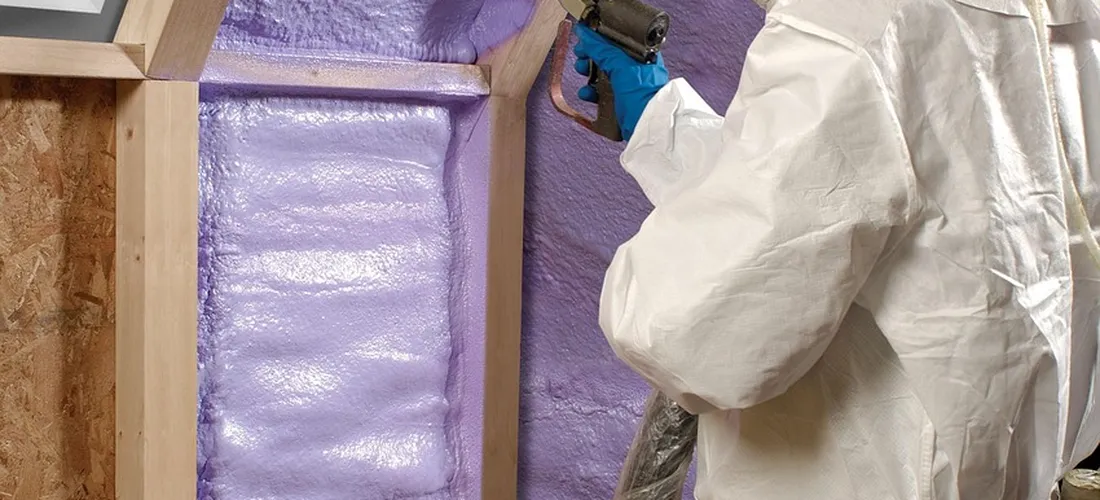
Let’s move past theory and into the garage, where insulation choices hit your wallet and your weekend. Your decision between full foam and perimeter insulation dictates not just heat retention, but the very ease of every future repair you’ll face.
From my years of chasing leaks and balancing alkalinity in all tub types, I’ve felt the difference insulation makes. Proper insulation keeps your heater from cycling on as often, saving energy and reducing wear on that expensive pump. When you’re weighing must-have upgrades, energy efficiency should be at the top of the list. Simple upgrades like better insulation, efficient pumps, and smart controls pay back over time in lower bills and steadier temps.
Key Questions to Ask Before You Buy
Walk into any dealership armed with this list to avoid a costly, chilly mistake. A few pointed questions now can prevent a decade of regret and high utility bills.
- “Can you show me the exact R-value rating for the cabinet and shell?” Demand a number, not a vague “well-insulated” claim; look for at least R-14 in critical areas.
- “How do you access the plumbing for repairs in this full foam model?” Smart designs have pre-formed tunnels or removable foam blocks, saving you from a messy excavation later.
- “Is the cabinet fully sealed with a thermal lock or gasket?” Perimeter systems live and die by this seal; a single gap can wreck efficiency.
- “Does the warranty specifically cover heat loss or insulation failure?” Many warranties skirt this issue, so get explicit terms in writing before you pay.
Can You Retrofit or Upgrade Your Current Hot Tub’s Insulation?
I’ve had customers ask if they can pump foam into an old perimeter tub, and my answer is always cautious. Retrofitting a full foam system is almost never advisable, as improper application can trap moisture and crush delicate plumbing.
For most owners, practical and affordable upgrades focus on boosting what you already have. Focus on sealing air leaks and adding mass where heat escapes most quickly.
- Inspect and seal the entire cabinet with high-quality foam tape or silicone, especially around access panels and conduit entries.
- Install a floating thermal blanket on the water surface; this simple layer cuts evaporative heat loss by over 50%.
- Upgrade your cover if it’s waterlogged or thin, as a good cover is your first and best line of defense.
While these steps help, they won’t magically give an old tub the efficiency of a modern, properly engineered system. For many homes, it’s better to upgrade or dispose of the old jacuzzi tub and install a newer, more efficient model.
Final Verdict: Matching Insulation to Your Lifestyle
Your perfect insulation type isn’t about what’s best, but what’s best for *you*. Match the technology to your local weather patterns, your maintenance comfort level, and how often you actually soak.
| Your Lifestyle & Climate | Best Insulation Type | Practical Reason Why |
|---|---|---|
| You live where winters are harsh and use the tub daily. | Full Foam | Maximum thermal mass fights freezing temps, lowering operating costs enough to justify harder repairs. |
| You’re in a moderate climate and prefer DIY fixes. | Perimeter with Sealed Cabinet | You get easy access to pumps and heaters without sacrificing core efficiency for your weather. |
| You’re budget-conscious and use the tub weekends only. | Quality Perimeter System | The lower initial cost aligns with lighter use, and good habits like using a cover make it effective. |
| You want set-and-forget reliability with technician access. | Modern Full Foam with Access Conduits | Newer designs offer high R-values with dedicated repair pathways, blending efficiency with serviceability. |
Listen to the rhythm of your heater-if it kicks on every hour, your insulation isn’t matching your lifestyle’s demands. Choose wisely, and you’ll spend less time worrying about temperature and more time enjoying the soak.
## FAQs
Is full foam insulation always more energy-efficient than perimeter insulation?
In controlled laboratory conditions, a properly installed full foam system typically provides the highest R-value and best thermal retention. However, in real-world use, a high-quality, perfectly sealed perimeter system in a moderate climate can perform almost as well. The efficiency gap widens significantly in consistently cold or windy environments, where full foam’s sealed thermal envelope has a clear advantage.
Which insulation type is better for a very cold climate?
For regions with harsh, prolonged winters, full foam insulation is generally the recommended choice. Its monolithic, closed-cell structure provides superior defense against extreme cold, leading to lower operating costs and more reliable temperature maintenance. The constant high heat demand in cold climates justifies its higher upfront cost and potential repair complexity.
Can I improve the efficiency of my existing perimeter-insulated hot tub?
Yes, you can significantly boost efficiency without a full retrofit. The most effective upgrades are adding a high-quality, floating thermal blanket on the water’s surface and ensuring your main cover is in perfect condition. Additionally, meticulously sealing all air gaps in the cabinet with foam tape or silicone will strengthen the thermal barrier and reduce heat loss.
Does full foam insulation make it impossible to find and fix leaks?
Not impossible, but it is much more challenging. Leaks can travel through the foam, making the source difficult to pinpoint. Repair requires carefully cutting out (“excavating”) the foam around the suspected area, which is a messy and time-consuming process. Prompt leak detection is critical to prevent water from saturating a large section of foam.
Over 10 years, which insulation type usually costs more when considering everything?
The long-term financial picture depends heavily on your climate and repair luck. Full foam often has higher initial cost but lower monthly energy bills, especially in cold areas. Perimeter insulation has a lower purchase price but may incur higher energy costs; however, its accessible design typically makes repairs faster and cheaper. A major leak repair in a full foam tub can tip the total cost of ownership in favor of perimeter insulation.
The Verdict and Your Maintenance Blueprint
Before you slide into that perfectly balanced water, give your spa one last courtesy check. Run the jets on high for sixty seconds. Listen for the steady hum of the pump and feel for strong, even flow from every jet face. This quick test confirms your insulation hasn’t hidden any plumbing gremlins and that your circulation is flawless.
Your single most important habit for preserving that expensive hot tub efficiency? Make a monthly ritual of checking your spa’s heating cycle; if it’s running noticeably longer or more often than it did when new, that’s your first and best clue that your insulation’s performance is fading and needs your attention. This early warning gives you time to investigate drafts or consider a quality thermal cover before your energy bill does the talking. Those are warning signs your hot tub may need professional service. A quick check with a qualified technician can pinpoint insulation gaps, heating inefficiencies, or failing components before a bigger breakdown.
You’ve done the homework. You’ve weighed the foam. Now, go enjoy the serene, energy-efficient soak you’ve earned. Consider yourself well-insulated from future problems. Time to get wet.
Further Reading & Sources
- The Complete Guide to Hot Tub Insulation (Types, Pros, Cons and More)
- Hot Tub Insulation Systems
- Free Heat – Hot Tub Insulation – 01 – Arctic Spas USA
- Hot Tub Insulation Systems | Hot Tub University
- r/hottub on Reddit: Hot Tub insulation DIY
- A Comparison of Best Hot Tub Insulation Types – Hot Spring Spas
Charlie is a hot tub enthusiast with a passion for keeping your jets running smooth and your bubbles bursting with joy. With years of experience in hot tub and jacuzzi maintenance, Charlie knows that a happy tub means a happy you. Whether it’s dealing with stubborn filters or giving your spa a little TLC, Charlie’s here to share expert tips, tricks, and plenty of laughs to help you keep your bubbly retreat in tip-top shape. So, kick back, relax, and let Charlie handle the rest — because no one likes a cranky jacuzzi!
Energy Efficiency