
Hot Tub vs. Cold Plunge: The Definitive Comparison to Fix Your Recovery Routine
Published on: January 6, 2026 | Last Updated: January 6, 2026
Written By: Charlie Bubbles
If your post-workout soreness isn’t fading or you can’t decide where to invest your wellness budget, you’re facing a common modern dilemma. Your recovery protocol is missing a key piece because hot therapy and cold therapy serve distinct physiological purposes; choosing one without understanding the other leaves half the benefits on the table. This isn’t a hazardous problem, but a costly one-get it wrong and you’ll waste thousands on a tub that doesn’t meet your needs.
What You Need:
- 7 minutes to scan this comparison
- A clear picture of your main goal (muscle repair vs. nervous system reset)
- Honesty about your willingness to maintain water chemistry and plumbing
- A rough estimate for your upfront investment and monthly energy bill
I’ll break down the science, costs, and gritty maintenance realities so you can choose the perfect vessel for your recovery, all without scheduling a single sales consultation.
Defining Your Options: Hot Tubs, Cold Plunges, and Combos
What Exactly Is a Hot Tub?
Think of a hot tub as your personal, heated soaking pool. It’s a permanently installed or portable vessel filled with hot water (typically between 100°F and 104°F) that is filtered, heated, and often aerated by a built-in system. The classic image involves bubbling jets for hydromassage, but at its core, it’s about sustained heat. The real magic of a hot tub isn’t just the warmth; it’s the engineering that maintains that perfect, consistent temperature and clean water for you to sink into night after night. You’ll find two main types: the luxurious, custom-built acrylic spas and the more affordable, durable rotomolded “plug-and-play” models. My first spa was a used acrylic model I rescued—learning to balance its water chemistry was a baptism by fire (and a few cloudy-water mistakes). If you’re new to hot tubs, a quick beginners guide on safe, effective use can help you enjoy it responsibly. It covers setting the right temperature, recommended soak times, and basic water care.
- Core Components: Insulated shell, jet pump, circulation pump, heater, filtration system, and control pack.
- Key Maintenance: Requires diligent water chemistry (pH 7.2-7.8, alkalinity 80-120 ppm), weekly sanitizing (chlorine/bromine), and filter cleaning.
- Primary Sensation: Deep, penetrating heat that loosens tight muscles and induces a state of deep relaxation.
What Exactly Is a Cold Plunge?
A cold plunge is the stark opposite: a dedicated tub or pool filled with chilled water, usually between 50°F and 59°F. Its purpose is not relaxation in the traditional sense, but controlled physiological shock. Where a hot tub hums with the sound of heaters and pumps, a cold plunge is often silent, its only sound being your own controlled breath as you submerse. They can be simple stock tank troughs, insulated drop-in tubs, or sophisticated systems with chillers. The upkeep is simpler-no heating costs and often fewer chemicals-but that biting cold requires a different kind of mental preparation. I’ve helped clients set up DIY plunges using stock tanks and aquarium chillers, and the immediate feedback is always about the intense, clarifying shock.
- Core Components: An insulated vessel is key, often paired with a chiller unit or relied upon with ice.
- Key Maintenance: Focuses on filtration and basic sanitization (often with a UV or ozone system to minimize chemicals). No heater to worry about!
- Primary Sensation: A sharp, systemic cold that constricts blood vessels, numbs pain, and shocks the system awake.
Understanding Hot Tub and Cold Plunge Combos
Why choose one when you can have both? Combo units are the all-in-one answer, often called “contrast therapy” systems. They cleverly use a single shell with a divider or a dual-zone design, linked to both a heater and a chiller. Investing in a combo unit is less about saving space and more about maximizing a specific wellness routine, letting you switch from heat to cold in seconds without leaving the enclosure. The plumbing gets more complex, as it must manage two extreme temperatures, which is a point I always check for potential leaks during service. They represent a significant investment but eliminate the need for two separate pieces of equipment.
- How They Work: A shared filtration system services two separate water bodies (or one body that can be rapidly cooled/heated) using a heat pump for cooling and a standard heater.
- Biggest Advantage: Unmatched convenience for performing contrast therapy cycles, which we’ll discuss next.
- Consideration: Higher initial cost and more mechanical parts (chiller, dual controls) that could potentially require repair.
Wellness Benefits: The Heat and Cold Therapy Breakdown
Hot Tub Benefits: Relaxation and Muscle Relief
The benefits of a hot tub go far beyond just feeling nice. The heat causes your blood vessels to dilate (vasodilation), increasing circulation. This is like opening up the highways in your body to deliver fresh oxygen and nutrients to sore muscles and carry away metabolic waste like lactic acid. For chronic aches or post-workout stiffness, that 20-minute soak is like hitting the body’s reset button, easing joint pressure and softening tight connective tissue. The buoyancy of the water also takes weight off your joints, offering relief I’ve valued after long days of physical repair work. Furthermore, the ritual of a warm soak at night can significantly improve sleep quality by helping your core body temperature drop afterwards.
- Muscle & Joint Relief: Heat promotes flexibility and soothes arthritis or injury discomfort.
- Stress Reduction: Warmth and buoyancy lower cortisol levels, calming the nervous system.
- Improved Sleep: The post-soak cooldown phase signals your body it’s time for deep rest.
Cold Plunge Benefits: Inflammation and Recovery
Cold therapy works through vasoconstriction-the tightening of your blood vessels. This process reduces blood flow to extremities, which may sound bad, but it’s a powerful tool. By reducing blood flow, you directly reduce swelling and inflammation at the site of an acute strain or in tired muscles. The plunge’s true power is as a recovery accelerator; that sharp cold numbs nerve endings, providing natural pain relief and triggering a flood of endorphins. Regular users report a lasting increase in energy and mental clarity, a feeling I liken to the sharp focus you need when troubleshooting a complex pump wiring issue. It teaches your cardiovascular system to be more resilient.
- Reduces Inflammation: Constricts blood vessels, decreasing swelling and micro-tears in muscle tissue.
- Boosts Recovery: May speed up muscle repair processes after intense physical activity.
- Enhances Mental Fortitude: Overcoming the initial shock builds resilience and can improve mood.
Contrast Therapy: Using Heat and Cold Together
This is where you harness the power of both worlds in a deliberate cycle. Contrast therapy involves alternating between hot and cold immersion, creating a “pumping” effect for your circulatory system. You dilate, then constrict, then dilate again. Think of contrast therapy as giving your lymphatic system a gentle, internal workout, helping to flush out toxins and reduce deep inflammation more effectively than either temperature alone. A typical beginner cycle is 3 minutes in the heat, followed by 1 minute in the cold, repeated 2-3 times, always ending with cold. I advise clients to start gentle; listen to your body, and never use extreme heat if you have cardiovascular concerns.
- Start with Heat: Soak in the hot tub (100-104°F) for 2-4 minutes to fully vasodilate.
- Quick Shift to Cold: Plunge into the cold water (50-59°F) for 60-90 seconds for vasoconstriction.
- Repeat the Cycle: Return to heat and repeat the sequence 2 to 4 times.
- Always End Cold: Finish your final cycle with the cold plunge to close pores and leave you invigorated.
Recovery Face-Off: Hot Tub vs. Cold Plunge for Specific Goals
For Post-Workout Muscle Soreness
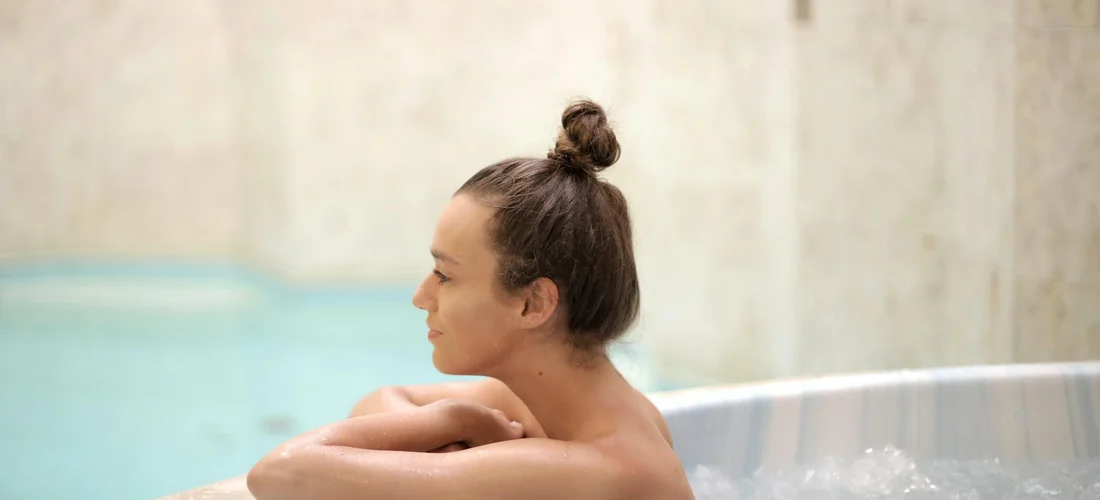
After a tough workout, your muscles scream for relief. A hot tub’s warmth, set around 102°F, boosts blood flow to those aching areas. I’ve felt it myself after long runs—the heat soothes deep tightness like a liquid massage. That recovery benefit is why many athletes reach for a post-workout soak. A hot tub helps muscle soreness recovery by promoting circulation and easing stiffness. Heat encourages muscle relaxation and can ease that delayed onset soreness by promoting circulation.
In contrast, a cold plunge, typically between 50-60°F, constricts blood vessels. This reduces inflammation and numbs pain signals. Cold therapy is potent for acute swelling, making it a favorite for intense athletes right after training.
- Hot Tub Best For: General muscle relaxation, chronic stiffness, and when you want to unwind.
- Cold Plunge Best For: Sharp, post-exercise inflammation or as part of a contrast therapy cycle (hot then cold).
For Joint Health and Arthritis Pain
Stiff joints need gentle care. The consistent heat of a hot tub can work wonders here. It helps increase synovial fluid mobility, making it easier to move. I’ve seen clients with arthritis find real comfort in 100-104°F water, where the buoyancy takes pressure off hips and knees. Many people report hot tubs for arthritis relief from regular hot tub use, though results vary. It’s typically temporary and should be part of an overall arthritis management plan.
Cold plunges can reduce joint swelling, but that intense chill might tighten muscles around the joint. For many, it’s too harsh. Unless directed by a physio, heat usually wins for daily joint pain management because it loosens tissues predictably.
Think of it like this: heat is a slow, steady thaw for frozen hinges, while cold is a quick brace for a sudden flare-up.
For Stress Relief and Sleep Quality
For melting away stress, nothing beats the gentle hum of a hot tub pump and that enveloping warmth at night. It helps lower cortisol and prepares your body for sleep. The ritual of a evening soak can signal your nervous system to shift into rest mode, improving sleep onset.
A cold plunge shocks your system, which can reduce stress hormones too, but it’s more alerting. That icy dip spikes adrenaline, which might leave you wired if done too close to bedtime.
- Evening Routine: Choose the hot tub for its calming, sleep-promoting effects.
- Morning Boost: A cold plunge can increase alertness and resilience for the day ahead.
Maintenance and Care: The Reality of Owning Each System
Hot Tub Maintenance: Water Chemistry and Filter Care
Keeping a hot tub clean is like being a home chemist—it needs precision. You must balance pH (7.2-7.8), total alkalinity (80-120 ppm), and sanitizer levels weekly. If you’re new to this, a quick beginners guide can help you establish a routine. It walks you through simple checks and adjustments to maintain proper hot tub water chemistry. Neglect this, and you’ll face cloudy water, scale buildup, or that familiar chlorine sting in your eyes.
Filter care is non-negotiable. Rinse cartridges every two weeks with a hose and deep-clean with a filter solution monthly. I replace my 10-micron pleated filters yearly because a clogged filter makes your pump labor harder, wasting energy.
From fixing countless pumps, I know consistent care prevents 80% of repairs. Test your water three times a week with a reliable kit, and adjust chemicals in small doses to avoid swings.
Common Hot Tub Repairs
Even with care, parts wear out. Here’s what I see most often:
- Leaking Pump Seals: A drip from the pump housing means the seal is shot. You can often replace it yourself with a kit.
- Heater Failure: Corrosion or scale on the element stops heat. Regularly check for error codes like “FL” or “OH” on your panel.
- Jet or Pipe Leaks: For PVC leaks, use a heavy-duty cement like Oatey’s Rain-R-Shine, rated for wet conditions, after drying the area thoroughly.
DIY tip: Always shut off power at the breaker before inspecting any electrical component-safety first with water and electricity.
Cold Plunge Maintenance: Simpler but Still Necessary
Cold plunges have fewer moving parts, but don’t ignore them. The cold water slows bacterial growth, but doesn’t stop it. You still need a sanitizer, like a bromine floater set low, or regular hydrogen peroxide adds, to keep the water safe.
Drain and scrub the tub every one to two months with a mild, non-abrasive cleaner. Since there’s no heater, you avoid scale issues, but biofilm can still form on surfaces if left stagnant. To remove and prevent biofilm in your hot tub, rinse thoroughly, scrub hotspots, and keep the water sanitized between cleanings.
It’s less daily fuss, but that simplicity can lead to complacency. Set a phone reminder for monthly water checks.
Preventing “Hot Tub Lung” and Other Health Risks
“Hot tub lung” is a real risk from inhaling mycobacteria in mist from dirty water. It comes from poor filtration and low sanitizer. Maintain your chlorine at 3-5 ppm or bromine at 4-6 ppm, and shock weekly to oxidize contaminants.
Other hazards include Legionella or skin rashes. Your first line of defense is a clean filter-think of it as the liver for your tub, trapping debris before it circulates.
- Run the circulation pump at least 8 hours daily to keep water moving.
- Use a quality cover to reduce evaporation and debris, saving energy and chemical use.
- Never mix chemicals directly; always add them to water separately to avoid dangerous fumes.
From my experience, the clearest water comes from a routine: test, adjust, clean, repeat-it’s cheaper than a doctor’s visit.
Choosing What’s Right for You: Cost, Space, and Commitment
Comparing Upfront and Operating Costs
Let’s talk money, because nothing ruins relaxation like a shocking utility bill. A new hot tub can set you back $3,000 to well over $10,000. Installation is its own beast, often adding $500 to $2,000 for electrical work, a solid base, and plumbing. I helped a friend in Austin who spent $1,800 just to run a new 240-volt line from his panel. Operating costs? Budget $30 to $100 monthly for electricity to keep that water toasty and for sanitizing chemicals. Are hot tubs expensive to run and maintain? The answer depends on insulation, usage patterns, and the tub’s efficiency.
Cold plunges are often cheaper to start. A simple stock tank costs about $500, while a dedicated plunge pool with a chiller unit runs $2,000 to $5,000. Their operating expense is typically lower, focusing on water replacement and perhaps a small pump, but a chiller will add to your electric bill. Think long-term: a hot tub’s circulating pump hums daily, while a cold plunge might just need a weekly refresh.
- Hot Tub Upfront: High investment in tub, installation, and potential deck modifications.
- Hot Tub Monthly: Chemical kits ($20-$40), electricity for heating and filtration ($50-$80).
- Cold Plunge Upfront: Lower barrier for entry with DIY options like barrels or used freezers.
- Cold Plunge Monthly: Minimal costs if manually filling with ice; chiller units use less power than a hot tub heater.
Space and Installation Requirements
Your backyard’s layout dictates a lot. A hot tub needs a forever home-a perfectly level concrete pad or reinforced deck that can handle over 3,000 pounds of water and people. You must have clear access for service and room to lift the cover, which is why I always suggest a 3-foot perimeter. Electrical hookup requires a licensed pro for that GFCI-protected circuit.
Cold plunges win on flexibility. That 100-gallon horse trough can sit on a patio, in a garage corner, or even be stored away. No permanent plumbing or high-voltage wiring is usually needed, making it a renter-friendly or temporary option. The trade-off? You’re often hauling hoses or bags of ice unless you invest in a plumbed system.
- Hot Tub Space: Dedicated, permanent area with strong structural support and electrical access.
- Cold Plunge Space: Flexible, temporary, or mobile setup often requiring only a water source and drain.
- Pro Tip: Always check local codes for enclosures or fences, especially for hot tubs, to meet safety regulations.
Your Personal Recovery Routine and Goals
Are you soothing achy muscles after long shifts or blasting inflammation from a heavy squat session? Your goal picks the tool. Heat from a hot tub, around 102°F, is your ally for chronic stiffness and stress, easing you into sleep. The cold plunge, at 50-59°F, is the sharp, bracing reset for acute pain and post-exercise swelling.
Be honest about your habits. If you’ll use a hot tub three times a week, the maintenance becomes second nature. If you’re inconsistent, a cold plunge with its simpler care might prevent that green, neglected water I’ve seen too many times. I love my evening soaks, but for a quick morning wake-up, nothing beats a 2-minute cold dunk.
- Choose a Hot Tub If: Your recovery focuses on relaxation, improving circulation, and you enjoy the ritual of warm water therapy.
- Choose a Cold Plunge If: Your priority is reducing inflammation quickly, boosting alertness, and you prefer a low-commitment setup.
Safety and Best Practices for Effective Use
Temperature and Time Guidelines
More is not better with temperature. In the hot tub, keep it at 104°F or lower to avoid overheating. Limit soaks to 15-20 minutes, and always listen to your body-if you feel lightheaded, get out and cool down. I’ve seen folks doze off in there, and it’s a real safety risk.
For cold plunges, start milder. Begin with water around 59°F for just 1-3 minutes. Your goal is tolerance, not torment; work your way down to 50°F as your body adapts over weeks. Never plunge alone if you’re new to it, and always breathe steadily through the initial shock.
- Hot Tub Safe Zone: 100°F to 104°F for no more than 20 minutes per session.
- Cold Plunge Progression: Start at 59°F for 1-3 min, aim for 50°F for up to 5 min as you acclimatize.
- Critical Rule: Avoid alternating hot and cold cycles (contrast therapy) if you have cardiovascular issues without consulting a doctor.
Hydration and Health Precautions
Water immersion pulls fluids from your body. Drink a full glass of water before and after any soak, hot or cold. Skip the alcohol; it dehydrates you and increases risks of dizziness or poor judgment in the water. That beer-and-hot-tub combo is a classic mistake I’ve warned countless customers about.
Test your hot tub water weekly. I keep my chlorine at 3-5 ppm and pH locked between 7.4 and 7.6 to prevent skin irritation. Unbalanced water isn’t just cloudy; it can harbor bacteria that cause rashes or respiratory issues. For cold plunges, if you don’t change water frequently, use a mild sanitizer like bromine tabs in a floating dispenser.
- Must-Do Checklist: Hydrate, no alcohol, consult a doctor for heart conditions/pregnancy, and test water chemistry regularly.
- Chemical Safety: Always add chemicals to water, never water to chemicals, and store them in a cool, locked place.
DIY Tips for Long-Term System Health
Your equipment lasts longer with simple care. For hot tubs, pull and rinse your filters with a hose every two weeks. Use a filter cleaner solution every month to dissolve oils that a hose can’t touch, and replace 50-micron cartridges annually. I keep a spare O-ring kit and clear PVC cement for quick leak fixes on plumbing joints. Also, think about how often you should change water and clean filter. A common guideline is to change the water every 3-4 months and to clean the filter every two weeks.
Cold plunge systems need love too. If you have a pump and chiller, vacuum the coils every six months to maintain efficiency. For basic tubs, drain and scrub with a white vinegar solution weekly to prevent biofilm, which feels slick and smells musty. A small submersible pump makes draining a 100-gallon tub a 10-minute job instead of a backache.
- Hot Tub Monthly Routine: Test water, shock with oxidizer, clean filter, inspect for leaks around the pump seal.
- Cold Plunge Weekly Routine: Change water, scrub surfaces, check pump pre-filters for debris.
- Energy Saver: Use a insulated cover on your hot tub and a tight lid on your cold plunge to reduce heat transfer and evaporation.
FAQs
What is a hot tub plunge pool combo?
A hot tub plunge pool combo is an all-in-one unit that integrates both a heated hot tub and a chilled cold plunge pool, typically within a single shell divided into zones. It enables seamless contrast therapy by allowing users to quickly switch between heat and cold immersion. These systems share a filtration setup but have independent temperature controls for each section, offering convenience for dedicated recovery routines.
How much does a hot tub plunge pool combo cost?
The upfront cost for a hot tub plunge pool combo generally ranges from $5,000 to over $15,000, depending on size, materials, and features like advanced chillers. Installation can add $1,000 to $3,000 for electrical, plumbing, and site preparation. In our 2024 pricing guide, you’ll find a detailed breakdown of professional installation costs and the factors that influence them. Ongoing expenses include higher energy bills for both heating and cooling, plus maintenance for dual systems, so budget for increased operational costs compared to standalone units.
What are the symptoms of hot tub lung?
Symptoms of hot tub lung, a type of hypersensitivity pneumonitis, often include persistent dry cough, shortness of breath, fever, and general fatigue. These arise from inhaling aerosols contaminated with mycobacteria due to poor water sanitation. If you notice such symptoms after hot tub use, discontinue use immediately, consult a doctor, and review your water chemistry and filtration system.
How is hot tub lung diagnosed with radiology?
Radiology, such as chest X-rays or high-resolution CT scans, is key in diagnosing hot tub lung by revealing patterns like diffuse ground-glass opacities or small nodules in the lungs. These imaging findings help distinguish it from infections or other lung diseases. However, a complete diagnosis usually combines radiology with clinical history and possibly bronchoscopy to confirm mycobacterial exposure.
Where can I find a hot tub plunge pool near me?
To locate a hot tub plunge pool nearby, start by searching for local spa dealers, wellness equipment suppliers, or speciality pool retailers in your area. Online resources like dealer locators on manufacturer websites or review platforms can help identify reputable providers. Always visit showrooms if possible to assess quality and discuss installation services before purchasing, especially when buying from sources claiming to offer the best supplies.
The Weekly Win
Before you step into your chosen vessel for the first time, make it a ritual. For the hot tub, listen for the steady hum of the pump and run your hand through the jets to confirm strong, even flow. For the plunge, take a visual inventory-is the chiller running, and does the surface look invitingly crisp? Test the water with your elbow; the gentle sting of the sanitizer or the bracing cold should feel correct, not shocking. This 60-second check is your final safety and satisfaction gate.
Consistency beats intensity every single time. Your one non-negotiable habit is a dedicated weekly check-in. For hot tubs, this means testing and adjusting your pH and sanitizer levels before they drift. For cold plunges, it’s wiping down the interior and checking the filtration system. Ten minutes of proactive care every seven days prevents ninety percent of the problems that force a frantic, rainy-night fix. This small investment protects your larger one and keeps your recovery tool ready when you need it most.
You’ve done the research, weighed the options, and now you’re armed with a plan. The hard work is over. Go ahead-draw your line in the water, whether it’s steamy or frigid. Your recovery awaits.
Further Reading & Sources
- Hot Tub and Cold Plunge Combo: Ultimate Relaxation and Recovery
- How to Use Hot & Cold Plunge Pools for Recovery & Regeneration – Renu Therapy
- r/coldplunge on Reddit: Hot tub after cold plunge?
- Valaris Glacier: Hot Tub + Cold Tub – Master Spas, LLC
- Hot Shot Cold Plunge – DreamMakerSpas
- Cold Plunge & Hot Tub – How to Alternate for Maximum Recovery
Charlie is a hot tub enthusiast with a passion for keeping your jets running smooth and your bubbles bursting with joy. With years of experience in hot tub and jacuzzi maintenance, Charlie knows that a happy tub means a happy you. Whether it’s dealing with stubborn filters or giving your spa a little TLC, Charlie’s here to share expert tips, tricks, and plenty of laughs to help you keep your bubbly retreat in tip-top shape. So, kick back, relax, and let Charlie handle the rest — because no one likes a cranky jacuzzi!
Hot Tub Reviews