Hot Tub Control Panel Dead? Bring It Back to Life with This Technician’s Checklist
Published on: January 5, 2026 | Last Updated: January 5, 2026
Written By: Charlie Bubbles
You press the buttons and get no lights, no beeps, just a silent, stubborn panel. This classic symptom almost always points to a lost power connection or a tripped safety device, not a total system failure. While annoying, it’s rarely an emergency, but always treat it as a safety-first task: turn off the breaker before you touch anything.
What You Need:
- A non-contact voltage tester
- A Phillips-head screwdriver
- A dry towel
- Five minutes of focused time
Follow this structured guide and you will isolate the cause and get your spa responding again, guaranteed.
Start with Safety and Simple Visual Checks
Before we start poking around, let’s talk safety. A non-responsive panel often points to an electrical gremlin, and mixing water with electricity demands respect. I’ve learned this the hard way after years of service calls.
Turn Off Power and Inspect for Obvious Issues
First, go to your home’s main service panel and shut off the circuit breaker dedicated to your hot tub. Don’t just rely on the nearby GFCI outlet; kill the power at the source. This is your golden rule. Always cut the main power before you remove the side panel of your hot tub’s cabinet—treating it as a live device is the only way to stay safe.
With the power confirmed off, open the equipment bay. Take a deep breath and just look. Use a flashlight. What do you see?
- Any standing water pooled at the bottom? This is a major red flag for a leak that could short components.
- Do you see any obvious chewed wires? Rodents love the warmth of a spa pack.
- Is there a strong, acrid burning smell? That distinct odor often points to a fried circuit board or a failed relay.
- Check for loose connections on the control panel itself, where the thin wires plug into the back. A simple disconnect happens more than you’d think.
I once found a family of spiders had built a dense web inside a control box, causing enough moisture retention to create a short. The fix was a shop vac and a new terminal block.
Verify Basic Operation and Settings
Sometimes, the problem isn’t the hardware but a simple misstep. Before we dig deeper, let’s eliminate the easy stuff.
With the main power restored, listen closely. Do you hear the gentle hum of the circulation pump? That tells you the spa has base power. If the pumps are silent but the lights inside the tub work, your issue is more specific. Also listen for any abnormal noises—such as grinding, screeching, rattling, or buzzing—that your hot tub shouldn’t make. These sounds are addressed in our diagnostic guide to help you identify the likely culprit.
- Many topside panels have a “hold for 3-5 seconds to power on” feature. Try a long, firm press.
- Check for a built-in lockout or “child lock” mode, often activated by holding two buttons.
- Is the display completely dead, or are buttons just unresponsive? A dead screen points to a power supply failure; unresponsive buttons could be a faulty membrane pad.
A panel that lights up but doesn’t respond to presses is often suffering from a failed membrane switch, a common wear item you can usually replace yourself for under $100.
Diagnose Power Supply and Electrical Connections
If the simple checks come up empty, we need to follow the electricity. This is where your multimeter becomes your best friend. If you don’t own one, a basic digital model is a fantastic investment for any hot tub owner. Watch for warning signs that your hot tub may need professional service—erratic readings, constant tripping breakers, or unusual noises. If you notice these, it’s wise to call a licensed technician rather than pushing the DIY checks.
Reset the GFCI and Circuit Breaker
Your hot tub’s power path has two main safety checkpoints: the GFCI (that outdoor outlet with the buttons) and the circuit breaker in your main panel. Both need to be happy. In short, hot tubs do need GFCI protection and a proper breaker, and understanding this is part of safe electrical practice. We’ll walk through what that means for you.
- Go to the GFCI. Press the “TEST” button. It should click and pop out. Then, firmly press the “RESET” button. You should feel it engage.
- Now, go to your main home panel. Find the breaker for the tub. Switch it fully OFF, wait a solid 30 seconds, then switch it firmly back ON.
After resetting both, wait. A modern spa’s control system can take 2-3 minutes to go through its boot-up sequence before the panel becomes active-impatience here can lead to misdiagnosis. If the GFCI won’t reset or immediately trips again, you have a ground fault. The search narrows to water intrusion or a failing heater element.
Inspect for Wiring Damage and Corrosion
Back at the equipment bay with the power OFF, let’s get hands-on. Corrosion is the silent killer of spa electronics, often creeping in from splashing or high humidity.
- Trace the wiring from the control panel down to the spa pack (the main box). Look for any green or white crusty deposits on wire nuts or terminals.
- Inspect the connections at the transformer (usually a small black or silver box). Loose or corroded wires here mean no low-voltage power to your topside controls.
- Check the condition of the fuse on the circuit board. It’s a small, clear-windowed cylinder you can pop out. A multimeter set to continuity will tell you if it’s blown, but a visual check for a broken filament inside often works.
I’ve repaired countless “dead” panels simply by cutting out a corroded wire section, stripping it fresh, and securing it with a new, grease-filled waterproof connector. Prevent this by annually applying a dielectric grease to electrical connections inside the cabinet; it displaces moisture and stops corrosion before it starts.
Examine the Control Panel and Main Circuit Board
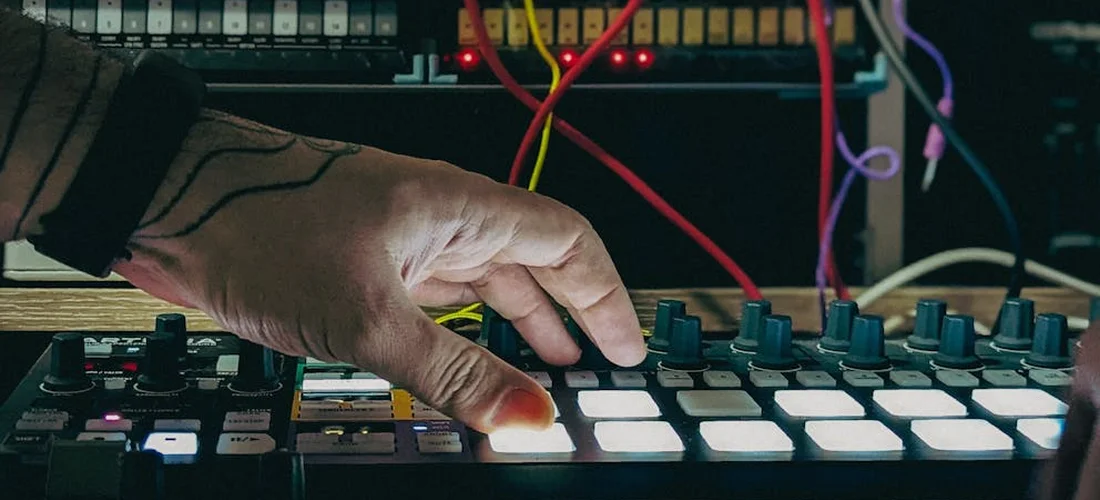
When your panel goes dark or ignores your presses, the problem often starts right there. First, always shut off the power at the breaker before you touch anything inside the equipment bay-this is non-negotiable for your safety. I’ve gotten that tingle from a live wire once, and it’s a sting you don’t forget.
Decipher Error Codes and Panel Behavior
A blank or flickering panel can feel like a dead end, but it’s usually trying to talk to you. Error codes are your spa’s first cry for help, and learning their language saves costly service calls. Listen for the quiet click of relays or watch for a single flashing light; that’s often a coded message.
Here are common signals and what they typically mean:
- FLo or FLC: Flow is restricted. This is often a clogged filter, a stuck pump impeller, or a failing flow sensor. I’ve fixed many by simply pulling and hosing the filter.
- OH or rH: Overheat warning. The water temperature has spiked, usually from a stuck heater relay or a faulty temperature sensor.
- Cold Reading with No Heat: If the panel shows a temp far below actual, the sensor is likely bad. I keep a spare 10k ohm sensor in my toolbox for this exact reason.
- All Lights On or Erratic Display: This points to water intrusion on the topside controls or a main board getting a bad signal. Check for moisture behind the panel seal.
Grab your owner’s manual first, as codes vary by brand, but these patterns hold true across most models. A methodical check here can rule out simple problems before you dive deeper.
Assess the Main Control Board for Faults
Behind the jet panel, in the equipment compartment, lives the brain: the main control board. Open the compartment and let your nose guide you-the sharp scent of burnt electronics is a sure sign of trouble. Look with a flashlight for these red flags:
- Dark, burnt spots on the circuit board, especially near relays or transformers.
- White, green, or blue corrosion on wire connectors or terminals.
- Swollen capacitors or any signs of moisture on the board itself.
- Wires that are loose, brittle, or chewed by pests (I’ve found more than one nest in there).
For a more advanced check, use a multimeter to test for proper voltage at the board’s low-voltage terminals, but only if you’re comfortable with live diagnostics. A board swimming in condensation is a death sentence; I now always recommend a damp-proof box or silica gel packs for older spas. Replacing a whole board is pricey, but often a single relay or fuse can be swapped out by a handy owner.
Test the Critical Spa System Components
The control panel is just the messenger; the real culprits are often the mechanical parts it monitors. Disconnect power, then follow the plumbing and wiring from the board outward to find the weak link. This hands-on detective work is where you save real money.
Check the Heater, Pump, and Flow Sensors
These three components are the heart and lungs of your spa. Start by listening. A healthy circulation pump has a steady, low hum; silence or a loud grinding noise means it’s time for a closer look. Feel the heater tube—it should be warm to the touch after a cycle, not cold or scalding hot. If you notice unusual noises, our hot tub pump troubleshooting guide can help you diagnose and fix the issue.
Follow this sequence:
- Flow Sensor: Located on the pipe near the pump. Unplug it and check for debris clogging the tiny paddle wheel. Use a multimeter to test for continuity; no beep means it’s dead.
- Pump: Check for proper voltage at the pump terminals. Spin the impeller by hand through the suction opening-it should turn freely. A seized pump will trip the board instantly.
- Heater: With power off, test the heater element for continuity. A reading of 10-15 ohms is good; infinity means the element is blown. Also, inspect the high-limit thermostat for any reset buttons.
Regularly cleaning your filter (every 4-6 weeks) is the single best way to prevent flow errors and heater failures, saving you energy and repair bills. I use a filter cleaner solution and a hose every month without fail. To stay on track, I keep a hot tub filter maintenance schedule printable checklist handy. It helps ensure I never miss a cleaning window.
Evaluate the Temperature Sensor and Thermostat
If your water won’t heat or heats uncontrollably, these two parts are prime suspects. The temperature sensor is a small probe stuck into a plumbing pipe, and the thermostat is usually a button on the heater. Think of the sensor as the chef’s thermometer and the thermostat as the oven dial-both need to be accurate.
To test the sensor:
- Locate it (often near the heater or filter).
- Disconnect the wires and set your multimeter to resistance (ohms).
- At around 77°F (25°C), a common 10k ohm sensor should read close to 10,000 ohms. Dip it in a cup of warm water; the resistance should drop smoothly.
A sensor reading that doesn’t change with temperature is feeding garbage data to your board, causing it to shut down or overheat. The thermostat is simpler: if it’s a manual reset type, press the button. If the heater still doesn’t work, bypass it temporarily with a jumper wire for a second (carefully!) to see if the heater kicks on—this confirms a bad thermostat. Always replace these in pairs for consistent performance; a mismatched set will fight each other. If your hot tub isn’t heating, these checks can help you troubleshoot the issue. They point to whether the problem is the sensor data, the thermostat, or the heater itself before calling a technician.
Resolve Water Flow and Maintenance-Related Problems
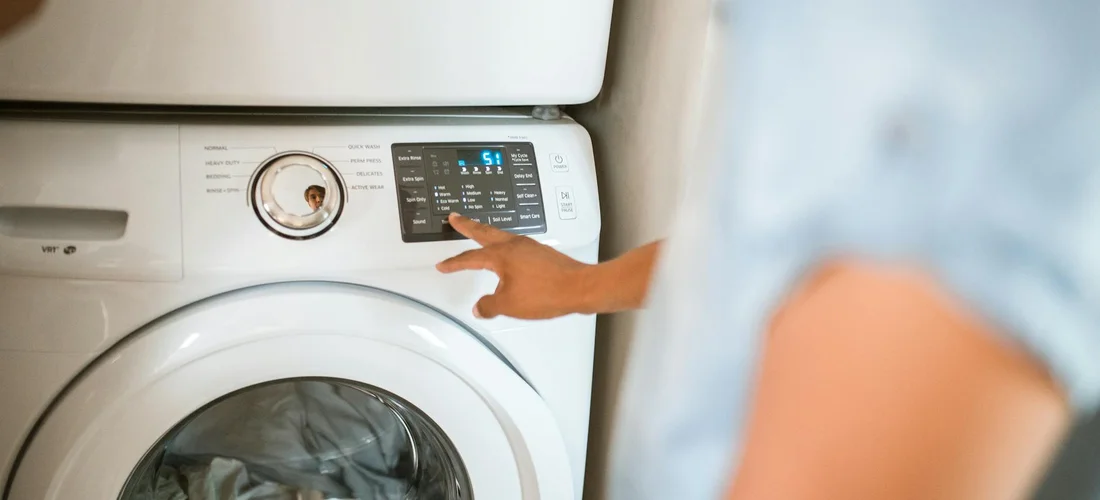
Clean the Filter and Clear Air Locks
That silent control panel often points to a hungry pump being starved by a dirty filter. A filter clogged with body oils, leaves, or scale can reduce flow so much that the pressure switch trips, shutting everything down to protect the motor. I’ve pulled filters so packed they felt like bricks, and each time, restoring flow brought the panel back to life.
Start by killing the power at the breaker. Remove the filter cartridge and hold it up to the sun. If light doesn’t pass through the pleats easily, it’s time for a clean. Here’s my field-tested method:
- Rinse the filter with a powerful hose jet to blast off loose debris.
- Soak it overnight in a filter cleaning solution-not just dish soap, which can leave residues.
- Rinse thoroughly until the water runs clear from the core.
- While it’s out, check the pump strainer basket for hair or small objects.
Next, listen for the tell-tale gurgle or complete silence of an air lock. Air trapped in the plumbing line can stop water flow dead, making the system think there’s a failure. To bleed it out, find the pump union fitting. With the power off, loosen it slightly until a spurt of air and a trickle of water escapes, then tighten it securely. This simple fix often restores the steady hum of the circulation pump instantly.
Confirm Water Level and Chemistry Balance
Water is the lifeblood of your spa’s electronics. An incorrect water level or corrosive chemical balance can sabotage sensors and cause the control board to go into a protective lockdown. I’ve measured water so acidic it ate away at heater elements, leading to false error codes. Those error codes are the spa’s built-in alerts, signaling sensor or safety issues. Understanding the common hot tub error codes they mean helps you troubleshoot faster.
First, eyeball the water level. It should cover the filter intake entirely, usually about an inch above the highest jet. Too low, and the pump sucks air; too high, and skimming action fails.
Now, test the chemistry. Don’t just guess-use a fresh test strip or liquid kit. Your numbers should land in these zones:
- Alkalinity: 80-120 ppm (the foundation-get this right first).
- pH: 7.2-7.8 (outside this range, sanitizer turns weak or corrosive).
- Sanitizer: 1-3 ppm for chlorine, 4-6 ppm for bromine.
- Calcium Hardness: 150-250 ppm to prevent scale or foamy water.
If your pH is low, adding too much increaser at once can cloud the water. Always dissolve chemicals in a bucket of spa water first, then pour slowly near a jet with the pump on high for even distribution. From my experience, a weekly 5-minute check keeps the water clarity perfect and those sensitive circuit boards happy for years.
Perform Advanced Resets and Seek Professional Help
Execute a Hard Reset or Firmware Update
When basic cleaning doesn’t work, a hard reset is your next best tool. This process clears the spa’s internal memory of temporary errors, much like unplugging a frozen computer. I’ve used this to clear phantom “FLO” errors on dozens of units.
- Locate your home’s breaker box and switch off the dedicated spa breaker.
- Wait five full minutes. This waiting period is critical for the control board’s capacitors to fully discharge.
- Flip the breaker back on and listen for the startup sequence-a click, then the pump’s hum.
- Observe the control panel for normal display illumination.
For spas made in the last decade, a firmware glitch could be the culprit. Updating firmware requires caution; an interrupted download can corrupt the main board. If your model supports it, you’ll typically download a file from the manufacturer to a USB drive and plug it into a service port. I once helped a neighbor update his Balboa system this way, fixing a stubborn temperature reading error. Always follow your manual’s exact steps.
Know When to Call a Certified Spa Technician
Your DIY spirit is admirable, but some signals scream for a pro. If you see scorch marks, smell burning insulation, or hear buzzing from the equipment pack, shut off power immediately and call a technician. Working on live 240-volt systems is a risk I never take, and neither should you.
Here are clear signs it’s time to make the call:
- The control panel is physically damaged-cracked, wet behind the overlay, or with stuck buttons.
- Error codes persist after a hard reset, filter clean, and water balance correction.
- You suspect a failed heater relay, circulation pump, or the main control board itself.
- There’s evidence of a persistent leak near the electronics bay.
In my years as a technician, I’ve replaced control topside units that were fried by moisture from a leaky cover. A certified pro has the diagnostic tools, like multimeters and board testers, to pinpoint faults quickly, saving you money on unnecessary parts. They can also safely handle refrigerant lines in heat pumps or complex wiring you shouldn’t touch. Knowing this limit protects your investment and your safety.
Common Questions
Why does my control panel light up but not respond to button presses?
This typically indicates a failed membrane switch behind the buttons, a common wear item. Moisture intrusion or general aging can cause the thin conductive layers to stop making contact. You can usually order and replace the topside control panel overlay yourself without replacing the entire unit.
What exactly is the “spa pack” and how do I check it?
The spa pack is the main control box housing the circuit board, transformer, and relays. To check it, first turn off power at the breaker. Open its compartment and visually inspect for burnt spots, corrosion, or swollen components. Use your nose; a distinct burnt smell often originates here, signaling a need for professional repair or board replacement.
Can a problem with the Wi-Fi module or remote cause the main panel to be unresponsive?
Generally, no. A faulty Wi-Fi module or handheld remote should not disable the main topside control panel. These are usually secondary interfaces. However, in rare cases where a short occurs in their wiring, it could affect the system. Disconnecting the Wi-Fi module is a good diagnostic step to rule it out as a cause of a broader system lock-up.
How do I know if I need to check the ozone generator or salt system?
Check these components if your control panel is working but you’re getting specific water quality error codes (like “Sanitizer” or “Purge”), not if the panel is dead or unresponsive. A malfunction in these systems rarely causes a total panel failure unless they create a direct electrical short, which is uncommon. If the issue persists, check whether the jacuzzi is in maintenance mode or if the cleaning/purification controls are paused, since those settings can trigger water-quality alerts. Exiting maintenance mode and ensuring the purification cycles are active can help restore proper readings.
When I contact a professional, what information should I have ready?
To expedite service, have your hot tub’s make, model, and serial number ready. Note any error codes displayed, even if intermittent. Be prepared to describe the exact symptoms, all the troubleshooting steps you’ve already taken (e.g., “I reset the GFCI and breaker, cleaned the filter”), and whether you hear any pump noises or smell anything unusual. These details help with hot tub electrical troubleshooting—common problems and practical solutions. If you notice power-related symptoms, sharing them upfront can speed up diagnosis and repair.
Preventing a Relapse
Before you grab your towel and step in, do one final safety check. Turn on the jets and feel the water temperature with your hand. Your control panel might say 102°F, but a failed sensor can lie-always physically verify the heat before you get in. This quick habit protects you from a surprising scald or a disappointing chill.
To keep your control panel from freezing up again, make a ritual of pulling and rinsing your filter every single week; clear water flow is the single biggest factor in preventing the pressure and temperature errors that confuse your spa’s brain. A clean filter allows the circulation pump to hum along effortlessly, preventing the flow issues that often masquerade as electrical gremlins on your display.
Nice work. Now go enjoy that soak-you’ve earned it.
Further Reading & Sources
- Spa Controller not working – steps to diagnose and repair
- A-1 Spa Control |
- Do I Need to Replace My Topside Control? – Build a DIY Hot Tub
- r/hottub on Reddit: Repair control board?
- Artesian Spa Control Panels
- Troubleshooting Spa Topside Control Panels
Charlie is a hot tub enthusiast with a passion for keeping your jets running smooth and your bubbles bursting with joy. With years of experience in hot tub and jacuzzi maintenance, Charlie knows that a happy tub means a happy you. Whether it’s dealing with stubborn filters or giving your spa a little TLC, Charlie’s here to share expert tips, tricks, and plenty of laughs to help you keep your bubbly retreat in tip-top shape. So, kick back, relax, and let Charlie handle the rest — because no one likes a cranky jacuzzi!
Equipment Checks